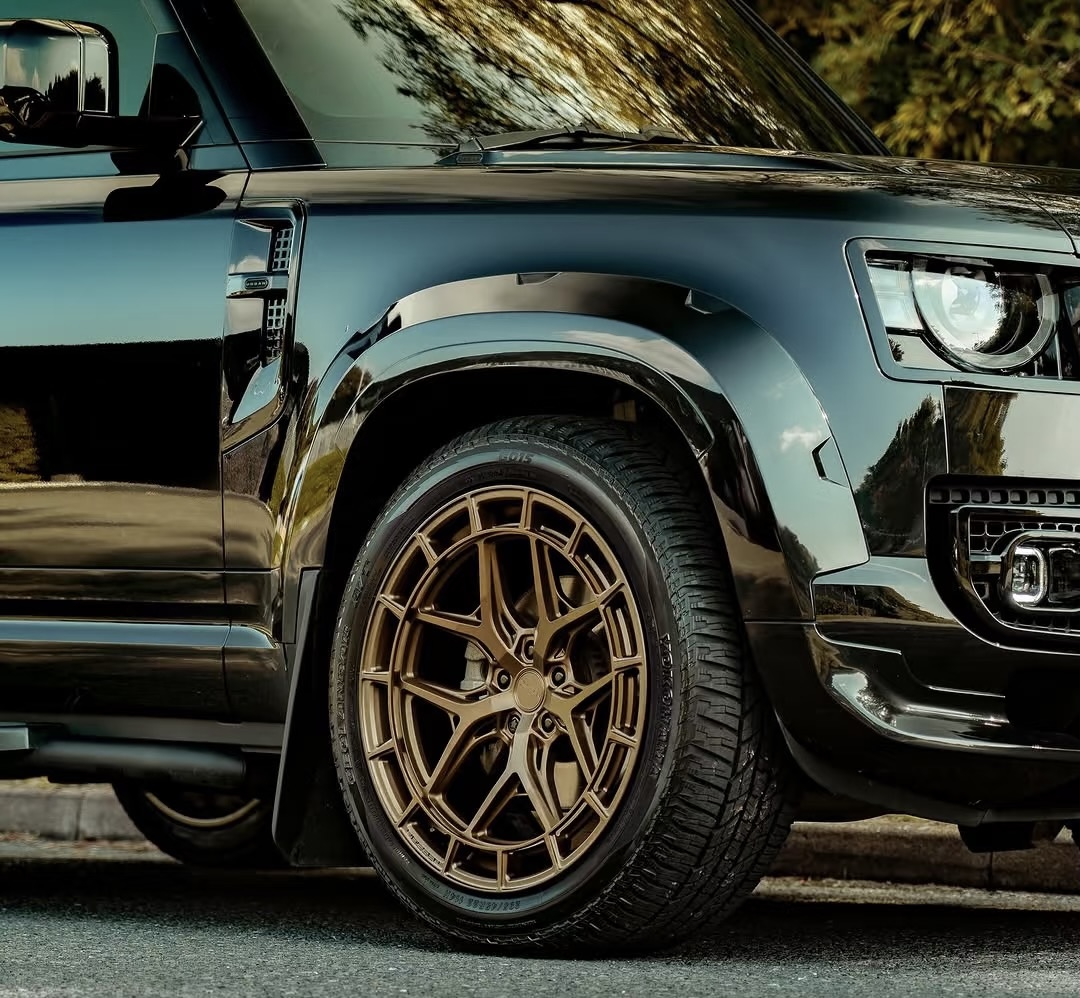
Rims vs Wheels: What’s the Difference and Which Should You Choose?
Rims vs Wheels: What’s the Difference and Which Should You Choose?
When shopping for aftermarket wheels, many drivers use the terms “rims” and “wheels” interchangeably. You hear people say things like:
- “I need new rims for my truck.”
- “Those black rims look amazing.”
- “How much do custom rims cost?”
But technically speaking, rims and wheels are not exactly the same thing.
Understanding the difference between rims and wheels can help you make smarter decisions when upgrading your vehicle, shopping for custom forged wheels, or discussing fitment with professionals. Whether you drive a lifted truck, sports car, luxury SUV, or performance sedan, choosing the right wheel setup directly impacts appearance, handling, durability, and driving experience.
In this guide, we’ll explain:
- The difference between rims and wheels
- Why people often confuse the two
- How much wheel rims typically cost
- Different wheel types available today
- Forged vs cast wheel differences
- How to choose the best custom wheels for your vehicle
If you’re considering upgrading your ride with premium aftermarket wheels, this guide will help you understand exactly what you’re buying.
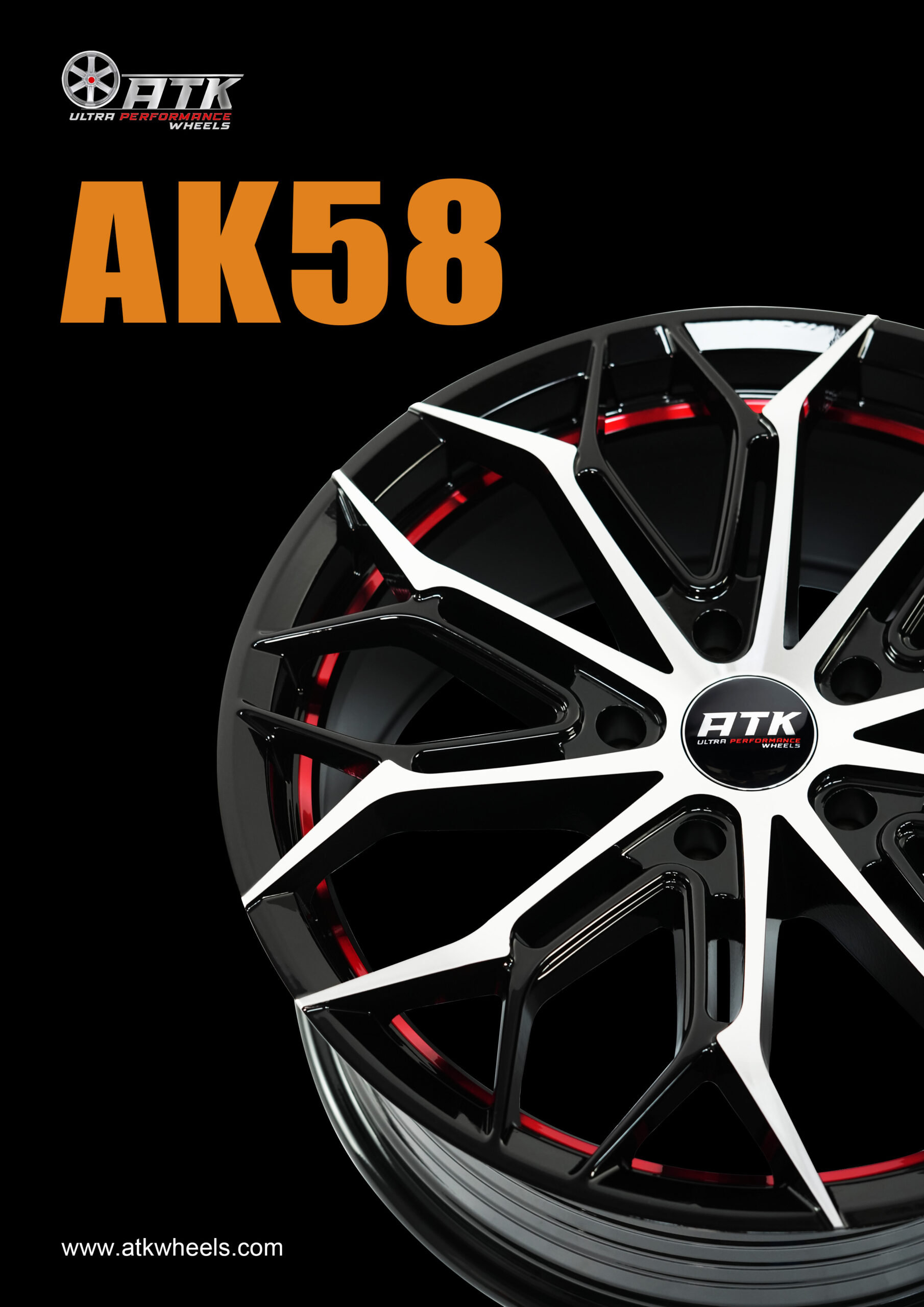
Is It Called Rims or Wheels?
Technically, the correct term is “wheel.”
The wheel is the complete metal structure that bolts onto your vehicle. It includes:
- The hub
- Spokes
- Barrel
- Outer edge
The “rim” is only one section of the wheel. Specifically, the rim refers to the outer circular edge that holds the tire in place.
However, in everyday conversation, the terms “rims” and “wheels” are commonly used interchangeably.
For example, when someone says:
“I bought new rims for my car.”
They are usually referring to the entire wheel assembly rather than only the outer edge.
This terminology became especially popular in automotive culture, custom car communities, and aftermarket wheel marketing.
Wheel vs Rim: Understanding the Difference
Here’s a simple breakdown of the differences between a wheel and a rim.
| Part | Definition | Function |
|---|---|---|
| Wheel | Complete metal structure attached to the vehicle | Supports the tire and allows vehicle movement |
| Rim | Outer edge of the wheel | Holds the tire bead securely in place |
| Tire | Rubber component surrounding the wheel | Provides traction and cushioning |
The confusion exists because modern wheels are often manufactured as a single-piece unit. In older wire-wheel designs, rims and wheel centers were separate components. Today, most alloy and forged wheels combine these sections into one structure.
As a result, many people casually refer to the entire wheel as a “rim.”
Why Do People Call Wheels “Rims”?
The word “rim” became popular in car culture during the rise of aftermarket customization.
In the 1990s and early 2000s, custom chrome wheels, oversized truck wheels, and luxury vehicle modifications became mainstream. Enthusiasts frequently referred to aftermarket wheels as “rims” because the visible outer portion of the wheel was the most eye-catching element.
Today, “rims” is still widely used in:
- Hip-hop culture
- Truck communities
- Luxury car customization
- Social media automotive content
- Aftermarket wheel marketing
Even though “wheel” is technically correct, both terms are generally accepted in casual conversation.
How Much Does a Wheel Rim Cost?
The cost of wheel rims depends on several factors:
- Material
- Manufacturing method
- Wheel size
- Finish
- Brand reputation
- Vehicle fitment
Most drivers spend approximately $725 for a complete wheel replacement setup. Individual rims usually range from $100 to $500 per wheel for standard alloy options.
Premium forged wheels can cost significantly more due to their advanced manufacturing process and superior strength.
Average Wheel Rim Price Breakdown
| Wheel Type | Average Price Per Wheel | Best For |
|---|---|---|
| Steel Wheels | $75 – $150 | Budget vehicles |
| Cast Alloy Wheels | $100 – $500 | Daily driving |
| Flow Formed Wheels | $300 – $700 | Performance street use |
| Forged Wheels | $800 – $2,500+ | Luxury & high-performance vehicles |
Custom forged wheels are typically more expensive because they are CNC-machined from solid aluminum blocks, offering greater strength, reduced weight, and fully customized fitment.
What Are Forged Wheels?
Forged wheels are considered the premium option in the wheel industry.
Unlike cast wheels, forged wheels are manufactured using extremely high pressure to compress aluminum into a stronger molecular structure. This process creates wheels that are:
- Stronger
- Lighter
- More durable
- Better performing
High-end manufacturers like ATK Wheels specialize in custom forged wheel designs for trucks, sports cars, SUVs, and luxury vehicles.
Forged Wheels vs Cast Wheels
One of the biggest decisions buyers face is choosing between forged and cast wheels.
Here’s how they compare.
| Feature | Forged Wheels | Cast Wheels |
|---|---|---|
| Weight | Lighter | Heavier |
| Strength | Extremely strong | Moderate |
| Durability | Excellent | Good |
| Customization | Fully customizable | Limited |
| Performance | Superior handling | Standard driving |
| Cost | Premium | More affordable |
Forged wheels are especially popular for:
- Lifted trucks
- Luxury SUVs
- Performance cars
- Off-road builds
- Show vehicles
Because they reduce unsprung weight, forged wheels can improve acceleration, braking, and cornering performance.
Why Wheel Size Matters
Wheel size affects both vehicle appearance and driving characteristics.
Larger wheels often create a more aggressive look, while smaller wheels may provide a smoother ride.
Common wheel sizes include:
| Vehicle Type | Common Wheel Sizes |
|---|---|
| Sedans | 17” – 19” |
| Sports Cars | 18” – 21” |
| Trucks | 20” – 24” |
| SUVs | 20” – 26” |
However, bigger wheels are not always better.
Oversized wheels can:
- Increase vehicle weight
- Reduce ride comfort
- Affect fuel efficiency
- Increase tire replacement costs
Choosing the correct wheel size requires balancing style, performance, and practicality.
How to Choose the Right Wheels for Your Vehicle
Selecting the right wheel setup involves more than simply choosing a design you like.
You should consider:
1. Vehicle Fitment
Every vehicle requires specific:
- Bolt patterns
- Offsets
- Center bore sizes
- Width specifications
Incorrect fitment can cause rubbing, poor handling, and suspension issues.
2. Driving Style
Different driving styles require different wheel characteristics.
| Driving Style | Recommended Wheel Type |
|---|---|
| Daily commuting | Cast alloy wheels |
| Off-road use | Forged truck wheels |
| Track performance | Lightweight forged wheels |
| Luxury appearance | Concave forged wheels |
3. Wheel Finish
Popular wheel finishes include:
- Gloss black
- Brushed aluminum
- Polished silver
- Satin bronze
- Custom powder coating
Finishes significantly impact the overall visual style of your vehicle.
Why Custom Wheels Are So Popular
Custom wheels allow drivers to personalize their vehicles and stand out from factory designs.
Benefits of aftermarket wheels include:
Improved Appearance
Wheels dramatically change a vehicle’s stance and visual impact.
Better Performance
Lightweight forged wheels improve responsiveness and handling.
Vehicle Personalization
Custom offsets, finishes, and spoke designs create a unique appearance tailored to the owner’s preferences.
Increased Resale Appeal
Well-designed premium wheels can enhance a vehicle’s desirability in enthusiast markets.
Why Many Drivers Choose Forged Wheels
Forged wheels have become increasingly popular because they combine:
- Luxury styling
- Superior durability
- Lightweight construction
- High-performance engineering
For truck owners especially, forged wheels provide the strength necessary for larger tires, lifted suspensions, and off-road driving conditions.
Premium forged wheel manufacturers like ATK Wheels offer custom-built solutions designed specifically for each vehicle application.
Common Wheel Terminology You Should Know
Here are several important wheel-related terms every buyer should understand.
| Term | Meaning |
|---|---|
| Offset | Distance between mounting surface and wheel centerline |
| Bolt Pattern | Number and spacing of lug holes |
| Center Bore | Hole in the middle of the wheel |
| Backspacing | Distance from mounting pad to wheel back edge |
| Concave | Inward-curving wheel face design |
Understanding these terms helps ensure proper wheel fitment and performance.
Frequently Asked Questions (FAQ)
Is it technically called a wheel or a rim?
Technically, the correct term is “wheel.” The rim is only the outer edge of the wheel that holds the tire in place.
Why do people say rims instead of wheels?
“Rims” became popular through automotive culture and aftermarket customization communities. Today, both terms are commonly used interchangeably.
How much do custom rims cost?
Custom rims can range from $100 to over $2,500 per wheel depending on materials, manufacturing method, size, and customization level.
Are forged wheels worth the money?
Yes. Forged wheels offer better strength, lighter weight, improved durability, and superior performance compared to cast wheels.
Do larger wheels improve performance?
Not always. Larger wheels may improve appearance and cornering response, but they can also reduce ride comfort and increase vehicle weight.
What is the best wheel material?
Forged aluminum is generally considered the best material for high-performance and luxury applications because it offers an excellent balance of strength and weight reduction.
Final Thoughts
Although people often use the terms “rims” and “wheels” interchangeably, there is a technical difference between the two. The wheel refers to the complete metal assembly, while the rim is only the outer edge that secures the tire.
Understanding wheel terminology is important when shopping for aftermarket wheels, discussing fitment, or upgrading your vehicle’s appearance and performance.
Whether you’re building a lifted truck, customizing a luxury SUV, or improving your sports car’s handling, choosing the right wheel setup can completely transform your driving experience.
For drivers seeking premium durability, lightweight performance, and custom styling, forged wheels remain the top choice in today’s aftermarket wheel industry.