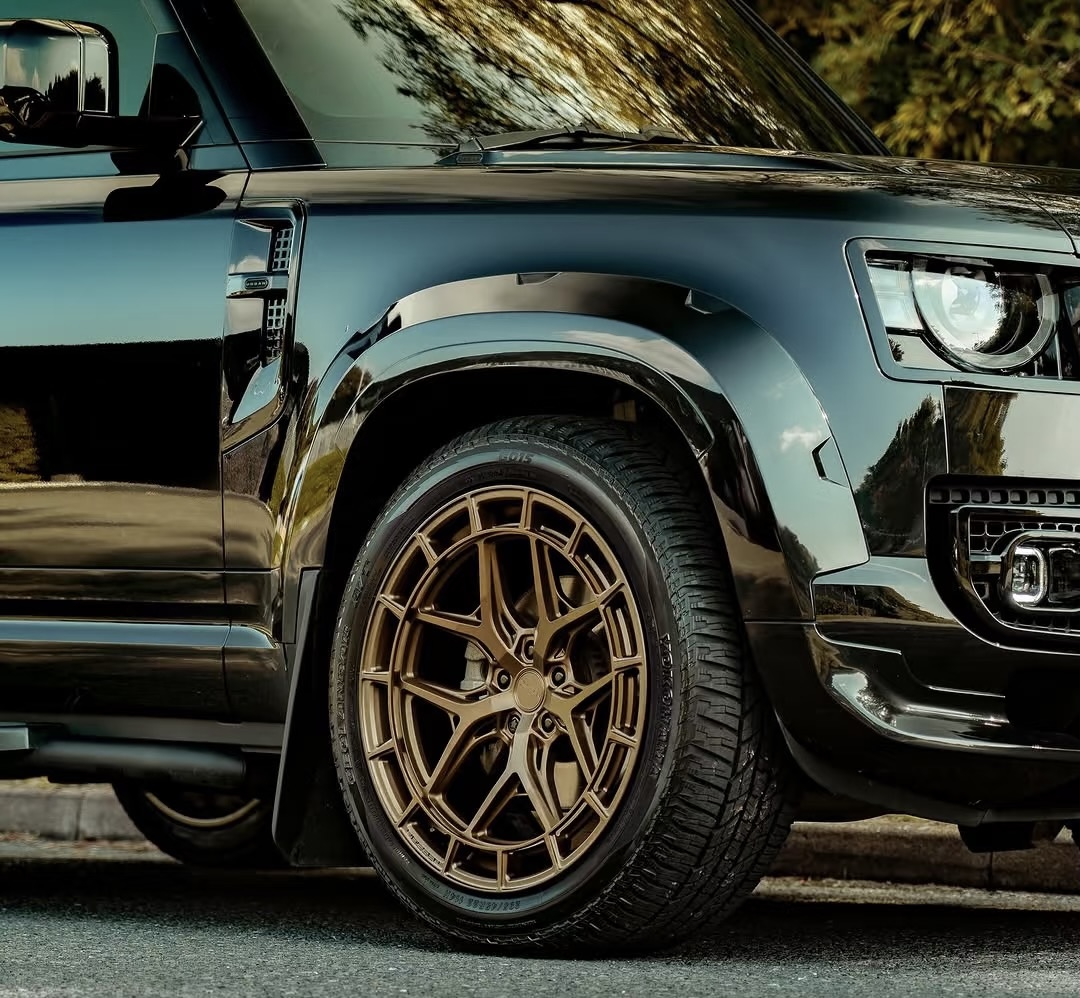
Custom Wheel Maker: Everything You Need to Know Before Ordering Custom Wheels
Custom Wheel Maker: Everything You Need to Know Before Ordering Custom Wheels
When it comes to upgrading a vehicle’s appearance and performance, few modifications make a bigger impact than custom wheels. Whether you’re building a show car, optimizing a track vehicle, or creating a unique off-road setup, choosing the right custom wheel maker can dramatically influence both aesthetics and driving dynamics.
This guide explains how custom wheels are made, how to select a reputable custom wheel manufacturer, and what factors matter most when investing in bespoke wheels.
Featured Snippet: What Is a Custom Wheel Maker?
A custom wheel maker is a manufacturer that designs and produces wheels according to specific vehicle requirements and customer preferences. Unlike mass-produced wheels, custom wheels can be tailored in terms of size, width, offset, finish, spoke design, material, and performance characteristics. Many premium custom wheel makers specialize in forged aluminum wheels that offer superior strength, reduced weight, and enhanced durability.
Why More Drivers Are Choosing Custom Wheels
The aftermarket wheel industry has evolved significantly over the past decade. Vehicle owners increasingly seek wheels that not only improve appearance but also enhance driving performance.
Custom wheels offer several advantages:
Improved Vehicle Appearance
A unique wheel design instantly transforms the look of a vehicle. Custom finishes, intricate spoke patterns, and aggressive fitments create a personalized appearance that stands out.
Better Performance
High-quality forged wheels typically weigh less than factory wheels. Reduced unsprung weight can improve:
- Acceleration
- Braking performance
- Cornering stability
- Steering response
- Fuel efficiency
Perfect Vehicle Fitment
A professional custom wheel maker designs wheels specifically for your vehicle’s:
- Bolt pattern
- Offset requirements
- Brake clearance
- Suspension setup
- Tire specifications
Increased Strength
Forged wheels provide exceptional structural integrity, making them ideal for:
- High-performance sports cars
- Luxury vehicles
- Heavy-duty trucks
- Off-road applications
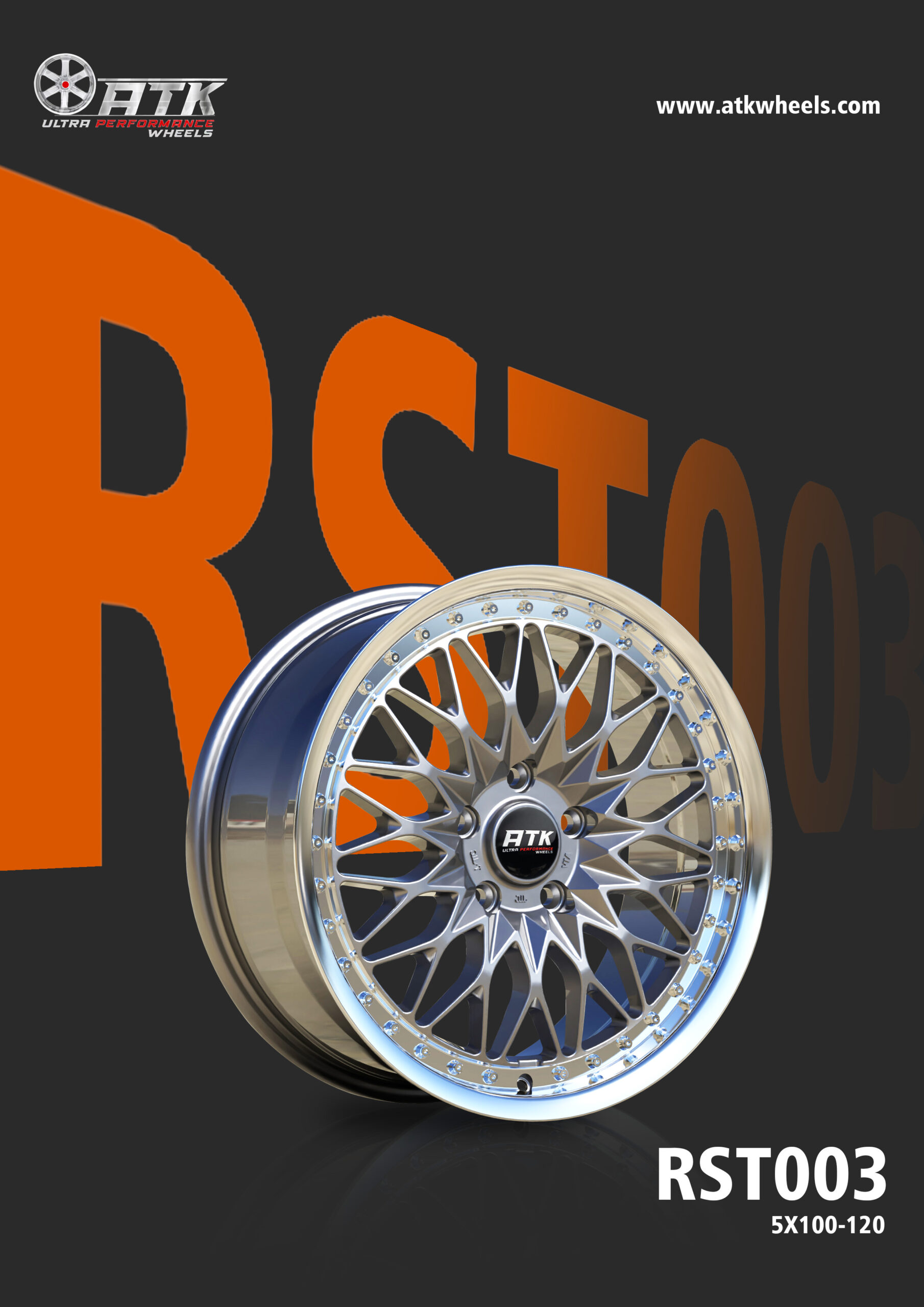
How Custom Wheels Are Made
Understanding the manufacturing process helps buyers make informed decisions.
Step 1: Design Engineering
The process begins with detailed engineering and CAD modeling.
Engineers evaluate:
- Vehicle specifications
- Desired wheel dimensions
- Load requirements
- Brake clearance
- Performance objectives
Modern wheel manufacturers use 3D modeling software to ensure precise fitment before production begins.
Step 2: Material Selection
Most premium custom wheel makers use aerospace-grade aluminum alloys.
Common materials include:
| Material | Weight | Strength | Cost | Common Use |
|---|---|---|---|---|
| Cast Aluminum | Moderate | Good | Low | OEM and budget wheels |
| Flow Formed Aluminum | Light | Very Good | Medium | Performance street wheels |
| Forged Aluminum 6061-T6 | Very Light | Excellent | High | Premium custom wheels |
Forged aluminum remains the preferred choice for high-performance applications.
Step 3: Forging Process
The forging process involves applying thousands of tons of pressure to a solid aluminum billet.
This process:
- Aligns metal grain structure
- Eliminates internal voids
- Increases tensile strength
- Reduces weight
Compared to cast wheels, forged wheels can achieve superior strength with less material.
Step 4: CNC Machining
After forging, advanced CNC machines shape the wheel according to the approved design.
Precision machining ensures:
- Exact dimensions
- Consistent quality
- Accurate bolt patterns
- Proper balancing
Step 5: Surface Finishing
Customers can choose from numerous finishing options:
- Gloss black
- Matte black
- Brushed aluminum
- Polished finish
- Custom paint colors
- Powder coating
- Two-tone finishes
- Transparent protective coatings
Forged vs Cast Wheels: Which Is Better?
One of the most common questions buyers ask is whether forged wheels are worth the investment.
Comparison Table
| Feature | Forged Wheels | Cast Wheels |
|---|---|---|
| Manufacturing Process | High-pressure forging | Molten aluminum casting |
| Strength | Excellent | Moderate |
| Weight | Lightweight | Heavier |
| Durability | Superior | Average |
| Customization | Extensive | Limited |
| Performance | Outstanding | Standard |
| Price | Higher | Lower |
For enthusiasts seeking maximum performance, forged wheels are generally considered the premium option.
Most OEM wheels and entry-level aftermarket wheels are cast because the manufacturing process is significantly faster and less expensive.
How to Get a Custom Wheel Made
If you’re considering ordering custom wheels, the process is simpler than many people think.
Step 1: Define Your Goals
Ask yourself:
- Is appearance the priority?
- Do you want track performance?
- Is the vehicle used off-road?
- Do you need maximum load capacity?
Step 2: Determine Wheel Specifications
Important measurements include:
- Diameter
- Width
- Offset
- Bolt pattern
- Center bore
Step 3: Select a Design
Most custom wheel makers offer:
- Monoblock wheels
- Two-piece wheels
- Three-piece wheels
Each design offers different advantages in terms of strength, weight, and customization.
Step 4: Choose Finishes
Select finishes that complement your vehicle’s style while maintaining durability.
Step 5: Manufacturing and Quality Control
The manufacturer produces the wheels and performs inspections to verify:
- Structural integrity
- Dimensional accuracy
- Surface finish quality
- Balance specifications
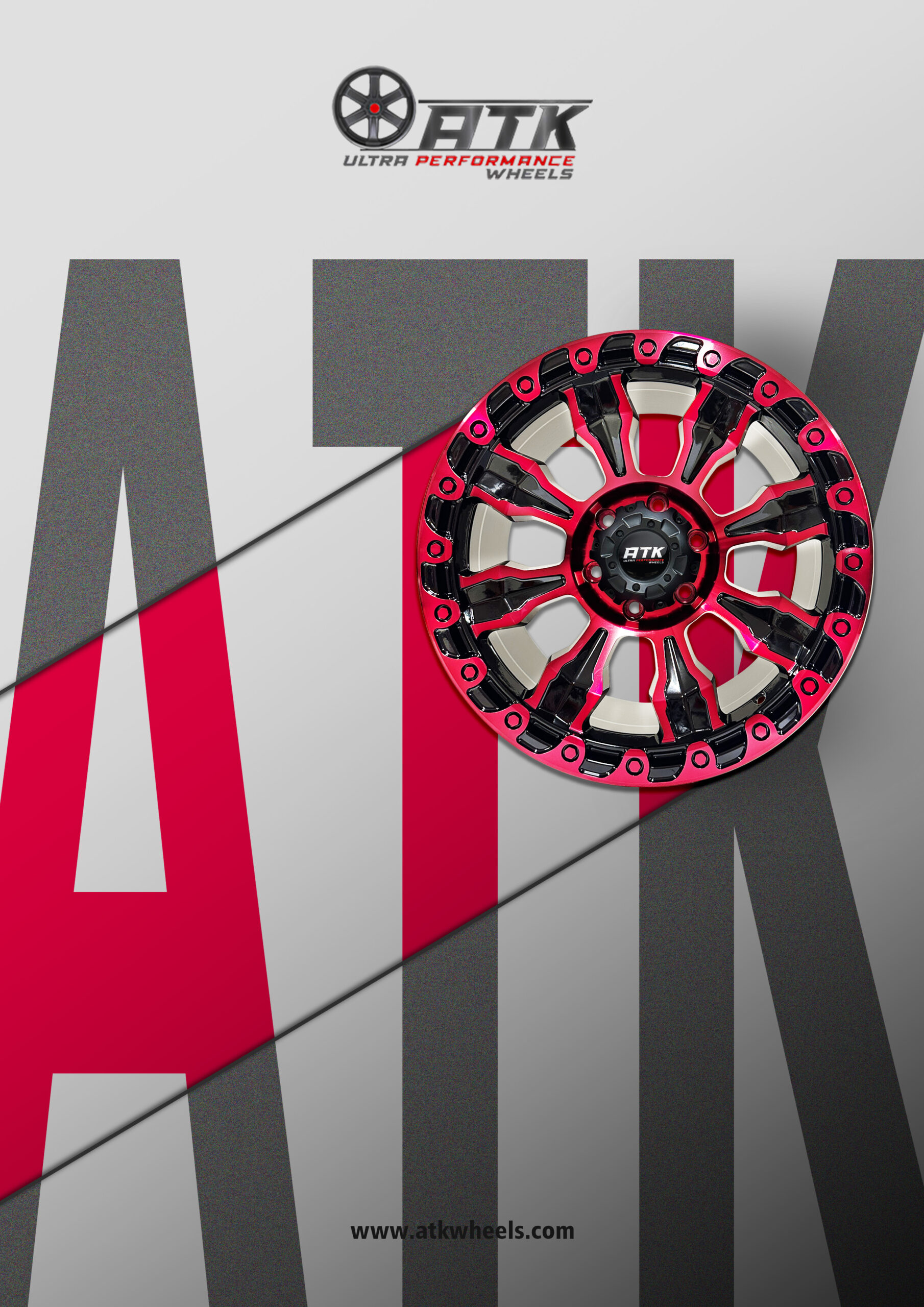
What Makes the Best Custom Wheel Maker?
Not all wheel manufacturers offer the same level of quality.
When evaluating a custom wheel maker, consider the following factors.
Engineering Expertise
Top manufacturers invest heavily in engineering and vehicle-specific testing.
Look for companies that provide:
- CAD design services
- Finite element analysis (FEA)
- Vehicle fitment verification
Manufacturing Technology
Advanced equipment improves precision and consistency.
Key capabilities include:
- CNC machining
- Forging technology
- In-house quality control
Customization Options
A premium manufacturer should offer:
- Multiple wheel profiles
- Custom offsets
- Bespoke finishes
- Unique spoke designs
Industry Experience
Experienced manufacturers understand:
- Load ratings
- Performance requirements
- Vehicle compatibility
- Industry safety standards
Customer Support
Professional consultation before ordering can prevent costly fitment mistakes.
Who Makes the Best Custom Wheels?
The answer depends on your priorities and budget.
Different manufacturers excel in different segments:
| Category | Best For |
|---|---|
| Elite Motorsport Wheels | Track performance and weight reduction |
| Premium Forged Wheels | Luxury and high-performance builds |
| Rotary-Formed Wheels | Performance on a budget |
| Off-Road Wheels | Trucks and overlanding vehicles |
| Show Wheels | Unique custom aesthetics |
Rather than focusing solely on brand names, buyers should prioritize engineering quality, manufacturing standards, and proven durability.
Are Wheels Made in China Good Quality?
A common misconception is that all Chinese-manufactured wheels are low quality.
In reality, manufacturing quality depends on:
- Engineering standards
- Materials used
- Quality control systems
- Production technology
Many globally recognized wheel brands manufacture some or all of their products in China.
Leading Chinese wheel manufacturers have invested heavily in:
- Automated CNC equipment
- Advanced forging presses
- International quality certifications
- OEM production capabilities
The key factor is not the manufacturing location but the manufacturer’s commitment to quality and testing.
H2: Custom Wheels for Different Vehicle Types
Sports Cars
Performance-focused wheels prioritize:
- Lightweight construction
- Brake clearance
- High-speed stability
Examples include:
- Porsche
- Corvette
- Nissan GT-R
- Toyota Supra
Luxury Vehicles
Luxury builds often emphasize:
- Elegant designs
- Premium finishes
- Large-diameter wheels
Examples include:
- Mercedes-Benz
- BMW
- Audi
- Bentley
Trucks
Truck owners typically need:
- Higher load ratings
- Increased durability
- Aggressive styling
Off-Road Vehicles
Off-road wheels require:
- Impact resistance
- Corrosion protection
- Reinforced construction
Common Mistakes When Ordering Custom Wheels
Avoid these costly errors.
Ignoring Offset Specifications
Incorrect offsets can cause:
- Tire rubbing
- Suspension interference
- Handling issues
Choosing Style Over Function
A wheel should complement the vehicle’s intended use.
Overlooking Brake Clearance
Large brake kits require sufficient wheel clearance.
Not Verifying Load Ratings
Heavy vehicles require wheels designed for appropriate loads.
Buying Solely Based on Price
Cheap wheels can become expensive if they compromise safety or durability.
Future Trends in Custom Wheel Manufacturing
The custom wheel industry continues to evolve rapidly.
Emerging trends include:
- Lightweight forged monoblock designs
- Hybrid forging technologies
- Advanced powder coating systems
- Custom laser engraving
- Sustainable manufacturing practices
- Digital wheel visualization tools
- AI-assisted wheel design optimization
As manufacturing technologies improve, customers can expect even greater levels of customization and precision.
Frequently Asked Questions
FAQ 1: How much do custom forged wheels cost?
Custom forged wheels typically range from $2,000 to over $10,000 per set depending on size, design complexity, materials, and finish options.
FAQ 2: Are forged wheels stronger than cast wheels?
Yes. Forged wheels generally offer significantly greater strength and durability while using less material, making them lighter and more resistant to impacts.
FAQ 3: How long does it take to manufacture custom wheels?
Production timelines vary by manufacturer, but custom forged wheels typically require 4 to 12 weeks from design approval to delivery.
FAQ 4: Can custom wheels improve performance?
Yes. Reduced wheel weight can improve acceleration, braking, steering response, and overall vehicle handling.
FAQ 5: Are custom wheels worth the investment?
For enthusiasts seeking unique styling, precise fitment, improved performance, and long-term durability, custom wheels are often a worthwhile investment.
FAQ 6: What information does a custom wheel maker need?
Most manufacturers require:
- Vehicle make and model
- Year
- Bolt pattern
- Desired wheel size
- Suspension setup
- Brake specifications
Conclusion
Choosing the right custom wheel maker is about more than aesthetics. A well-designed custom wheel can improve vehicle performance, enhance durability, and create a truly personalized driving experience.
Whether you’re building a track-focused sports car, a luxury cruiser, or a rugged off-road truck, working with an experienced wheel manufacturer ensures that every detail—from fitment and strength to finish and style—is tailored to your exact requirements.
Investing in high-quality custom forged wheels means investing in performance, safety, and long-term value.
CTA
Ready to create wheels built specifically for your vehicle?
Work with an experienced custom wheel maker that combines advanced engineering, precision CNC machining, premium forged materials, and extensive customization options. Contact our team today to discuss your project and receive a personalized wheel solution designed around your vehicle, driving style, and performance goals.