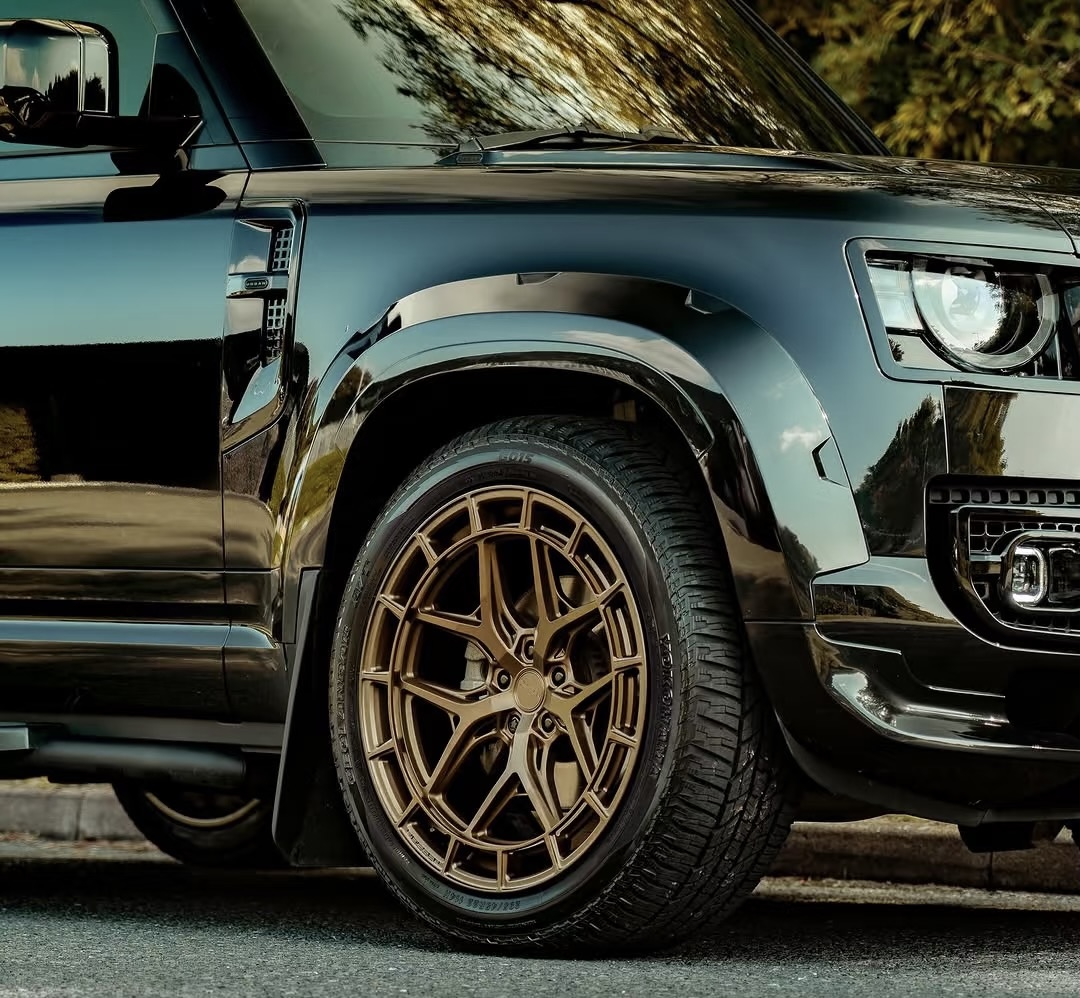
Why Black Satin Rims Are the Absolute Gold Standard for Modern Vehicles
Why Black Satin Rims Are the Absolute Gold Standard for Modern Vehicles
If you are looking to give your vehicle a sophisticated, custom look without going overly flashy, changing up your wheels is the single most impactful upgrade you can make. Among the sea of aftermarket finishes available today, black satin rims have rapidly become the benchmark for car enthusiasts, daily drivers, and truck owners alike.
Sitting perfectly between the aggressive, muted look of matte and the high-reflectivity of gloss, satin black offers a refined, factory-plus aesthetic that complements almost any paint color.
In this comprehensive breakdown, we will explore why satin black wheels dominate the aftermarket industry, how they stack up against alternative options, and the exact steps required to keep them looking pristine for years to come.
1.What Are Black Satin Rims?
To understand why black satin rims are so popular, it helps to look at how finishes are defined in the automotive coating world. The distinction comes down to gloss levels—the percentage of light a surface reflects.
-
Matte Black: 0% to 10% gloss reflection. It absorbs almost all light, resulting in a flat, textured, and stealthy appearance.
-
Satin Black: 20% to 40% gloss reflection. It features a silky, subtle sheen that catches the light just enough to highlight the structural lines, spokes, and contours of the wheel design.
-
Gloss Black: 80% to 100% gloss reflection. It acts like a mirror, bouncing light directly off the surface for a shiny, deep finish.
Black satin wheels offer the best of both worlds. They provide the modern, aggressive undertones of a dark wheel while retaining enough light reflection to ensure the intricate details of your wheel design do not get lost in the shadow of the fender well.
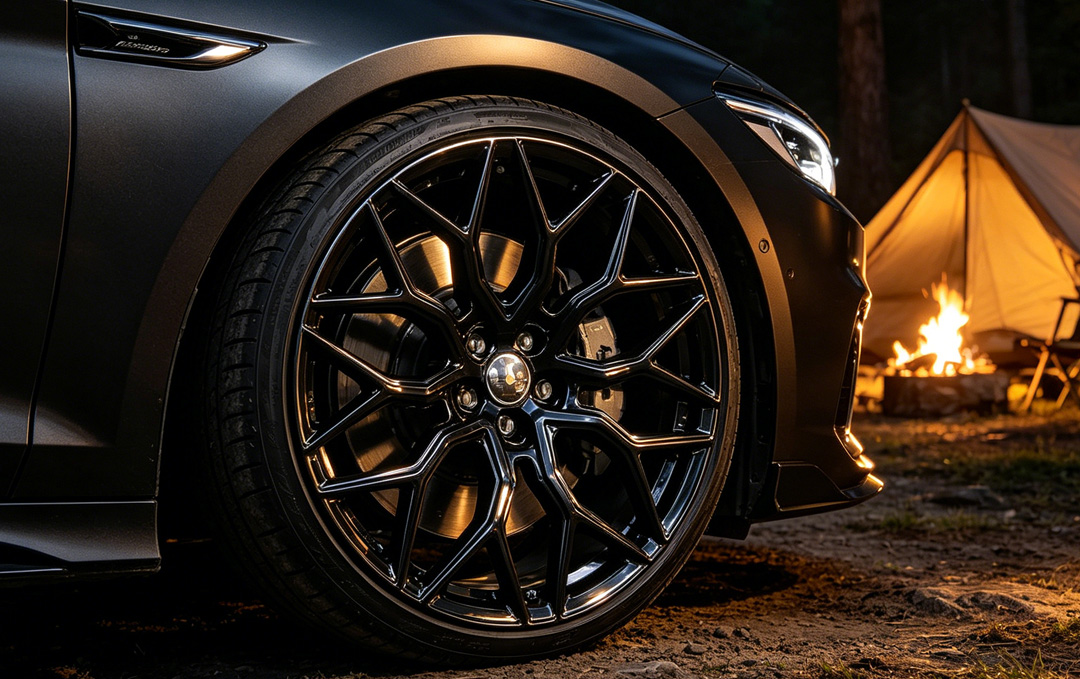
2.Satin Black vs. Matte Black vs. Gloss Black Rims
Choosing the right shade of black for your aftermarket wheels can be incredibly challenging. The choice you make fundamentally alters your vehicle’s personality. Let’s compare these three major finishes side-by-side across the metrics that matter most to truck, SUV, and sports car owners.
The Ultimate Black Wheel Finish Comparison
| Feature | Black Satin Rims | Matte Black Rims | Gloss Black Rims |
|---|---|---|---|
| Gloss/Reflection Level | 20% – 40% (Silky Sheen) | 0% – 10% (Flat/Dull) | 80% – 100% (Mirror-Like) |
| Visual Depth | High (Accentuates wheel lines) | Low (Stealthy, flat look) | Very High (Deep, liquid look) |
| Brake Dust Hiding Ability | Moderate to High | High | Low (Shows immediately) |
| Scratch Visibility | Moderate | Low | Extremely High (Swirl marks) |
| Maintenance Difficulty | Moderate (No polishing allowed) | Moderate (No polishing allowed) | High (Requires frequent buffing) |
| Repairability | Difficult (Requires re-coating) | Difficult (Requires re-coating) | Easy (Can be compounded/polished) |
Why Choose Satin Over Matte or Gloss?
While gloss black looks stunning when perfectly detailed, it is a nightmare to maintain. Gloss finishes show micro-scratches, swirl marks, and light-colored brake dust within hours of a wash.
On the flip side, matte black is excellent at hiding grime, but it can sometimes look unfinished or less premium, resembling raw plastic or primer from a distance.
Black satin rims hit the absolute sweet spot. They offer a premium, factory-luxury appearance that accentuates the engineering of your wheels under direct sunlight, while successfully masking the minor dust and water spots that would instantly ruin a gloss wheel’s look.
3.Why Black Satin Rims are the Perfect Automotive Upgrade
1. Universal Styling Compatibility
Whether you drive a lifted Ford F-150, a sleek Tesla Model 3, or a high-performance BMW M4, satin black wheels seamlessly integrate into the vehicle’s design language. It bridges the gap between rugged utility and high-end luxury.
2. Highlighting Wheel Geometries
When you invest in high-quality aftermarket wheels from trusted brands like ATK Wheels, you want people to see the craftsmanship. Because satin black reflects a soft gradient of light along curves and edges, it accentuates complex multi-spoke patterns, concave faces, and deep lips far better than flat matte finishes.
3. Resilience Against the Elements
Daily driving subjects your wheels to extreme heat, road salt, UV rays, and corrosive brake dust. The topcoats used on premium satin black wheels are engineered to resist UV degradation, meaning they won’t fade into a chalky grey over years of exposure to intense sunlight.
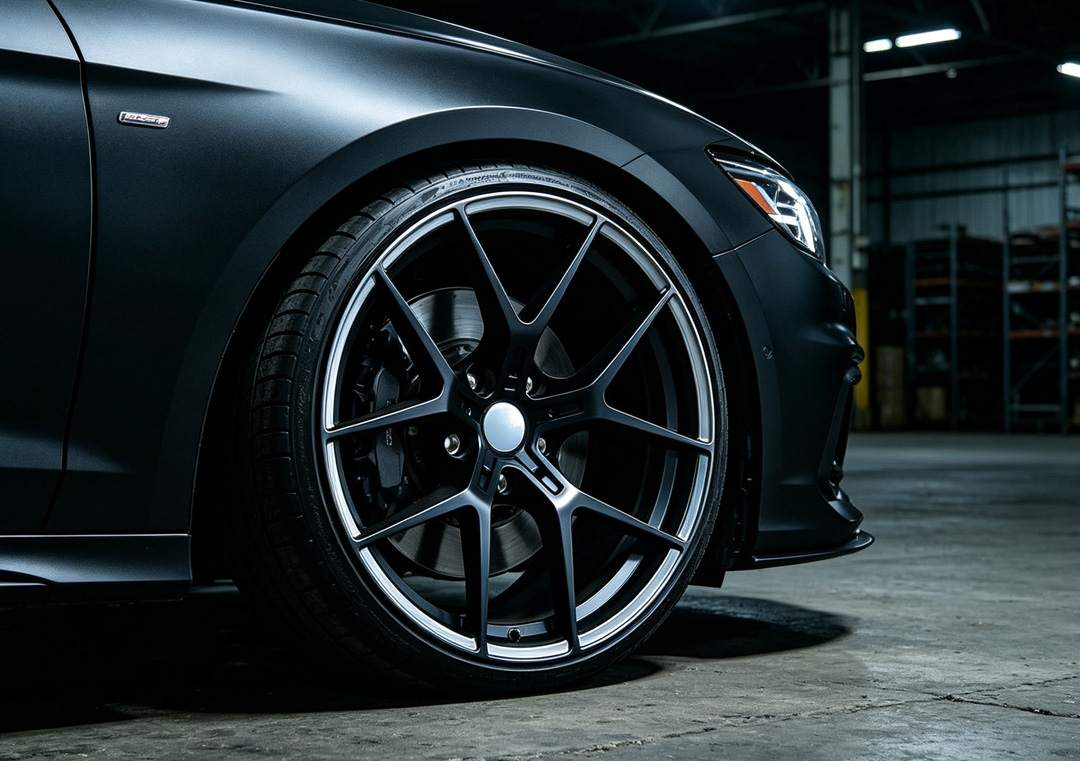
4.How to Clean and Maintain Black Satin Wheels
The unique texture of a satin finish requires a specific care routine. Because you cannot use traditional abrasives on a satin surface, prevention and correct technique are your best defense against wear and tear.
The Safe Wash Routine
To clean your satin wheels safely, follow these steps during every vehicle wash:
-
Step 1: Cool Down. Never wash your wheels while they are hot from driving. Spraying cold water on a hot wheel can warp rotors and cause cleaning chemicals to dry prematurely, staining the satin finish.
-
Step 2: Pre-Rinse. Use a pressure washer or a high-pressure hose nozzle to blast away loose brake dust and road grime before touching the wheel with a mitt.
-
Step 3: Apply a pH-Neutral Cleaner. Spray a dedicated, non-acidic, pH-neutral wheel cleaner over the entire wheel. Avoid heavy degreasers or acid-based formulations, as they can alter the gloss percentage of the satin coat over time.
-
Step 4: Agitate Gently. Use a soft microfiber wash mitt or a dedicated plush wheel brush. Avoid stiff nylon bristles, which can create micro-scratches in the finish.
-
Step 5: Rinse and Dry. Rinse thoroughly with clean water. Dry the wheels completely using a soft, clean microfiber towel to prevent hard water spots from forming.
Things to Avoid at All Costs
Crucial Warning: Never use standard automotive paint polish, cutting compounds, or clay bars on satin black rims. Polishing works by using micro-abrasives to flatten a surface. If you polish a satin wheel, you will permanently flatten the texture, turning that section into a shiny, mismatched gloss spot.
Environmental elements require careful attention during maintenance. Stay away from automatic car washes that use mechanical wheel brushes. These brushes are often contaminated with grit from previous vehicles and will score your satin finish.
5.Protecting Your Satin Finish: The Right Approach
Because you cannot buff out scratches on a satin wheel, applying a protective layer right after installation is highly recommended.
Can You Wax Satin Black Wheels?
No, you should never use traditional automotive waxes. Standard paste or liquid car waxes contain gloss-enhancing polymers and natural Carnauba that fill in the microscopic texture of the satin finish. This results in an uneven, cloudy appearance and leaves a white, chalky residue that is incredibly difficult to remove from the pores of the wheel coating.
The Solution: Matte & Satin Specific Sealants
Instead of wax, opt for products explicitly labeled for matte, satin, or “frozen” finishes. These products provide hydrophobic properties—meaning they repel water and contaminants—without adding artificial gloss.
-
Satin-Safe Ceramic Coatings: The ultimate form of protection. A professional-grade ceramic coating bonds chemically to the wheel. It creates an ultra-smooth, hydrophobic barrier that prevents corrosive brake dust from baking into the finish, making future cleaning as simple as a quick rinse.
-
Matte Spray Sealants: A quicker, more affordable alternative to ceramic coatings. These spray-on, wipe-off formulas provide UV protection and dust repellency for up to a few months per application.
6.Durability and Repair: What to Expect
Before purchasing black satin rims, it is important to have realistic expectations regarding their long-term durability and repair processes.
Do Satin Black Rims Scratch Easily?
Satin black wheels are not inherently softer or more prone to physical scratching than gloss or chrome wheels. In fact, they are often powder-coated, a process that creates an incredibly resilient, chip-resistant shell. However, because you cannot mechanically polish out minor blemishes, any scratch that does occur is permanent unless the wheel is professionally refinished.
Dealing with Curb Rash and Deep Scratches
If you accidentally scrape a curb or suffer deep rock chips, DIY touch-up paints rarely match a satin finish perfectly due to the challenge of replicating the exact 20-40% gloss level. For a flawless repair, the wheel typically needs to be taken to a professional wheel restoration shop where it will be media-blasted back to bare metal, primed, and completely re-powder coated.
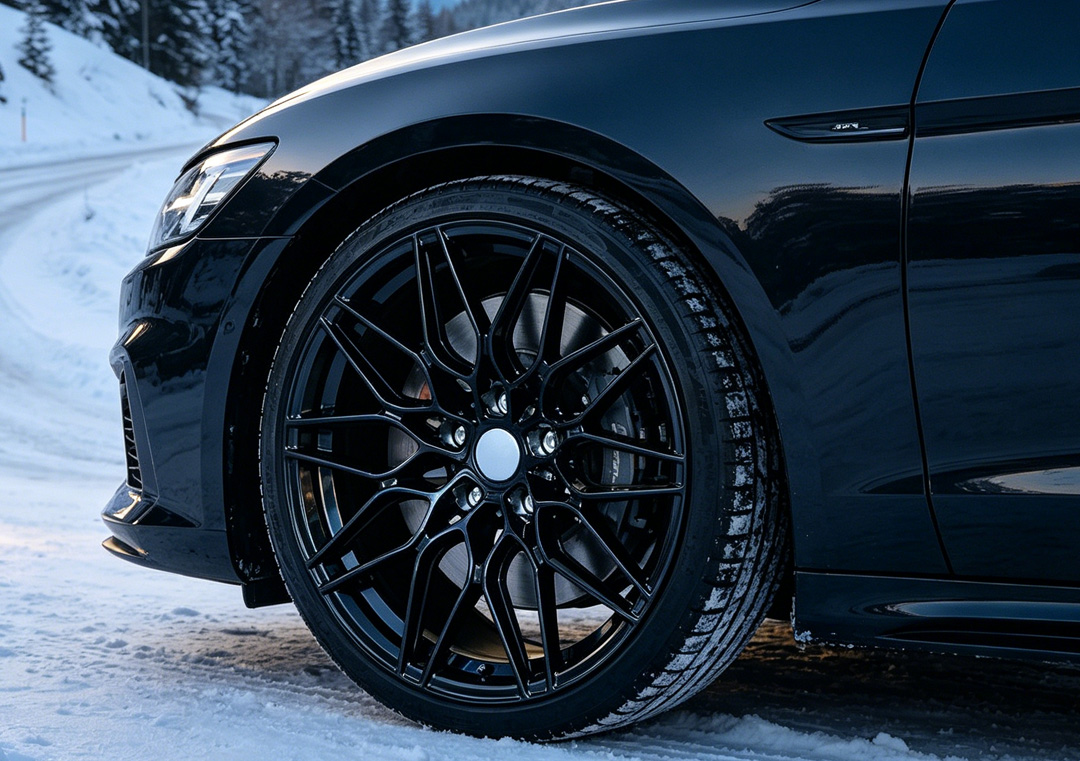
7.Styling Tips: Matching Black Satin Rims to Your Vehicle
How do you maximize the visual impact of your new wheels? Consider these popular styling directions:
-
The Murdered-Out Look: Pair your satin black wheels with a glossy or matte black vehicle wrap, dark window tints, and smoked taillights. The subtle sheen of the satin wheels creates a sophisticated contrast against a pure black paint job.
-
High-Contrast Pop: Satin black looks exceptionally striking against bright colors like chalk grey, vivid red, white, or electric blue. The dark wheels ground the vehicle’s stance and give it a menacing, race-inspired posture.
-
Color-Matched Accents: Consider pairing satin black wheels with matching satin black accents elsewhere on the vehicle, such as the side mirrors, front grille, or window trim. This unifies the entire build.
Frequently Asked Questions (FAQs)
1.What is the difference between satin black and matte black rims?
The primary difference lies in light reflection and visual texture. Matte black wheels possess a flat, non-reflective surface with a 0-10% gloss level, giving them a rugged, military, or stealth-like appearance. Satin black wheels offer a silky, subtle sheen with a 20-40% gloss level, which helps highlight the structural design and contours of the wheel when exposed to ambient light.
2.Are satin black rims hard to keep clean?
No, they are generally easier to manage than gloss black rims. The satin finish is highly effective at masking light dust, water spots, and minor surface smudges. However, because they are dark, they will still display light-colored contaminants like heavy white brake dust or winter road salt more noticeably than traditional silver or gunmetal wheels.
3.How do you fix scratches on satin black wheels?
Minor surface scuffs can sometimes be masked using specialized matte quick detailers, but deep scratches or curb rash cannot be polished out. Because buffing will turn the satin finish glossy, repairing deep damage requires professional intervention, involving stripping the wheel and re-powder coating it.
4.What kind of wheel cleaner is safe for satin black finishes?
Always utilize a dedicated, pH-neutral, non-acidic wheel cleaner. Look for formulas specifically cleared for custom finishes, matte wheels, or anodized aluminum. Avoid any product containing harsh acids, heavy solvents, or sodium hydroxide, which can permanently stain or alter the gloss profile of the satin coat.
5.Should I choose powder-coated or painted satin black wheels?
Whenever possible, opt for powder-coated satin black wheels. Powder coating involves baking a dry powder onto the metal at high temperatures, creating a much thicker, more durable, and chip-resistant barrier against road debris and brake dust compared to traditional liquid paint.
Elevate Your Ride’s Aesthetic
Upgrading to black satin rims is one of the most effective ways to balance luxury styling with everyday practicality. By delivering a rich, silky depth that accentuates your vehicle’s lines without demanding the meticulous, daily upkeep of a high-gloss finish, satin black stands out as a timeless choice for any automotive build.
Ready to transform your vehicle’s stance and aesthetic? Explore the premium engineered wheel lineups at ATK Wheels to find the perfect fitment, design, and satin finish tailored specifically for your application.