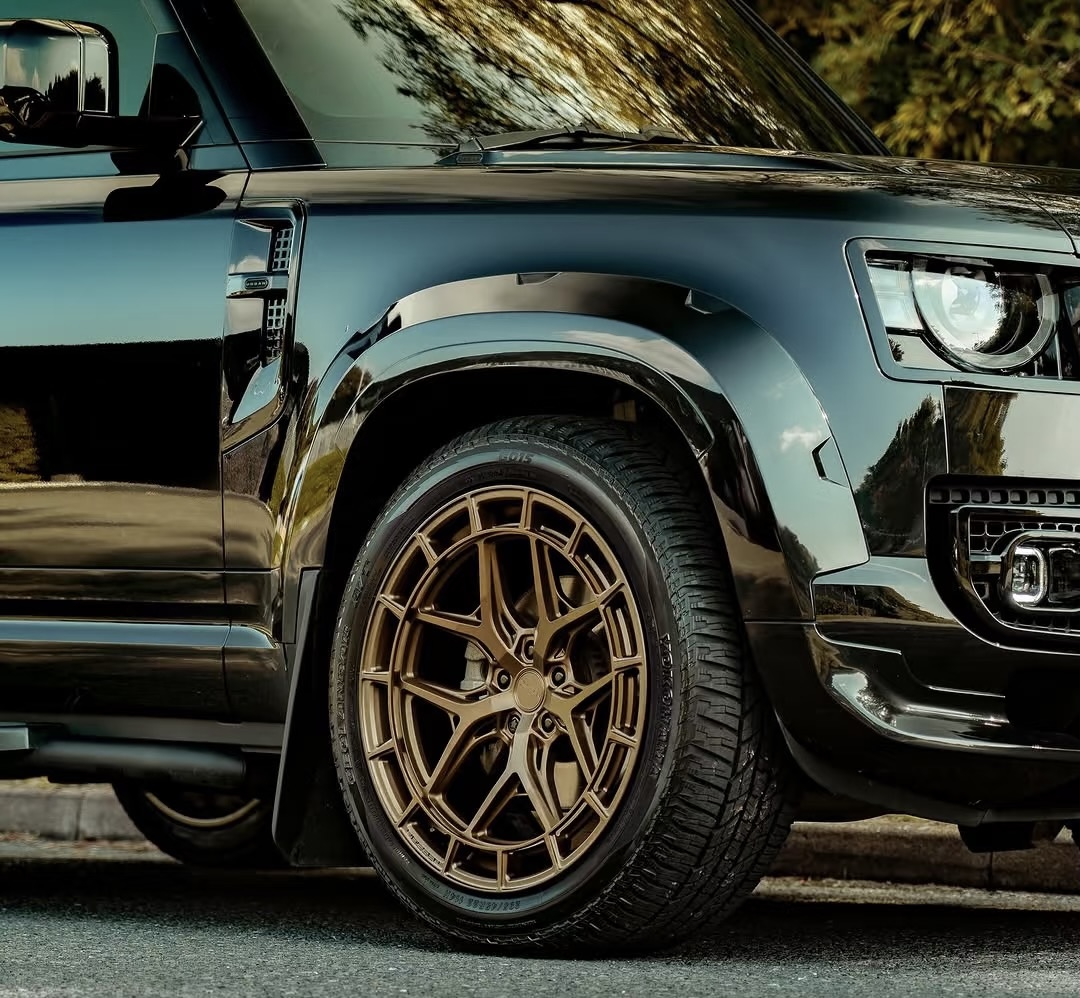
Wheels Steelies: Why They Remain a Smart Choice for Everyday and Winter Driving
Wheels Steelies: Why They Remain a Smart Choice for Everyday and Winter Driving
If you have spent any time browsing automotive forums, prepping your vehicle for a harsh winter, or looking for a rugged off-road setup, you have likely run into the term wheels steelies.
For years, aluminum alloy wheels have dominated the automotive industry, praised for their sleek designs and lightweight performance. However, a growing community of daily commuters, winter drivers, and overland enthusiasts are turning their attention back to the classics.
But what exactly makes wheels steelies so special, and why are they experiencing such a massive resurgence in the modern automotive world?
In this comprehensive analysis, we will break down everything you need to know about steel wheels, compare them directly to alloy alternatives, and help you determine if they are the right investment for your vehicle.
1.What Are Wheels Steelies?
To put it simply, wheels steelies (commonly referred to simply as “steelies”) are automotive wheels manufactured from stamped steel rather than cast or forged aluminum alloy.
Featured Snippet Answer:
Wheels steelies are traditional automotive rims made from stamped steel. Unlike cosmetic alloy wheels, steelies are constructed by stamping heavy-duty steel into two separate pieces—the rim and the face—and welding them together. They are highly valued by drivers for their exceptional structural durability, low cost, easy repairability, and superior performance in harsh winter conditions.
Traditionally, steelies were the standard factory equipment on almost every vehicle rolling off the assembly line. Today, they are often found as the base-model option on trucks, commercial vans, and economy cars, or purchased as a secondary set of wheels specifically for winter tires.
How Steel Wheels Are Made
The manufacturing process of steel wheels contributes significantly to their unique physical properties:
-
Stamping: Sheet steel is cut and pressed into shape using high-pressure industrial stamps. One stamp creates the outer barrel (the rim), while another creates the center face (the spider).
-
Welding: The center face is pressed into the barrel and precision-welded along the circumference to create an incredibly rigid, single-piece structure.
-
Finishing: Because raw steel is highly susceptible to rust, steelies are finished with a durable layer of black or silver powder coat, e-coat, or specialized automotive paint to protect the metal from moisture and road salt.
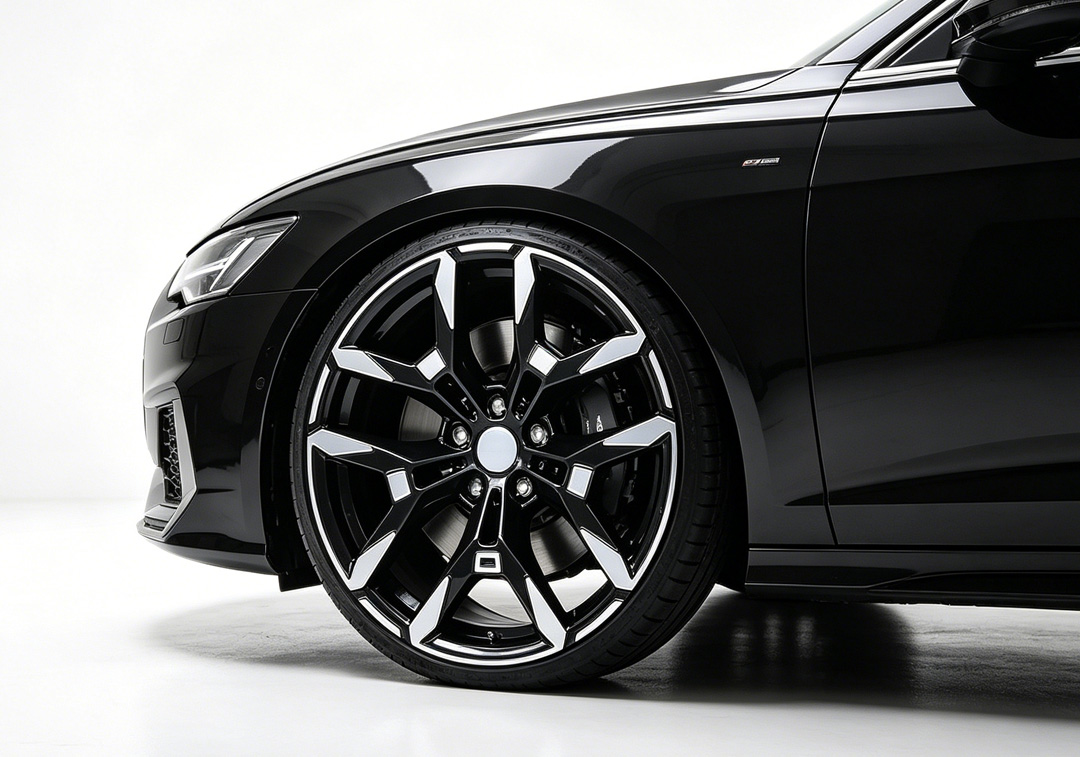
2.Wheels Steelies vs. Alloy Wheels: A Direct Comparison
When upgrading your vehicle or buying a secondary set of rims, the main decision comes down to steel vs. alloy. Both materials serve distinctly different purposes.
To help you visualize the differences, we have broken down the core characteristics of wheels steelies versus aluminum alloy wheels below.
| Feature | Wheels Steelies (Steel Rims) | Aluminum Alloy Wheels |
|---|---|---|
| Material Composition | Stamped and welded heavy-duty steel | Cast or forged aluminum & silicon alloy |
| Average Cost | Highly affordable ($50–$100 per wheel) | Moderate to expensive ($150–$500+ per wheel) |
| Weight | Heavy (Provides lower center of gravity) | Lightweight (Improves handling & acceleration) |
| Impact Resistance | Extremely high; bends under extreme force | Moderate; cracks or shatters under extreme force |
| Repairability | Easy to hammer back into shape | Difficult/Expensive; requires specialized welding |
| Winter & Salt Tolerance | Excellent (Powder coat protects the steel) | Vulnerable to salt corrosion and finish pitting |
| Aesthetic Variety | Minimalist, utilitarian, classic industrial | Highly customizable, diverse spoke designs |
3.Why Drivers Are Choosing Steelies: The Core Benefits
While they may lack the intricate, aggressive spoke designs of modern aftermarket alloys, wheels steelies offer a distinct set of functional advantages that alloys simply cannot match.
1. Unmatched Structural Durability
The primary reason professional fleet operators and off-roaders rely on steelies is their sheer strength. Aluminum is a brittle metal; when an alloy wheel hits a deep pothole or a jagged rock at high speed, the impact energy often causes the metal to crack or shatter completely.
Steel, on the other hand, is highly malleable. Under the exact same extreme impact, a steelie will simply bend. A bent wheel retains air much better than a cracked wheel, allowing you to safely drive home or reach a repair shop.
2. Effortless and Low-Cost Repairability
If you manage to bend the lip of a steel wheel while off-roading or hitting a winter pothole, the fix is incredibly straightforward. In many cases, a technician (or even you, in an emergency trail scenario) can use a heavy mallet or a specialized rim-straightening tool to hammer the steel lip back into its original shape. If an alloy wheel cracks, it requires expensive specialized TIG welding or must be thrown away entirely.
3. Maximum Cost-Efficiency
From a financial perspective, nothing beats wheels steelies. Because the manufacturing process is streamlined and the raw materials are highly accessible, steel wheels cost a fraction of the price of aluminum alloys. This makes them the perfect choice for drivers who need a functional wheel without paying a premium for aesthetics.
4. Ideal Performance in Harsh Winter Climates
There is a reason why millions of drivers across the northern United States and Canada swap out their beautiful alloy wheels every November.
-
Salt Resistance: Road salt and liquid de-icers used by highway crews quickly eat away at the clear coat of aluminum wheels, causing unsightly white corrosion and pitting. High-quality steelies feature tough powder coatings that resist chemical corrosion.
-
Added Weight for Traction: The natural weight of steel wheels presses the vehicle’s tires harder into the road surface. This extra downward force helps bite through deep snow and slush, providing noticeably better traction.
4.The Trade-Offs: What to Consider Before Buying
To maintain absolute transparency, it is vital to acknowledge that steel wheels are not perfect for every driving scenario. There are a few engineering trade-offs you must accept when mounting steelies on your ride.
-
Increased Unsprung Weight: Because steel is significantly denser than aluminum, steelies add weight to your vehicle’s suspension system. This increased unsprung mass means your suspension components have to work slightly harder to damp road imperfections.
-
Slightly Reduced Fuel Economy: Turning a heavier wheel requires more energy. While the difference is often negligible during long-distance highway cruising, a vehicle equipped with heavy steel wheels may see a very slight drop in city miles per gallon (MPG) due to the extra energy required to accelerate from a complete stop.
-
Limited Aesthetic Styles: If you want a complex multi-spoke, mesh, or deep-dish directional look, steelies will not satisfy you. They offer a raw, industrial, form-follows-function aesthetic. However, many truck owners and custom car builders actually prefer this retro, aggressive look.
-
Brake Clearance Limitations: Steel wheels are typically stamped in standard sizes (such as 15-inch, 16-inch, and 17-inch variants). If your vehicle is equipped with massive aftermarket brake calipers or high-performance sport brakes, a standard steelie might not offer enough internal clearance to fit over the brake setup.
5.Best Applications for Wheels Steelies
Are you wondering if your specific vehicle setup would benefit from a swap to steel wheels? Here are the four scenarios where steelies are considered the absolute best choice by automotive experts.
Winter Tire Setups
Instead of paying a tire shop to dismount your all-season tires from your factory alloys and mount dedicated winter tires every single year (which damages the tire bead over time), buy a dedicated set of winter steelies. You can mount your winter tires on the steelies permanently, allowing you to swap your own wheels in your garage whenever the first snow falls.
Off-Roading and Overlanding
When you are deep in the backcountry, miles away from cell phone service, a wheel failure can turn into a survival situation. Off-roaders love steel wheels because they can take a brutal beating from trail rocks, tree roots, and deep ruts without catastrophic failure.
Commercial and Fleet Vehicles
Delivery vans, work trucks, and utility vehicles operate under grueling daily conditions. Fleet managers overwhelmingly prefer steel wheels because they keep operational and maintenance costs incredibly low while maximizing vehicle uptime.
Budget-Conscious Daily Driving
If you drive an older economy vehicle or a daily commuter car and simply need a reliable, safe wheel to get from point A to point B, steelies provide the ultimate peace of mind without breaking the bank.
6.Maintenance and Care: Maximizing the Lifespan of Your Steelies
With a small amount of preventative maintenance, high-quality steel wheels can easily outlast the vehicle they are mounted on. Follow these practical care tips to keep your steelies in pristine condition:
[ Wash Frequently ] ➔ Removes corrosive road salt and abrasive brake dust
        │
        ▼
[ Inspect Finish ]  ➔ Check for rock chips, scratches, or exposed bare metal
        │
        ▼
[ Touch-Up Paint ]  ➔ Apply rust-inhibitive primer and spray paint to exposed spots
        │
        ▼
[ Fluid Film / Wax ]➔ Apply a protective barrier layer prior to winter driving
-
Wash Away Road Salt Promptly: During the winter months, make it a habit to spray down your wheels at least once every two weeks to remove built-up road salt, grime, and brake dust.
-
Address Paint Chips Immediately: If a rogue pebble chips the powder coat on your steelie, the exposed bare steel will eventually begin to oxidize. Keep a small can of rust-inhibitive black gloss or satin spray paint in your garage. Lightly sand the chipped area, clean it with rubbing alcohol, and apply a quick touch-up coat to seal out moisture.
-
Apply a Seasonal Protective Coating: Before mounting your steelies for the winter season, spray them down with a high-quality automotive wax or a specialized anti-corrosion barrier like Fluid Film. This creates a microscopic shield that repels water and salt.
Frequently Asked Questions (FAQ)
1.What are wheels steelies?
Wheels steelies are simply automotive rims constructed from heavy-duty stamped and welded steel rather than aluminum alloy. They are highly valued for their exceptional structural durability, low cost, and reliable performance.
2.Are steelies better than alloy wheels?
It entirely depends on what you value most. Steelies are superior when it comes to raw strength, impact resistance, ease of repair, and affordability. Alloy wheels are superior if you prioritize lightweight performance, maximum fuel efficiency, and high-end aesthetic designs.
3.Why do people use steelies in winter?
Drivers use steelies in the winter to safeguard their expensive, cosmetic factory alloy wheels from the destructive effects of road salt, chemicals, and hidden potholes. Additionally, the extra weight of steel wheels helps press the tires into snow, increasing overall traction.
4.Are steel wheels heavier than alloy wheels?
Yes, steel wheels are significantly heavier than aluminum alloy wheels of the same size. While this extra weight can slightly lower city fuel economy and make steering feel a bit heavier, it vastly improves the wheel’s resistance to cracking under heavy impacts.
5.How long do steel wheels last?
With basic maintenance, a high-quality set of steel wheels can easily last for decades. The key to maximizing their lifespan is preventing deep rust by washing them regularly and touching up any paint chips or scratches as soon as they appear.
6.Can I put hubcaps on wheels steelies?
Yes. One of the great benefits of standard steel wheels is that their uniform design allows you to easily snap on aftermarket plastic hubcaps (wheel covers). This allows you to completely alter the look of your vehicle at a minimal cost.
Elevate Your Ride with Premium Wheels
Finding the perfect balance between rugged durability and elite performance does not have to be a guessing game. Whether you are looking for ultra-tough wheels to survive the toughest winter conditions or premium upgrades to enhance your vehicle’s stance and capabilities, choosing the right source matters.
Explore an extensive selection of high-performance wheels engineered to handle the demands of the modern road. Visit ATK Wheels today to browse top-tier inventory, compare structural designs, and find the perfect fitment for your vehicle!