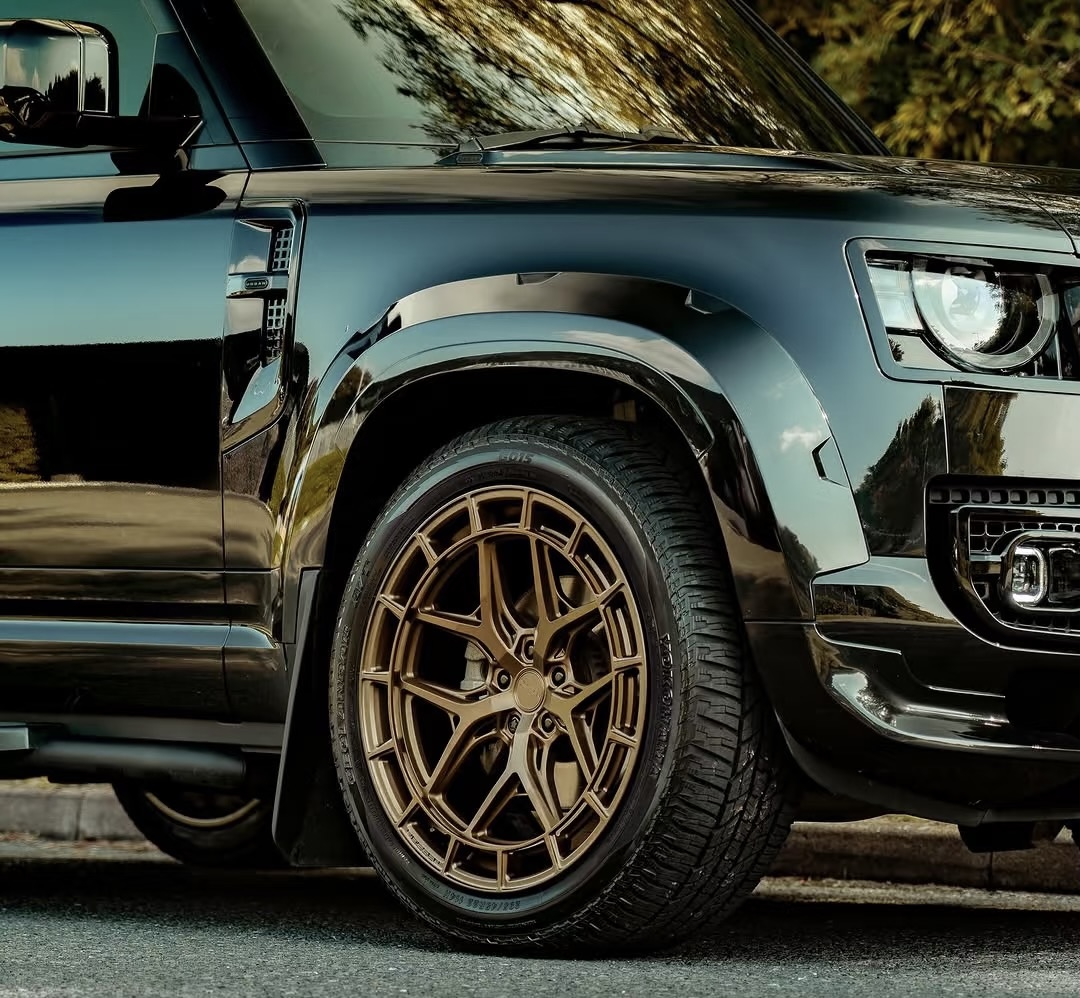
Wheels and Accessories: The Perfect Combination of Style, Function, and Performance
Wheels and Accessories: The Perfect Combination of Style, Function, and Performance
Upgrading your vehicle’s stance and performance involves more than just picking a stylish set of rims. To achieve the perfect balance of aesthetics, safety, and handling, you must understand how wheels and accessories work together as a complete ecosystem.
Whether you are hitting the track, prepping an off-road rig, or elevating your daily driver, every component—from the center caps to the valve stems—plays a critical role. This comprehensive breakdown explores how to select the right components, ensure flawless fitment, and maximize your automotive investment.
1.What Accessories Are Needed for New Wheels?
When purchasing aftermarket rims, the factory hardware rarely carries over seamlessly. To ensure proper fitment, safety, and a clean appearance, a specific kit of accompanying hardware is essential.
Core Hardware Components
-
Lug Nuts or Bolts: Standard factory lug nuts often feature a wide, conical seat that will not fit into the narrower, recessed lug holes of aftermarket rims. Upgrading to tuner-style lug nuts or spline-drive bolts ensures a secure, flush fit.
-
Hub-Centric Rings: Most aftermarket rims are manufactured with a large center bore to fit a wide range of vehicles. Hub-centric rings bridge the gap between your vehicle’s specific hub diameter and the wheel’s center bore, eliminating high-speed vibrations.
-
Valve Stems and TPMS Sensors: New builds require reliable air retention. Swapping out old valve stems for durable metal or rubber variants is highly recommended. Additionally, modern vehicles must have compatible Tire Pressure Monitoring System (TPMS) sensors synced to the onboard computer to keep safety systems active.
Aesthetic and Security Additions
-
Center Caps: These protect the hub assembly from dirt, moisture, and road debris while providing a clean, branded finish to the face of the rim.
-
Wheel Locks: To safeguard your investment from theft, replacing one standard lug nut per corner with a unique, keyed wheel lock is an effective security measure.
2.How to Choose the Right Wheels and Accessories for Your Car
Selecting aftermarket upgrades requires balancing engineering specifications with visual design. A mismatch in measurements can cause severe issues, such as tires rubbing against fenders or brake calipers clipping the inner barrel.
Critical Fitment Specifications
To make an informed decision, you must analyze five primary technical metrics:
-
Bolt Pattern (PCD): The count and diameter of the lug holes (e.g., $5 \times 114.3$ or $5 \times 120$). This must match your vehicle’s hub perfectly.
-
Size (Diameter and Width): Increasing width allows for a wider tire contact patch, improving traction, but requires careful clearance checks.
-
Offset: Measured in millimeters, offset determines how far inward or outward the rim sits relative to the mounting centerline.
-
Backspacing: The distance from the mounting surface to the back edge of the rim, crucial for suspension clearance.
-
Load Rating: The maximum weight a rim can safely support. Heavy SUVs and trucks require significantly higher load ratings than lightweight sports cars.
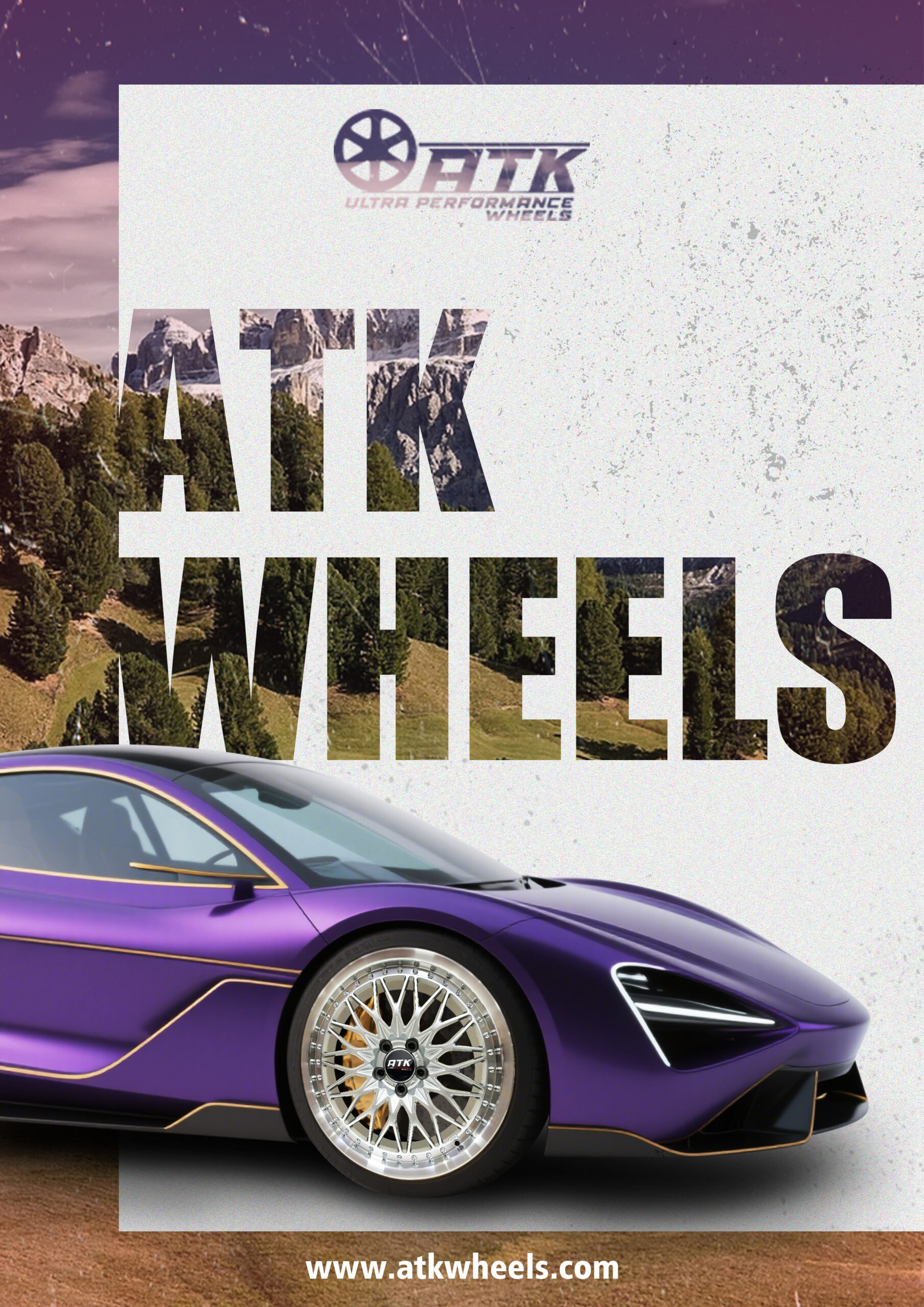
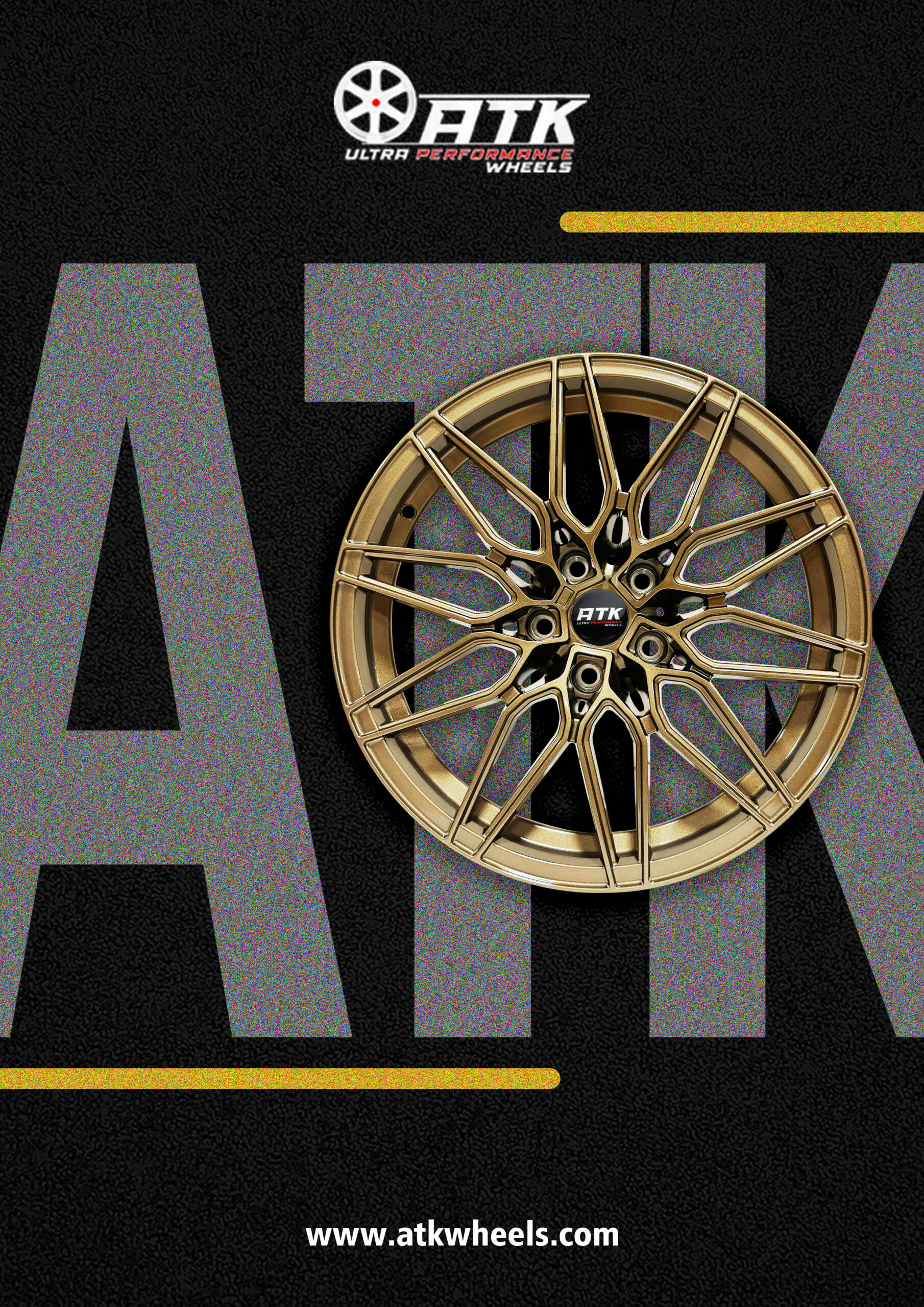
Industry Insight: Always cross-reference your vehicle’s factory clearance limitations before moving to an aggressive, concave profile or a wider stance. For premium options engineered to rigorous structural standards, explore precision-milled collections like those found at ATK Wheels.
3.Technical Comparison: Standard vs. Performance Upgrades
| Component | Factory / OEM Standard | High-Performance Aftermarket | Primary Benefit |
|---|---|---|---|
| Material Process | Cast Aluminum or Steel | Forged or Flow-Formed Aluminum | Reduced unsprung weight, higher structural density |
| Lug Nuts | Bulk Hex Nuts (Open/Closed) | Forged Steel or Titanium Spline-Drive | Enhanced stripping resistance, sleeker profile |
| Hub Alignment | Lug-Centric (often imprecise) | Hub-Centric Rings (Hub-focused) | Eliminates steering wheel vibration at highway speeds |
| Valve Stems | Snap-in Rubber | Bolt-in Anodized Aluminum | High-pressure stability, prevents dry-rot leaks |
4.Can Wheel Accessories Improve Driving Performance?
While rims dictate the primary structural strengths of your setup, specific wheels and accessories directly influence driving dynamics, handling predictability, and track stability.
Weight Reduction and Handling
Upgrading to lightweight hardware, such as titanium lug nuts or forged aluminum components, reduces unsprung mass. Lower unsprung weight allows your vehicle’s suspension to react more rapidly to road imperfections, directly sharpening steering response and improving cornering grip.
Stance and Stability with Spacers
High-quality, hub-centric wheel spacers are frequently used to adjust track width or clear oversized big-brake kits.
-
Widened Track: Pushing the outer edge out flattens the roll center during aggressive cornering.
-
Proper Clearance: Spacers prevent wider tires from rubbing against inner suspension struts or frame rails.
5.Are Aftermarket Wheels and Accessories Safe?
Yes, premium aftermarket components are exceptionally safe, provided they are engineered to international safety standards and installed with correct torque values.
Manufacturing Standards to Look For
When vetting brands, verify that products comply with recognized testing institutions:
-
JWL / VIA: Japanese safety standards verifying structural load capacity, impact resistance, and rotational bending fatigue.
-
TÜV: Rigorous European certification validating factory quality control and strict vehicle-specific fitment parameters.
-
SAE: Society of Automotive Engineers guidelines governing material integrity and stress thresholds.
The Role of Correct Installation
Even the strongest forged rim can fail if the supporting accessories are installed incorrectly. Using a calibrated torque wrench to tighten lug nuts to exact foot-pound ($ft\text{-}lbs$) factory specifications ensures the clamping force is evenly distributed across the brake rotor, preventing warping and thread stripping.
6.Maintenance: How Often Should Components Be Inspected?
To maintain structural integrity and flawless cosmetics, establish a regular inspection schedule. Road salts, brake dust, and vibrational stress can degrade components over time.
Recommended Maintenance Protocol
-
Initial Re-Torque: Always re-torque your lug nuts after driving the first 50 to 100 miles on a new setup. Components can settle slightly during initial heat cycles.
-
Routine Visual Checks: Every 3,000 miles, or during every oil change, inspect for hairline cracks, bent lips, or missing balance weights.
-
Corrosion Control: Clean your setup regularly with pH-balanced wheel cleaners. Avoid harsh acids that can pit polished lips, strip clear coats, or corrode anodized aluminum valve stems.
Frequently Asked Questions(FAQ)
1.What happens if I use the wrong lug nut seat type?
Using mismatched lug seats (such as a ball-seat lug nut in a cone-seat aftermarket hole) prevents the hardware from seating flush. This creates uneven clamping force, which can lead to the lug nuts backing out over time, potentially causing catastrophic structural failure while driving.
2.Why does my steering wheel shake after putting on new rims?
Steering wheel vibration at high speeds is usually caused by a missing hub-centric ring or an imprecise wheel balance. Because most aftermarket designs feature a universal center bore, a hub-centric ring is required to perfectly center the rim on your vehicle’s hub assembly.
3.Can I reuse my factory TPMS sensors on aftermarket rims?
In most cases, yes. Factory TPMS sensors can be transferred to new rims, provided the valve stem angle of the new design accommodates the sensor body. If the original sensors are more than five years old, replacing them during the new install saves on future labor costs.
4.What is the difference between hub-centric and lug-centric designs?
Hub-centric designs rely on the vehicle’s center hub lip to bear the vertical weight of the car, utilizing lugs solely to clamp the assembly together. Lug-centric designs rely entirely on the studs to support the weight and center the assembly, which increases stress on the hardware and can lead to vibrations.
Elevate Your Driving Experience
Upgrading your vehicle is a precise balancing act where design meets mechanical necessity. By matching premium wheels and accessories tailored to your exact make and model, you unlock sharper handling, enhanced track safety, and a commanding road presence. Ready to transform your build? Explore engineered, street-tested options designed for maximum performance and style at ATK Wheels.