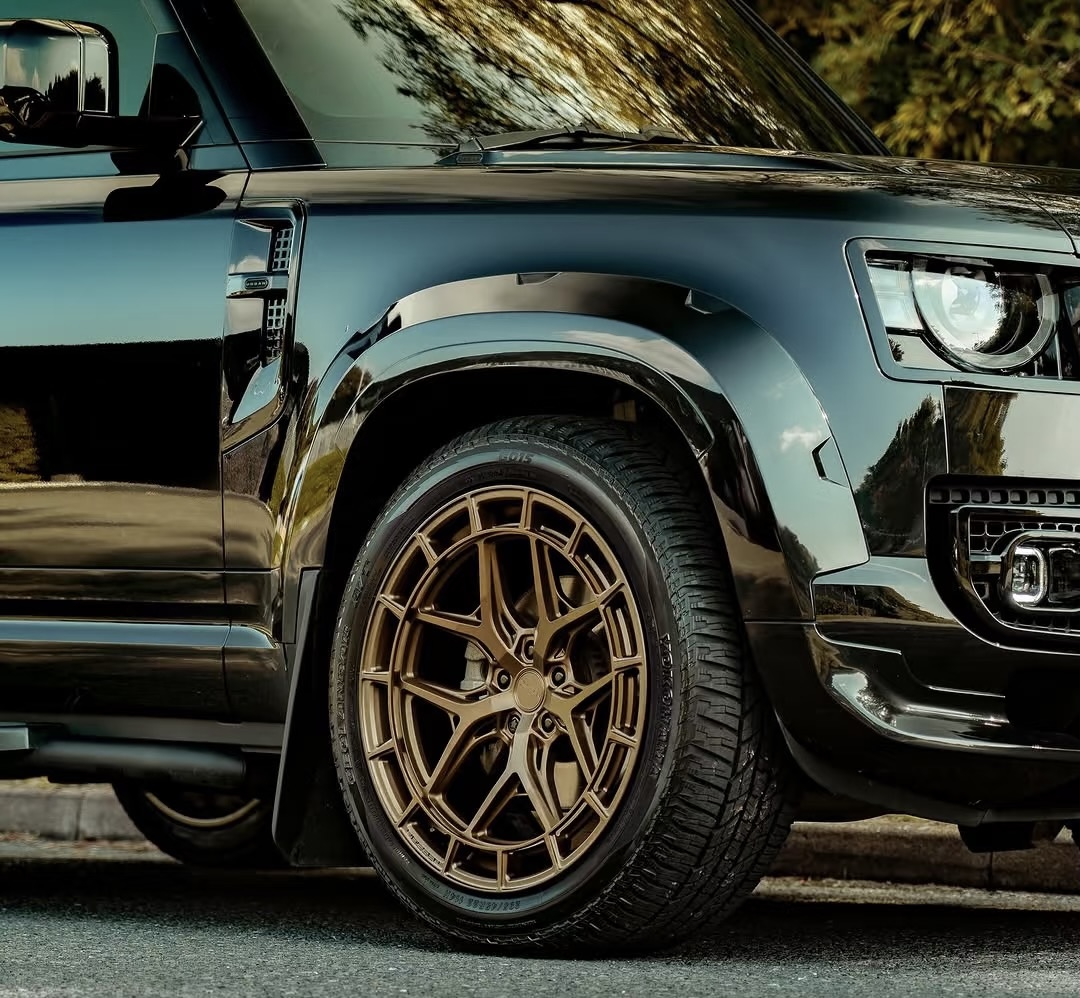
What is a Car Wheel Hub? A Complete Beginner’s Guide Meta Description
What is a Car Wheel Hub? A Complete Beginner’s Guide Meta Description
🚗Confused about car wheel hubs?🚗
Learn what a wheel hub is, how it works, common parts, symptoms of a bad wheel hub, and why it’s critical for your vehicle’s safety and performance.
If you’re new to cars, you’ve probably heard the terms wheel hub, rim, wheel bearing, and wheel assembly thrown around—but what do they actually mean? For beginner car owners, understanding the wheel hub is essential: it’s one of the most important safety components on your vehicle.
In this simple guide, we’ll break down what a car wheel hub is, what it does, common parts, signs of failure, and why it matters for safe driving.
🟢What Exactly Is a Car Wheel Hub?
A car wheel hub (wheel hub assembly) is the central component that connects your wheel to the car’s axle or suspension. It’s the metal core your wheel bolts directly onto—and it allows the wheel to spin smoothly while supporting the entire weight of your vehicle.
You’ll find the wheel hub behind each wheel. When you remove a tire and rim, the wheel hub is the metal piece with studs (lug bolts) sticking out.
Key Parts of a Wheel Hub Assembly
Modern wheel hubs are usually pre-assembled, sealed units that include:
- Wheel Bearing:The internal part that lets the hub spin smoothly (contains metal balls/rollers and grease).
- Hub Flange:The main metal body with wheel studs to mount the wheel and brake rotor.
- Wheel Studs/Lugs:Bolts that secure the wheel to the hub.
- ABS Sensor Ring (most new cars):Sends wheel speed data to your car’s ABS and traction control system.
Wheel Hub vs. Rim vs. Wheel: What’s the Difference?
Many beginners mix these up—here’s the simple breakdown:
- Wheel Hub:The center part that mounts to the axle (holds the bearing).✅
- Rim:The outer circular edge that holds the tire.✅
- Wheel:The entire unit (hub + rim + spokes) that the tire fits on.✅
🟢What Does a Wheel Hub Do? 5 Critical Functions
Your wheel hub does far more than “hold the wheel on.” It’s vital for:
- Support Vehicle WeightCarries the full weight of your car, passengers, and cargo.
- Enable Smooth Wheel RotationWorks with the wheel bearing to let wheels spin freely with minimal friction.
- Secure the Wheel & Brake RotorProvides the mounting surface for both the wheel and brake disc/rotor.
- Maintain Alignment & StabilityKeeps the wheel properly positioned for straight, stable driving.
- Send ABS/Traction Control DataThe built-in sensor tells your car’s computer how fast each wheel is turning (critical for safe braking and handling).
🟢Common Symptoms of a Bad or Failing Wheel Hub
Over time (usually 85,000–100,000 miles), wheel hubs wear out. Watch for these warning signs:
- Grinding/Growling Noise:Loud humming/whirring that gets louder at highway speeds.
- Steering Wheel Vibration:Shaking felt in the wheel, especially when turning.
- ABS Warning Light:Illuminates on your dashboard.
- Wheel Wobble/Play:Excess movement when you shake a lifted wheel.
- Uneven Tire Wear:Irregular tread wear from misalignment.
- Hot Wheels:Excessive heat around the wheel area after driving.
If you notice any of these, don’t delay—a failed wheel hub can cause a wheel to detach while driving.
🟢What Does a Wheel Hub Do? 5 Critical Functions
Your wheel hub does far more than “hold the wheel on.” It’s vital for:
- Support Vehicle WeightCarries the full weight of your car, passengers, and cargo.
- Enable Smooth Wheel RotationWorks with the wheel bearing to let wheels spin freely with minimal friction.
- Secure the Wheel & Brake RotorProvides the mounting surface for both the wheel and brake disc/rotor.
- Maintain Alignment & StabilityKeeps the wheel properly positioned for straight, stable driving.
- Send ABS/Traction Control DataThe built-in sensor tells your car’s computer how fast each wheel is turning (critical for safe braking and handling).
🟢Common Symptoms of a Bad or Failing Wheel Hub
Over time (usually 85,000–100,000 miles), wheel hubs wear out. Watch for these warning signs:
- Grinding/Growling Noise:Loud humming/whirring that gets louder at highway speeds.
- Steering Wheel Vibration:Shaking felt in the wheel, especially when turning.
- ABS Warning Light:Illuminates on your dashboard.
- Wheel Wobble/Play:Excess movement when you shake a lifted wheel.
- Uneven Tire Wear:Irregular tread wear from misalignment.
- Hot Wheels:Excessive heat around the wheel area after driving.
If you notice any of these, don’t delay—a failed wheel hub can cause a wheel to detach while driving.
🟢Why Wheel Hub Quality Matters for Beginners
As a new car owner, you might be tempted to buy the cheapest replacement parts—but wheel hubs are not the place to cut corners.
- Safety:A faulty hub leads to loss of control, brake failure, or wheel separation.
- Ride Quality:Bad hubs cause vibration, noise, and poor handling.
- Long-Term Cost:Cheap hubs wear out faster and damage tires/suspension.
💡Final Thoughts💡
The car wheel hub is the unsung hero of your vehicle’s safety and performance. It connects your wheels to the car, enables smooth driving, and works with your brakes and ABS system.
Now you know:
- What a wheel hub is and how it differs from a rim✅
- Its 5 critical jobs✅
- The warning signs of a failing hub✅
- Next time you hear “wheel hub assembly,” you’ll know exactly what it means—and why it matters.✅