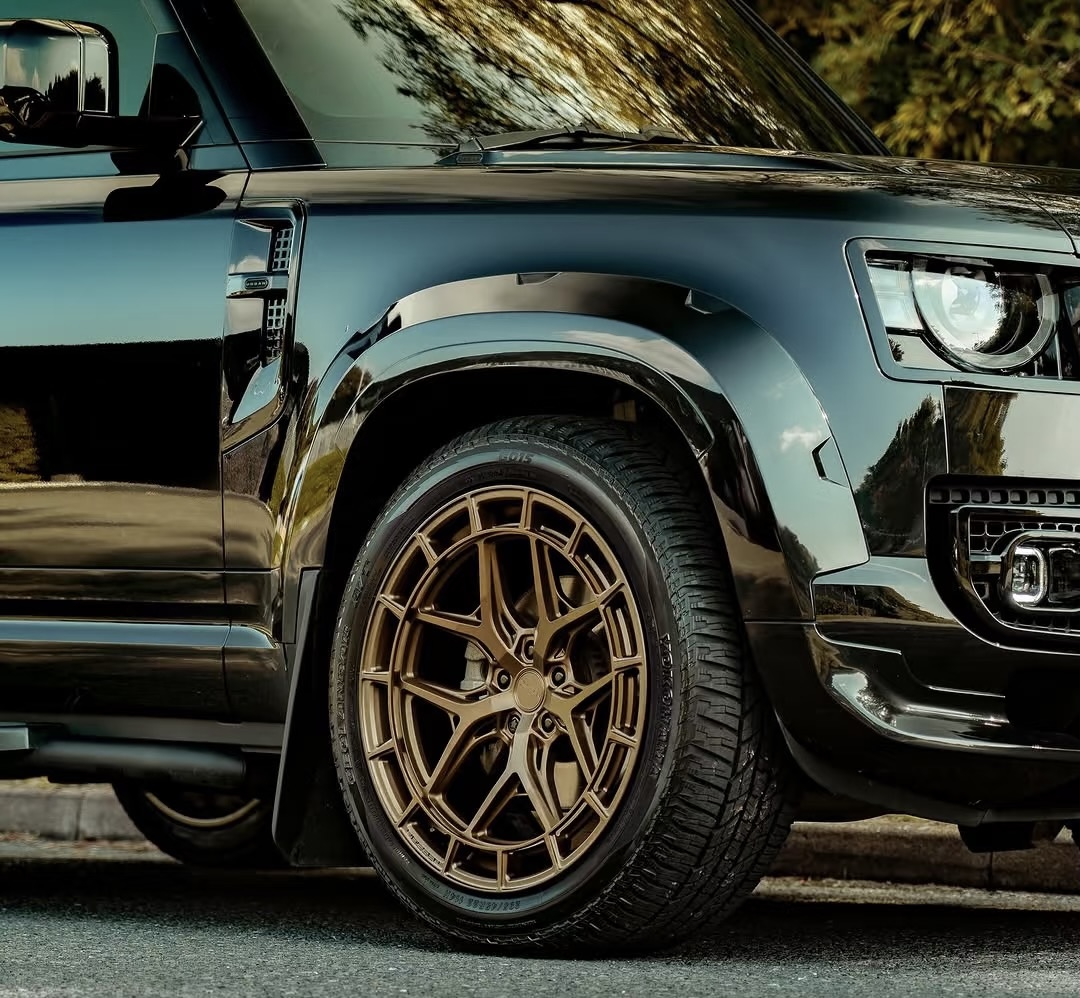
Truck Wheels and Tires: Choosing the Right Setup for Your Truck
Truck Wheels and Tires: Choosing the Right Setup for Your Truck
Upgrading your truck wheels and tires is one of the most effective ways to transform how your vehicle looks, handles, and performs. Whether you haul heavy equipment to work sites, navigate rocky trails on weekends, or commute down long stretches of highway, the right setup makes all the difference.
However, with thousands of combinations available—spanning offset variations, load ratings, terrain tread patterns, and wheel materials—finding the perfect setup can feel overwhelming. Choosing incorrectly leads to uneven tread wear, reduced fuel efficiency, clearance issues, or compromised towing safety.
This comprehensive reference breaks down everything you need to know about selecting, fitting, and maintaining truck wheels and tires so you can make a confident, well-informed investment.
1.What Are Truck Wheels and Tires?
Truck wheels and tires are heavy-duty wheel assemblies and specialized rubber compounds engineered specifically to support larger payloads, higher ground clearance, and demanding driving conditions. Unlike standard passenger car setups, truck wheels feature reinforced load ratings, while truck tires utilize thicker sidewalls and aggressive tread patterns designed for towing, off-road traction, and severe durability.
2.Why Upgrading Your Truck Wheel and Tire Setup Matters
Factory wheels and tires are designed as a compromise. Automobile manufacturers pick stock setups that deliver smooth, quiet rides while keeping production costs low. While functional for average driving, standard setups often fall short when pushed beyond daily commuting.
Upgrading your setup unlocks several key benefits:
-
Enhanced Towing and Payload Capacity: Upgraded wheel load ratings and higher-ply tires allow your vehicle to handle heavy trailers and bed cargo safely.
-
Superior Off-Road Traction: Specialized tread designs bite into mud, loose gravel, snow, and sand where highway tires slip.
-
Improved Stance and Aesthetics: A wider wheel offset paired with larger tires gives your vehicle a grounded, aggressive appearance.
-
Increased Ground Clearance: Pairing larger tires with a suspension lift or leveling kit protects your undercarriage from rocks and deep ruts.
3.Deciphering Tire Types: Matching Tread to Your Terrain
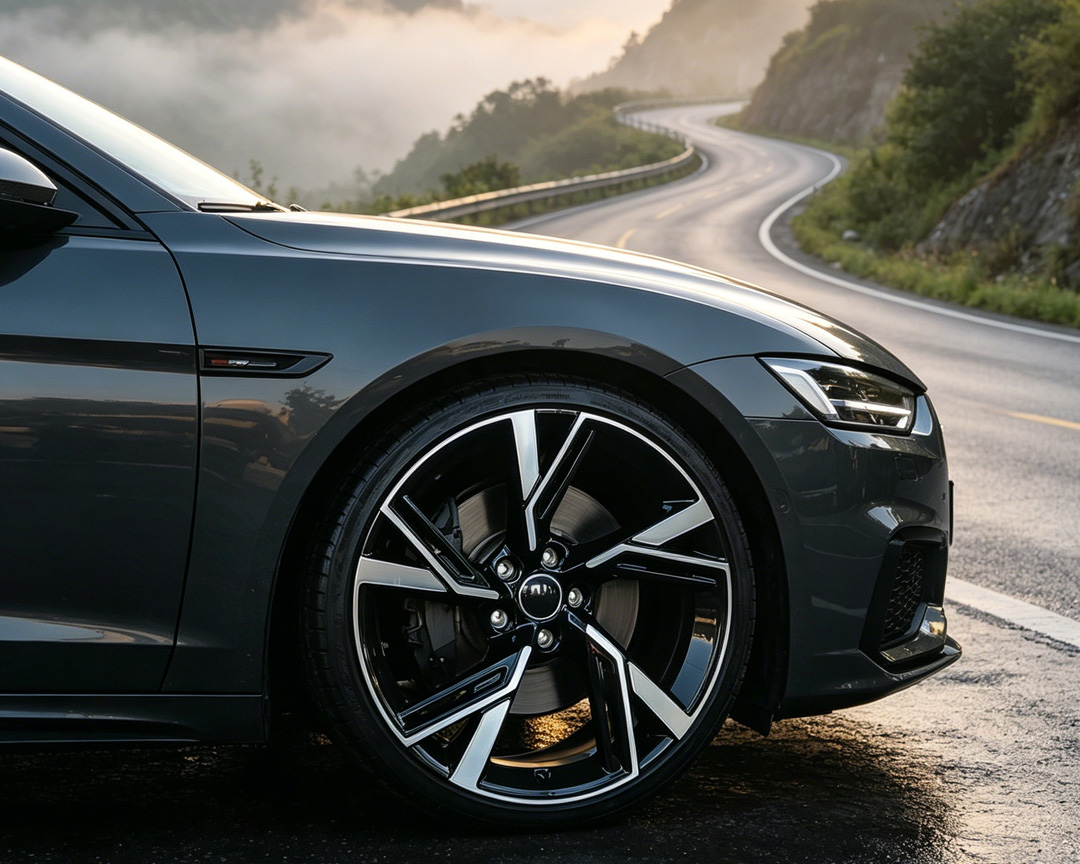
Tires are not one-size-fits-all. Selecting the right tire tread depends heavily on where you spend most of your driving time.
+-------------------------------------------------------------------+
|                        TIRE TERRAIN SPECTRUM                      |
|                                                                   |
| [ Highway Terrain ] --> [ All-Terrain ] --> [ Rugged / Mud ]      |
|  Smooth & Quiet        Balanced Utility     Maximum Traction  |
+-------------------------------------------------------------------+
1. Highway Terrain (H/T) Tires
H/T tires are engineered primarily for asphalt driving. They feature closed shoulder designs and dense siping to channel water away, offering a quiet ride, exceptional wet traction, and optimized fuel economy.
-
Best For: Daily commuters, long-distance highway driving, and commercial trucks spending 90%+ time on pavement.
-
Pros: Long tread life, low road noise, superior gas mileage.
-
Cons: Poor traction in deep mud or off-road conditions.
2. All-Terrain (A/T) Tires
A/T tires represent the ideal middle ground for daily drivers who love weekend adventures. They incorporate open shoulder blocks and tougher rubber compounds without sacrificing highway comfort.
-
Best For: Drivers who split time between daily highway travel, light trails, gravel roads, and winter weather.
-
Pros: Versatile traction, rugged looks, acceptable noise levels.
-
Cons: Wearing faster than H/T tires under heavy highway mileage.
3. Mud-Terrain (M/T) Tires
Built for extreme terrain, M/T tires feature wide tread voids, deep shoulder lugs, and reinforced 3-ply sidewalls designed to puncture-proof your journey through sharp rocks and deep mud.
-
Best For: Serious off-roaders, rock crawlers, and extreme mud environments.
-
Pros: Unmatched off-road traction and aggressive styling.
-
Cons: High road noise, stiffer ride, reduced wet pavement stopping distance.
4. Rugged Terrain (R/T) Tires
A relatively recent category, R/T tires bridge the gap between A/T and M/T options. They feature an aggressive mud-terrain sidewall with a slightly tighter center tread pattern for manageable highway noise.
-
Best For: Truck owners who want maximum off-road appearance and trail capability without full M/T road noise.
4.Truck Tire Comparison Overview
| Tire Category | Highway Comfort | Off-Road Traction | Tread Life Expectancy | Towing Suitability | Primary Use Case |
|---|---|---|---|---|---|
| Highway Terrain (H/T) | Excellent | Poor | 50,000 – 80,000 Miles | High | Daily Commute & Towing |
| All-Terrain (A/T) | Good | Very Good | 45,000 – 65,000 Miles | Very High | Daily Drive + Weekend Trail |
| Rugged Terrain (R/T) | Moderate | High | 40,000 – 55,000 Miles | High | Overlanding & Mixed Off-Road |
| Mud-Terrain (M/T) | Fair | Extreme | 30,000 – 45,000 Miles | Moderate | Mud, Rocks & Heavy Off-Road |
5.Understanding Wheel Materials and Construction
Selecting the right wheel material is as crucial as picking the tire tread. Wheels support the total weight of your vehicle and absorb direct impacts from road debris and trail hazards.
Steel Wheels
Steel wheels are stamped from heavy sheet metal and welded together. They are tough, heavy, and budget-friendly.
-
Strengths: Steel bends rather than cracks under extreme impact, making emergency trail repairs possible with a hammer.
-
Weaknesses: Heavy weight increases unsprung mass, slowing acceleration and reducing fuel economy. Limited style options.
Cast Aluminum Alloy Wheels
Cast alloy wheels are made by pouring molten aluminum into a mold. This is the most common aftermarket construction method.
-
Strengths: Light weight, high corrosion resistance, and endless design variations at a reasonable price point.
-
Weaknesses: Under extreme overload or massive rock impacts, cast aluminum can crack rather than bend.
Forged Aluminum Alloy Wheels
Forged wheels are manufactured from solid aluminum billets crushed under massive pressure. This creates an extremely dense molecular structure.
-
Strengths: Unrivaled structural strength, maximum load rating, and extremely light weight.
-
Weaknesses: Higher price tag due to precise manufacturing requirements.
+------------------------------------------------------------------+
|                     WHEEL MATERIAL COMPARISON                    |
|                                                                  |
| STEEL              CAST ALUMINUM            FORGED ALUMINUM      |
| Low Cost           Moderate Cost            Premium Investment   |
| High Weight        Balanced Weight          Ultralight Weight    |
| Bends On Impact    Cracks Under Extreme     Maximum Strength     |
+------------------------------------------------------------------+
6.Crucial Fitment Factors: Offsets, Backspacing, and Bolt Patterns
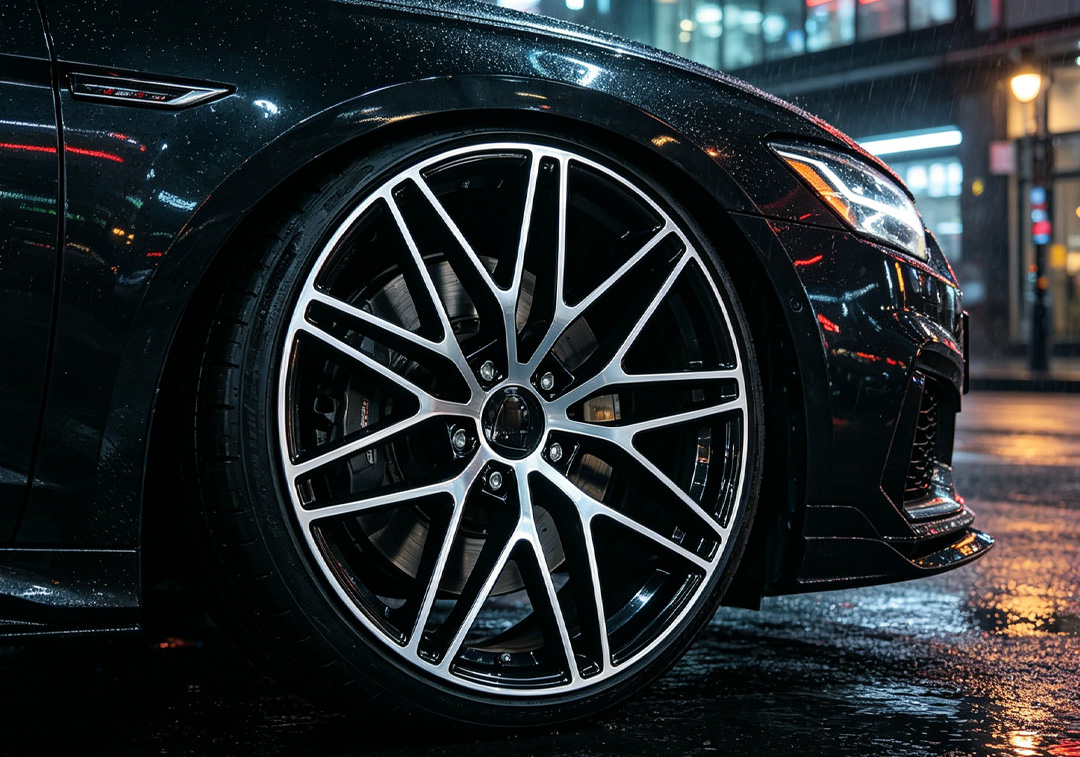
Installing new wheels requires precise geometry to avoid rubbing against brake calipers, suspension struts, or fender liners.
1. Bolt Pattern (Pitch Circle Diameter – PCD)
The bolt pattern indicates how many lug holes a wheel has and the diameter of the imaginary circle they form (e.g., 6×139.7mm or 8x170mm). You must match your vehicle’s factory lug configuration exactly or use hub-centric adapters.
2. Wheel Offset
Offset refers to the distance from the wheel’s mounting surface to its true centerline, measured in millimeters:
-
Positive Offset: The mounting surface sits closer to the outer face. The wheel sits tucked inside the fender well (common on stock trucks).
-
Zero Offset: The mounting surface aligns directly with the center of the wheel.
-
Negative Offset: The mounting surface sits deeper toward the back of the wheel. This pushes the wheel outward beyond the fender, producing a wide stance.
3. Backspacing
Backspacing measures the distance from the mounting surface to the back edge of the wheel rim in inches. Proper backspacing ensures your wider wheels won’t contact internal control arms or sway bar end links during full steering lock.
7.How Truck Wheels Differ From Regular Passenger Car Wheels
It can be tempting to focus strictly on appearance, but mounting passenger car wheels onto a truck poses severe safety risks.
+-------------------------------------------------------------------+
|                        STRUCTURAL DIFFERENCES                     |
|                                                                   |
| PASSENGER CAR WHEEL                  TRUCK WHEEL                  |
| Lightweight design                   Heavy-duty alloy/steel       |
| 1,000 - 1,500 lbs Load Rating        2,200 - 3,500+ lbs Load Rating|
| Standard center bore                 Enlarged hub-centric bore    |
| Designed for speed/mileage           Designed for payload/towing  |
+-------------------------------------------------------------------+
Key engineering differences include:
-
Higher Load Ratings: Truck wheels are rated to hold between 2,200 lbs to over 3,500 lbs per wheel to withstand fully loaded beds and tongue weights from heavy trailers.
-
Thicker Barrel and Spoke Walls: Truck rims use extra aluminum or steel reinforcement to absorb hard impacts on uneven worksites or off-road trails.
-
Hub-Centric Bores: Trucks rely on precise hub dimensions to transfer heavy vehicle mass directly to the axle assembly rather than relying solely on the lug studs.
8.How Bigger Wheels Impact Performance and Towing
Upgrading from standard 17-inch wheels to 20-inch or 22-inch options drastically alters your truck’s driving dynamics.
The Upside of Larger Wheels:
-
Sharper Handling: Shorter tire sidewalls reduce flexing around sharp corners, offering precise steering response.
-
Modern Visual Appeal: Larger rims fill out large wheel wells cleanly.
The Trade-offs of Larger Wheels:
-
Rougher Ride Quality: Less rubber sidewall means less cushion to absorb potholes and highway seams.
-
Increased Rotational Weight: Heavier wheels require more engine power to rotate, decreasing fuel mileage and extending braking distances.
-
Reduced Off-Road Protection: Thin sidewalls leave rim lips vulnerable to trail gouges and rock damage when airing down tire pressures.
Pro Tip: For maximum off-road performance and comfortable towing, pair 17-inch or 18-inch wheels with high-profile tires (33 to 35 inches in total diameter). If your truck stays strictly on the street, 20-inch or 22-inch options deliver slick urban styling.
9.Maintenance Rules to Extend Lifespan
High-quality wheels and tires are an investment. Following these simple maintenance routines ensures maximum tire mileage and keeps wheel finishes looking new.
+-------------------------------------------------------------------+
|                     ROUTINE MAINTENANCE TIMELINE                  |
|                                                                   |
| Every 5,000 - 7,500 Miles:   Rotate Tires (Cross-Pattern)        |
| Every Season Change:        Check Air Pressure (PSI) & Torque Lugs|
| Every 12,000 Miles:          Inspect Wheel Alignment              |
+-------------------------------------------------------------------+
-
Rotate Tires Regularly: Perform tire rotations every 5,000 to 7,500 miles. Trucks apply uneven stress between the front steering axle and rear drive axle.
-
Torque Lug Nuts to Spec: Always use a torque wrench to tighten lug nuts to factory specifications after wheel removal. Over-tightening can warp brake rotors; under-tightening causes lug shearing.
-
Maintain Proper Cold PSI: Under-inflated tires generate excessive heat under heavy loads, causing rapid shoulder wear and potential blowouts.
-
Clean Off Road Salt and Brake Dust: Brake dust and de-icing chemicals corrode clear coats and polished aluminum finishes over time. Wash your wheels regularly with pH-neutral wheel cleaner.
Frequently Asked Questions(FAQ)
1.What size wheels and tires are best for a truck?
The best size depends on your truck model, driving habits, and load requirements. Common wheel sizes range from 17 to 22 inches. For dedicated off-road builds or smooth towing comfort, 17-inch or 18-inch wheels paired with high-profile tires provide the best cushion and rim protection. For highway driving and modern aesthetics, 20-inch setups are popular choices.
2.How do I choose the right tires for my truck wheels?
Choose tires based on your vehicle’s gross vehicle weight rating (GVWR), typical driving terrain, climate, and towing habits. All-terrain tires offer high versatility for combined highway and trail driving. Mud-terrain tires excel in heavy off-road conditions, while highway-terrain tires offer maximum mileage and low noise on paved roads.
3.Are bigger wheels better for trucks?
Not necessarily. While larger wheels improve cornering stability and give your truck an aggressive look, they reduce tire sidewall height. Less sidewall results in a stiffer ride, reduced trail capability, and higher replacement tire costs. Balances should be struck between wheel diameter, tire size, and intended truck usage.
4.What is the difference between truck wheels and regular car wheels?
Truck wheels feature significantly higher load ratings, reinforced spoke structures, and thicker aluminum or steel walls to support heavy vehicle weights, payload, and towing demands. Regular car wheels are designed for lighter vehicles and lack the structural capacity for heavy truck applications.
5.How often should truck wheels and tires be replaced?
Truck tires usually require replacement every 40,000 to 80,000 miles, depending on tread compound, driving habits, and regular maintenance like rotations. Wheels last the entire lifetime of the vehicle unless they become cracked, severely corroded, bent from heavy impact, or structurally compromised.
Ready to Upgrade Your Setup?
Finding the ideal balance of durability, payload capacity, and aggressive style doesn’t have to be complicated. Whether you need heavy-duty work wheels, high-performance off-road rims, or all-terrain rubber setups, choosing quality components ensures your truck is prepared for any journey.
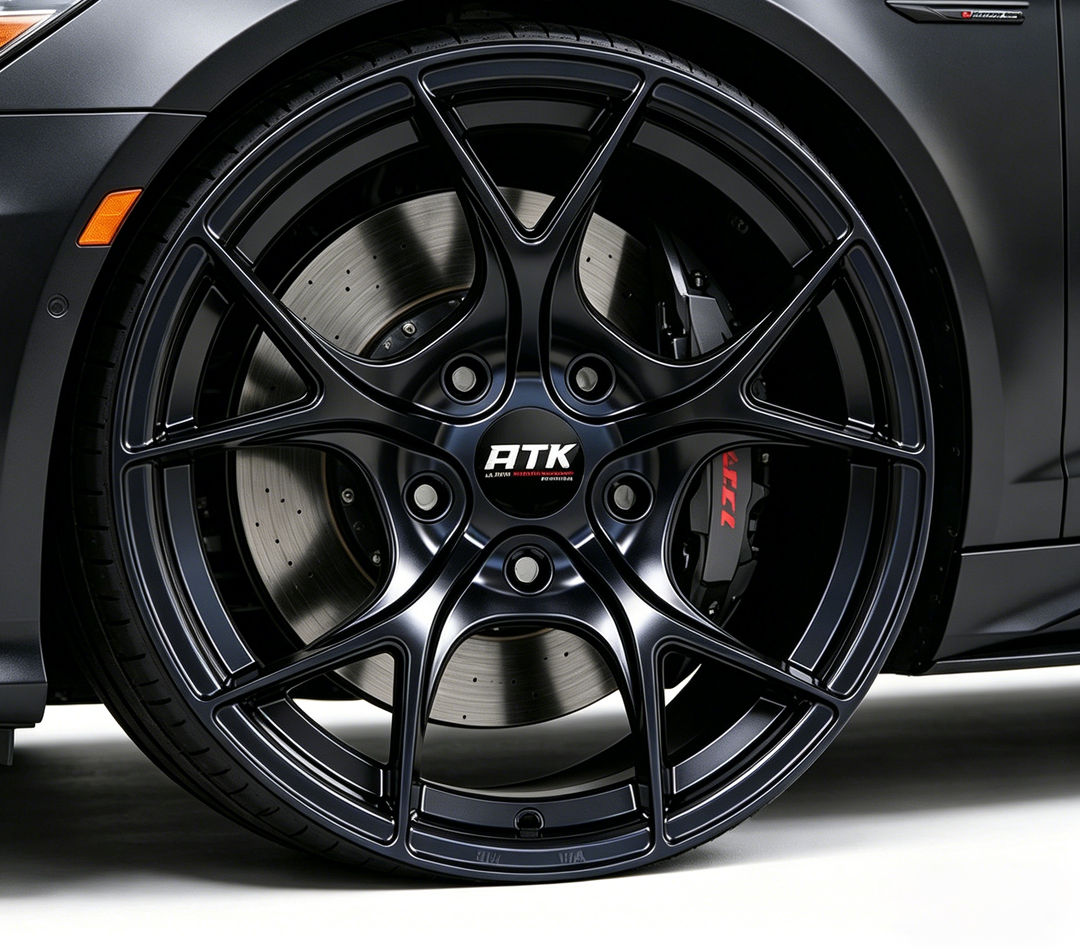
Explore premium wheel designs, custom fitments, and expert vehicle recommendations tailored specifically to your build at ATK Wheels. Transform your truck’s performance and appearance with purpose-built setups designed to handle the toughest conditions!