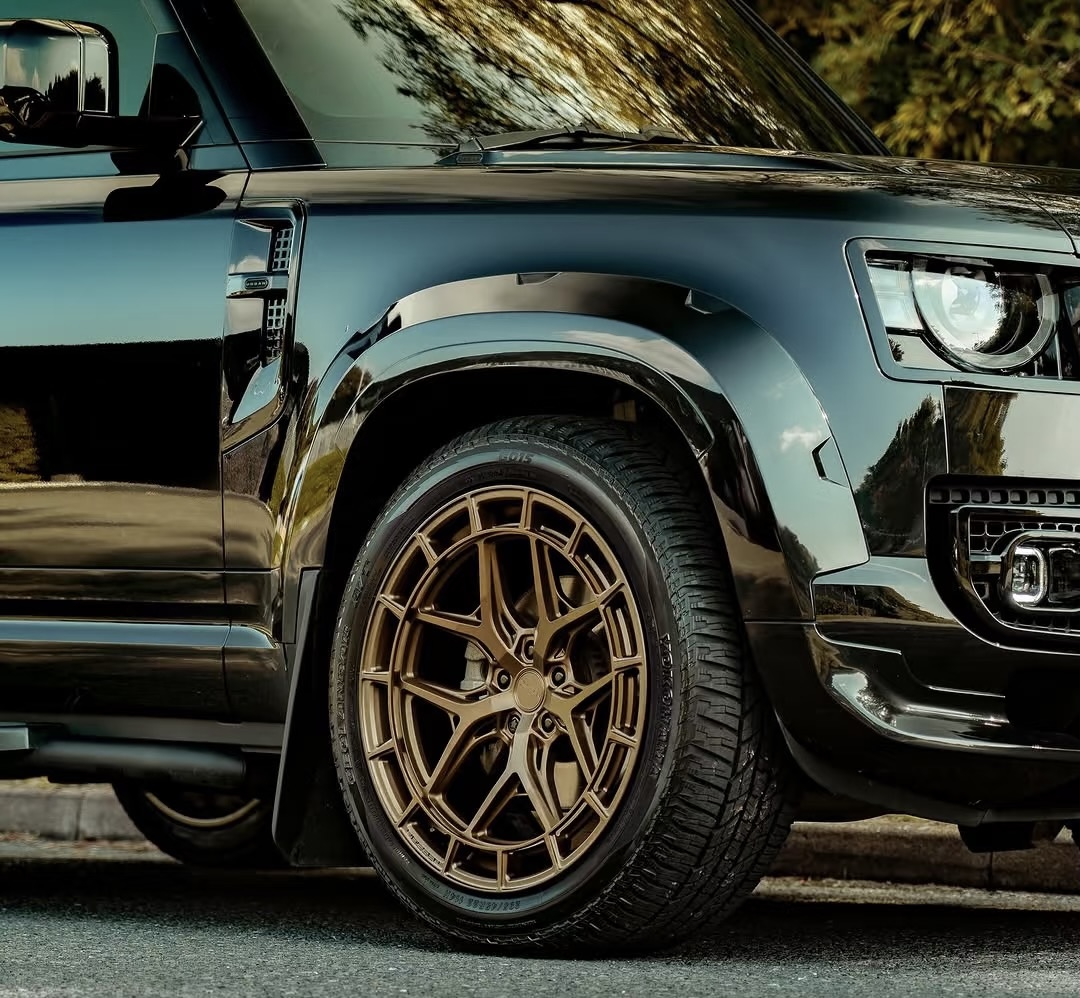
The Ultimate Performance Upgrade: Why Lightweight Auto Wheels Matter
The Ultimate Performance Upgrade: Why Lightweight Auto Wheels Matter
Every car enthusiast reaches a point where they want more from their vehicle. More crispness in the steering, quicker snaps of acceleration, and a more connected feel to the asphalt. While many immediately look under the hood for horsepower gains, one of the most transformative upgrades you can make actually sits at the four corners of your car.
Upgrading to premium lightweight auto wheels is arguably the most efficient way to unlock your vehicle’s hidden potential.
But this isn’t just about shaving ounces for the sake of it. Reducing wheel weight directly alters the physics of how your vehicle moves, turns, and stops. Whether you are driving a sporty commuter, a track-day weekend warrior, or an electric vehicle (EV) looking to maximize range, switching to high-quality lightweight wheels yields tangible, real-world benefits.
1.What Are Lightweight Auto Wheels?
To understand why lightweight auto wheels are so highly regarded by automotive experts, it helps to look at how they are engineered.
Understanding Unsprung Weight and Rotational Mass
A vehicle’s weight is divided into two primary categories: sprung mass and unsprung mass.
-
Sprung mass includes everything supported by the car’s suspension—the chassis, engine, body, interior, and passengers.
-
Unsprung mass includes components not supported by the suspension—namely the tires, brakes, suspension linkages, and the wheels themselves.
Lightweight auto wheels are specifically engineered to minimize this unsprung weight while maintaining structural integrity. Furthermore, because wheels spin, they represent rotational mass. It takes significantly more energy to accelerate, decelerate, and change the direction of a heavy spinning object than a light one. By opting for wheels made from premium aluminum alloys or advanced forged aluminum, you minimize both unsprung weight and rotational inertia simultaneously.
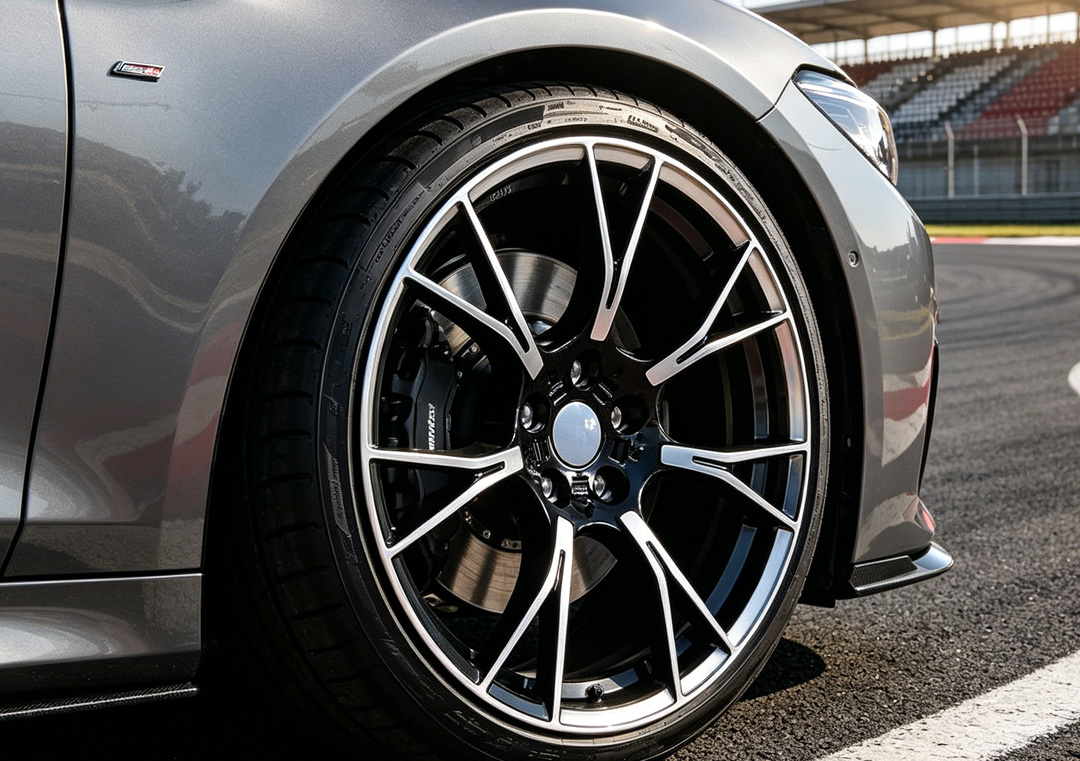
2.How Lightweight Wheels Improve Vehicle Performance
When you reduce the rotational inertia of your vehicle, the performance gains are immediate and noticeable across several key driving dynamics.
1. Crisper Acceleration and Enhanced Throttle Response
Because the engine has less rotational resistance to overcome, it can spin the wheels up to speed much faster. This results in a sharper throttle response and quicker 0-60 mph times, without altering a single engine component.
2. Shorter Braking Distances
Just as a lighter wheel is easier to speed up, it is also much easier to slow down. Your braking system does not have to work as hard to arrest the momentum of a lighter spinning disc, resulting in shorter stopping distances and reduced brake fade during spirited driving.
3. Superior Handling and Steering Precision
When you hit a bump, a heavy wheel slams upward into the suspension with immense force, causing the tire to momentarily lose optimal contact with the road. Lightweight wheels allow the suspension to react faster to imperfections. The tire stays planted, body roll feels more controlled, and steering inputs feel incredibly sharp and immediate.
4. Optimized Fuel Efficiency and EV Range
For traditional internal combustion vehicles, reducing rotational mass lowers the energy required for city stop-and-go driving, boosting your miles per gallon (MPG). For electric vehicles, swapping out heavy factory wheels for sleek, lightweight alternatives is one of the most effective ways to combat range anxiety and squeeze extra miles out of a single charge.
3.Manufacturing Methods: Forged vs. Cast Wheels
Not all lightweight wheels are created equal. The process used to manufacture a wheel dictates its ultimate weight, structural density, and overall price point. When looking to upgrade, you will primarily choose between three manufacturing styles.
Cast Wheels (Gravity and Low-Pressure)
Casting involves pouring molten aluminum into a wheel-shaped mold. While highly cost-effective and perfectly adequate for standard factory replacements, cast wheels require thicker walls and more material to achieve adequate structural strength. Consequently, they are typically the heaviest option.
Flow-Formed Wheels
Flow-forming is a hybrid process. It begins as a low-pressure cast wheel, but the barrel is then heated and spun over a mandrel while high-pressure rollers stretch and shape the material. This aligns the molecular structure of the aluminum, creating a wheel that is significantly lighter and stronger than a traditional cast wheel, at a middle-tier price point.
Forged Wheels
Forged wheels represent the absolute pinnacle of wheel technology. A solid block of aerospace-grade aluminum alloy is subjected to intense heat and immense pressure (often thousands of tons), compressing the metal into the rough shape of a wheel before it is CNC-machined to perfection. This intense pressure eliminates porosity and creates an incredibly dense, continuous grain structure.
Because the metal is naturally so strong, engineers can use much less material to build the wheel. The result is a wheel that is exceptionally light, remarkably durable, and highly resistant to cracks or bends from potholes.
4.Comparing Wheel Manufacturing Technologies
To help visualize how these manufacturing options stack up against one another, consider this quick reference breakdown:
| Wheel Attribute | Traditional Cast Wheels | Flow-Formed Wheels | Forged Wheels |
|---|---|---|---|
| Weight Reduction | Minimal (Baseline) | Moderate (15%–20% lighter) | Maximum (25%–35% lighter) |
| Structural Strength | Standard | High | Exceptional |
| Impact Resistance | Average | Good | Extreme |
| Manufacturing Process | Molten mold pouring | Rolled and stretched barrel | High-pressure solid forging |
| Price Point | Budget-Friendly | Mid-Range | Premium / Investment |
5.Are Lightweight Wheels Suitable for Everyday Driving?
A common misconception among drivers is that lightweight auto wheels are fragile items reserved exclusively for professional track cars or pristine show vehicles.
The Reality: High-quality lightweight wheels are perfectly suited—and highly beneficial—for everyday daily driving.
When you invest in a reputable brand that prioritizes strict structural load ratings and premium materials (such as those offered by ATK Wheels), a lightweight wheel can handle the rigors of daily commuting with ease.
Daily Driving Benefits Include:
-
Improved Ride Comfort: Because the suspension reacts faster to road imperfections, the cabin experiences fewer harsh vibrations when driving over expansion joints, gravel, or minor pavement ripples.
-
Longer Suspension Lifespan: Less unsprung weight puts less physical stress on your shocks, struts, bushings, and control arms over time.
-
All-Weather Reliability: Premium aluminum alloys offer excellent corrosion resistance against road salt and winter moisture.
The critical caveat is ensuring you choose a wheel rated appropriately for your vehicle’s weight and intended payload.
6.Key Technical Specifications to Consider
Before buying a set of lightweight wheels, you must ensure the technical specs match your vehicle’s factory geometry to maintain safety and proper clearance.
-
Bolt Pattern (PCD): The number of lug holes and the diameter of the circle they form (e.g., $5 \times 114.3$ or $5 \times 120$). This must match your car perfectly.
-
Wheel Diameter and Width: Ensure the size fits your intended tire choice. Up-sizing the diameter too much can counteract weight savings because larger tires add weight.
-
Wheel Offset: Measured in millimeters, offset determines how far inward or outward the wheel sits relative to the fender line. An incorrect offset can cause the tire to rub against the inner suspension components or outer fender arches.
-
Center Bore: The central opening on the back of the wheel that slips over the hub. If the wheel hub bore is larger than your vehicle’s hub, you will need hub-centric rings to prevent high-speed vibrations.
-
Load Rating: Ensure the maximum load rating of the wheels exceeds the gross axle weight rating (GAWR) of your car, truck, or SUV.
7.Summary Checklist for Upgrading Your Wheels
To ensure a seamless upgrade process, keep these essential steps in mind:
-
Verify Fitment: Double-check your vehicle’s precise bolt pattern, hub bore, and offset requirements.
-
Prioritize Quality Construction: Choose flow-formed or forged options if maximizing performance and durability is your goal.
-
Match the Tires Properly: Pair your new wheels with a performance or high-efficiency tire that matches the wheel’s width.
-
Check Vehicle Load Ratings: Ensure the wheels are rated to handle your vehicle’s weight, especially if you drive an EV or heavy crossover.
-
Use Proper Hardware: Always use the correct lug nuts or bolts (conical vs. ball seat) recommended by the wheel manufacturer.
Frequently Asked Questions(FAQ)
1.What are lightweight auto wheels?
Lightweight auto wheels are specialized wheels engineered to reduce unsprung weight and rotational mass while maintaining structural integrity. They are typically manufactured using advanced techniques like flow-forming or forging with high-grade aluminum alloys to optimize vehicle dynamics.
2.Do lightweight wheels improve vehicle performance?
Yes. By reducing rotational inertia, lightweight wheels allow the vehicle to accelerate quicker, reduce stopping distances, sharpen steering inputs, and improve overall suspension tracking over uneven surfaces.
3.Are forged wheels lighter than cast wheels?
Generally, yes. The forging process utilizes extreme pressure to create a dense metal structure free of microscopic air pockets. This structural density allows engineers to use significantly less material to achieve the necessary strength, making forged wheels substantially lighter than cast wheels of the same size.
4.Are lightweight wheels suitable for everyday driving?
Yes. High-quality lightweight wheels from reputable brands are excellent for daily commutes. They improve ride comfort, reduce long-term wear on suspension components, and enhance fuel efficiency, provided they possess the correct load rating for the vehicle.
5.How do I choose the perfect lightweight auto wheels?
To find the right fit, you need to select wheels that match your vehicle’s precise bolt pattern, center bore, wheel offset, and width requirements. Additionally, align your choice with your driving style, budget, and structural load needs.
Upgrade Your Ride Experience Today
Your vehicle’s wheels are the only bridge between the mechanical power of your engine and the open road. Settling for heavy, uninspiring factory cast wheels means leaving performance, comfort, and efficiency on the table.
If you are ready to completely transform your driving experience, explore the precisely engineered collections at ATK Wheels. From lightweight, high-strength designs to stunning aesthetics tailored to modern vehicles, find the perfect set to elevate your ride today.