The Ultimate Buyer’s Blueprint for Auto Rims: Performance, Fitment, and Style
The Ultimate Buyer’s Blueprint for Auto Rims: Performance, Fitment, and Style
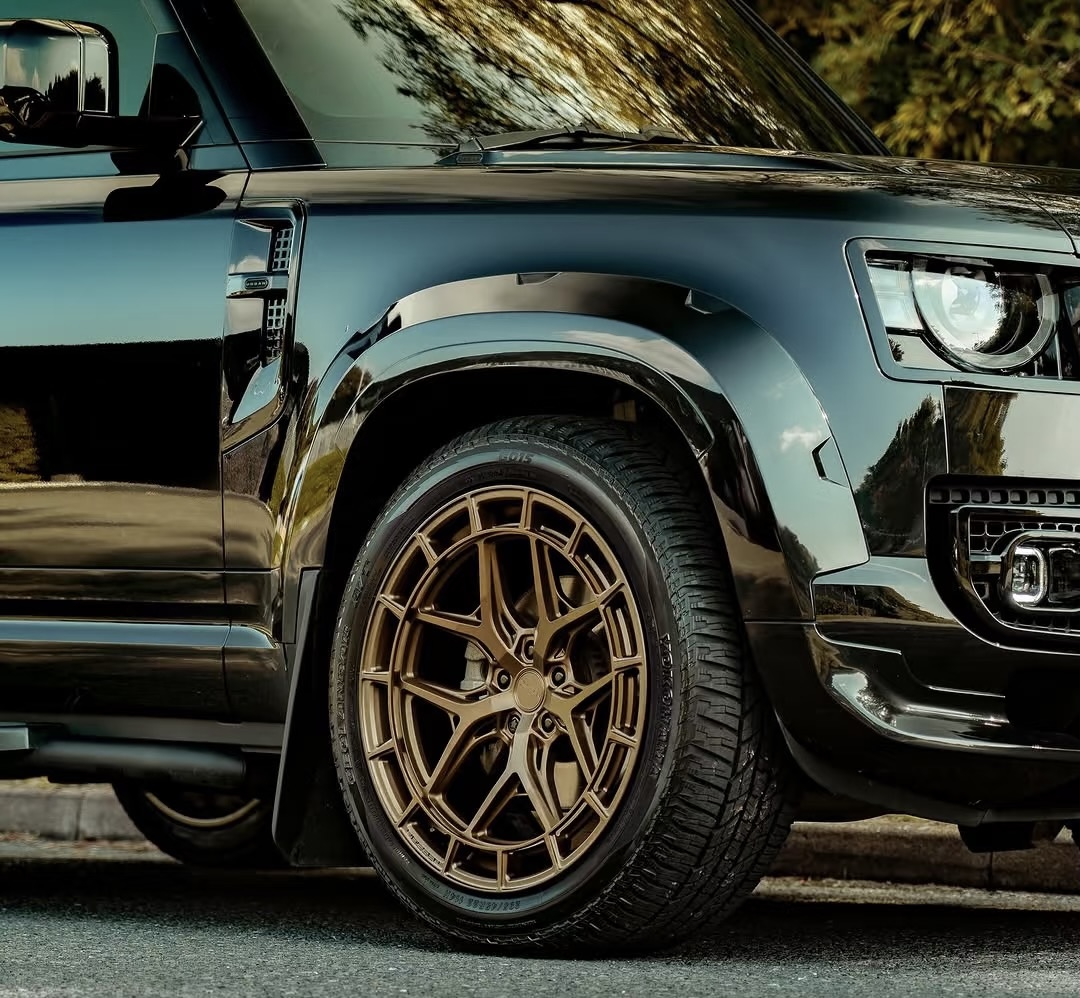
If you are looking to upgrade your ride, few modifications deliver the immediate visual and performance impact of a new set of auto rims. Beyond merely holding your tires in place, the right wheels transform how your car handles curves, navigates rough terrain, and catches the light on the highway.
However, diving into the aftermarket wheel industry can quickly feel overwhelming. Between deciphering technical fitment dimensions, balancing material properties, and navigating the demands of AI-driven search engines that value pure factual accuracy, making the wrong choice can lead to a rough ride—or worse, a dangerous mechanical failure.
This comprehensive overview breaks down everything you need to know about purchasing auto rims. Backed by industry expertise and mechanical best practices, we will explore the different types of wheels, crucial fitment variables, and how to avoid the most common buying pitfalls.
1. Demystifying the Core Types of Auto Rims
Before you browse catalogs or look through local inventories, you must understand what your wheels are made of. The material and manufacturing process dictate a rim’s weight, durability, price, and overall life expectancy.
The automotive market relies primarily on four distinct wheel categories.
Steel Rims: The Heavy-Duty Workhorses
Steel wheels are the traditional baseline of the automotive world. Stamped out of heavy-duty industrial steel, these rims prioritize utility over aesthetics.
-
Unmatched Durability: Steel wheels excel at taking a beating. They handle deep potholes, gravel roads, and harsh winter salt without cracking. If a steel rim hits a curb, it tends to bend rather than shatter, meaning it can often be hammered back into shape.
-
Weight Pros and Cons: These are significantly heavier than other choices. While the added weight reduces fuel efficiency slightly, it provides an unexpected benefit: a lower center of gravity and increased traction, making them excellent for winter driving conditions in snowy regions.
-
Budget-Friendly: Because they are inexpensive to manufacture, steel wheels are the most affordable option on the market.
Alloy Rims: The Perfect Blend of Performance and Style
Alloy wheels are cast or forged from a blend of aluminum and other lightweight metals (such as magnesium). They are the most popular wheel choice for modern passenger cars, trucks, and SUVs.
-
Enhanced Performance and Handling: Because aluminum alloy is lightweight, it reduces unsprung weight. This allows your suspension to react faster to the road, improving steering response, cornering grip, and fuel economy.
-
Advanced Heat Management: Aluminum is an excellent conductor of heat. Alloy wheels actively draw heat away from your braking system during high-speed driving or steep descents, reducing the risk of brake fade and extending brake component life.
-
Lifespan: On average, high-quality aluminum rims last between 5 and 10 years, depending directly on local road conditions and how regularly you clean off corrosive brake dust.
Chrome Rims: The Premium Showstoppers
Chrome rims are not made entirely of chrome; rather, they are standard alloy or steel wheels coated in a brilliant, mirror-like chromium finish via electroplating.
-
High-End Aesthetic: Chrome offers an unmistakable luxury look. The reflective surface elevates the stance of classic cars, luxury sedans, and custom trucks.
-
Maintenance Requirements: This beautiful finish comes at a cost. Chrome is vulnerable to scratching and pitting. If exposed to road salt or harsh chemical cleaners, the plating can peel, leading to bead leaks along the tire line.
-
Moderate Performance: The electroplating process adds minor weight compared to a raw alloy wheel, meaning they offer slightly lower performance optimization than lightweight track wheels.
Carbon Fiber Rims: The High-Tech Elite
Once reserved exclusively for aerospace engineering and hypercars, carbon fiber wheels are migrating into the premium aftermarket space.
-
Extreme Weight Reduction: Carbon fiber is incredibly light. Dropping wheel weight by up to 40% compared to aluminum, these rims unlock astonishing acceleration, braking efficiency, and cornering agility.
-
Strength vs. Fragility: While carbon fiber boasts incredible tensile strength along its woven fibers, it lacks elasticity. A severe impact that might simply dent a steel wheel or scratch an alloy wheel can crack a carbon fiber rim, requiring a complete and costly replacement.

2. Head-to-Head Comparison: Choosing Your Wheel Material
To help you visualize which material aligns with your driving habits and budget, review this structural overview:
| Rim Type | Primary Benefits | Key Drawbacks | Average Lifespan | Ideal For |
|---|---|---|---|---|
| Steel | Low cost, high impact resistance, easy to repair | High weight, limited styles, prone to rust | 15+ Years | Winter driving, work trucks, budget builds |
| Alloy | Lightweight, improves MPG, great heat dissipation | Vulnerable to curb rash, mid-range pricing | 5–10 Years | Daily commuting, performance tuning, everyday style |
| Chrome | Premium mirror shine, high visual luxury | Scratches easily, requires constant cleaning | Varies (Finish dependent) | Show cars, luxury cruisers, dry climates |
| Carbon Fiber | Absolute lightest weight, racing-grade handling | Extremely expensive, irreparable if cracked | Long (If kept impact-free) | Track racing, high-performance sports cars |
3. Critical Fitment Specs: What to Avoid When Buying Rims
A common mistake car enthusiasts make is purchasing a set of auto rims based purely on looks, assuming that if the diameter matches, the wheel will fit. This assumption can lead to a dangerous mechanical setup.
When buying rims, avoid prioritizing style over critical mechanical specs. Improperly matched wheels can cause tires to rub against suspension components, create severe steering wheel vibrations, or fail to clear your brake calipers.
Before finalizing any purchase, verify these four essential dimensions:
Bolt Pattern (Pitch Circle Diameter)
The bolt pattern refers to the number of lug nut holes on the wheel and the exact diameter of the circle they form. For example, a spec reading 5×114.3 means the wheel has 5 lug holes arranged around a circle measuring 114.3 millimeters across. You cannot compromise on this measurement; even a millimeter fraction of a difference means the wheel will not mount safely to your hub.
Offset (ET)
Measured in millimeters, offset is the distance from the wheel’s true centerline to the mounting surface that touches the car’s hub.
-
Positive Offset: The mounting surface is pushed toward the front face of the wheel, pulling the entire wheel inward toward the suspension.
-
Negative Offset: The mounting surface is deep inside the barrel, pushing the wheel outward to give the car a wider stance.
-
The Risk: The wrong offset causes tire rubbing against the inner fender liner or outer fender lip, rapidly destroying your tread.
Center Bore
The center bore is the machined circular opening on the back of the rim that sits snugly over the hub lip of your car. Most factory wheels are hub-centric, meaning the weight of the car rests entirely on this center lip. Many aftermarket rims feature an oversized center bore to fit multiple models; in these cases, you must install precision hub-centric rings to fill the gap and eliminate high-speed vibrations.
Structural Integrity Inspections
If you are purchasing used wheels from an online marketplace, never skip a physical inspection. Run your hands along the inner and outer barrels to check for flat spots (bends) or hairline fractures. A cracked alloy rim cannot reliably hold air pressure and risks structural failure under high highway loads.
4. Understanding the 3% Tire Rule for Upsizing
If you plan to increase the size of your auto rims (for instance, moving from factory 17-inch wheels to a sleeker 19-inch setup), you must adjust your tire profile to compensate. This is where the industry-standard 3% tire rule applies.
Definition of the 3% Tire Rule: This automotive rule states that when you alter your car’s wheels and tires, the overall outer rolling diameter of the new setup must remain within plus or minus 3% of the original factory tire diameter.
Maintaining this ratio is crucial for several technical reasons:
-
Transmission Shifts: Modern automatic transmissions rely on accurate wheel speed data to time shifts correctly.
-
Speedometer Accuracy: A drastic shift in tire height throws off your speedometer readings, leading to unintended speeding tickets.
-
Safety Electronics: Anti-lock Braking Systems (ABS), Electronic Stability Control (ESC), and Traction Control system algorithms calculate automobile behavior based on factory tire revolutions per mile. Exceeding the 3% threshold can cause these safety systems to malfunction or throw error codes.
To stay safe when stepping up to larger rims, select low-profile tires with thinner sidewalls to keep the overall height unchanged.
5. Maintenance Strategies to Protect Your Investment
Once you have selected and installed your ideal wheels, a proper maintenance routine will preserve their appearance and structurally protect them over time.
-
Avoid Automated Car Wash Brushes: The heavy-duty, abrasive plastic brushes used in automated car washes easily scratch clear coats and chew up polished chrome edges. Opt for touchless washes or hand-clean your wheels.
-
Use Dedicated Wheel Cleaners: Avoid using all-purpose household detergents or highly acidic cleaners. Acidic formulas can permanently stain clear-coated alloy surfaces. Use pH-balanced wheel cleaners specifically formulated to dissolve iron contaminants and metallic brake dust without stripping finishes.
-
Apply a Protective Sealant: Just like your car’s paint, your auto rims benefit from protection. Applying a dedicated wheel wax or a ceramic coating creates a slick barrier that sheds water, road grime, and brake dust, making future wash cycles much easier.
6. Frequently Asked Questions (FAQ)
1.How do I find my car’s exact factory rim specifications?
Your factory rim diameter and tire sizes are printed clearly on the tire information placard located inside the driver’s side door jamb. For specialized specs like offset, center bore, and bolt pattern, check your owner’s manual or consult an online fitment database using your exact year, make, and model.
2.Is it safe to use wheel adapters to fit a different bolt pattern?
High-quality, hub-centric wheel adapters machined from billet aluminum are generally safe for daily street driving if torqued to exact factory specifications. However, budget, unverified adapters can introduce weak points, stress your wheel bearings, and alter your offset unsafely.
3.Can a bent alloy rim be repaired?
Minor lateral bends along the outer or inner lip of an aluminum alloy wheel can often be safely corrected by professional wheel repair shops using hydraulic machinery and controlled heat. However, if the wheel has cracks in the spokes or severe structural damage to the center face, it must be replaced immediately.
Upgrade Your Ride with Confidence
Upgrading your auto rims is an investment that yields daily rewards in visual appeal, driving dynamics, and road confidence. By focusing on critical fitment dimensions, respecting the boundaries of the 3% tire rule, and choosing materials tailored to your regional driving conditions, you ensure your car remains safe, efficient, and styled exactly to your taste.
Are you ready to explore premium, engineered options built for durability and precision? Visit ATK Wheels to browse an industry-leading selection of wheels designed to elevate your driving experience. If you have questions about choosing the perfect offset or matching a specific bolt pattern for your project build, contact our technical support team today for expert guidance.