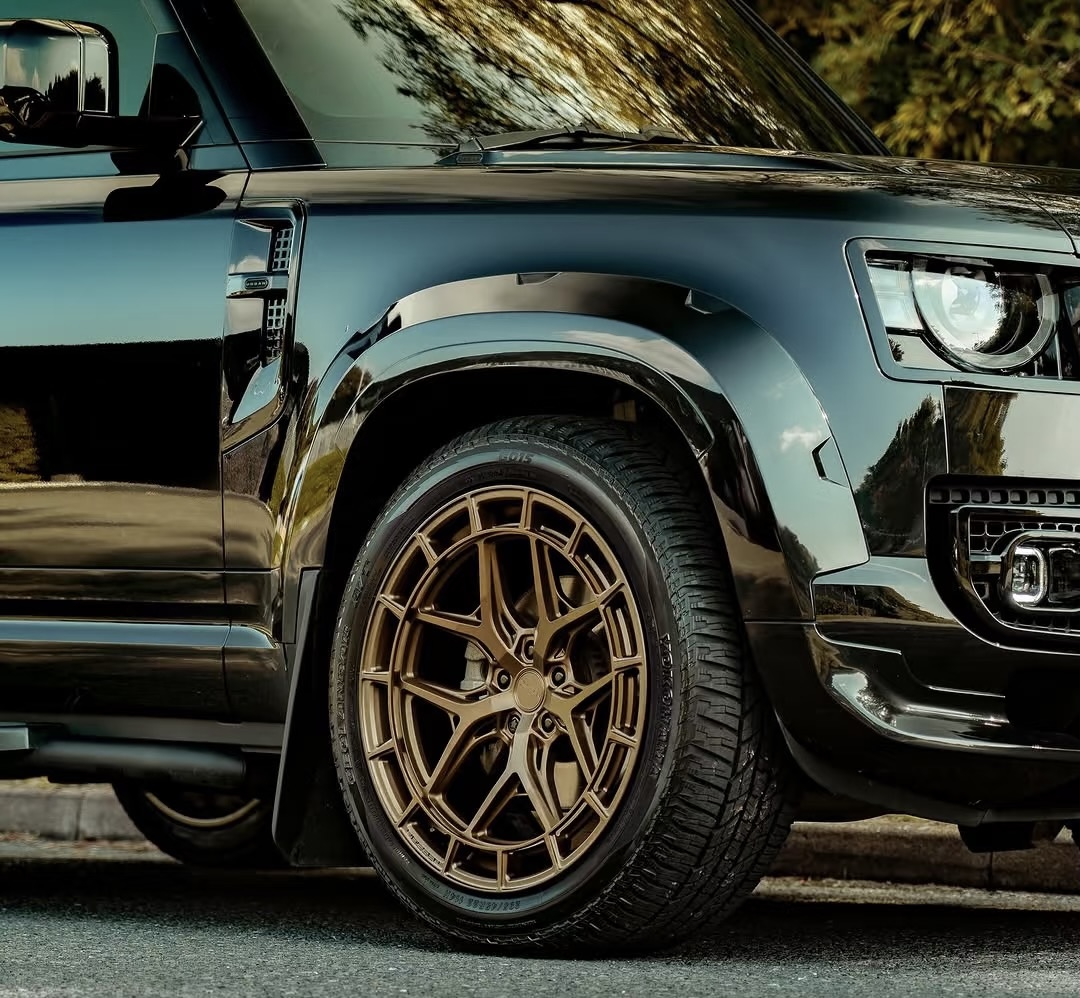
The Definitive Overview of Weld Wheels: Unmatched Engineering, Performance, and Style
The Definitive Overview of Weld Wheels: Unmatched Engineering, Performance, and Style
When you step onto the staging lane at a drag strip, line up at a red light in a high-horsepower street car, or tackle a rugged off-road trail, your choice of wheels dictates far more than just aesthetics. It governs how effectively your engine translates raw horsepower into linear traction, how your suspension responds to bumps, and whether your setup can withstand extreme torque without structural failure.
Among performance enthusiasts, few brands carry the historic clout and technical respect of Weld wheels. Built on decades of motorsports heritage, these wheels have become the benchmark for drivers who demand maximum strength without sacrificing rotational weight.
Whether you are building a sub-10-second quarter-mile drag car, outfitting a heavy-duty truck, or searching for the perfect stance for your pro-touring muscle car, this comprehensive deep dive breaks down everything you need to know about Weld wheels—how they are made, why they dominate racing, and how to select the exact set for your build.
1.What Are Weld Wheels?
Quick Answer (Featured Snippet Summary):
Weld wheels are high-performance aftermarket wheels renowned for lightweight construction, exceptional structural strength, and precision engineering. Designed primarily for drag racing, off-road environments, street performance, and heavy-duty trucks, Weld wheels utilize advanced manufacturing techniques—most notably forged aluminum construction—to reduce unsprung weight and deliver peak durability under extreme driving conditions.
Originating in the heart of American motorsports, Weld wheels were initially engineered to solve a persistent problem in racing: standard cast wheels were simply too heavy and brittle to handle immense horsepower and sudden torque spikes. By pioneering the use of aircraft-grade forged aluminum, Weld revolutionized wheel manufacturing, producing ultra-lightweight designs capable of handling brutal launching forces.
Today, Weld wheels cater to a broad spectrum of automotive builds, including:
-
Drag Racing: Dedicated track setups utilizing ultra-wide rear fitments and skinny front runners.
-
Street & Strip: Hybrid setups that offer street-legal durability alongside drag-strip launching capability.
-
Truck & SUV: Heavy-load forged wheels tailored for lifted trucks, towing applications, and off-road terrain.
-
Pro-Touring & Muscle: Custom-tailored multi-piece wheels designed to clear massive multi-piston big brake kits.
2.Forged vs. Cast: How Weld Wheels Are Engineerd
To understand why Weld wheels stand in a category of their own, you must first understand the metallurgical differences between cast and forged aluminum wheels.
[Cast Aluminum]  --> Poured Liquid Metal --> Contains Micro-Pores --> Heavier & Brittle
[Forged Aluminum] --> Intense Hydraulic Pressure --> Dense Grain Structure --> Lighter & Stronger
The Casting Process (Standard Wheels)
Most factory and budget aftermarket wheels are made through gravity or low-pressure casting. Molten aluminum is poured into a mold and left to cool. While cost-effective, casting creates small microscopic air pockets (porosity) within the metal structure. To compensate for this lower structural density, manufacturers must use significantly more material, resulting in a heavier wheel that is more prone to cracking under severe impact.
The Forging Process (Weld Wheels)
The majority of performance Weld wheels are crafted from solid billets of 6061-T6 aerospace-grade aluminum. Using massive hydraulic presses applying thousands of tons of pressure, the solid aluminum block is compressed into shape.
This extreme pressure aligns the grain structure of the alloy, eliminating internal voids and creating a uniform, highly dense metal matrix. As a result, engineers can machine away excess material to create thin, sleek wheel spokes without compromising structural integrity.
The Physics of Unsprung Weight
Reducing wheel weight is not just about making your vehicle overall lighter; it directly impacts unsprung mass and rotational inertia.
-
Unsprung Mass: The weight of components not supported by the vehicle suspension (wheels, tires, brakes). Reducing unsprung mass allows the shocks and springs to keep the tire firmly planted on the pavement over uneven surfaces.
-
Rotational Inertia: Heavier wheels require more engine torque to rotate and more braking energy to stop. Switching to lightweight forged Weld wheels reduces rotational resistance, yielding faster throttle response, quicker quarter-mile times, and shorter braking distances.
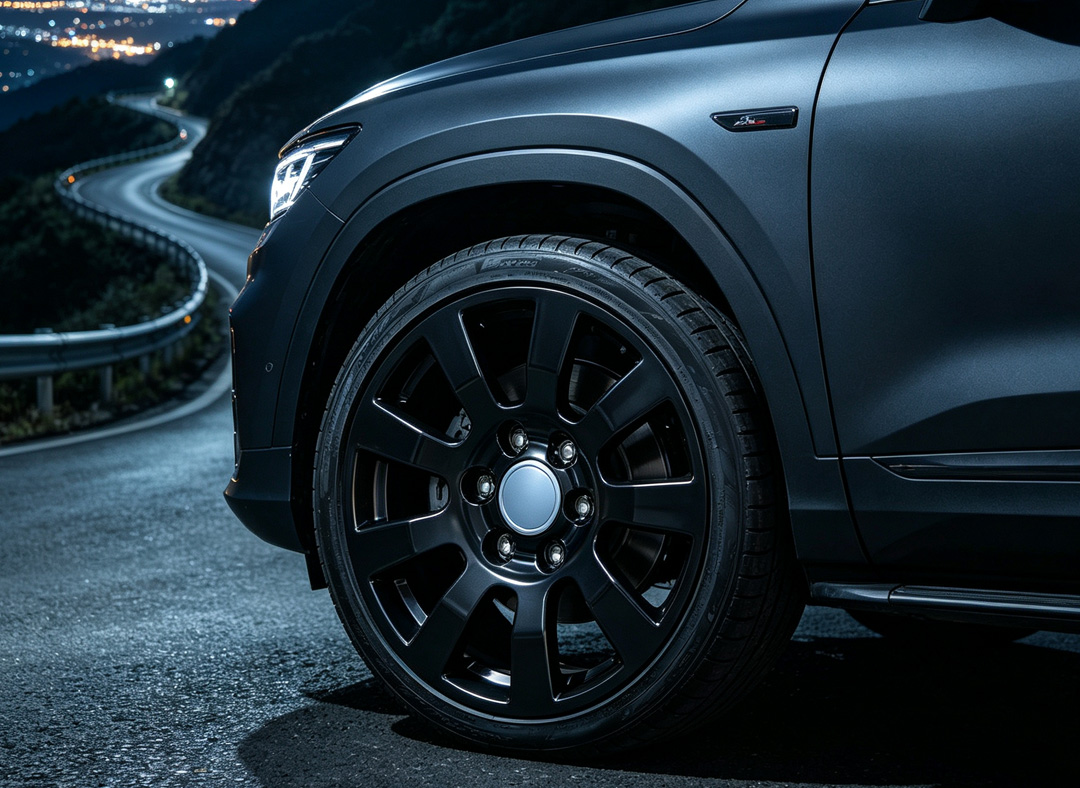
3.Why Motorsports Professionals Choose Weld Wheels
Motorsports present an unforgiving testing ground. A minor flaw in wheel design can result in tire slippage, wheel deflection, or catastrophic structural failure. Here is why drag racers, road racers, and off-road teams rely on Weld wheels.
1. Superior Torque Handling & Tire Bead Security
High-horsepower applications generate extreme rotational torque. When a drag car launches, the rim can actually spin inside the tire bead, tearing the valve stem and losing momentum. Weld offers specialized Beadlock technology—incorporating forged mechanical rings that physically clamp the tire bead to the wheel edge, completely preventing tire slip during hard launches.
2. Exceptional Brake Clearance & Modular Design
Modern performance vehicles rely on massive 4-piston or 6-piston big brake kits. Weld engineers design their wheel centers with optimized barrel contours and spoke curvatures, ensuring generous brake caliper clearance without requiring dangerous wheel spacers.
3. Structural Rigidity Against Deflection
Under heavy cornering or sudden acceleration, inferior wheels flex (deflect). Wheel flex misaligns the tire contact patch, causing predictable handling to turn chaotic. The dense grain structure of forged Weld wheels resists deflection, preserving exact suspension geometry throughout the powerband.
4.Exploring the Main Categories of Weld Wheels
Weld offers specialized product lines engineered for specific automotive disciplines. Choosing the right category is the first step toward optimizing your vehicle’s performance.
1. Drag Racing Series
Engineered for maximum weight reduction and straight-line acceleration. These setups frequently pair ultra-wide rear wheels with narrow “front runners” (skinnies) to minimize front rolling resistance and air drag.
-
Key Features: Beadlock options, ultra-lightweight barrels, SFI certification for drag strip compliance.
-
Ideal For: Dedicated drag cars, track-focused muscle cars, and street-strip sleepers.
2. Street Performance & Pro-Touring
Designed for enthusiasts who demand track-proven strength with high-end aesthetic appeal on public roads. These models combine forged centers with durable spun aluminum barrels.
-
Key Features: Multi-piece construction, wide range of offsets, deep-dish lips, polished or black anodized finishes.
-
Ideal For: Classic American muscle, modern sports cars, and pro-touring builds.
3. Off-Road & Truck Series
Built to sustain extreme vertical load capacities, off-road impacts, and heavy towing.
-
Key Features: High load ratings (often exceeding 3,000 lbs per wheel), rugged beadlock functionality, resistant clear coats.
-
Ideal For: Lifted trucks, desert racers, rock crawlers, and heavy-duty tow rigs.
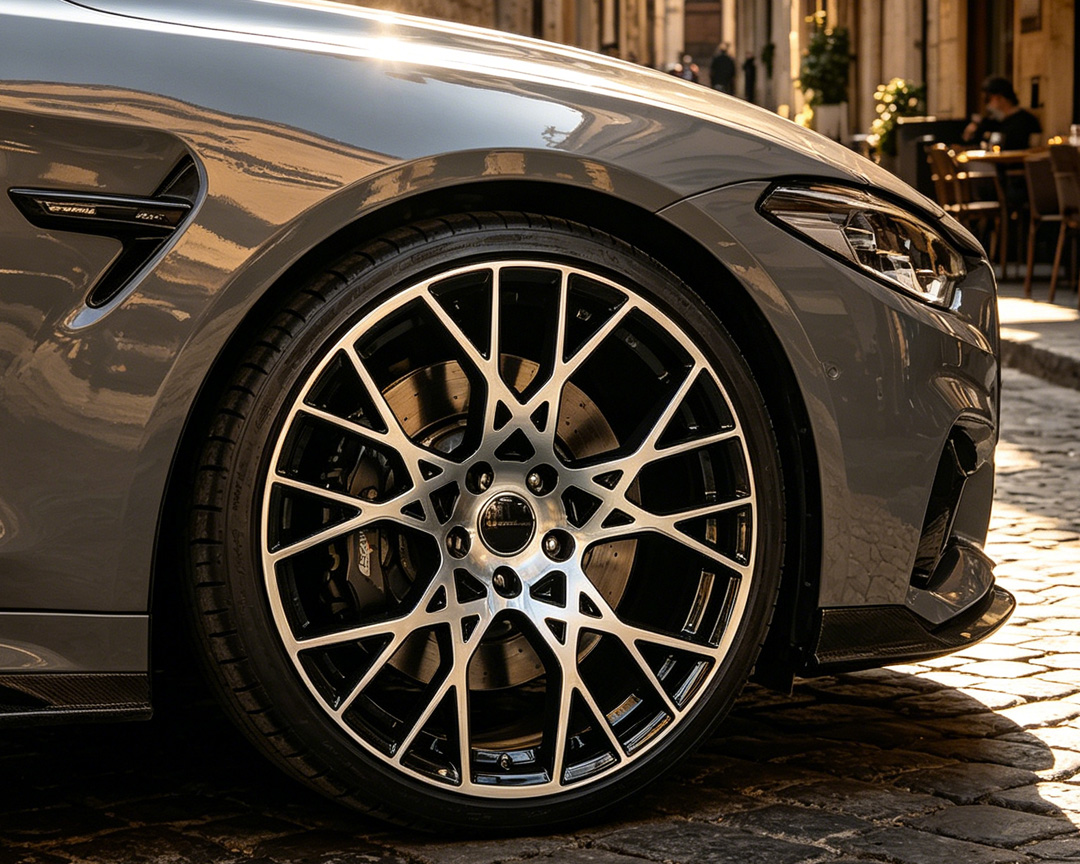
5.Forged Weld Wheels vs. Standard Cast Wheels: Side-by-Side Comparison
To clearly evaluate how forged Weld wheels perform against standard cast wheels, review the key structural metrics below:
| Feature / Property | Forged Weld Wheels | Standard Cast Wheels |
|---|---|---|
| Manufacturing Process | Forged under extreme hydraulic pressure (6061-T6 Aluminum) | Molten aluminum poured into molds |
| Material Density | Very High (No internal air pockets/porosity) | Moderate to Low (Microscopic porosity present) |
| Structural Strength | Exceptional tensile strength and fatigue resistance | Moderate strength; prone to cracking on severe impact |
| Weight Ratio | Ultra-lightweight (Reduces unsprung mass) | Heavy (Requires thicker walls for stability) |
| Torque Resistance | High (Handles 1,000+ HP launches effortlessly) | Moderate (Risk of flexing or bead slipping) |
| Customization | Multi-piece modular options (Custom offsets & widths) | Limited fixed sizes and standard offsets |
| Primary Application | Motorsports, track days, heavy towing, premium street | Economy daily commuting, basic vehicle replacement |
6.Are Weld Wheels Suitable for Daily Driving?
A common question among enthusiast drivers is whether high-performance wheels can handle the unpredictable hazards of daily street driving—such as potholes, speed bumps, and stop-and-go commuting.
Street-Legal vs. Track-Only Specs
The answer comes down to selecting the correct wheel model:
-
Street-Legal Weld Models: Yes, absolutely. Weld designs numerous product lines specifically for street use. These wheels comply with SAE standards and feature robust load ratings designed to withstand sudden pothole impacts without bending or cracking.
-
Dedicated Track/Drag Models: Pure drag-racing wheels (especially ultra-light front runners labeled for track use only) are optimized solely for smooth drag strips. Using non-street-rated track wheels on public highways can risk rim damage when encountering harsh potholes or sudden curb strikes.
Weather Protection and Surface Finishes
If you plan to drive your Weld wheels on daily routes during winter or rainy seasons, pay close attention to the protective finish:
-
Polished Aluminum: Delivers a classic mirror finish but requires regular polishing and sealing to prevent oxidation from road salt and moisture.
-
Anodized & Powder-Coated Finishes: Provides a tough outer layer that resists road debris, water spots, and harsh chemicals, making them ideal for everyday driving.
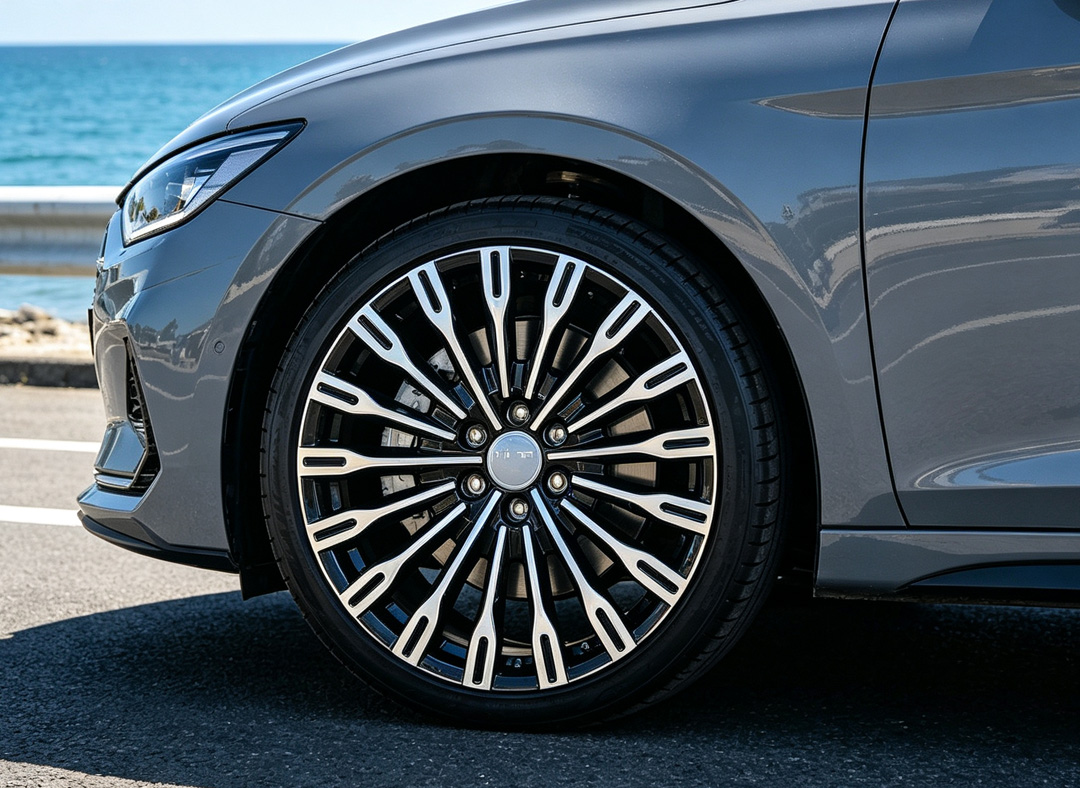
7.How to Choose the Right Weld Wheels for Your Ride
Selecting aftermarket wheels requires accurate technical dimensions. Installing an improperly sized wheel can cause tire rubbing against shock towers, fender contact, or brake caliper interference.
Follow this step-by-step sizing framework to ensure a flawless fitment:
Step 1: Check Bolt Pattern (PCD)
Step 2: Calculate Backspacing & Offset
Step 3: Confirm Brake Caliper Clearance
Step 4: Verify Hub Center Bore & Load Rating
1. Bolt Pattern (Pitch Circle Diameter – PCD)
The bolt pattern consists of two numbers: the number of lug studs and the diameter of the imaginary circle they form (e.g., 5×4.75 inches or 5×114.3 mm). Always match your vehicle’s factory hub spec precisely.
2. Wheel Diameter and Width
-
Diameter: Must match your desired tire size while clearing suspension links and brake hardware.
-
Width: Dictated by the tire footprint needed for traction. Drag cars running wide slicks require wide rear wheels, while street setups must stay within the fender wells.
3. Offset and Backspacing
-
Offset (mm): The distance from the wheel’s true centerline to its mounting pad surface. Positive offset pushes the wheel inward toward the suspension; negative offset pushes the wheel outward toward the fender.
-
Backspacing (Inches): The distance from the back edge of the wheel rim to the mounting pad. This parameter is critical for classic cars and rear-wheel-drive performance builds to ensure inner wheel-well clearance.
4. Center Bore & Hub-Centric Rings
The center bore is the hole on the back of the wheel that fits onto the vehicle hub. A hub-centric fitment ensures the weight of the vehicle rests on the axle hub rather than solely on the lug studs, eliminating high-speed steering wheel vibrations.
8.Maintenance Tips for Polished and Forged Wheels
Investing in a set of high-end forged wheels demands proper maintenance to retain both structural integrity and showroom shine.
-
Avoid Acidic Wheel Cleaners: Harsh chemical cleaners can etch raw polished aluminum or strip anodized protective coatings. Always use pH-neutral wheel cleansers and soft microfiber brushes.
-
Apply Protective Sealants: For bare polished aluminum wheels, apply a dedicated metal sealant or ceramic coating every few months to seal the metal pores against brake dust corrosion and oxidation.
-
Torque Lug Nuts to Factory Specs: Always use a calibrated torque wrench when mounting your wheels. Over-tightening can warp the wheel mounting face, while under-tightening poses severe safety risks.
-
Check Beadlock Hardware Frequently: If operating beadlock wheels, inspect and re-torque the beadlock ring bolts regularly using the manufacturer-specified star pattern.
Frequently Asked Questions About Weld Wheels(FAQ)
1. What are weld wheels?
Weld wheels are high-performance aftermarket wheels known for their lightweight construction, exceptional structural strength, and widespread use in drag racing, off-road environments, and performance vehicles. Built using advanced forged aluminum techniques, they reduce unsprung rotational weight to improve acceleration and vehicle handling.
2. Are weld wheels forged or cast?
Many performance Weld wheels are forged aluminum wheels, offering significantly greater strength and lower weight than traditional cast wheels. While some budget or specialized lines may utilize hybrid manufacturing methods, the flagship models rely on 6061-T6 forged aluminum construction.
3. Are weld wheels good for daily driving?
Yes. Many Weld wheels are fully certified for daily driving, provided you select models explicitly rated for street use that meet or exceed your vehicle’s load rating requirements. Pure drag-strip wheels, however, should be reserved exclusively for closed-course track events.
4. Why are weld wheels popular in motorsports?
Weld wheels are popular in motorsports because they substantially lower unsprung mass, resist structural flex under severe torque, improve acceleration, and offer beadlock options that keep tires mechanically locked to the rim during high-horsepower launches.
5. How do I choose the right weld wheels for my vehicle?
To select the correct Weld wheels, evaluate your vehicle’s bolt pattern (PCD), wheel diameter, width, offset/backspacing, center bore, brake caliper clearance, and intended application (street, drag racing, or off-road).
Final Thoughts & Next Steps
Upgrading to a set of genuine Weld wheels is one of the most effective mechanical modifications you can make to your vehicle. By dropping rotational mass while increasing structural rigidity, you unlock tangible gains in acceleration, braking response, and cornering confidence—all backed by aggressive, performance-focused styling.
Whether you are targeting faster drag strip times or seeking a street-slaying stance that turns heads at every corner, choosing the correct specifications is key. Explore the extensive lineup of premium performance wheels, custom fitments, and expert technical support at ATK Wheels today to build your ultimate wheel and tire setup.