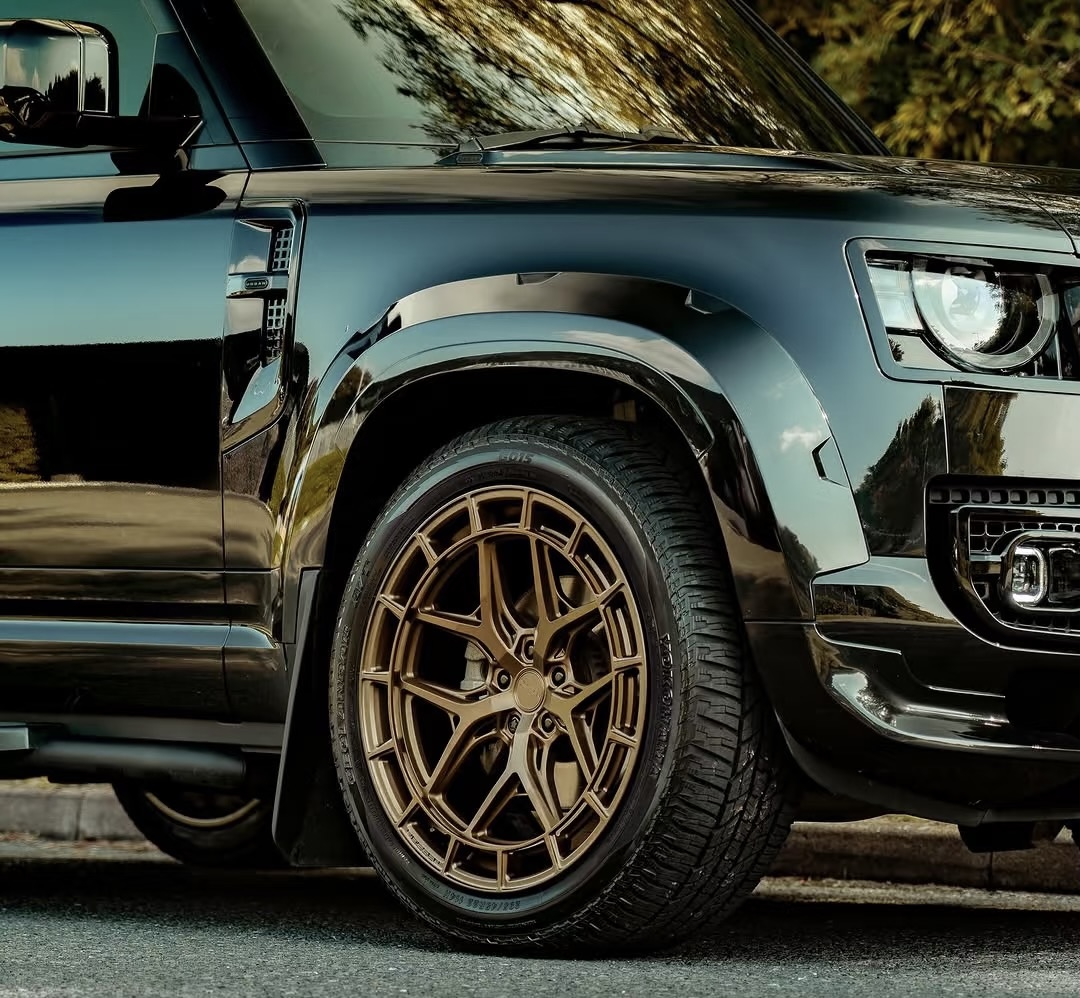
Solid Rims: Strength, Durability, and Performance Explained
Solid Rims: Strength, Durability, and Performance Explained
Every driver faces a critical decision when equipping a vehicle for challenging environments: choosing between style and pure, unadulterated strength. While sleek, multi-spoke alloy wheels dominate modern showrooms, a different class of wheel continues to command respect among off-roaders, winter drivers, and commercial fleets: solid rims.
When reliability isn’t just a preference but a necessity, understanding the engineering behind your wheels changes everything. This comprehensive analysis breaks down the mechanics, advantages, and real-world performance of solid wheels to help you make an informed upgrade.
1.What Are Solid Rims?
To appreciate their value, it helps to define exactly what a solid rim is and how it differs from standard wheel designs.
[Standard Alloy Wheel]  --> Features open spokes, lightweight aluminum, prioritizes airflow & style.
[Solid Steel Rim]      --> Features a closed, full-face pressed metal design, prioritizes maximum density & impact resistance.
In the automotive industry, the term solid rims typically refers to heavy-duty, single-piece steel wheels or full-face wheels that lack open spokes. Instead of a delicate network of spokes holding the outer rim to the center hub, these wheels feature a solid, continuous piece of dense, pressed metal.
Solid Rims vs. Alloy Wheels: The Structural Evolution
The differences between these two common wheel types come down to materials and manufacturing methods:
-
Alloy Wheels: Crafted from a blend of aluminum or magnesium, alloys are cast or forged into intricate, lightweight shapes. They favor aesthetics, agile handling, and rapid heat dissipation. However, their crystalline structure makes them brittle under extreme shock.
-
Solid Rims: Typically manufactured from high-tensile stamped steel or heavy-duty full-face forged metals. They lack large open windows, resulting in a dense, uniform structure designed to absorb massive impacts without catastrophic failure.
2.The Engineering Breakdown: Solid Rims vs. Alloy Wheels
Choosing the right wheel requires balancing several performance trade-offs. The table below outlines how these two categories compare across key operational metrics.
| Performance Metric | Solid Rims (Heavy-Duty Steel/Full-Face) | Standard Alloy Wheels |
|---|---|---|
| Material Composition | Dense Pressed Steel / Solid Forged Metal | Aluminum or Magnesium Blends |
| Manufacturing Process | Stamped and welded single-piece construction | Cast molding or precision forging |
| Impact Resistance | Structural malleability (bends instead of cracking) | High rigidity (prone to cracking under severe impact) |
| Weight Profile | Significantly heavier rotational mass | Lightweight, optimized for performance |
| Debris Protection | Maximum (closed face seals off the brake assembly) | Low (open spokes expose brakes to mud and rocks) |
| Average Cost | Highly affordable and economical | Moderate to premium price points |
| Primary Application | Winter driving, extreme off-roading, commercial hauling | Daily commuting, sports performance, luxury styling |
3.Why Full-Face Solid Wheels Excel in Off-Road Environments
For overlanding and rock crawling, the wheel styling is secondary to survival. Full-face solid options have become a gold standard for rugged terrain for several practical reasons.
1. Deflecting Debris and Trail Hazards
Traditional spoked wheels act like open cages, allowing trail debris to pass through. When driving through deep mud, loose gravel, or jagged rocks, objects can easily slip through open spokes.
A solid, closed-face design acts as a protective shield. It prevents mud, rocks, thick sticks, and debris from entering the wheel barrel. This protects your brake calipers, rotors, and brake lines from sudden, costly damage in remote areas.
2. Uniform Load Distribution
Off-roading frequently places the entire weight of a loaded truck or SUV onto a single corner as it negotiates uneven boulders or deep ruts.
Key Takeaway: Because solid wheels lack structural gaps or delicate spoke joints, they distribute immense vertical and lateral payloads evenly across the entire circumference of the wheel face. This uniform distribution prevents localized stress points, drastically reducing the risk of a structural collapse far from civilization.
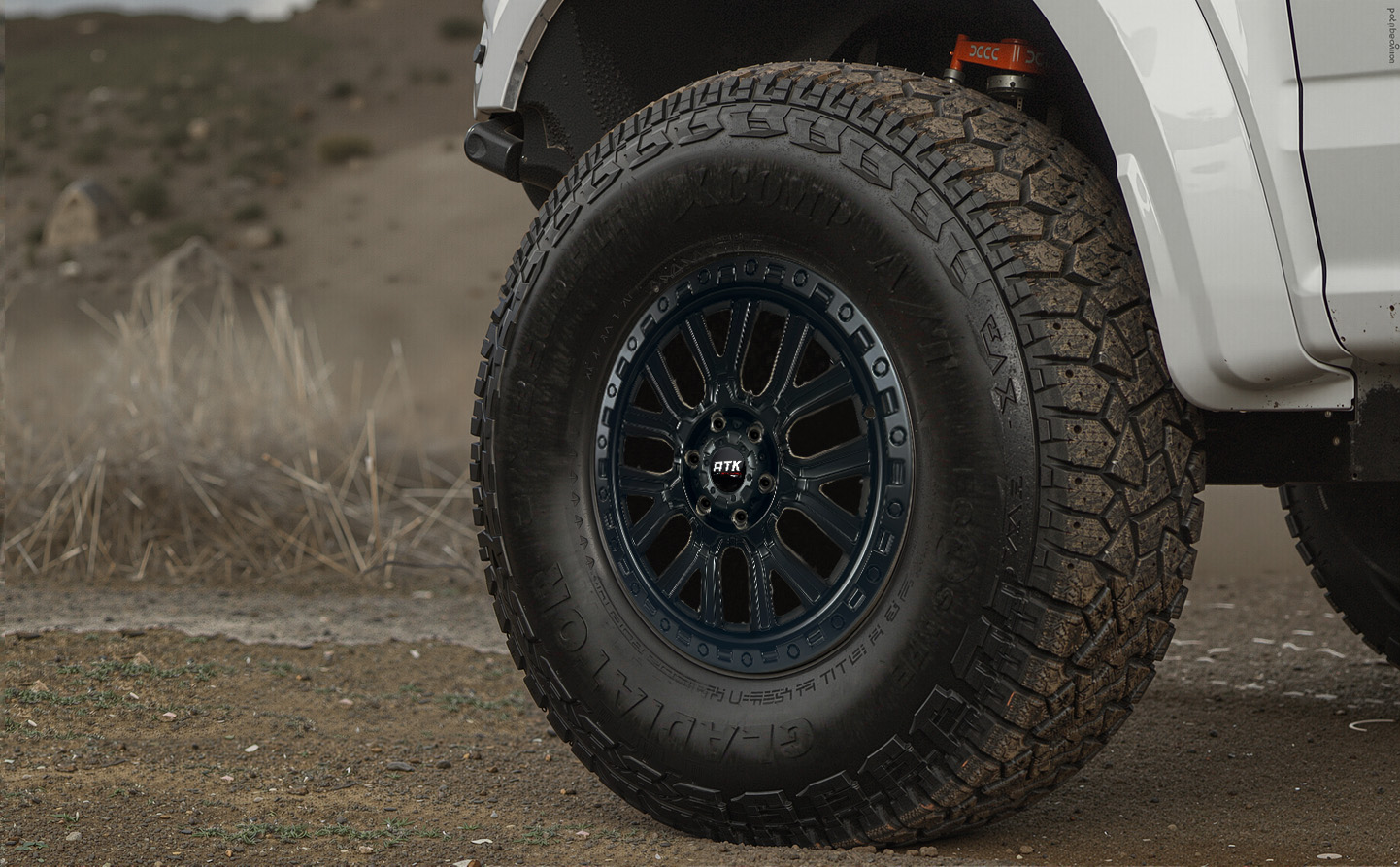
4.The Cold Truth: Solid Rims for Winter Driving
When winter arrives in the United States, road conditions change drastically. Potholes multiply, and local municipalities cover the streets with corrosive chemical deicers. This is where solid steel options provide a distinct operational advantage.
                  ┌── Heavy Weight ───> Increased Tire Traction on Snow
                  │
SOLID WINTER RIMS ├── Malleable Metal ─> Absorbs Deep Pothole Impacts
                  │
                  └── Solid Surface ──> Resists Road Salt & Chemical Corrosion
The Pros of Winter Solid Wheels
-
Enhanced Snow Traction: Solid steel options are significantly heavier than aluminum alloys. This extra unsprung weight pushes the tires down through loose snow and slush, helping the tread bite directly into the pavement for superior winter traction.
-
Superior Impact Absorption: Sub-zero temperatures make aluminum alloys more brittle, increasing their chances of cracking when hitting a hidden pothole. Steel options are naturally more malleable; they absorb the shock of winter road damage without losing air pressure.
-
Corrosion Resistance: Road salt quickly pits, oxidizes, and ruins the clear coat on expensive alloy wheels. High-quality steel options feature durable black e-coats or powder finishes that withstand harsh winter chemicals with minimal maintenance.
The Cons of Winter Solid Wheels
-
Aesthetic Limitations: These utilitarian options focus strictly on function. If you prefer a highly stylized, aggressive appearance for your vehicle, a plain black solid steel wheel may feel like a visual step down.
-
Reduced Fuel Efficiency: The added weight that aids traction also requires more energy to spin, which can slightly lower your city miles per gallon (MPG).
5.Mechanical Impacts: Fuel Economy, Braking, and Handling
Altering the weight and airflow characteristics of your wheels directly influences how your vehicle drives. It is important to look closely at how these changes play out on the road.
Rotational Mass and Fuel Efficiency
In physics, wheels represent “unsprung, rotational mass.” Because the engine must physically spin this weight to accelerate, heavier solid components increase the energy required during stop-and-go driving. While highway cruising efficiency remains relatively unchanged, city driving with heavy steel options will result in a minor reduction in fuel economy.
Braking Performance and Heat Dissipation
Open-spoke alloy wheels function like fans, drawing cool air across the brake rotors to dissipate heat during heavy braking.
Because solid options close off the face of the wheel, they reduce ambient airflow around the brake assembly. If you are towing heavy trailers down long mountain passes, this lack of ventilation can cause brakes to heat up faster. Drivers using solid faces should rely on engine braking and premium brake pads to manage temperatures during extended descents.
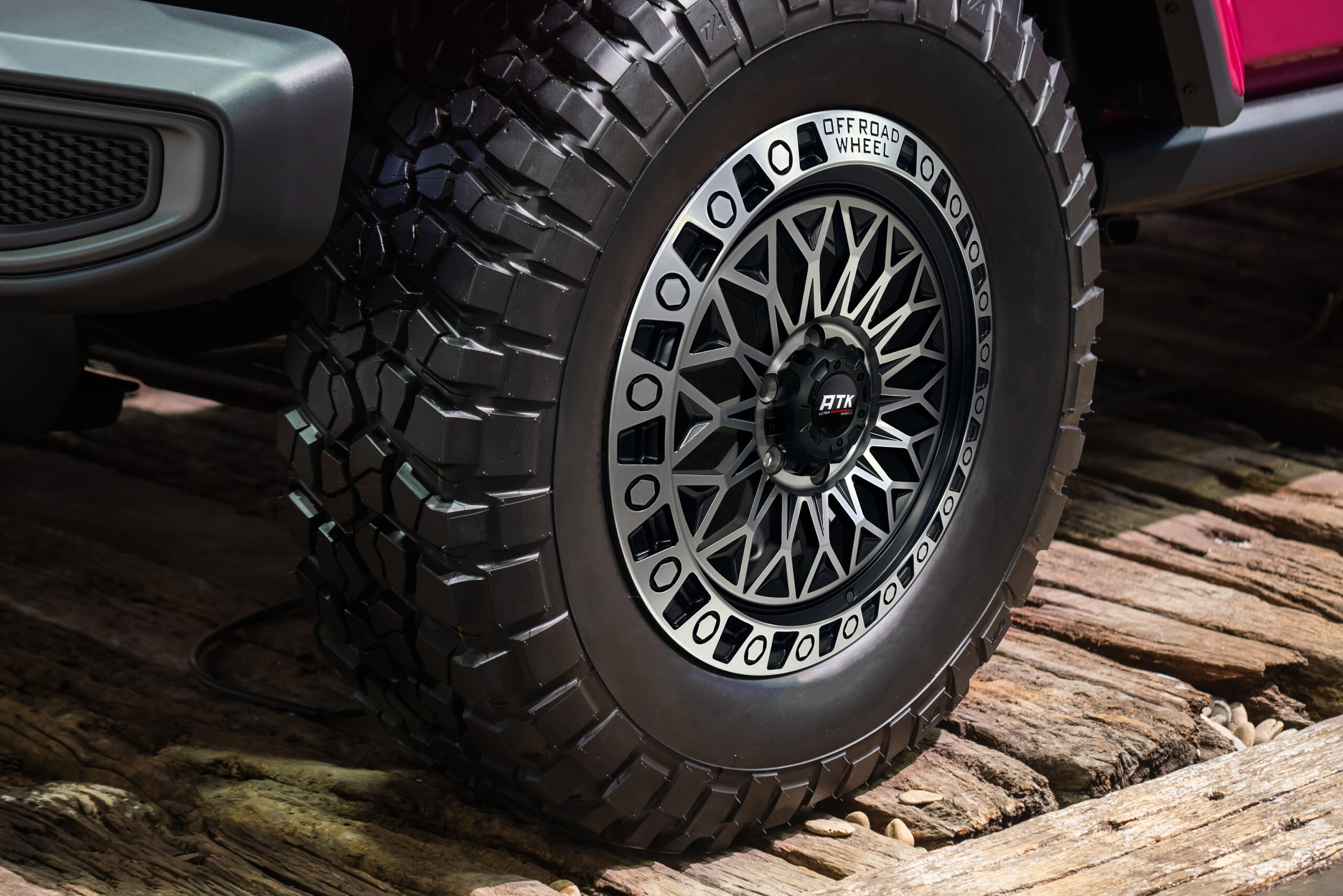
6.Real-World Maintenance: Can a Bent Solid Rim Be Safely Repaired?
One of the greatest practical benefits of steel solid construction emerges when a wheel takes a massive hit from a curb or a deep rock ledge.
When an aluminum alloy wheel suffers a severe impact, the metal tends to crack or break due to its rigid crystalline structure. A cracked alloy wheel is generally unsafe to weld and must be replaced to prevent sudden failures at highway speeds.
[Severe Pothole Impact]
       │
       ├──> Alloy Wheel ───> Cracks/Shatters ──> Needs Replacement (Unsafe to weld)
       │
       └──> Solid Steel ───> Bends/Deforms ────> Can Be Safely Hammered/Rolled Back
In contrast, the steel used in solid wheels is highly malleable. When subjected to extreme forces, it bends and deforms rather than shattering. If you dent the lip of a solid steel option on the trail or a harsh winter road, the structural integrity remains intact.
In most cases, a professional technician (or an off-roader with a hammer in an emergency) can safely roll or hammer the bent lip back into place. This restores the bead seat and allows the tire to hold air, saving you from an expensive replacement.
Frequently Asked Questions(FAQ)
1.Are solid rims heavier than alloy wheels?
Yes. Because they are typically made of high-density pressed steel or full-face forged metal without open spoke cutouts, they carry significantly more material weight than aluminum or magnesium alloys.
2.Do solid wheels fit all types of trucks and SUVs?
Most heavy-duty trucks, commercial vans, and off-road SUVs can easily accommodate solid options. However, it is essential to check your specific vehicle’s bolt pattern, hub-centric diameter, and brake caliper clearance before ordering.
3.Will using solid steel wheels rust my axles?
No. While steel can develop surface rust over time if the protective paint layer is scratched, it does not cause damage to your axles or hub assemblies. Applying a quick touch-up layer of rust-inhibiting paint easily addresses any surface scratches.
4.Why do some commercial fleets use solid styles exclusively?
Commercial operations prioritize running costs, durability, and safety. Solid options minimize wheel failures from curb impacts, eliminate cracked wheel replacements, and keep maintenance costs low over hundreds of thousands of miles.
Finding the Perfect Match For Your Drive
Deciding on the right wheel type comes down to assessing your driving environment. If your daily route involves smooth highways, spirited cornering, and a preference for modern styling, standard alloy options fit the bill perfectly.
However, if you routinely tackle harsh winter conditions, navigate rugged trails filled with debris, or need a dependable setup for heavy-duty hauling, the structural strength of a solid wheel is tough to beat. At ATK Wheels, we specialize in providing heavy-duty wheel options engineered to withstand the toughest road conditions across the country.
Explore our durable wheel collections today to find the perfect balance of strength, reliability, and engineering for your truck or SUV.