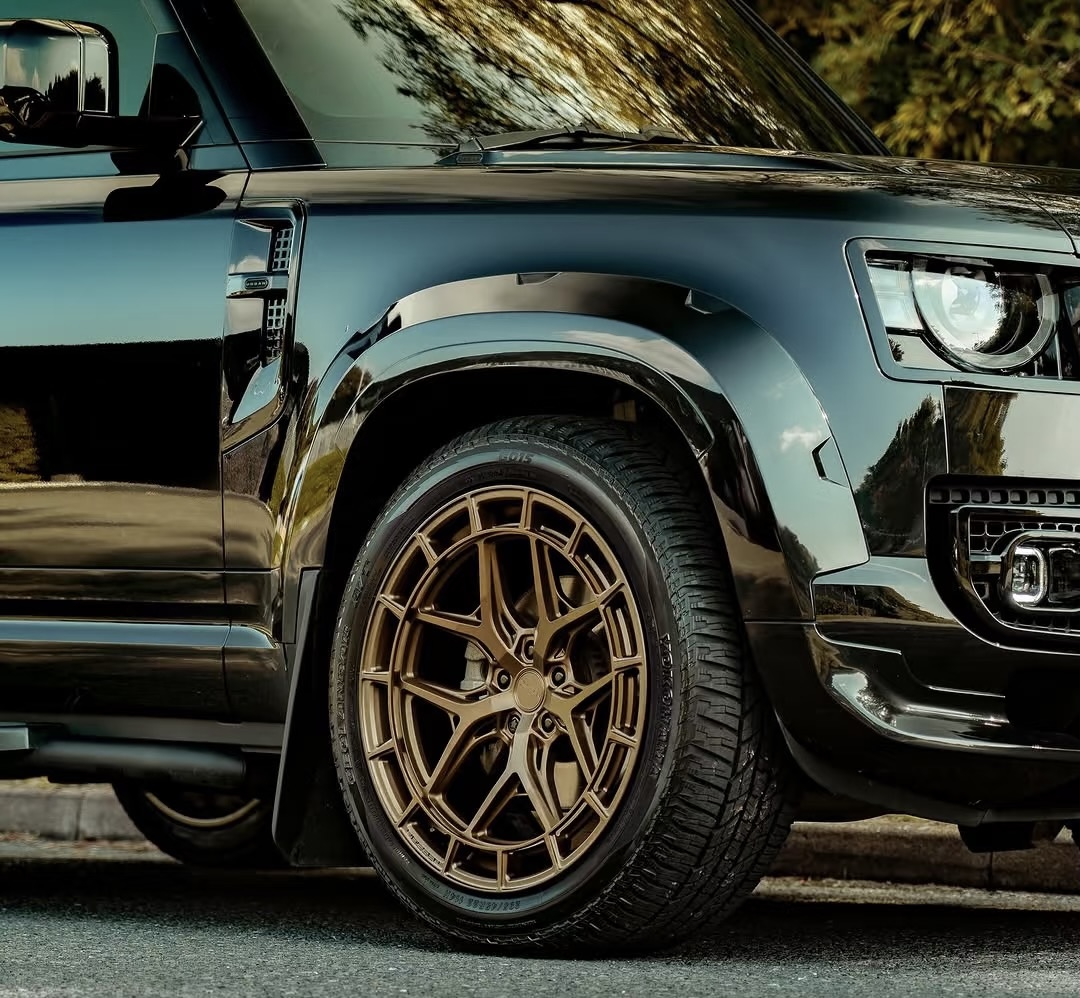
Rims of Wheels: Understanding Types, Materials, Sizes, and Vehicle Fitment
Rims of Wheels: Understanding Types, Materials, Sizes, and Vehicle Fitment
When looking to upgrade a vehicle’s appearance, handling, or load-carrying capacity, few modifications deliver as immediate an impact as changing the rims of wheels. However, navigating the automotive aftermarket can quickly become overwhelming with complex terms like bolt patterns, offset, hub-centric rings, and forged aluminum construction.
Whether you drive a daily commuter sedan, a lifted off-road truck, or a track-ready performance car, choosing the right set of wheel rims requires a clear understanding of how these components are engineered, fitted, and maintained.
This comprehensive technical overview breaks down everything you need to know about rims of wheels, from structural anatomy and manufacturing processes to critical fitment measurements and real-world performance impacts.
1.What Are Rims of Wheels?
Rims of wheels are the outer circular edges of wheel assemblies that directly hold and support the tire. The primary function of the rim is to create a secure, airtight seal against the tire bead, allowing the tire to maintain proper inflation pressure while transmitting rotational force, braking torque, and steering inputs from the vehicle to the road surface.
       +-------------------------------------------------------+
       |                     COMPLETE WHEEL                    |
       |                                                       |
       |   +-------------------+       +-------------------+   |
       |   |     WHEEL RIM     |  +    |   CENTER SECTION  |   |
       |   |  (Outer Barrel &  |       | (Spokes, Hub Bore |   |
       |   |    Bead Seats)    |       |  & Bolt Holes)    |   |
       |   +-------------------+       +-------------------+   |
       +-------------------------------------------------------+
Although many drivers use the terms interchangeably in everyday conversation, the rim is technically a specific component of the overall wheel assembly.
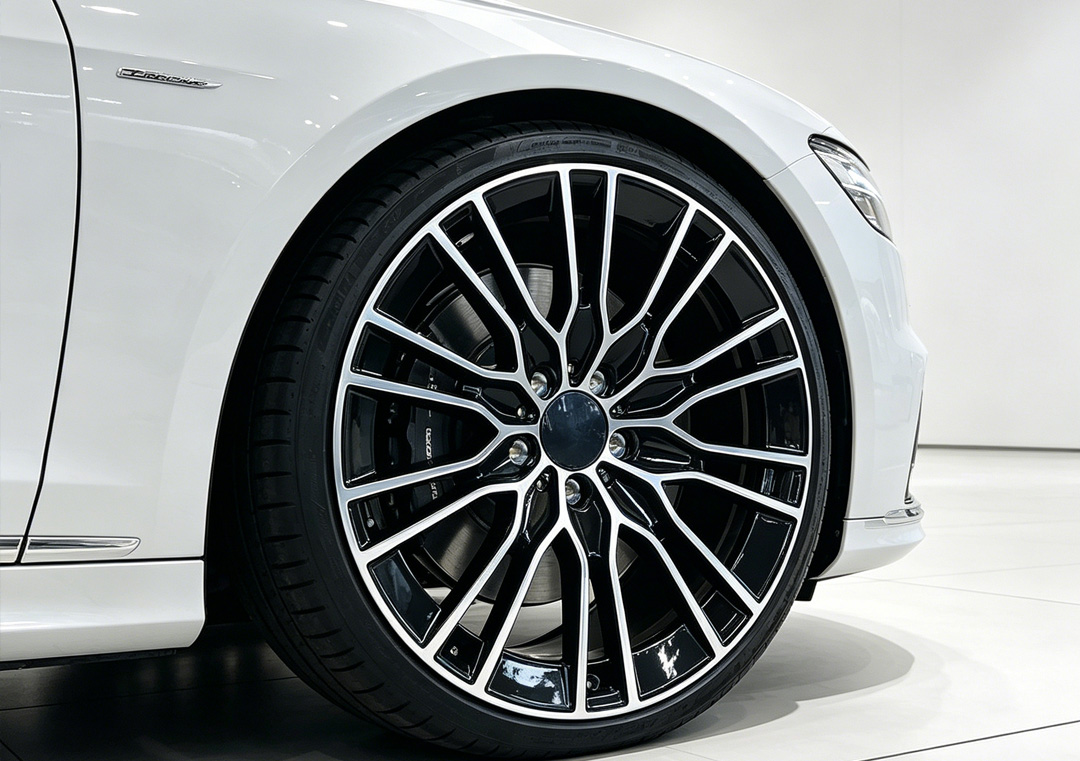
2.Are Rims and Wheels the Same Thing?
No, rims and wheels are not technically the same thing, though colloquial language has blurred the line between them. Understanding the structural distinction is vital when shopping for aftermarket parts or consulting with fitment specialists.
-
The Wheel: The entire metal assembly that attaches to the vehicle’s hub. A wheel consists of the center hub, the mounting face, the spokes, and the rim itself.
-
The Rim: The outer structural ring of the wheel where the tire mounts. It features specialized contours (bead seats and flanges) designed to lock the rubber tire in place under lateral loads and high inflation pressures.
-
The Tire: The flexible rubber component fitted over the rim that makes direct contact with the road.
In short, every rim is part of a wheel, but a rim alone does not constitute a full wheel assembly unless it is manufactured as a single-piece cast or forged unit.
3.Anatomical Breakdown: Key Parts of Wheel Rims
To understand how rims of wheels function, it helps to examine their mechanical design. A wheel rim features several precisely engineered regions:
                  CROSS-SECTIONAL ANATOMY OF A WHEEL RIM

            Outer Lip                           Inner Lip
            +------+                             +------+
            | Flange|                           | Flange|
            +--+---+                             +---+--+
               |  Bead Seat                         |  Bead Seat
               +----+                         +-----+
                    |     Drop Center /       |
                    +--- Barrel Contour ------+
-
Barrel: The main cylindrical body of the rim between the front and rear edges.
-
Drop Center: The recessed channel in the middle of the barrel. It allows the tire bead to slip over the outer flange during mounting and dismounting.
-
Bead Seats: The flat outer surfaces on either side of the barrel where the edges (beads) of the rubber tire sit firmly to create a pressure seal.
-
Flanges: The flared outer and inner lips that keep the tire from slipping off the rim during heavy cornering or sudden pressure shifts.
-
Spokes: The structural arms extending from the central hub to the outer rim. They support vehicle weight and disperse energy from bumps and impacts.
-
Center Bore: The machined opening at the exact center of the wheel face that fits over the vehicle’s axle hub.
4.Manufacturing and Materials for Rims of Wheels
The structural integrity, weight, and visual styling of rims of wheels depend heavily on the materials and manufacturing methods used during production.
1. Steel Rims
Steel rims are stamped from heavy-gauge sheet metal and welded together. They represent the standard choice for entry-level base models, winter tire setups, and commercial vehicles.
-
Pros: Highly durable, resistant to cracking, affordable, and easy to bend back into shape if damaged by potholes.
-
Cons: Very heavy, limited styling options, prone to surface rust if paint is chipped, and adds significant unsprung weight.
2. Cast Aluminum Alloy Rims
Cast alloy rims are created by pouring molten aluminum alloyed with nickel or silicon into a mold. This is the most common manufacturing method for modern factory and aftermarket custom wheels.
-
Pros: Lightweight, highly customizable designs, excellent heat dissipation from brakes, and cost-effective.
-
Cons: More brittle than steel or forged aluminum; strong impacts can cause cracks rather than minor bends.
3. Flow-Formed (Rotary Forged) Alloy Rims
Flow-forming is a hybrid process. It begins with a low-pressure cast wheel blank that is placed on a machine, heated, and spun while hydraulic rollers stretch and compress the aluminum barrel.
-
Pros: Achieves structural grain density similar to full forging at a fraction of the cost, lighter than standard cast wheels, and highly resistant to impact flex.
-
Cons: Slightly more expensive than traditional gravity or low-pressure cast rims.
4. Forged Aluminum Rims
Forged rims are manufactured from a solid billet of aerospace-grade aluminum. The metal is subjected to immense pressure and heat, forcing the grain structure to align along the contours of the wheel design.
-
Pros: Exceptional strength-to-weight ratio, maximum resistance to bending and cracking, light weight for optimal performance, and premium finishes.
-
Cons: Premium price point due to complex machining requirements.
Material & Manufacturing Method Comparison
| Characteristic | Steel Rims | Cast Alloy Rims | Flow-Formed Alloy | Forged Alloy Rims |
|---|---|---|---|---|
| Manufacturing Process | Stamped & Welded | Pouring Molten Metal | Cast Center + Rolled Barrel | Pressing Solid Billet |
| Weight | Heavy | Moderate | Light | Extremely Light |
| Structural Strength | High (Bends) | Moderate (Brittle) | High | Maximum |
| Customization / Styles | Very Limited | High | High | Very High |
| Relative Price | Budget Moderate Mid-Tier Premium | |||
| Primary Use Case | Winter / Utility | Daily Driving | Performance / Track | High-End / Motorsports |
5.Crucial Fitment Parameters: How to Choose the Right Rims
Installing mismatched rims of wheels can cause severe tire rubbing, suspension wear, speed accuracy issues, or mechanical failure. To ensure proper vehicle compatibility, always verify these five key fitment specifications.
                   CRITICAL FITMENT SPECIFICATIONS

        +-----------------------------------------------------+
        |  1. Diameter & Width     (e.g., 18" x 8.5")         |
        |  2. Bolt Pattern (PCD)   (e.g., 5x114.3 mm)         |
        |  3. Wheel Offset (ET)    (e.g., +35 mm)             |
        |  4. Center Bore          (e.g., 73.1 mm vs 66.1 mm) |
        |  5. Load Rating          (e.g., 1,800 lbs per rim)  |
        +-----------------------------------------------------+
1. Rim Diameter and Width
Expressed in inches (e.g., 18×8.5), diameter measures the distance across the rim face where the tire sits, while width measures the distance between the inner and outer bead flanges.
2. Bolt Pattern (Pitch Circle Diameter – PCD)
The bolt pattern indicates the number of lug holes and the diameter of the imaginary circle they form.
-
Example: 5×114.3 means 5 lug holes arranged around a 114.3 mm circle.
-
Important: A wheel will not physically bolt up if the PCD does not match your vehicle’s hub setup perfectly.
3. Wheel Offset (ET) and Backspacing
Offset is the distance in millimeters from the wheel’s true centerline to its mounting pad surface:
-
Positive Offset (+ET): The mounting face is closer to the front street-facing side of the wheel (common on modern front-wheel-drive and AWD vehicles).
-
Zero Offset (ET0): The mounting face aligns evenly with the geometric centerline of the rim barrel.
-
Negative Offset (-ET): The mounting face sits closer to the back edge of the wheel, pushing the outer face outward for a wide stance (popular on truck and off-road builds).
        NEGATIVE OFFSET (-)       ZERO OFFSET (0)       POSITIVE OFFSET (+)
           [Mount Face]            [Mount Face]            [Mount Face]
         <--- |                      |                      ---> |
       +------+------+        +------+------+        +------+------+
       |      |      |        |      |      |        |      |      |
       |      |      |        |   |  |  |   |        |      |      |
       +------+------+        +------+------+        +------+------+
          Outer Edge            Center Line            Outer Edge
4. Center Bore and Hub-Centric Rings
The center bore is the machined hole behind the center cap.
-
Hub-Centric Wheels: The center bore matches the vehicle’s hub diameter exactly, centering the weight of the car on the axle hub.
-
Lug-Centric Wheels: The center bore is larger to fit multiple vehicle applications, relying entirely on lug nuts to center the wheel.
-
Tip: If using lug-centric aftermarket wheels on a hub-centric vehicle, install polyurethane or aluminum hub-centric rings to prevent high-speed steering wheel vibrations.
5. Load Rating
Every wheel rim carries a maximum weight rating. Ensure the combined rating of four rims exceeds your vehicle’s Gross Axle Weight Rating (GAWR), especially on heavy-duty trucks and towing rigs.
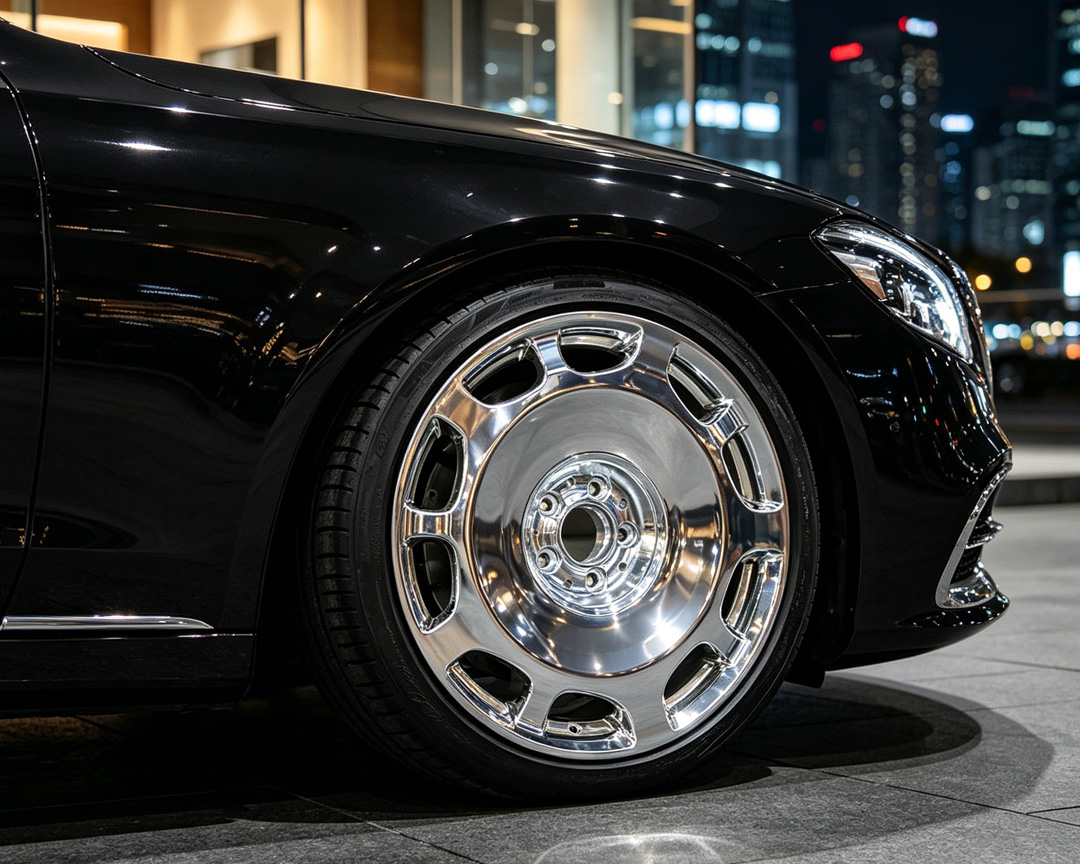
6.Do Bigger Rims Improve Car Performance?
Upgrading to larger diameter rims—a practice often called “plus-sizing”—is a popular modification. However, changing wheel sizes involves engineering trade-offs between performance, comfort, and operating costs.
       PLUS-SIZING EFFECT ON TIRE SIDEWALL

       Stock Setup (17" Rim)              Plus-Sized Setup (19" Rim)
       +-------------------+              +-------------------+
       |   Rubber Tire     |              |   Rubber Tire     |
       |   (Tall Sidewall) |              | (Short Sidewall)  |
       |  +-------------+  |              |  +-------------+  |
       |  |  17" Rim    |  |              |  |  19" Rim    |  |
       |  +-------------+  |              |  +-------------+  |
       +-------------------+              +-------------------+
The Pros of Larger Rims
-
Sharper Steering Response: Larger rims require shorter tire sidewalls (low-profile tires), which reduces sidewall flex during hard cornering.
-
Enhanced Visual Appeal: Larger rims fill out the wheel arches, creating a sportier, more aggressive vehicle stance.
-
Brake Clearance: Larger internal rim diameters provide space for high-performance big brake kits (BBKs).
The Cons of Larger Rims
-
Fewer Cushioning Layers: Thinner tire sidewalls absorb fewer road bumps, leading to a firmer, sometimes harsh ride.
-
Increased Risk of Rim Damage: Potholes and curbs pose a greater threat to low-profile tires, making rim bends or structural cracks more likely.
-
Rotational Inertia: Unsprung weight positioned further from the axle centerline can slightly reduce low-end acceleration and decrease fuel economy.
7.Key Maintenance Tips for Custom Wheel Rims
Proper care preserves both the structural safety and appearance of your rims of wheels. Modern finishes—including clear-coated aluminum, powder coat, chrome, and matte paint—require specific maintenance habits:
-
Clean When Cool: Never wash warm rims directly after driving. Sudden temperature shifts can warp brake rotors or damage warm clear coats.
-
Use pH-Neutral Cleaners: Avoid harsh acid-based wheel cleaners that can strip protective coatings or pit polished metal surfaces over time.
-
Apply Protective Sealants: Apply dedicated wheel wax or ceramic coating every few months to repel brake dust accumulation, salt, and road grime.
-
Mind the Torque Specs: When mounting rims, use a calibrated torque wrench to tighten lug nuts in a star pattern. Overtightening can warp the wheel mounting pad, while undertightening risks wheel detachment.
Frequently Asked Questions(FAQ)
1.What are rims of wheels?
Rims of wheels are the outer circular sections of wheel assemblies that directly hold and retain the tire. They form an airtight seal against the tire bead, allowing the tire to maintain inflation pressure while transferring rotational forces from the vehicle’s engine and drivetrain to the road.
2.Are rims and wheels the same thing?
No. A wheel refers to the complete unit, including the mounting hub, spokes, center face, and rim. The rim is specifically the outer circular edge where the tire mounts. While people often use the word “rim” when referring to custom aftermarket wheels, it is technically just one structural area of the total wheel assembly.
3.How do I choose the right rims for my wheels?
Select the appropriate rims by checking your vehicle’s structural requirements:
-
Verify the exact diameter and rim width compatibility.
-
Confirm the bolt pattern (PCD) matches your hub.
-
Choose the correct offset (ET) to avoid rubbing internal suspension components or fender liners.
-
Ensure the center bore matches or use hub-centric adapter rings.
-
Confirm the wheel load rating meets your vehicle’s weight requirements.
4.Do bigger rims improve car performance?
Larger rims paired with low-profile tires can improve cornering stability and steering responsiveness by lessening tire sidewall flex. They also allow clearance for larger performance brake upgrades. However, larger rims can make the ride firmer, increase wheel weight, and leave the rim more vulnerable to damage from road hazards like potholes.
5.What materials are rims of wheels made from?
Most modern rims are manufactured from stamped steel or aluminum alloy. Aluminum alloy rims are lighter, provide better heat dissipation, and offer varied design options. Steel rims are heavier but offer reliable durability and affordability, making them popular for commercial use or winter conditions. Performance applications may also utilize rotary-forged aluminum or carbon fiber.
Upgrade Your Ride with Confidence
Upgrading the rims of wheels on your vehicle is one of the most effective ways to balance eye-catching style with real-world handling performance. By understanding crucial structural metrics—such as bolt patterns, manufacturing methods, and proper offset selection—you can confidently select a setup that fits your vehicle correctly without sacrificing safety or ride quality.
If you are looking to transform your vehicle’s look or optimize its performance, explore high-quality custom wheel options at ATK Wheels. Their team offers expert fitment advice, durable finishes, and precision-engineered wheel applications tailored to your specific driving needs.