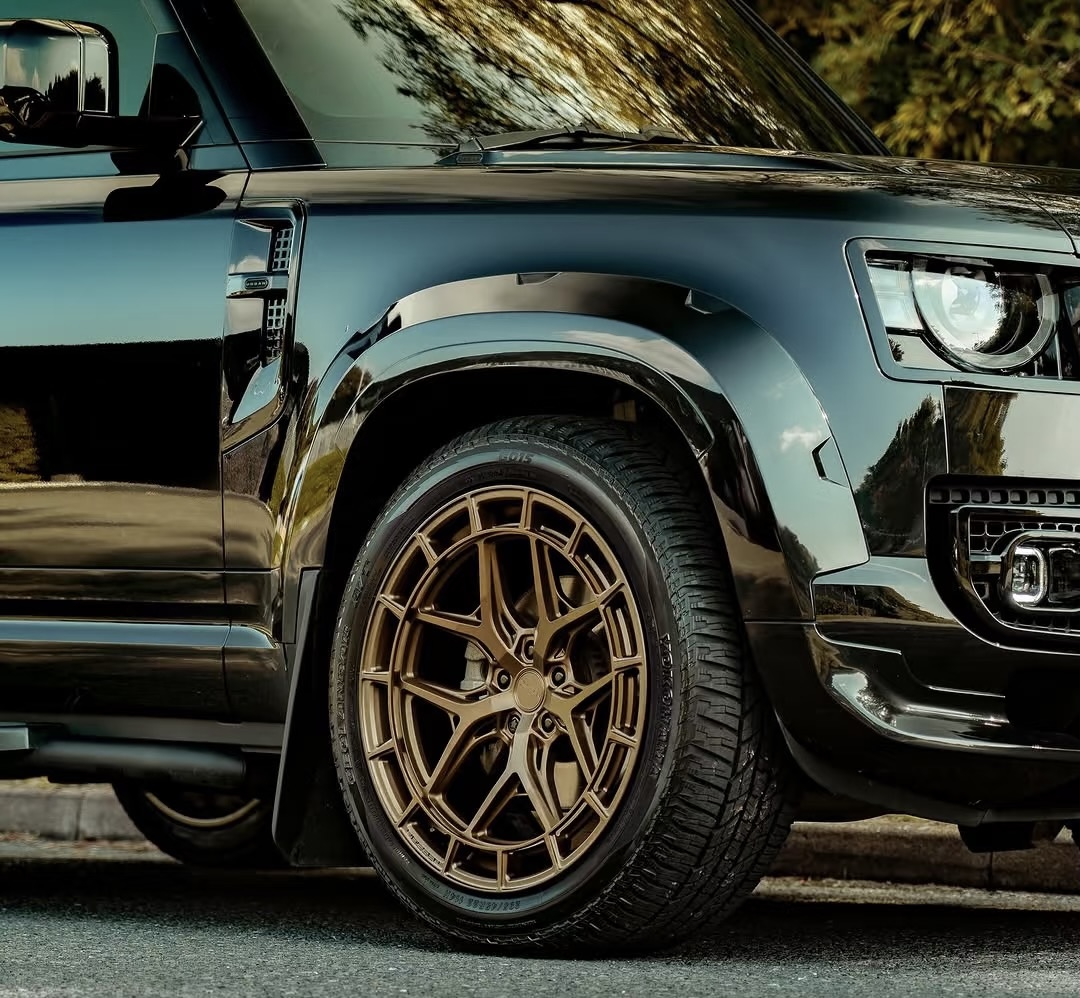
Rims Forsale: What to Know Before Buying New Wheels
Rims Forsale: What to Know Before Buying New Wheels
Finding the ideal set of rims for sale involves far more than picking an eye-catching finish or an aggressive spoke design. Every vehicle on the road today relies on a precisely engineered mechanical system where the wheel hub, suspension geometry, steering linkage, and braking assemblies meet. Each car model requires exact fitment alignment across multiple critical dimensions—including bolt patterns, offset values, center hub bores, and certified load capacities. Installing incorrect wheel specifications can jeopardize passenger safety, cause severe fender tire rubbing, destroy expensive suspension components, and permanently miscalibrate electronic stability systems and speedometer readings.
This comprehensive technical breakdown covers everything vehicle owners need to know about purchasing new, pre-owned, factory OEM, or custom aftermarket wheels. Whether you are upgrading a daily commuter sedan for better fuel efficiency, outfitting a lifted off-road 4×4 truck for tough trails, or building a high-performance track car, this resource ensures your next set of wheels delivers optimal fitment, performance, and long-lasting style.
1.What to Check When Browsing Rims for Sale
When searching through listings of custom wheels and rims for sale, physical compatibility comes first. Automobile manufacturers engineer wheel wells with minimal tolerance for error. Installing an incompatible wheel can lead to structural interference with suspension struts or outer fender edges. Before placing an order or finalizing a transaction, systematically verify these critical structural metrics.
1. Bolt Pattern (Pitch Circle Diameter / PCD)
The bolt pattern indicates how many lug holes the wheel features and the exact diameter of the imaginary circle formed by the centers of those lug holes.
-
Standard Notation: Expressed as the total lug count multiplied by the circle diameter in millimeters or inches (e.g.,
5x114.3or6x139.7). -
Critical Fitment Rule: The bolt pattern on the wheel must match your vehicle’s axle hub studs with zero variance. While aftermarket adapter plates exist to convert bolt patterns, direct-fit wheels are always superior for structural integrity, thread engagement, and high-speed vibration elimination.
2. Wheel Diameter and Width
Wheel dimensions are measured in inches across two primary physical axes:
-
Overall Diameter: The distance across the circular face of the wheel from bead seat to bead seat (e.g., 17-inch, 18-inch, 20-inch).
-
Rim Width: The distance between the inner and outer rim flanges where the tire bead seats (e.g., 8.5 inches, 9.5 inches).
-
Performance Impact: Changing wheel diameter or width alters sidewall height and overall tire contact patch. Maintaining the total rolling tire diameter within ±3% of factory specifications ensures proper function and calibration of anti-lock braking systems (ABS) and traction control.
3. Wheel Offset (ET) and Backspacing
Offset determines how deep the wheel sits inside the fender well relative to the mounting hub surface. Measured in millimeters, offset is designated as positive, zero, or negative (marked as ET on the back of the wheel rim):
-
Positive Offset (High ET): The hub mounting pad sits toward the front face of the wheel. This configuration is standard on modern front-wheel drive (FWD) and all-wheel drive (AWD) vehicles.
-
Zero Offset: The mounting pad aligns directly with the mechanical centerline of the rim width.
-
Negative Offset (Low/Deep Dish ET): The mounting pad sits toward the rear of the wheel, pushing the face inward and causing the rim to extend outward past the fender. Popular on lifted trucks and aggressive off-road setups.
4. Center Bore and Hub-Centric Design
The center bore is the machined central hole on the back of the rim that rests directly against the vehicle’s center axle hub.
-
Hub-Centric Wheels: The center bore matches the vehicle’s hub diameter exactly. The hub carries the primary weight of the vehicle, ensuring vibration-free operation at highway speeds.
-
Lug-Centric Wheels: The center bore is intentionally oversized, relying entirely on lug nuts to center the wheel on the hub.
-
Hub-Centric Rings: If you buy aftermarket rims with a larger center bore than your vehicle hub, install high-grade aluminum or polycarbonate hub-centric rings to center the wheel perfectly and eliminate wheel wobble.
5. Wheel Load Rating
Every rim carries a maximum weight capacity rating stamped into the rear structure of the casting or forging.
-
Light passenger cars typically require load ratings around 1,200 to 1,500 lbs per wheel.
-
Heavy-duty pickup trucks and towing vehicles require load ratings exceeding 2,500 to 3,500 lbs per wheel.
-
Never install wheels with a load rating lower than half your vehicle’s maximum gross axle weight rating (GAWR).
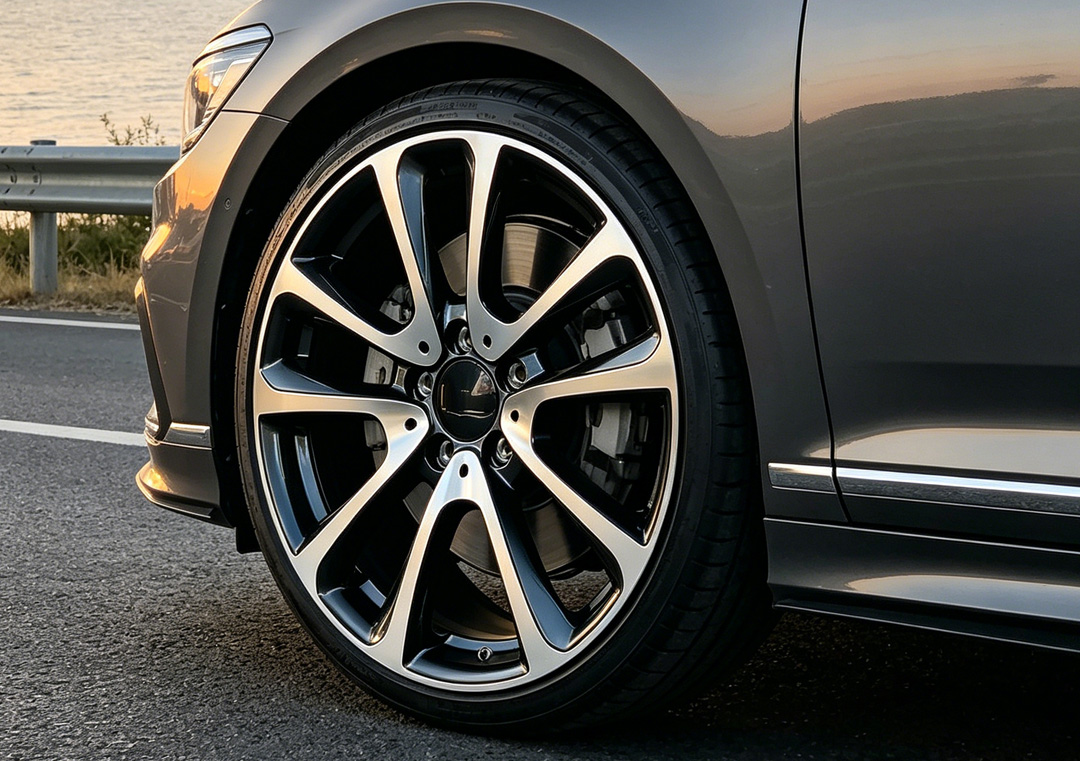
2.OEM vs. Aftermarket Rims for Sale: A Structural Comparison
Deciding between Original Equipment Manufacturer (OEM) wheels and aftermarket rims depends on budget, performance expectations, and aesthetic goals. Below is a detailed feature-by-feature breakdown comparing these primary wheel categories:
| Specification | OEM Rims | Aftermarket Rims | Refurbished Rims |
|---|---|---|---|
| Fitment Guarantee | 100% Direct Factory Match | Requires Specific Verification | Direct Factory Match |
| Weight Options | Standard Cast Weight | Cast, Flow-Formed, Forged | Standard Cast Weight |
| Design Variety | Limited Stock Styles | Massive Style & Finish Catalog | Factory Finishes Only |
| Price Range | High (New Dealership Price) | Moderate to Premium | Cost-Effective |
| Structural Strength | Tested Factory Standard | Varies by Brand (Forged = Top) | Fully Inspected |
Factory Original (OEM) Rims
OEM wheels are engineered by or directly for the original vehicle manufacturer (such as Ford, Chevrolet, Toyota, or BMW).
-
Key Advantages: Guaranteed 100% direct factory fitment, strict crash and fatigue testing, exact color matching for stock restoration, and zero need for hub rings or modified lug hardware.
-
Main Disadvantages: High dealer retail pricing, standard cast weight profiles, and limited styling variations across trim levels.
Aftermarket Performance & Custom Rims
Aftermarket manufacturers produce rims catering to automotive enthusiasts seeking improved track performance, lightweight alloy construction, or unique cosmetic stances. Specialty brands like ATK Wheels engineer aftermarket designs built to withstand demanding driving conditions while elevating overall curb appeal.
-
Cast Aluminum: Liquid aluminum poured into a mold. Highly cost-effective and durable for daily driving, though relatively heavy.
-
Flow-Formed (Rotary Forged): The wheel face is cast, then the barrel is stretched and rolled under high pressure and heat. Yields exceptional shock resistance and lighter weight at reasonable price points.
-
Fully Forged: Machined from a single solid block of aircraft-grade 6061-T6 aluminum. Extremely light and strong, ideal for high-performance track and serious off-road applications.
3.Evaluating New vs. Used Rims for Sale
Purchasing pre-owned wheels offers substantial cost savings, but requires careful physical inspection to avoid dangerous hidden structural defects.
Critical Checklist for Pre-Owned Wheels
-
Check for Radial and Lateral Bends: Run your fingers carefully along the inside and outside lips of the rim barrel. Have a local tire shop mount the rim onto a spin balancer without a tire attached. Visual wobbling or hopping indicates a bent wheel that will cause high-speed cabin vibrations.
-
Inspect for Micro-Cracks and Hairline Fractures: Examine the inner rim lip thoroughly under strong lighting, especially on low-profile tire setups. Hairline fractures occur frequently after impacts with deep potholes. Avoid wheels with welded repairs on the inner barrel lip unless certified by an accredited metallurgical repair facility.
-
Evaluate Corrosion and Clear-Coat Degradation: Surface rust occurs on steel wheels, while aluminum rims suffer from white spiderweb oxidation beneath the clear coat or around the valve stem hole. Severe bead oxidation breaks the airtight seal, leading to persistent slow air leaks.
-
Verify Lug Hole Integrity: Inspect lug hole seats (conical, ball, or flat washer) for wall elongation, cracking, or thread damage caused by improper air-impact wrench torque settings.
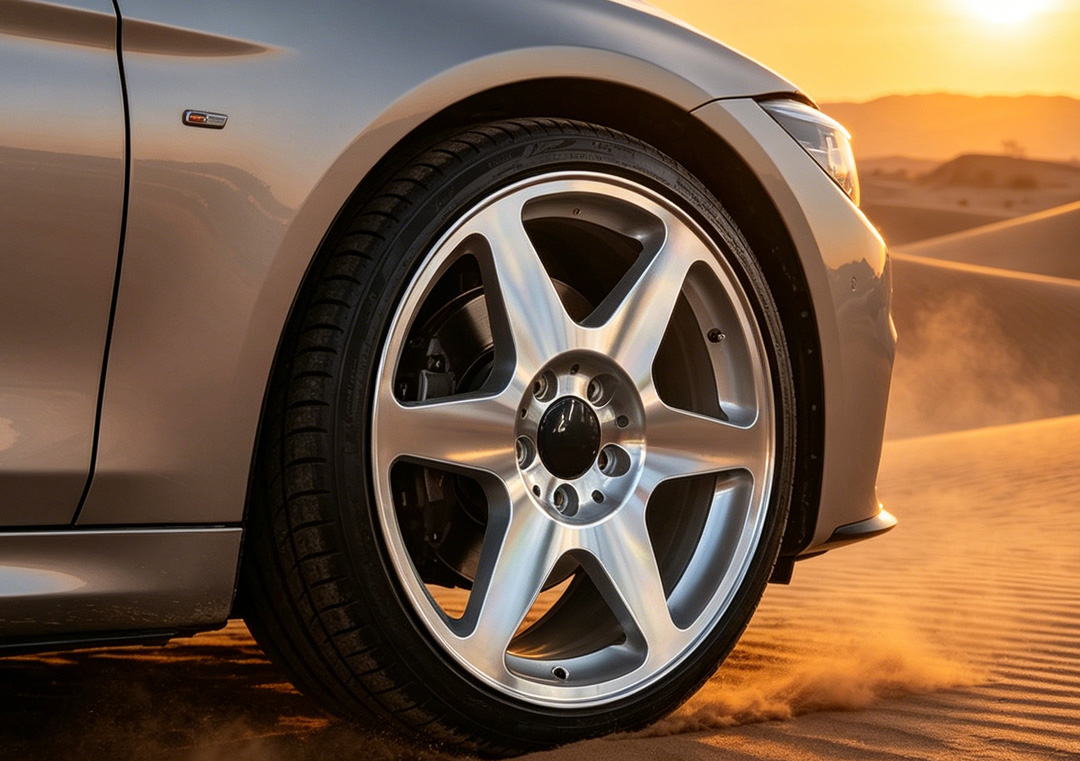
4.Step-by-Step Walkthrough: Measuring Fitment Before Purchasing
-
Locate Factory Specifications: Read the tire information placard on your driver’s side door jamb, or consult your owner’s manual to find stock wheel diameter, width, and tire sizing.
-
Measure Clearance Space: Measure the clearance distance between your current tire inner sidewall and the suspension strut, as well as the outer sidewall to the inner fender edge.
-
Verify Caliper Clearance: Upgraded big brake kits require high-disk wheel face profiles that clear wide multi-piston calipers without touching the spokes.
-
Source Hardware Accessories: Most aftermarket wheels require aftermarket spline-drive lug nuts because factory lug nuts are often too wide for smaller aftermarket lug wells. Transfer existing Tire Pressure Monitoring System (TPMS) sensors or order pre-programmed replacement TPMS units alongside your new setup.
5.Wheel Finishes, Maintenance, and Winter Protection
Choosing the right finish for your rims for sale is not only a styling choice, but also determines how much maintenance is required to keep them looking pristine in harsh driving conditions.
Common Rim Finishes
-
Painted / Clear-Coated: The most durable finish for year-round driving. A tough clear coat seals the alloy against road salt, water, and grime.
-
Powder-Coated: Applied as a dry powder and baked under high heat to form a thick, chip-resistant protective shell. Excellent for off-road trucks and winter wheel setups.
-
Machined / Diamond-Cut: A precise CNC lathe cuts fine lines across the wheel face to expose raw aluminum, which is then sealed with clear coat for a high-tech two-tone contrast.
-
Chrome Plating: Electroplated metal layering that provides a mirror-like shine. Chrome requires regular cleaning and wax protection to prevent pitting and flaking in humid or snowy regions.
Long-Term Rim Care Tips
To preserve structural finish and resale value, wash your wheels regularly using pH-neutral wheel cleaners. Avoid harsh acid-based cleaners that can strip clear coats or stain exposed alloy. Always clean wheels when they are cool to the touch to prevent thermal shock and chemical spotting on heated brake rotors.
Frequently Asked Questions(FAQ)
1.What should I look for when buying rims for sale?
Check the wheel diameter, width, bolt pattern (PCD), offset (ET), center bore diameter, load rating, and overall structural condition. Matching these technical specs ensures safe operation, proper brake clearance, and zero body rubbing.
2.Are rims for sale sold individually or as a set?
Listings vary by vendor. Some sellers list prices per single wheel—allowing customers to buy replacements for damaged units—while others bundle complete sets of four. Always review product details and check listing quantities before completing your order.
3.What is the difference between OEM and aftermarket rims for sale?
OEM (Original Equipment Manufacturer) wheels are designed by auto manufacturers specifically for a particular make and model. Aftermarket rims are produced by third-party manufacturers, offering broader design variations, custom offsets, lightweight forged options, and custom finishes.
4.Can I buy used rims for sale safely?
Yes, pre-owned rims offer strong value, provided you inspect them thoroughly. Check for hairline cracks along the inner lip, bent barrels, heavy curb rash, bead corrosion, and elongated lug holes. Spin-testing the wheel on a wheel balancer is the safest way to confirm true rotation.
5.How do I know if rims for sale will fit my car?
Match the rim’s diameter, width, bolt pattern (e.g., 5×114.3), offset, and center bore to your vehicle’s factory hub specs. You can check your owner’s manual, use a wheel fitment database, or consult wheel specialists at platforms like ATK Wheels.
Final Considerations
Upgrading your vehicle with the right rims for sale improves styling, handling precision, and overall driving enjoyment. By paying close attention to technical metrics—bolt pattern, offset, center bore, and load capacity—you can select aftermarket or replacement wheels with complete confidence.
Ready to transform your vehicle’s appearance and driving dynamics? Explore the high-performance catalog at ATK Wheels to discover precision-engineered, stylish, and durable wheel setups crafted for your vehicle today.