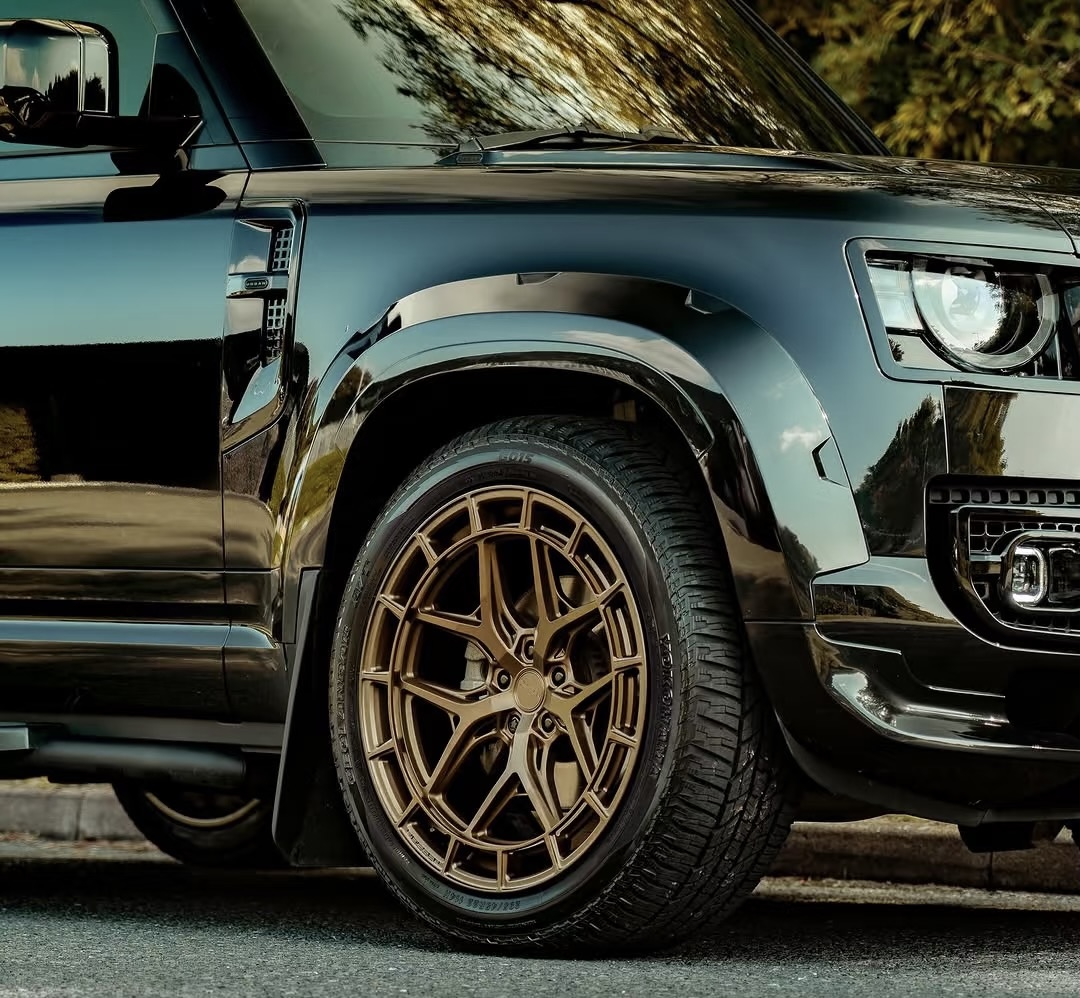
Rims for Sale: Everything You Need to Know Before Buying Your Next Set
Rims for Sale: Everything You Need to Know Before Buying Your Next Set
Finding the perfect set of rims for sale can completely transform how your vehicle looks, handles, and feels on the road. Whether you want an aggressive stance for your truck, lightweight performance for a sports sedan, or simply a reliable replacement set for daily commuting, buying new wheels is one of the single most impactful upgrades you can make.
However, with thousands of design combinations, offsets, bolt patterns, and material types available, finding options that look great and fit correctly requires a clear understanding of wheel geometry.
In this comprehensive overview, we break down everything you need to know before hitting “add to cart,” covering technical fitment factors, material differences, performance trade-offs, and practical inspection tips.
1.At a Glance: Key Considerations When Shopping for Rims
Quick Summary: Before buying rims for sale, verify four key dimensions: Bolt Pattern (PCD), Wheel Diameter and Width, Offset (ET), and Center Bore. Choose cast alloys for affordable styling, flow-formed or forged aluminum for lightweight strength, or steel for heavy winter duty.
2.Rims vs. Wheels: Clearing Up the Terminology
In everyday car enthusiast speak and shop listings, the terms rims and wheels are routinely used as synonyms. You will hear drivers ask about “truck rims,” “custom rims,” or “aftermarket wheels,” all referring to the same product.
However, technically speaking, there is a distinct structural difference:
-
The Rim: The outer circular edge of the assembly that holds and seals the tire bead in place.
-
The Wheel: The entire metal structure, which includes the outer rim barrel, the center hub, and the spokes connecting them.
When browsing online stores or local auto shops for rims for sale, you are almost always purchasing the complete wheel assembly.
3.Crucial Fitment Specs to Check Before You Buy
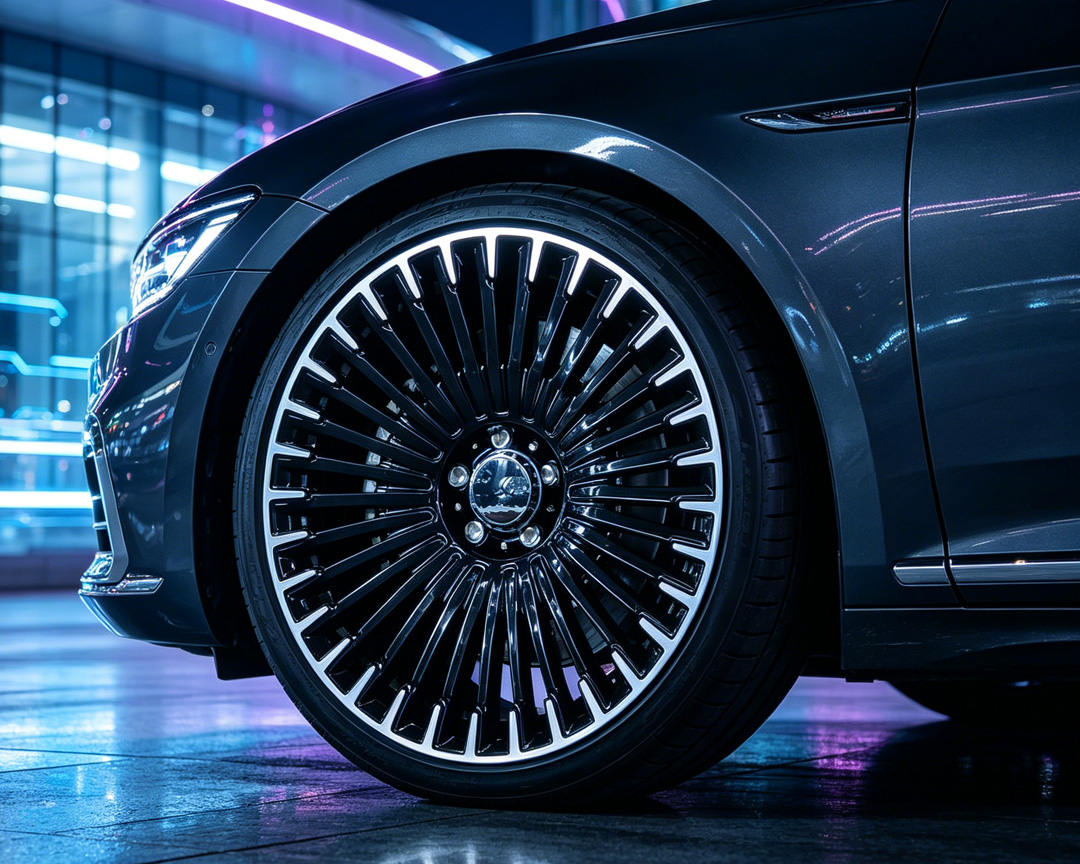
Nothing is more frustrating than ordering a stunning set of aftermarket rims for sale only to find they rub against your brake calipers or stick out too far past your fenders. To guarantee a seamless, direct-fit installation, verify these four critical specifications for your exact year, make, and model.
       [ Outer Rim Edge ]
             |
   +---------|---------+
   |         |         |
   |     (Spokes)      | <--- Offset (ET) measures distance
   |         |         |      from mounting face to center line
   |    [ Center ]     |
   |    (Hub Bore)     | <--- Center Bore fits wheel hub
   +-------------------+
1. Bolt Pattern (PCD – Pitch Circle Diameter)
The bolt pattern indicates how many lug holes the wheel has and the diameter of the imaginary circle they form. It is expressed as [Number of Lugs] x [Circle Diameter in mm or inches].
-
Common Examples:
-
5x114.3(5×4.5″): Extremely common on Japanese brands like Honda, Toyota, and Ford sedans/SUVs. -
5x120: Popular on BMWs, Chevy Camaros, and select crossovers. -
6x139.7(6×5.5″): Standard across many light trucks and full-size SUVs (Ford, Chevy, Toyota trucks).
-
-
Why it matters: If the bolt pattern does not match your vehicle’s wheel hub precisely, the rim cannot be mounted safely.
2. Wheel Size (Diameter & Width)
Wheel size is usually stamped on the inside of the rim barrel in a format like 18×8.5.
-
18 represents the overall diameter in inches.
-
8.5 represents the width across the inner tire seating surface in inches.
If you plan to re-use your existing tires, your new rims must match your current tire’s inner diameter (e.g., an 18-inch tire requires an 18-inch rim). If you are buying a complete wheel and tire package, you have flexibility to step up in diameter (plus-sizing), provided you select lower-profile tires to maintain total rolling height.
3. Offset (ET) and Backspacing
Offset determines how deep inside the wheel well your rim sits relative to the mounting surface. It is measured in millimeters and designated as ET (from the German word Einpresstiefe).
-
Positive Offset (+ET): The mounting hub surface sits toward the front face of the wheel. Typical on modern front-wheel-drive and crossover vehicles.
-
Zero Offset (ET0): The mounting hub lines up evenly with the center line of the rim barrel.
-
Negative Offset (-ET): The mounting surface sits deep inside the wheel, pushing the face outward for a wide, aggressive stance. Common on off-road trucks and lifted Jeeps.
Caution: An incorrect offset can cause your tires to rub against suspension components on the inside, or fender lips on the outside.
4. Center Bore and Hub-Centric Rings
The center bore is the machined hole on the back of the rim that sits directly over your vehicle’s wheel hub axle.
-
Hub-Centric Rims: The center bore matches your vehicle’s hub diameter perfectly, carrying the weight of the vehicle directly on the hub center.
-
Lug-Centric Rims: The center bore is larger than your vehicle hub to fit multiple car models. The wheel centers itself using the tapered lug nuts.
If you buy aftermarket rims for sale with a larger center bore than your vehicle’s hub, you should use inexpensive plastic or aluminum hub-centric rings to eliminate high-speed steering wheel vibration.
4.Materials & Construction: Alloy vs. Steel vs. Forged
Not all wheels are created equal. The manufacturing process used to create a rim directly dictates its weight, structural rigidity, appearance, and cost.
Comparison Matrix: Rim Types Overview
| Feature / Type | Cast Aluminum Alloy | Flow-Formed Alloy | Fully Forged Aluminum | Stamped Steel |
|---|---|---|---|---|
| Price Point | Budget to Mid-Range | Mid to Premium | High-End / Luxury | Ultra-Budget |
| Weight | Moderate | Lightweight | Ultra-Lightweight | Heavy |
| Strength / Rigidity | Standard | High | Maximum | High (Flexes without cracking) |
| Style & Finishes | Unlimited designs | Sleek performance styles | Custom high-end cuts | Basic, utilitarian |
| Best For | Daily drivers, commuters | Track days, performance | Racing, exotic cars | Winter tires, off-road |
Cast Aluminum Alloy Rims
Molten aluminum is poured into a mold shaped like the desired wheel design. Once cooled, it is trimmed and finished.
-
Pros: Highly affordable, endless variety of spoke designs, finishes (matte black, chrome, brushed silver), and finishes.
-
Cons: Slower heat dissipation and heavier than forged rims; can crack under sudden high impacts.
Flow-Formed (Rotary Forged) Rims
Flow-forming starts as a specialized cast rim. The inner barrel is then spun under extreme pressure and heat, stretching the aluminum grain structure.
-
Pros: Approaching forged strength and low weight at a fraction of the cost; excellent for high-performance driving.
-
Cons: Slightly more expensive than traditional cast wheels.
Fully Forged Rims
Forged wheels are machined out of a single solid block of dense, aerospace-grade aluminum under intense hydraulic pressure.
-
Pros: Extremely light, maximum strength-to-weight ratio, high resistance to cracking under track stress.
-
Cons: Premium price tag; generally reserved for high-end sports cars or heavy custom builds.
Stamped Steel Rims
Made by pressing heavy steel plates into shape and welding the center dish to the outer barrel.
-
Pros: Very low cost, durable, flexes under impact rather than cracking (can often be hammered flat again).
-
Cons: Heavy (increases unsprung weight), basic industrial aesthetics, susceptible to surface rust if paint chips.
5.How Upgrading Your Rims Impacts Vehicle Performance
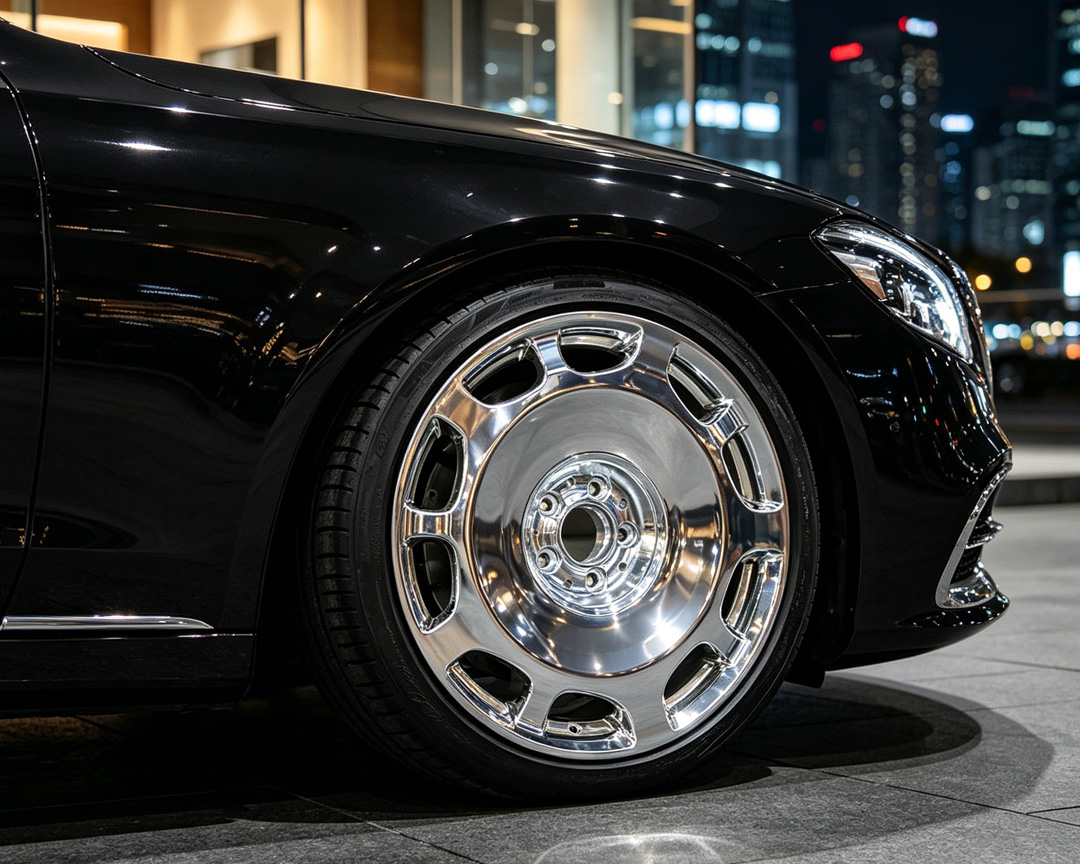
Upgrading your wheels isn’t just a cosmetic makeover—it fundamentally alters vehicle dynamics due to changes in unsprung mass (the weight of suspension parts, brakes, wheels, and tires not supported by the springs).
   [ Vehicle Body ]  <--- Sprung Weight (Supported by suspension)
   ================
      [ Springs ]
   ================
   [ Wheels/Tires ]  <--- Unsprung Weight (Directly impacts dynamics)
1. Steering Response and Handling
Moving to a larger rim diameter allows you to run lower-profile tires with stiffer sidewalls. This reduces tire squirm during hard cornering, giving you sharper, more immediate steering response.
2. Acceleration and Braking
Reducing wheel weight improves overall performance. Lighter flow-formed or alloy rims require less rotational kinetic energy to spin up or slow down. Drivers often notice snappier throttle acceleration and shorter stopping distances after switching to lightweight wheels.
3. Ride Comfort and Road Noise
Larger rims require thinner tire sidewalls to keep the overall tire diameter accurate. Because there is less rubber cushion between the road and your vehicle, the ride will feel noticeably firmer. Expect to feel potholes and pavement seams more directly.
4. Fuel Economy
Heavy steel rims or oversized off-road alloy wheels increase rolling resistance and rotational weight, slightly reducing your miles per gallon (MPG). Conversely, lightweight alloys can help preserve electric vehicle range or everyday city fuel efficiency.
6.Checklist: Inspecting Used Rims vs. Buying New
If you are shopping online for secondhand rims for sale or browsing localized classified listings, exercising caution is vital. A cosmetically clean rim could conceal dangerous structural flaws.
What to Look For in Used Rims:
-
Check for hairline cracks: Inspect the inner barrel lip and the backside of the spokes closely, especially around lug hole recesses.
-
Look for flat spots and bends: Spin the rim on a wheel balancer or roll it flat across a level surface. Any wobble or hop indicates structural distortion.
-
Examine previous repair work: Steer clear of wheels with visible weld marks or grinding tracks on the backside. Heated aluminum loses its original temper and structural integrity.
-
Inspect the lug seat holes: Ovalized or damaged lug seats mean the wheel was over-torqued or driven with loose nuts, making it unsafe.
Advantages of Buying New Aftermarket Rims:
-
Guaranteed structural warranty and finish durability.
-
Certified weight ratings matching your specific vehicle payload.
-
Flawless factory powder coating, clear coats, or anodized finishes.
-
Direct access to exact replacement rims if one gets damaged later.
7.Choosing the Right Style for Your Vehicle Type
Matching your vehicle’s overall design aesthetic creates a cohesive, factory-plus appearance.
+------------------+-------------------------------------------------+
| Vehicle Category | Recommended Rim Styles & Finishes               |
+------------------+-------------------------------------------------+
| Trucks & SUVs    | Matte Black, Bronze, Beadlock-Look, Deep Lip    |
| Sports & Muscle  | Concave 5-Spoke, Mesh, Flow-Formed Gloss Black   |
| Daily Sedans     | Brushed Silver, Machined Face, Gunmetal Multi   |
| EV Crossovers    | Aero-Optimized, Low-Drag Enclosed Designs       |
+------------------+-------------------------------------------------+
Trucks & Off-Road Rig Stance
Truck enthusiasts often prefer aggressive negative offsets, thick spokes, and rugged beadlock-style lips. Finishes like satin matte black, bronze, and tinted clear coat brushed metal remain top sellers for vehicles like the Ford F-150, Chevy Silverado, and Toyota Tacoma.
Muscle Cars & Performance Sedans
Performance cars benefit visually from deep concave spoke designs that accentuate wide rear tires. Mesh-spoke styles or classic split 5-spoke setups in gloss black or gunmetal offer a sleek, track-focused aesthetic.
Modern EVs and Daily Drivers
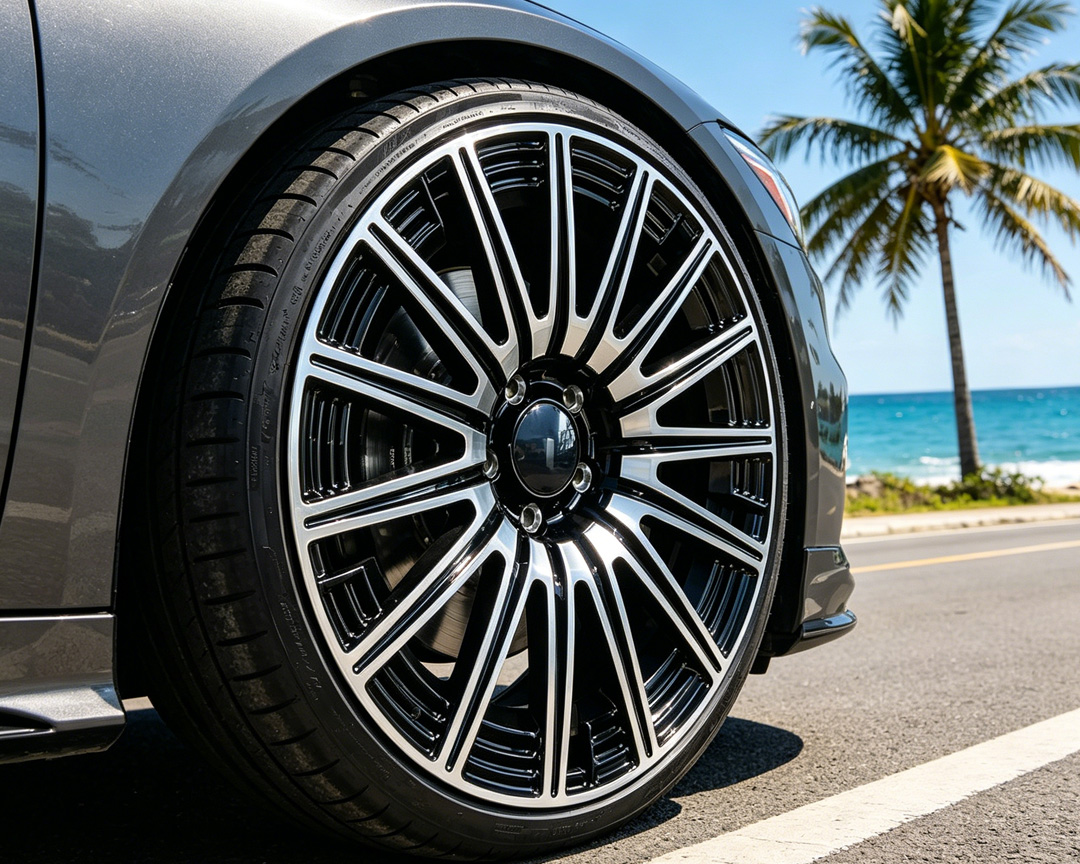
For commuter vehicles and electric crossovers, clean multi-spoke machined finishes provide an elevated, luxury appearance. Aero-optimized wheel styles can also maintain aerodynamic efficiency without sacrificing curb appeal.
8.Step-by-Step: How to Measure Your Bolt Pattern at Home
If you aren’t sure about your vehicle’s exact bolt pattern when browsing rims for sale, you can measure it using a simple ruler or tape measure.
       4-Lug Wheel                     5-Lug Wheel
      (Center to Center)          (Back of Hole to Center)

          ( O )                          ( O )
         /     \                        /     \
   ( O )   +   ( O )              ( O )   +   ( O )
         \     /                        \     /
          ( O )                      ( O )   ( O )
-
Count the Lugs: Determine if your wheel uses 4, 5, 6, or 8 lug nuts.
-
For Even-Lug Wheels (4, 6, 8 Lugs): Measure from the center of one lug hole directly across the hub center to the center of the opposite lug hole.
-
For Odd-Lug Wheels (5 Lugs): Measure from the back edge of one lug hole, straight across the hub center, to the exact center of the second lug hole opposite it.
-
Convert to Millimeters: If your measurement is in inches, multiply by 25.4 to find your metric PCD (e.g., 4.5 inches = 114.3mm).
Frequently Asked Questions(FAQ)
1.How do I know if the rims for sale will fit my car?
Check four key technical specifications: bolt pattern (PCD), wheel size (diameter and width), offset (ET), and center bore. Matching these exact measurements ensures the rims fit your vehicle’s brakes, suspension, and wheel wells without interference or clearance issues.
2.Are alloy rims better than steel rims?
It depends on your primary driving needs. Alloy rims are lighter, improving fuel efficiency, acceleration, and handling dynamics. Steel rims are heavier, but significantly cheaper and far more durable against hard impacts, making them ideal for winter driving conditions or rough off-roading.
3.What should I inspect when buying used rims for sale?
Look closely for structural defects like cracks, bends, or severe curb rash along the inner and outer lips. Avoid rims with visible welding repairs or major balance distortion, as these compromise safety even if the surface cosmetic condition looks good.
4.What is the main difference between rims and wheels?
Strictly speaking, the rim is only the outer metallic edge that holds and seals the tire bead in place. A wheel is the entire metal structure, including the outer rim, internal spokes, and center hub mounting plate. However, the terms are frequently used interchangeably across shop listings and everyday terminology.
5.Will buying larger rims affect my vehicle’s performance?
Yes. Larger rims usually require lower-profile tires, which can sharpen steering response and cornering stability. However, they can also lead to a stiffer ride over bumps and slightly lower fuel economy or electric range due to increased weight and rotational inertia.
Ready to Elevate Your Ride?
Upgrading your wheels is the single fastest way to transform your vehicle’s stance, handling, and daily driving excitement. Whether you need heavy-duty truck wheels built to tackle off-road trails or lightweight alloy rims for everyday street efficiency, getting the right fitment is crucial.
Explore our full catalog of premium rims for sale at ATK Wheels. Take advantage of detailed fitment verification tools, fast shipping, and expert advice to find the perfect set tailored to your exact make and model today!