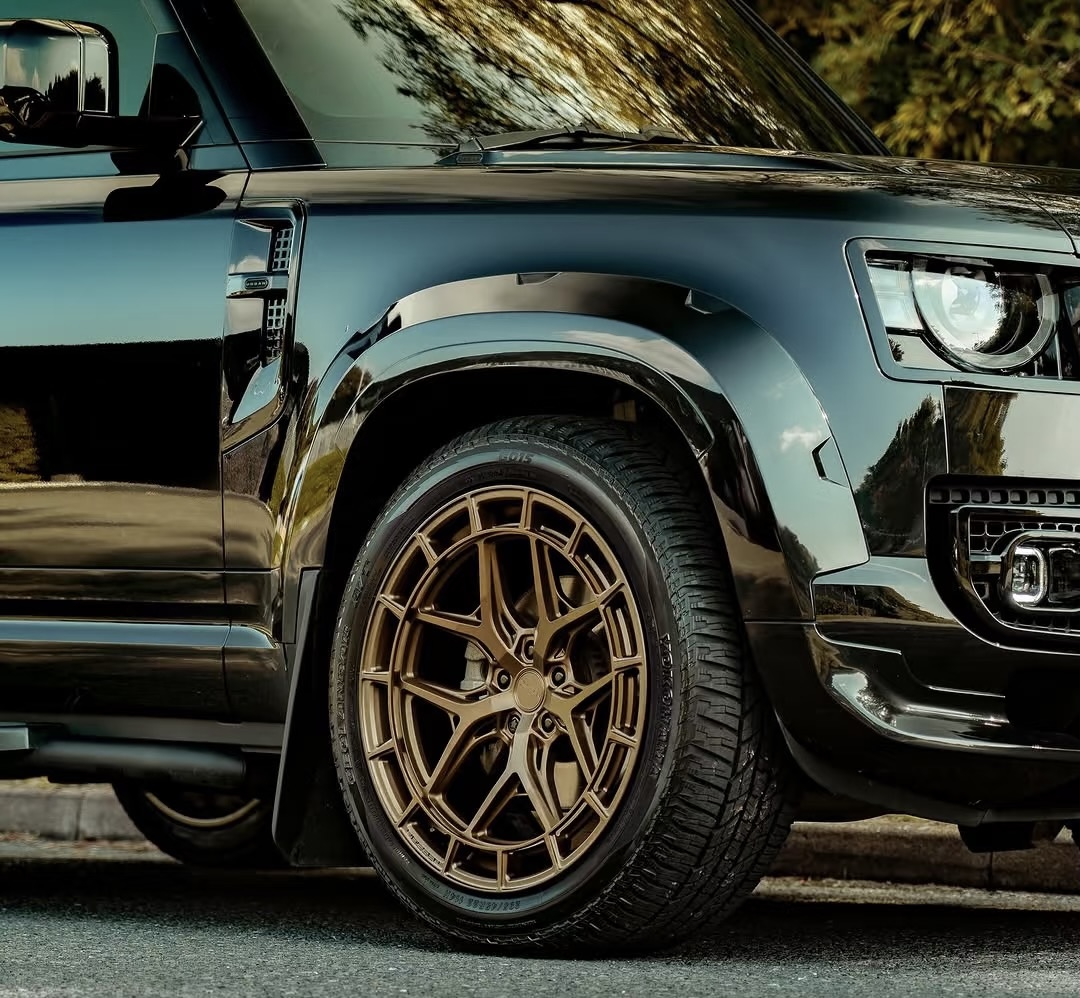
Rims for Cars: How to Choose the Right Size, Fitment, and Style
Rims for Cars: How to Choose the Right Size, Fitment, and Style
Upgrading the wheels on your vehicle remains one of the most effective ways to instantly transform both its street appearance and overall driving dynamics. Beyond aesthetics, the right set of wheels impacts braking performance, steering responsiveness, fuel economy, and ride quality. However, navigating the endless sea of sizes, finishes, fitments, and manufacturing methods can quickly become overwhelming for car owners.
Whether you want to replace a damaged factory wheel, set up a dedicated winter tire package, or build a custom stance for performance driving, selecting the proper aftermarket or factory wheels requires a clear understanding of technical specifications.
This comprehensive technical breakdown covers everything you need to know about purchasing rims for cars, avoiding costly fitment mistakes, and selecting the ideal setup for your daily driver or weekend vehicle.
1.What Are Rims vs. Wheels? Defining the Basics
Before diving into fitment specs and styling choices, it is important to clarify a common industry term mix-up. While everyday drivers and car enthusiasts frequently use “rims” and “wheels” interchangeably, they technically refer to different parts of the same component:
-
The Rim: The outer circular edge of the wheel that holds the tire bead in place and creates an airtight seal.
-
The Hub: The center section that attaches directly to your vehicle’s axle hub using lug nuts or bolts.
-
The Spokes: The structural pillars connecting the central hub to the outer rim.
-
The Wheel: The complete, single piece of engineered metal comprising the hub, spokes, and rim together.
When shopping for rims for cars, you are effectively searching for complete wheel assemblies designed to fit your vehicle’s specific chassis geometry.
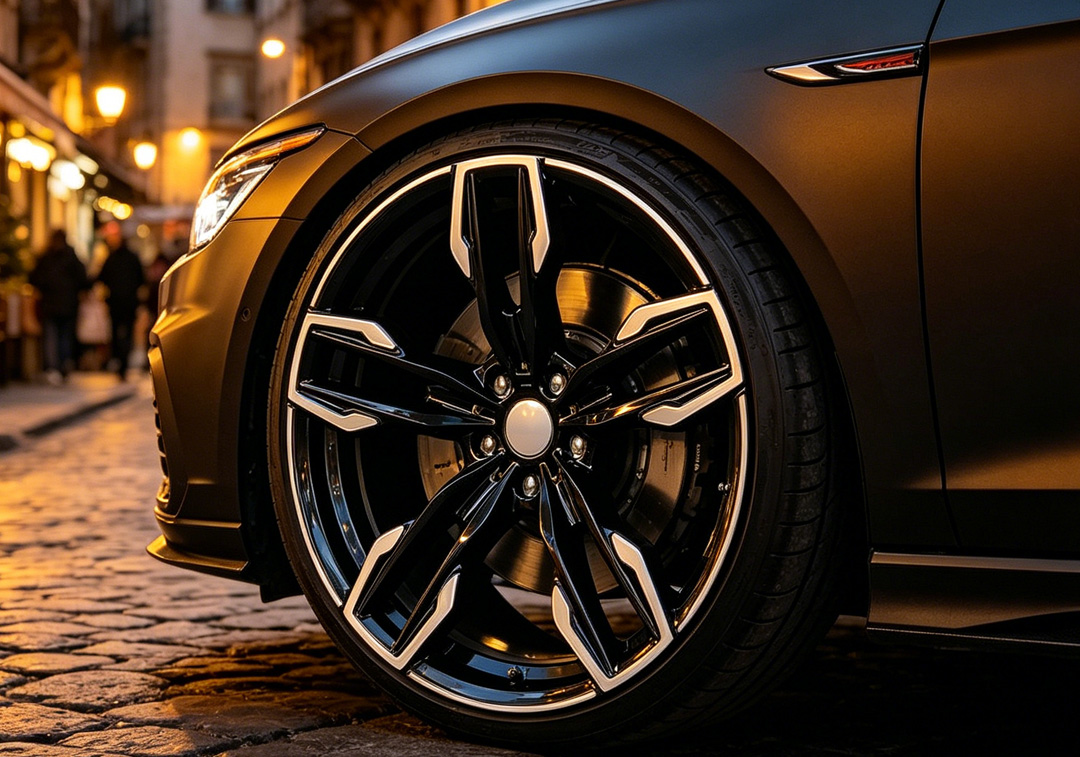
2.Critical Wheel Fitment Factors Every Driver Must Know
Installing an improper set of wheels can result in severe tire rubbing against the inner fender liner, suspension clearance issues, unstable high-speed handling, or catastrophic wheel stud failure. To guarantee a perfect factory-style fitment, four key structural metrics must match your vehicle’s exact make, model, and year.
       [ Outer Lip ]
          |     |
          |  |  |  <--- Offset (ET): Distance from Centerline
   -------|--+--|------- Centerline
          |  |  |            to Mounting Hub Face
          |     |
       [ Mounting Hub Face ]
1. Wheel Diameter and Width
Wheel dimensions are universally measured in inches across the face of the wheel. A standard rating might read 18×8.5.
-
Diameter (18″): The distance straight across the wheel face from edge to edge.
-
Width (8.5″): The inner width between the inside edges of the rim flanges where the tire seat sits.
2. Bolt Pattern (Pitch Circle Diameter / PCD)
The bolt pattern determines whether a wheel can physically mount onto your vehicle’s hub. It consists of two numbers: the number of lug holes and the diameter of the imaginary circle they form (measured in millimeters or inches).
-
Example: 5×114.3 means 5 lug holes arranged in a 114.3 mm circle.
-
Common variations include 4-lug (compacts), 5-lug (sedans, sports cars, crossovers), and 6-lug or 8-lug (trucks and large SUVs).
3. Wheel Offset (ET)
Wheel offset—measured in millimeters and stamped as an ET number—is the distance from the wheel’s true centerline to the flat mounting pad that bolts against your car’s brake rotor.
-
Positive Offset (+ET): The mounting hub face sits closer to the outer front face of the wheel. Common on front-wheel-drive and modern passenger vehicles.
-
Zero Offset (0 ET): The mounting hub aligns perfectly with the center of the wheel width.
-
Negative Offset (-ET): The mounting hub sits tucked deep toward the inner back edge of the wheel. This pushes the wheel outward away from the car, creating a wide, aggressive stance popular on off-road trucks and classic muscle cars.
Crucial Fitment Warning: An incorrect offset shifts your scrub radius, alters steering feedback, and can cause tires to contact outer fender arches or inner shock absorbers.
4. Center Bore Size
The center bore is the machined hole on the back of the wheel that centers it precisely on your vehicle’s hub assembly. Modern road cars use hub-centric wheels to prevent high-speed vibrations. If an aftermarket wheel features a larger center bore than your car’s hub, high-quality aluminum or polycarbonate hub-centric rings must be installed to eliminate vibration and ensure hub load distribution.
3.Alloy vs. Steel Rims: Which Material Suits Your Needs?
Choosing between steel and aluminum alloy wheels comes down to budget, climate demands, and driving expectations. Below is a direct structural comparison to help guide your choice:
| Feature / Metric | Steel Wheels | Aluminum Alloy Wheels |
|---|---|---|
| Material Composition | Stamped heavy-duty steel | Cast or forged aluminum & silicon blend |
| Weight | Heavy (increases unsprung weight) | Lightweight (reduces unsprung mass) |
| Styling & Design | Basic, utilitarian (usually uses hubcaps) | Vast array of spoke designs, colors, and finishes |
| Impact Resistance | Bends upon hard impact (can often be hammered back) | Brittle under extreme impacts (may crack or shatter) |
| Corrosion Resistance | Prone to surface rust if paint is chipped | High resistance to rust; requires clear coat maintenance |
| Fuel Efficiency Impact | Slightly reduces city MPG due to mass | Improves acceleration, braking, and overall MPG |
| Best Used For | Harsh winter driving, snow tires, fleet vehicles | Daily commuting, track driving, visual custom builds |
| Average Cost | Budget-Friendly | Mid to High End |
4.Cast vs. Flow-Formed vs. Forged Alloy Wheels
Not all aluminum wheels are manufactured the same way. The manufacturing process directly affects structural density, overall strength, weight, and price.
       [ CASTING ]               [ FLOW-FORMING ]               [ FORGING ]
  Molten metal poured       Cast center disk stretched     Solid aluminum billet
     into a mold.               under heat & pressure.     crushed under extreme pressure.
  (Cost-effective)              (Stronger & Lighter)         (Maximum Strength & Weight Loss)
1. Cast Aluminum Wheels
Liquid aluminum is poured into a mold cavity and cooled.
-
Pros: Highly cost-effective; allows for complex styling designs.
-
Cons: Heavier than forged options; lower grain density requires more metal mass to maintain minimum strength standards.
2. Flow-Formed / Flow-Forged Wheels
The wheel starts as a specialized low-pressure casting. The outer barrel is then spun, heated, and hydraulically stretched over a mandrel to re-align the aluminum’s grain structure.
-
Pros: Delivers structural strength and weight savings very close to fully forged wheels at a fraction of the cost. Excellent shock resistance against potholes.
-
Cons: Slightly more expensive than basic cast wheels.
3. Fully Forged Wheels
Constructed from a solid block of aerospace-grade 6061-T6 aluminum crushed under thousands of tons of hydraulic pressure before being CNC-machined into shape.
-
Pros: Extremely strong, exceptionally light, and provides maximum performance for high-horsepower road vehicles and motorsport track applications.
-
Cons: Expensive; requires specialized high-precision manufacturing.
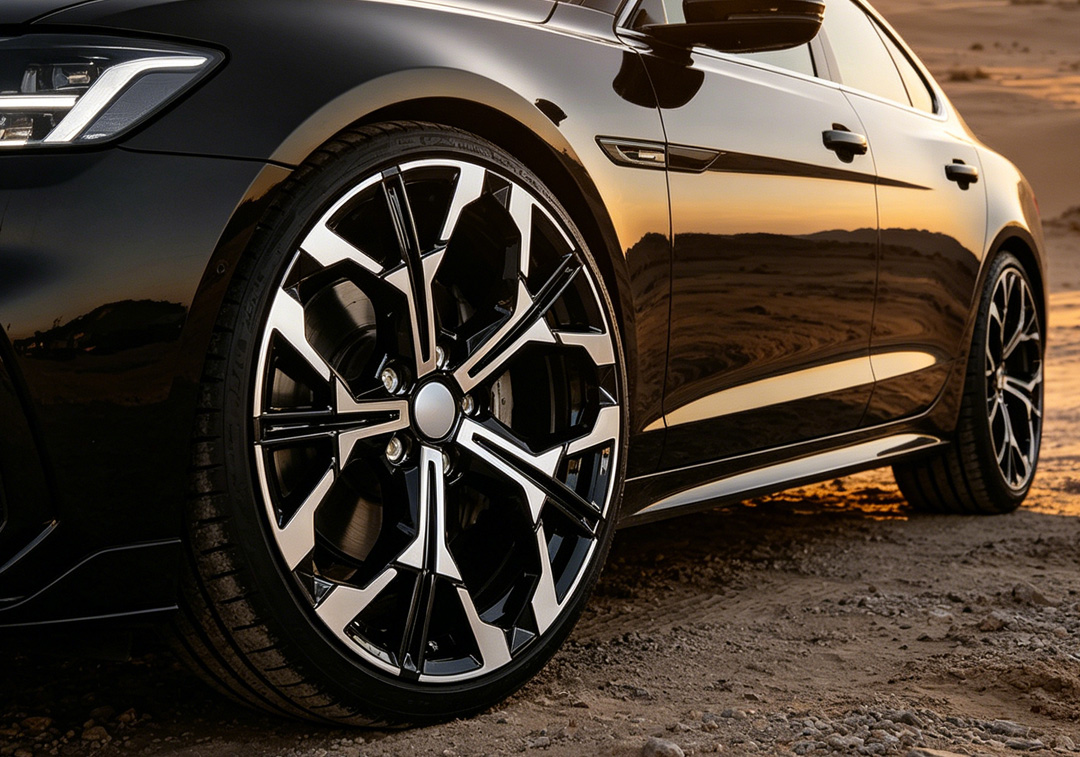
5.Upsizing Your Rims: Plus 1 and Plus 2 Upgrades
Upsizing—replacing your factory wheels with larger-diameter options—is a popular visual and handling upgrade. In the automotive industry, this practice is referred to as Plus-Sizing:
-
Plus 1 Fitment: Increasing rim diameter by 1 inch (e.g., upgrading from 17-inch to 18-inch rims) while installing tires with lower sidewall aspect ratios.
-
Plus 2 Fitment: Increasing rim diameter by 2 inches (e.g., moving from 17-inch to 19-inch rims).
   FACTORY SETUP: [17" Rim] + [Thick Tire Sidewall]  = 25" Overall Rolling Diameter
   PLUS 2 SETUP:  [19" Rim] + [Thin Tire Sidewall]   = 25" Overall Rolling Diameter
The Trade-Offs of Running Larger Rims
The Benefits:
-
Sharper Steering Response: Shorter tire sidewalls flex less during aggressive cornering.
-
Enhanced Aesthetic Appeal: Fills out the wheel wells for a sporty, aggressive profile.
-
Brake Clearance: Larger internal wheel barrel dimensions allow installation of big brake kits (BBKs).
The Drawbacks:
-
Stiffer Ride Quality: Less rubber sidewall mass means roads feel firmer, transmitting minor pavement bumps straight into the cabin.
-
Increased Vulnerability: Lower-profile tires offer less cushion to protect the rim lip against deep potholes or curb scrapes.
-
Potential Weight Penalty: Unless upgrading to premium forged or flow-formed rims, a larger wheel can increase total unsprung weight, slightly degrading city fuel efficiency and stop-and-go acceleration.
Crucial Rule: Always keep your total tire rolling diameter within ±3% of your factory baseline. Exceeding this threshold skews speedometer readings, alters transmission shift points, and can disrupt anti-lock braking systems (ABS) and traction control calibration.
6.OEM vs. Aftermarket Rims for Cars
When replacing or upgrading your vehicle’s setup, you must decide between Original Equipment Manufacturer (OEM) wheels and Aftermarket alternatives.
OEM Wheels
-
Pros: Engineered directly by your car maker to guarantee exact factory offsets, center bores, and load ratings. Highly durable with high-grade factory protective paints.
-
Cons: High replacement costs directly from dealership parts counters; limited styling choices.
Aftermarket Wheels
-
Pros: Hundreds of style variations, colors, lip designs, and finishes (matte black, gloss bronze, brushed clear, chrome). Provides options for custom widths and performance offsets.
-
Cons: Requires careful measurement verification for center rings, bolt patterns, and wheel nut seating geometry.
7.Practical Maintenance: Protecting Your Wheel Investment
To maintain your new wheels in pristine condition and prevent clear-coat degradation, follow these routine maintenance practices:
-
Clean Regularly: Brake dust contains metallic particles that corrode clear-coat finishes when left sitting. Wash wheels weekly using pH-neutral, non-acidic wheel cleaners and soft microfiber brushes.
-
Avoid Automated Car Wash Track Brushes: Heavy nylon brushes at drive-through car washes create micro-scratches on polished or glossy painted surfaces.
-
Apply Protective Coatings: Apply a high-quality hydrophobic ceramic coating or dedicated wheel wax twice per year to repel brake dust and road grime.
-
Torque Lug Nuts Correctly: Always use a calibrated torque wrench set to your car manufacturer’s exact foot-pound (ft-lbs) specifications in a cross-pattern star sequence. Over-tightening can warp brake rotors, while under-tightening can cause lug nuts to back off during travel.
Frequently Asked Questions (FAQ)
1.How do I know what size rims fit my car?
To find your vehicle’s factory specs, check the tire information placard located on the driver-side door jamb, or consult your owner’s manual. To ensure proper fitment when buying new rims for cars, confirm that four crucial parameters match your chassis: diameter, rim width, bolt pattern (PCD), and wheel offset (ET).
2.What is the main difference between alloy and steel rims?
Alloy rims are crafted from lightweight aluminum alloys, offering modern styling, reduced unsprung weight, and improved overall vehicle handling. Steel rims are heavier, utilitarian, and more affordable, making them ideal for heavy winter use and extreme rough-road conditions.
3.Are larger rims bad for fuel economy?
Larger rims usually weigh more than smaller stock options and require wider tires with higher rolling resistance. This added mass increases the effort required to turn the wheels, which can slightly lower around-town fuel economy (MPG). Selecting lightweight forged or flow-formed wheels minimizes this impact.
4.What is wheel offset and why is it important?
Wheel offset (stamped in millimeters as ET) measures the distance between the wheel’s true centerline and its hub mounting face. Correct offset keeps your tire centered in the wheel well. An incorrect offset can cause tires to rub against suspension shocks, brake calipers, or outer fender lips, resulting in uneven tread wear and potential handling instability.
5.Can I install rims with a different bolt pattern using adapters?
While wheel adapters allow you to bolt a wheel with a different PCD onto your car’s hub, they also act as thick wheel spacers. This pushes the wheel outward toward the fender, altering your offset by 15mm to 30mm or more. Always double-check fender clearances before using adapters.
Final Thoughts: Upgrade Your Drive Today
Upgrading the rims for your car is a balance of precision engineering and personal style. By prioritizing proper bolt patterns, offsets, hub dimensions, and construction materials, you ensure that your vehicle not only looks exceptional but operates safely and predictably across thousands of miles.
Ready to transform your vehicle’s performance and appearance? Explore high-grade, precision-tested wheel choices tailored for your exact vehicle make and model at ATK Wheels today. Use fitment verification tools to browse hundreds of finishes, sizes, and styles with absolute fitment confidence.