Rims Black Rims: Everything You Need to Know Before Choosing Black Wheels
Rims Black Rims: Everything You Need to Know Before Choosing Black Wheels
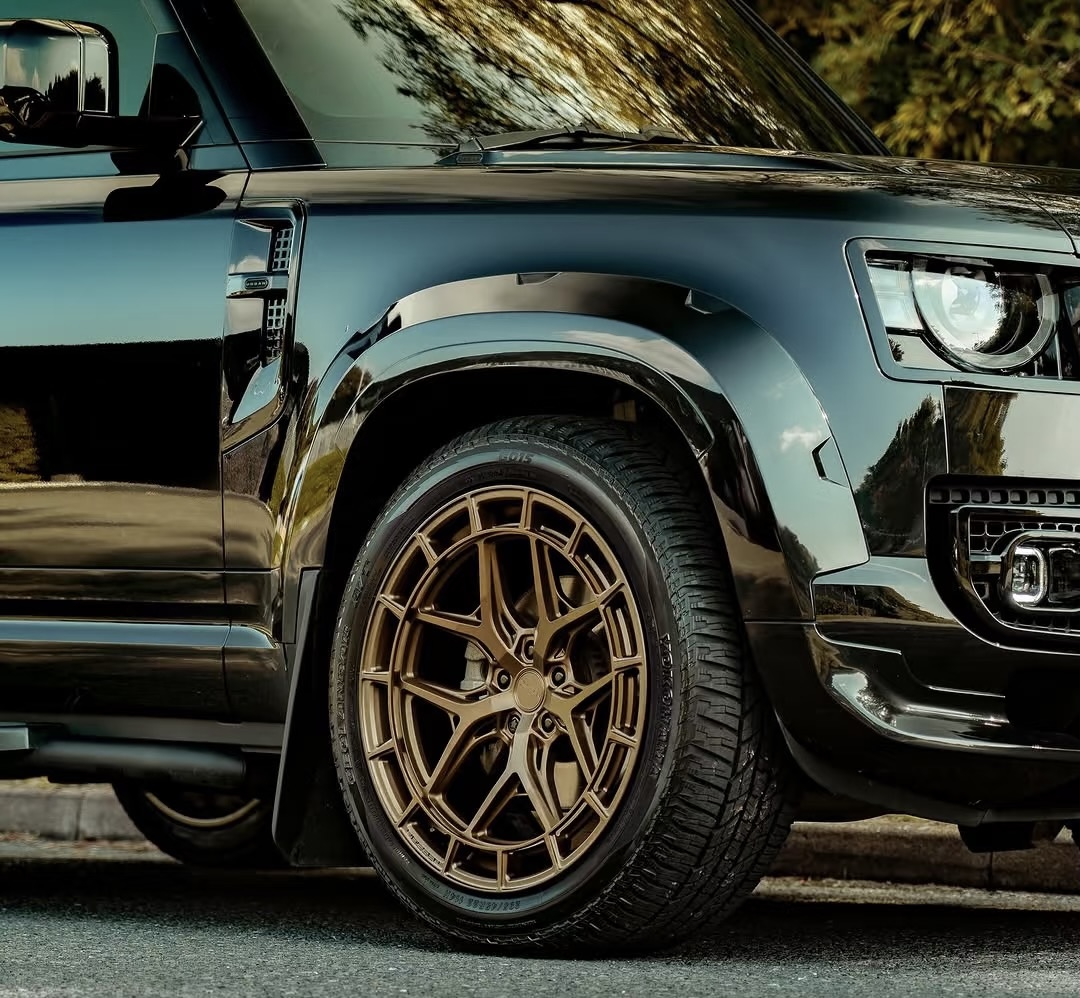
Adding custom wheels to a vehicle remains one of the fastest, most impactful visual and functional upgrades you can make. Among the endless array of aftermarket finishes, custom black rims continue to dominate truck builds, luxury sedans, muscle cars, and daily drivers alike.
Whether you want an aggressive, modern look or need a durable set of aftermarket wheels that hide brake dust, black rims offer versatility across almost every vehicle style. However, choosing the right set involves more than picking an attractive design. Understanding finishes, manufacturing methods, structural fitment, and proper care will ensure you select a set of wheels that performs safely and looks sharp for years.
+-----------------------------------------------------------------------+
|                         BLACK RIMS AT A GLANCE                        |
+--------------------------+--------------------------------------------+
| Aesthetic Impact         | Aggressive, stealthy, modern contrast      |
| Common Finishes          | Gloss Black, Matte Black, Satin Black      |
| Key Fitment Criteria     | Bolt Pattern, Offset, Hub Bore, Diameter   |
| Primary Maintenance Need | Non-acidic cleaning, soft microfiber care  |
+--------------------------+--------------------------------------------+
1.Why Black Rims Remain the Top Aftermarket Choice
The popularity of black rims goes beyond simple automotive trends. While chrome dominated previous decades and silver remains a standard factory choice, black aftermarket wheels offer key functional and cosmetic benefits that suit diverse driving environments.
Visual Contrast and Vehicle Stance
Black wheels create a dramatic visual grounding effect. On light-colored vehicles—such as white, silver, red, or high-octane bright finishes—black wheels provide a high-contrast backdrop that accents the vehicle’s body lines. On darker vehicles, they create a cohesive, blacked-out “stealth” aesthetic that elevates modern design profiles.
Superior Brake Dust Concealment
Performance brake pads produce dark, stubborn dust during normal operation. On traditional silver or polished aluminum wheels, this dust coats the barrel and spokes within days, making the wheels look dingy. Black rims conceal light brake dust build-up significantly better than lighter finishes, keeping your vehicle looking cleaner between routine washes.
Universal Compatibility Across Vehicle Segments
Black wheels complement almost any build style, including:
-
Trucks & SUVs: Complements aggressive, off-road tire treads and beadlock styling.
-
Sports Cars & Muscle Cars: Highlights large brake calipers while emphasizing a low, wide stance.
-
Daily Drivers & Sedans: Provides a clean OEM+ look that instantly updates an aging design.
2.Comparing Black Rim Finishes: Gloss vs. Matte vs. Satin
Not all black finishes are created equal. The surface sheen alters how the wheel reflects light, reveals detail, and handles daily wear.
                                  FINISH SPECTRUM
   [ GLOSS BLACK ] ------------> [ SATIN BLACK ] ------------> [ MATTE BLACK ]
High Reflection / Sleek      Balanced Sheen / Low Maintenance  Flat Reflection / Rugged
Gloss Black Rims
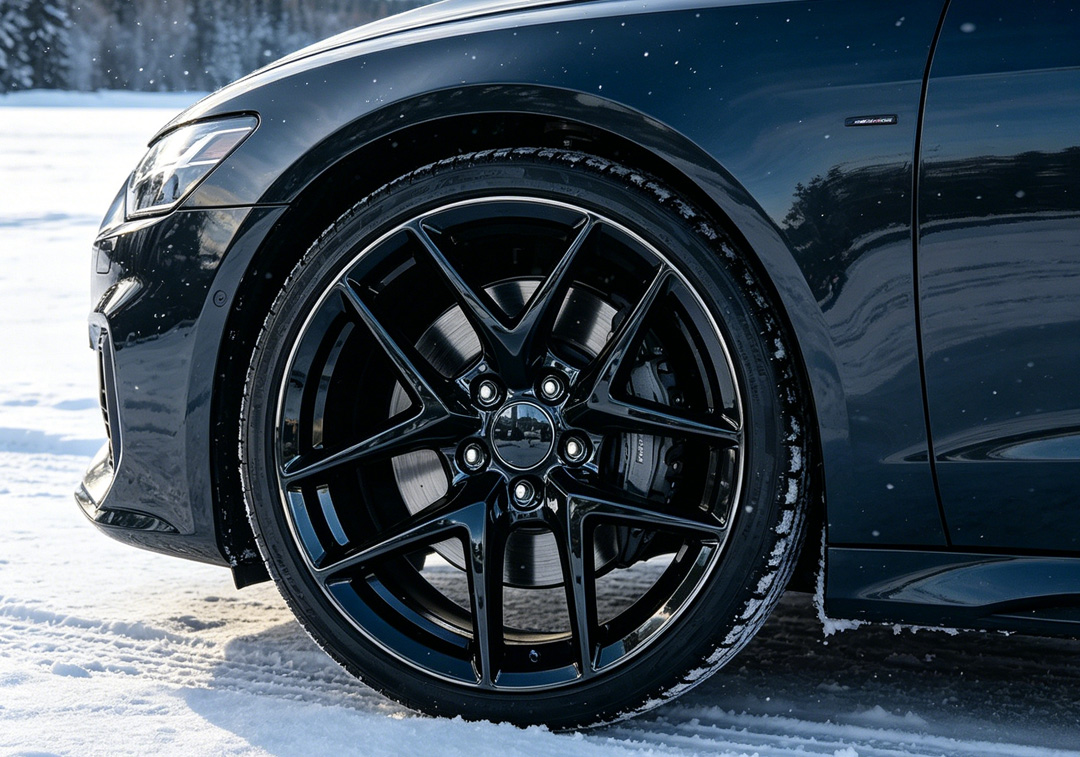
Gloss black finishes feature a clear, reflective topcoat. This high-shine finish catches ambient light, emphasizing complex spoke geometry and deep-dish lip designs.
-
Best For: Show cars, luxury sedans, and street performance builds.
-
Pros: Delivers a deep, mirror-like shine; pairs exceptionally well with metallic paint.
-
Cons: Shows micro-scratches, swirl marks, and water spots if wiped down incorrectly.
Matte Black Rims
Matte black finishes absorb light rather than reflecting it, delivering a flat, non-reflective appearance often referred to as a “stealth” look.
-
Best For: Off-road trucks, overland builds, and aggressive track vehicles.
-
Pros: Excellent at hiding minor trail scuffs, light surface dust, and small blemishes.
-
Cons: Harder to repair if deeply scratched; requires specific non-wax cleaning products.
Satin Black Rims
Satin black sits directly between gloss and matte. It provides a subtle semi-gloss sheen that outlines wheel details without creating high reflections.
-
Best For: Daily drivers and enthusiasts who want a balanced, modern look.
-
Pros: Easier to maintain than gloss black while offering more dimensional depth than flat matte.
-
Cons: Less common in entry-level wheel lineups compared to standard gloss or matte options.
3.Construction Types: Cast vs. Flow-Formed vs. Forged Black Rims
How a wheel is manufactured determines its structural strength, total weight, impact resistance, and overall price point. When shopping for custom rims, understanding these three primary manufacturing methods helps you balance performance and budget.
                     MANUFACTURING & PERFORMANCE TIER

           [ FORGED ] ---------------> Maximum Strength / Ultra Lightweight
               ^
               |
         [ FLOW-FORMED ] ------------> Enhanced Density / Weight Savings
               ^
               |
            [ CAST ] -----------------> Cost-Effective / Heavy Duty
Cast Aluminum Alloy Rims
Molten aluminum alloy is poured into a mold and cooled to form the wheel shape. Cast wheels are cost-effective and available in a wide array of spoke designs. They are slightly heavier and denser, making them ideal for standard daily driving and budget-conscious upgrades.
Flow-Formed (Rotary Forged) Rims
Cast wheel blanks have their outer barrel stretched and compressed using high-speed hydraulic rollers under heat. This process realigns the aluminum grain structure within the barrel, significantly increasing tensile strength while reducing rotational weight for better vehicle acceleration, braking, and fuel efficiency.
Forged Aluminum Rims
A solid block of aerospace-grade aluminum (typically 6061-T6) is subjected to intense heat and millions of pounds of hydraulic pressure before being CNC-machined into shape. Forged rims offer maximum structural strength with minimal weight, making them the preferred choice for heavy-duty commercial applications, serious off-roading, and high-performance racing.
4.Master Comparison Matrix: Finishes & Construction Options
| Category / Spec | Option Name | Surface Sheen / Build Method | Primary Benefit | Main Drawback | Best Application |
|---|---|---|---|---|---|
| Finish | Gloss Black | High-clear coat reflection | Mirror-like finish, highlights spoke lines | Shows swirls & water spots easily | Luxury cars & street builds |
| Finish | Satin Black | Semi-gloss subtle sheen | Balanced look, hides light dust | Harder to find in budget lineups | Daily drivers & muscle cars |
| Finish | Matte Black | Non-reflective flat coating | Hides minor trail scuffs & surface dust | Cannot be buffed or polished out | Off-road trucks & track cars |
| Construction | Cast Aluminum | Poured liquid alloy mold | Budget-friendly with vast style choices | Heavier rotational weight | General daily street commuting |
| Construction | Flow-Formed | Hydraulic heat-stretched barrel | Lighter weight with high tensile strength | Moderate price increase over cast | Sport performance & track days |
| Construction | Forged Aluminum | CNC machined 6061 billet block | Maximum structural strength & lightness | Higher upfront investment | Racing, heavy towing & off-road |
5.Critical Fitment Factors Before Buying Black Rims
Installing new wheels requires precise physical alignment with your vehicle’s suspension, brake assemblies, and wheel wells. Installing improperly sized rims can lead to tire rubbing, premature suspension wear, or unsafe driving conditions.
                               WHEEL FITMENT ANATOMY

               +-------------------------------------------------+
               |                      DIAMETER                   |
               |       +---------------------------------+       |
               |       |            HUB BORE             |       |
               |       |             (   )               |       |
               |       |     BOLT PATTERN (e.g., 5x114.3) |       |
               |       +---------------------------------+       |
               |                        WIDTH                    |
               +-------------------------------------------------+
                                       |
                                    OFFSET
                             (Negative / Zero / Positive)
Before placing an order, confirm these key specifications against your vehicle’s factory manual or consult a wheel specialist:
-
Bolt Pattern (PCD): The number of lug holes and the diameter of the imaginary circle they form (e.g., 5×114.3 or 6×139.7). This must match your hub assembly exactly.
-
Wheel Diameter and Width: Expressed in inches (e.g., 18×8.5 or 20×9.0). Ensure the diameter clears your brake calipers and suspension struts.
-
Offset (ET): The distance in millimeters from the wheel’s mounting surface to its true centerline.
-
Positive Offset: Pushes the wheel inward toward the suspension (common on front-wheel-drive cars).
-
Zero Offset: Places the mounting pad directly on the centerline.
-
Negative Offset: Pushes the wheel outward beyond the fender line (common on lifted trucks and off-road builds).
-
-
Center Bore & Hub-Centric Rings: The central hole on the back of the rim that sits on the vehicle’s hub. If the aftermarket rim has a larger center bore than your hub, use hub-centric rings to prevent high-speed wheel vibration.
-
Load Rating: Ensure the wheel’s weight capacity meets or exceeds your vehicle’s Gross Axle Weight Rating (GAWR), especially for heavy trucks and towing applications.
6.Step-by-Step Installation Process
To ensure safety and optimal performance, follow a structured procedure when mounting new wheels.
7.How to Clean and Maintain Black Rims Without Damage
Black finishes—particularly gloss black—can show swirl marks, water spots, and harsh chemical staining if washed improperly. Following a dedicated wheel maintenance routine helps protect the finish.
+-----------------------------------------------------------------------+
|                    RECOMMENDED WHEEL CARE ROUTINE                     |
+-----------------------------------------------------------------------+
| DO: Use pH-neutral wheel cleaners and soft microfiber towels.        |
| DO: Rinse off abrasive brake dust and grit before touching the rim.   |
| DON'T: Wash rims while they are hot from driving.                     |
| DON'T: Use acid-based cleaners, steel wool, or stiff brushes.         |
+-----------------------------------------------------------------------+
Essential Cleaning Steps
-
Cool Down the Wheels: Never spray cold water or cleaning chemicals onto hot brake rotors or wheels. Sudden temperature drops can warp brake rotors or spot the finish.
-
Pre-Rinse Heavy Debris: Use a pressure washer or hose nozzle to blast away loose grit, road salt, and heavy brake dust before touching the wheel surface.
-
Apply pH-Neutral Cleaner: Spray an acid-free, dedicated wheel cleaner formulated for painted or powder-coated surfaces. Avoid harsh degreasers that can strip protective topcoats.
-
Agitate Softly: Use soft microfiber wheel wands or plush microfiber mitts to clean the spokes and barrel. Avoid stiff-bristled plastic brushes on gloss black surfaces.
-
Dry Thoroughly: Wipe down the rims with a dedicated microfiber drying towel to prevent hard water spots.
Protective Coatings for Black Rims
To make future wash cycles easier, apply a ceramic coating or synthetic wheel sealant designed for high-temperature applications. Ceramic coatings form a hydrophobic barrier that repels water, prevents brake dust from bonding to the finish, and protects against UV fading.
Frequently Asked Questions (FAQ)
1.Are black rims good for daily driving?
Yes. Black rims are well-suited for daily drivers because they hide brake dust better than traditional silver or chrome finishes. Choosing a durable powder-coated or factory painted finish ensures resistance to environmental road grime and wear.
2.Do black rims make a car look better?
Black rims add modern contrast and an aggressive appearance to most vehicles. They complement lighter paint colors like white, silver, red, and grey, while creating a streamlined look on black or dark-colored cars.
3.Is powder coating better than painting for black rims?
Powder coating is generally superior for durability. The process involves applying a dry powder that is cured under heat, forming a thick finish that resists chips, scratches, and road debris better than standard wet paint.
4.Can you fix curb rash on black rims?
Yes. Minor curb rash on painted or powder-coated black rims can often be sanded smooth, prepped, and touched up using matching gloss or matte black paint. Deep gouges on structural aluminum may require professional re-welding and full refinishing.
5.What size black rims should I get?
Select a size that aligns with your vehicle’s factory overall tire diameter. Increasing wheel diameter (up-sizing) improves visual appeal and cornering response, but requires lower-profile tires, which can result in a firmer ride over rough pavement.
Upgrade Your Ride with Confidence
Upgrading to custom black rims combines long-lasting visual appeal with practical maintenance benefits. By choosing the right finish, verifying exact vehicle fitment specs, and using safe cleaning techniques, your vehicle will stand out on the road while delivering dependable performance.
Explore trusted manufacturers and fitment specialists like ATK Wheels to browse high-quality black alloy rims engineered specifically for your vehicle’s make, model, and application.