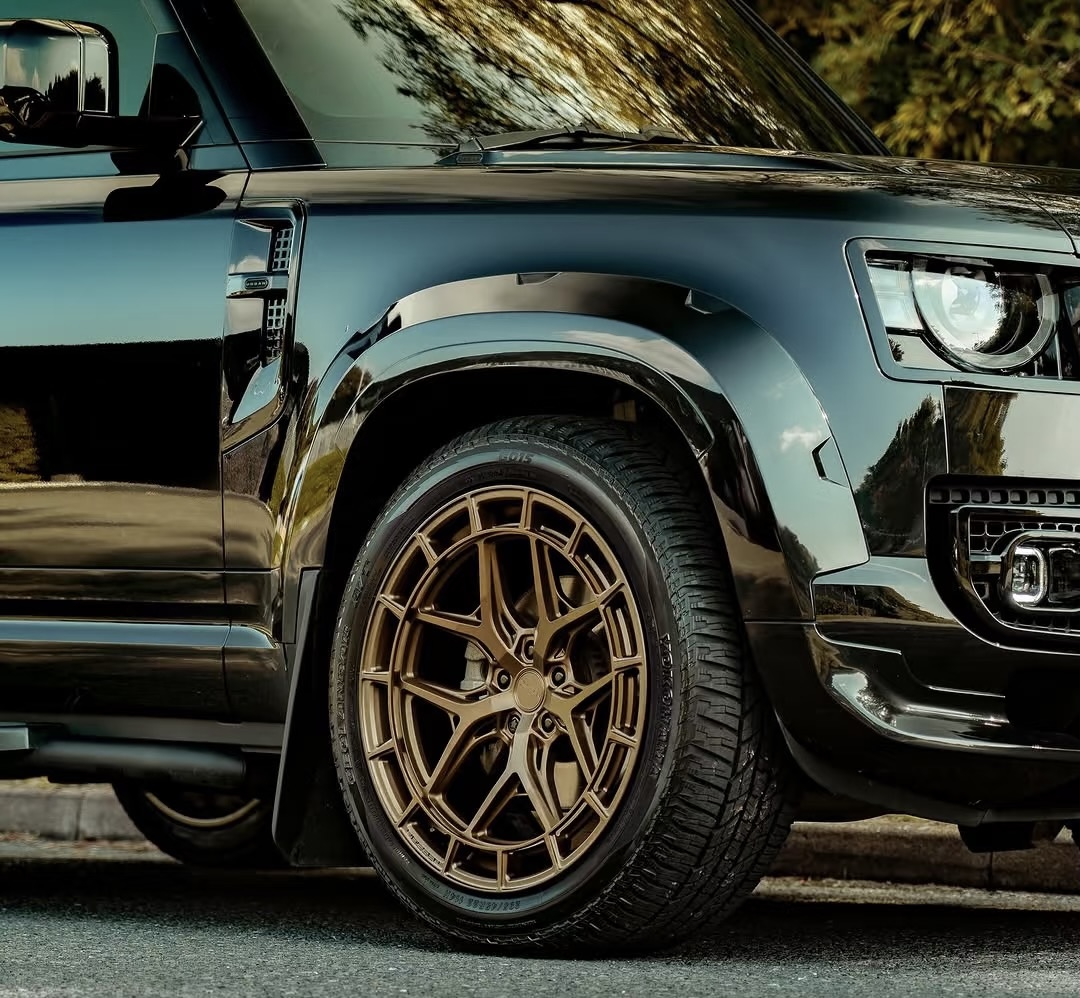
Rims and Tire: Everything You Need to Know Before Upgrading Your Wheels
Rims and Tire: Everything You Need to Know Before Upgrading Your Wheels
Upgrading or replacing your vehicle’s rims and tire package is one of the most impactful decisions you can make for your vehicle. Beyond dramatic aesthetic changes, the combination of metal wheels and rubber treads directly controls stopping distance, cornering grip, ride quality, and even fuel economy.
Navigating the aftermarket world of bolt patterns, offsets, hub bores, and rubber compounds can quickly become confusing. Choosing the wrong combination can lead to severe issues like fender rubbing, premature suspension wear, or unsafe braking distances.
This comprehensive resource breaks down everything you need to know about purchasing, maintaining, and sizing your rims and tire sets to make an informed, safe, and cost-effective decision.
1. Demystifying the Terminology: Wheels, Rims, and Tires Defined
A common source of confusion for vehicle owners stems from how automotive terms are used interchangeably in casual conversation. To make accurate purchasing decisions, it helps to know the exact structural differences between these core components.
+-----------------------------------------------------------+
|                   COMPLETE WHEEL ASSEMBLY                 |
|                                                           |
|  +-----------------------------------------------------+  |
|  |                     WHEEL                           |  |
|  |  (Structural Metal Component)                       |  |
|  |                                                     |  |
|  |   +---------------------------------------------+   |  |
|  |   |                   RIM                       |   |  |
|  |   |  (Outer Barrel Rim / Edge)                  |   |  |
|  |   +---------------------------------------------+   |  |
|  |                                                     |  |
|  +-----------------------------------------------------+  |
|                                                           |
|  +-----------------------------------------------------+  |
|  |                     TIRE                            |  |
|  |  (Flexible Rubber Tread / Air Cavity)               |  |
|  +-----------------------------------------------------+  |
+-----------------------------------------------------------+
What is a Tire?
The tire is the flexible, ring-shaped rubber component that mounts around the outer circumference of the metal wheel. Made from a blend of natural and synthetic rubbers, steel cords, and fabric layers, its main job is to contact the road surface. Tires provide traction, cushion impacts, handle vehicle load, and transfer braking and acceleration forces directly to the asphalt.
What is a Rim?
Technically speaking, the rim is only the outer edge or cylindrical barrel of the wheel structure that holds the tire in place. It forms the sealed lip that supports the tire bead when inflated. In common automotive culture—especially throughout North America—people often say “rims” when referring to the entire metal wheel structure.
What is a Wheel?
The wheel is the complete metal piece consisting of the center hub, the spokes, and the outer rim. It bolts directly to your vehicle’s wheel hub assembly. When you purchase an aftermarket set, you are buying a complete metal wheel, which is then fitted with a rubber tire to create a complete wheel assembly.
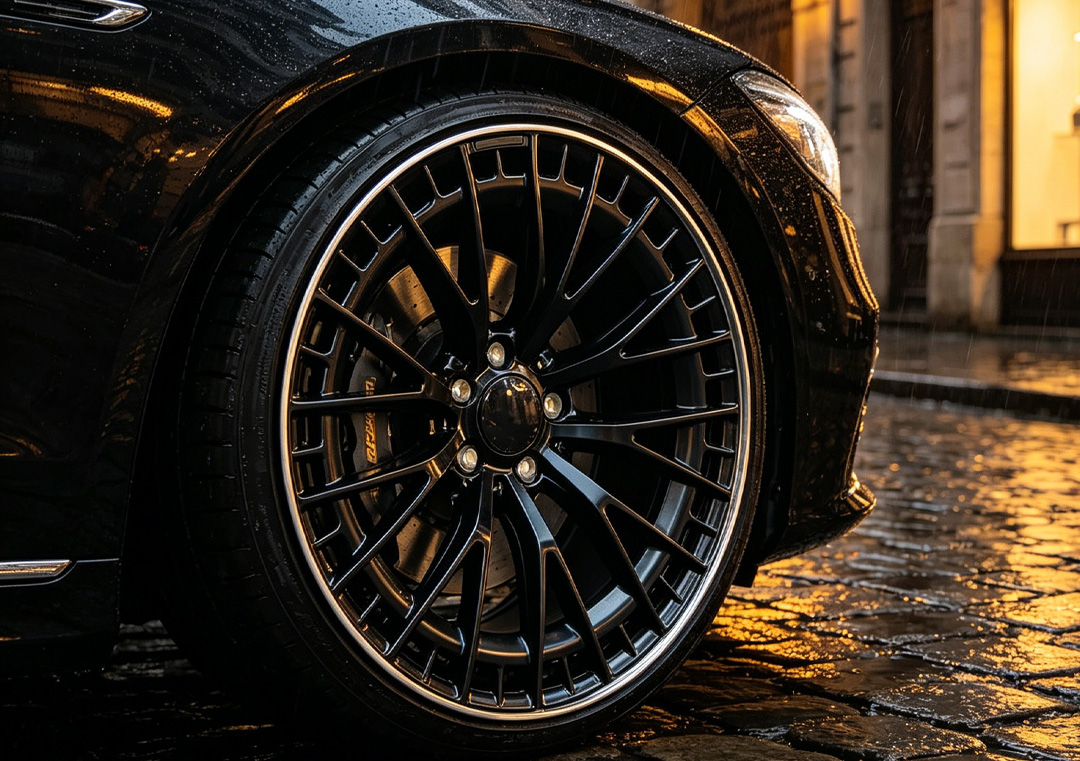
2. Key Technical Specifications for Perfect Wheel Fitment
Finding the right rims and tire combination requires matching several specific measurements. Ignoring even one parameter can lead to poor fitment, vibration, or physical damage to your brakes and fenders.
Bolt Pattern (PCD)
The bolt pattern, or Pitch Circle Diameter (PCD), dictates whether a wheel can physically bolt onto your vehicle’s hub. It consists of two numbers: the number of lug holes and the diameter of the imaginary circle they form.
-
Example: A
5x114.3bolt pattern means the wheel has 5 lug holes arranged around a circle measuring 114.3 millimeters in diameter. Common patterns include4x100,5x112,5x120, and6x139.7for light trucks and SUVs.
Offset (ET) and Backspacing
Offset determines how far inward or outward the wheel sits inside your wheel well. Measured in millimeters as an “ET” value, it is defined as the distance from the wheel’s mounting surface to its true centerline.
-
Positive Offset (High ET): The mounting surface sits toward the front face of the wheel. Common in modern front-wheel-drive vehicles.
-
Zero Offset (ET0): The mounting surface aligns exactly with the center of the wheel.
-
Negative Offset (Low/Deep ET): The mounting surface sits toward the back of the wheel, pushing the wheel outward for a wider, aggressive stance. Common on off-road trucks and classic muscle cars.
Hub Bore and Center Rings
The center bore is the machined hole on the back of the wheel that sits centered on your vehicle’s hub.
-
Hub-Centric: The wheel’s center bore matches the hub diameter precisely. This ensures the wheel is centered by the hub itself, eliminating vibrations.
-
Lug-Centric: The center bore is larger than the hub, relying entirely on lug nuts to center the wheel. Hub-centric adapter rings are strongly recommended for lug-centric wheels to prevent steering wheel shimmy at highway speeds.
Decoding Tire Sidewall Markings
Reading a tire sidewall is straightforward once you break down the code. Take a common size like P225/45R17 91V:
 P 225 / 45 R 17  91 V
 |  |    |  |  |   |  +-- Speed Rating (V = up to 149 mph)
 |  |    |  |  |   +----- Load Index (91 = max 1,356 lbs/tire)
 |  |    |  |  +--------- Wheel Diameter (17 inches)
 |  |    |  +------------ Internal Construction (R = Radial)
 |  |    +--------------- Aspect Ratio / Profile (45% of width)
 |  +-------------------- Section Width (225 millimeters)
 +----------------------- Vehicle Type (P = Passenger Car)
3. Comparing Steel vs. Cast Alloy vs. Forged Wheels
Choosing the right structural material for your wheels impacts your budget, vehicle handling, and overall durability. Here is a direct comparison of the three primary construction methods available today.
| Feature / Property | Steel Wheels | Cast Aluminum Alloy | Forged Aluminum |
|---|---|---|---|
| Manufacturing Process | Stamped sheet steel welded together | Molten aluminum poured into a mold | Solid aluminum block compressed under high heat & pressure |
| Weight | Heavy | Moderate | Extremely Lightweight |
| Structural Strength | High impact resistance; bends rather than cracks | Moderate strength; can crack under extreme shock | Superior strength; highly resistant to cracking and bending |
| Aesthetics & Styles | Limited, basic utility designs | Vast variety of finishes, colors, and spoke designs | Premium custom finishes with precision-machined details |
| Cost | Budget-Friendly | Mid-Range | Premium / High-End |
| Ideal Application | Winter setups, work trucks, budget spares | Daily driving, street performance, general upgrades | High-performance track cars, luxury builds, heavy towing |
4. Performance Tradeoffs: Upsizing Your Setup
Upgrading to larger diameter wheels paired with low-profile tires—a practice often called “plus-sizing”—is one of the most popular appearance modifications. However, changing your factory dimensions comes with distinct functional pros and cons.
      PLUS-SIZING COMPARISON

      Stock Setup (16" Wheel + Tall Sidewall)
      +-----------------------------+
      |      Rubber Sidewall        |
      |   +---------------------+   |
      |   |  16" Steel/Alloy    |   |
      |   +---------------------+   |
      |      Rubber Sidewall        |
      +-----------------------------+
      * Smoother Ride  * Cheaper Tires  * Less Steering Response

      Plus-Two Setup (18" Wheel + Thin Sidewall)
      +-----------------------------+
      |  Thin Rubber                |
      | +-------------------------+ |
      | |                         | |
      | |     18" Alloy Wheel     | |
      | |                         | |
      | +-------------------------+ |
      |  Thin Rubber                |
      +-----------------------------+
      * Sharper Handling  * Premium Look  * Stiffer Ride Quality
The Advantages of Larger Diameter Configurations
-
Sharper Steering Response: Low-profile tires have shorter, stiffer sidewalls. This reduces sidewall flex during aggressive cornering, giving you a more immediate steering feel.
-
Improved Dry Cornering Grip: Larger wheel packages often feature wider tire footprints, increasing the contact patch on dry roads.
-
Enhanced Visual Appeal: Larger wheels eliminate unappealing fender gap, filling out the wheel wells for an aggressive posture.
-
Brake Clearance: Upgraded aftermarket wheels provide space to clear aftermarket big-brake kits with larger calipers and rotors.
The Drawbacks to Keep in Mind
-
Harsher Ride Quality: Less rubber sidewall means less air cushion to absorb pot-holes, expansion joints, and rough road surfaces.
-
Increased Damage Risk: Thin sidewalls offer minimal protection against potholes, making both the tire and the metal rim far more vulnerable to bends, cracks, and pinch flats.
-
Potential Acceleration and Fuel Economy Loss: Larger, heavier cast alloy packages increase rotational mass, requiring more engine energy to accelerate and stop.
-
Speedometer Drift: If the overall rolling height of the new tire is larger than stock, your speedometer will read slower than your actual vehicle speed.
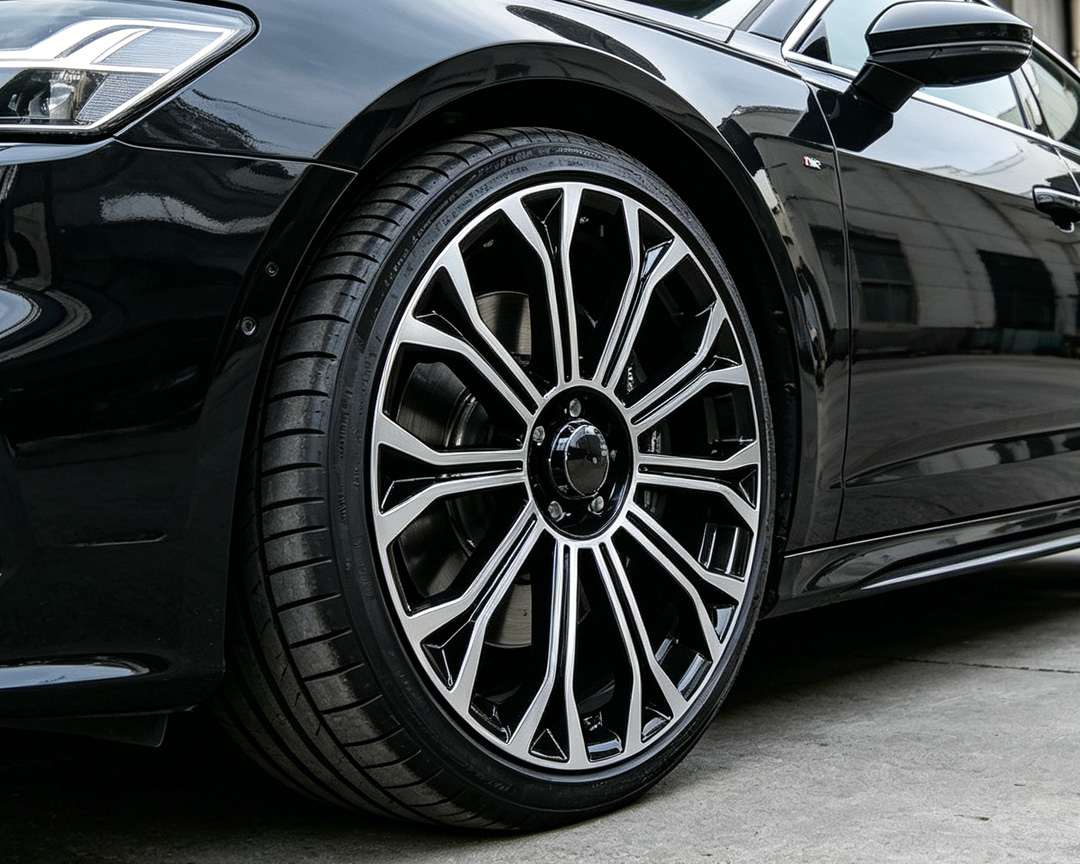
5. Matching Tire Types to Your Driving Conditions
Selecting the right rubber compound and tread pattern is just as vital as finding the correct wheel measurements. Using a tire engineered for your specific environment ensures safety and performance.
+-----------------------------------------------------------------------+
|                       SEASONAL TIRE SELECTION                         |
+--------------------------+--------------------+-----------------------+
|        SUMMER            |    ALL-SEASON      |        WINTER         |
+--------------------------+--------------------+-----------------------+
| * Max Warm-Weather Grip  | * Year-Round Use   | * Below 45°F (7°C)    |
| * Hardens below 45°F     | * Moderate Tread   | * Deep Snow & Ice     |
| * Sticky Tread Compound  | * Long Tread Life  | * Soft Sipes Compound |
+--------------------------+--------------------+-----------------------+
All-Season Tires
The default choice for most passenger cars and crossover SUVs. Designed to handle varied conditions including dry highways, wet roads, and light snow. They use flexible rubber compounds that offer long tread life and quiet, comfortable highway performance, though they lack extreme performance capabilities in heavy snow or high-heat tracking.
Performance Summer Tires
Built specifically for sports cars and enthusiast vehicles operating in warm conditions (typically above 45°F / 7°C). Summer tires use soft, sticky rubber compounds with aggressive tread blocks to deliver maximum dry and wet grip. However, their compounds harden in cold weather, leading to a severe loss of traction.
Winter and Snow Tires
Engineered with specialized silica compounds that remain soft and pliable in sub-freezing temperatures. They feature deep tread grooves and thousands of microscopic slits called “sipes” that bite into packed snow and ice. The 3-Peak Mountain Snowflake (3PMSF) symbol on the sidewall identifies tires built for severe snow service.
All-Terrain (A/T) and Mud-Terrain (M/T) Tires
Tailored for trucks, SUVs, and off-road vehicles. All-Terrain tires feature aggressive, open tread designs that handle gravel, dirt, and light mud while remaining refined enough for daily highway driving. Mud-Terrain tires use massive tread blocks and reinforced sidewalls to clean out heavy mud and rock, though they generate noticeable road noise on asphalt.
6. Proper Installation Procedures and Maintenance
Investing in high-grade rims and tire sets requires proper ongoing care to maximize tire service life, protect your investment, and ensure highway safety.
                       MAINTENANCE TIMELINE

   Every Month         Every 5,000 - 8,000 Miles       As Needed
  +--------------+     +------------------------+     +-------------------+
  | Check Cold   | --> | Rotate Tires           | --> | Wheel Alignment   |
  | Pressure     |     | Inspect Tread Depth    |     | Re-balance Wheels |
  +--------------+     +------------------------+     +-------------------+
1. Torque Specifications and Lug Patterns
Always install lug nuts using a calibrated torque wrench to the exact foot-pounds (ft-lbs) specified in your vehicle owner’s manual. Never rely solely on an pneumatic impact gun, which can over-tighten hardware, warp brake rotors, or strip stud threads. Always tighten lug nuts in a cross or star pattern to seat the wheel evenly against the hub face.
2. Wheel Balancing
Whenever new tires are mounted onto wheels, they must undergo dynamic wheel balancing. Technicians place small adhesive lead or zinc weights along the interior of the rim to offset natural heavy spots. Unbalanced packages cause noticeable steering wheel shaking, seat vibrations, and uneven, premature tire wear.
3. Suspension Alignment
A fresh set of rubber can wear out rapidly if your vehicle’s suspension alignment is out of spec. Have a professional shop adjust your camber, caster, and toe settings whenever you install new components or if you notice your car pulling to one side.
4. Pressure Checks and Tread Inspection
Inspect cold tire inflation pressure at least once a month using an accurate digital pressure gauge. Check pressure when the tires have been sitting overnight. Monitor tread depth using a simple penny test or a digital depth gauge:
-
2/32″: Legally worn out; replace tires immediately.
-
4/32″: Reduced wet performance; plan replacement soon.
-
6/32″+: Healthy tread depth for all weather conditions.
Frequently Asked Questions(FAQ)
1.What is the core difference between rims and tires?
Rims (wheels) are the solid metal structural components that bolt directly to your car’s suspension hub. Tires are the flexible rubber rings mounted around the metal rims that cushion the ride and grip the road surface. Together, they function as a complete wheel assembly.
2.Can I run different rims and tire sizes on my vehicle?
Yes, provided the new setup matches your vehicle’s specific mounting requirements, including bolt pattern, center bore size, load capacity, and offset. It is critical to keep the overall outside diameter of the new tire within 3% of your original equipment tire size to prevent error in your anti-lock braking (ABS) and speedometer systems.
3.How do I figure out what rims and tire sizes fit my car?
You can find your factory specifications on the driver-side door jamb sticker, inside the glove compartment, or within your owner’s manual. When shopping for aftermarket setups, verify the rim width, diameter, bolt pattern (PCD), center bore, and offset (ET) against your stock specs.
4.Are larger rims and tires better for driving performance?
Larger diameter wheels with low-profile tires improve cornering stability and steering feel by reducing sidewall flex. However, they also create a firmer ride, offer less protection against potholes, and can increase total rotational weight, which slightly reduces fuel efficiency and acceleration compared to smaller stock options.
5.How often do rims and tires need to be replaced?
Tires should typically be replaced every 5 to 6 years regardless of mileage, or sooner if the tread depth wears down to 2/32 of an inch. Rims can last for the life of the vehicle, but they should be repaired or replaced immediately if they become bent, cracked, or structurally damaged by potholes or road debris.
Upgrade Your Ride with Precision Fitment Today
Finding the perfect combination of style, performance, and vehicle compatibility does not have to be difficult. Whether you need a rugged set of off-road wheels, lightweight track setups, or comfortable year-round options for your daily commute, choosing quality hardware ensures peace of mind on every journey.
Take the guesswork out of your next vehicle upgrade. Explore our wide selection of precision-engineered aftermarket wheel packages and high-performance tires today, or contact our team of fitment experts to craft a tailored setup built precisely for your vehicle.