
Mag Wheel Rim: Complete Insights into Design, Performance, and Real-World Value
Mag Wheel Rim: Complete Insights into Design, Performance, and Real-World Value
When drivers talk about upgrading their wheels, the term mag wheel rim comes up constantly. It’s a phrase that blends history, performance engineering, and automotive styling into one concept. But despite how common the term is, many people still confuse what mag wheels actually are, how they differ from standard rims, and whether they are worth the investment.
This article breaks it all down in a practical, experience-based way so you can understand not just what mag wheel rims are—but how they perform in real driving conditions across highways, city roads, and rugged terrain.
1.What Is a Mag Wheel Rim?
A mag wheel rim traditionally refers to wheels made from magnesium alloy, originally developed for racing due to their lightweight and strength advantages. Over time, the term “mag wheels” has expanded in everyday language to describe most aftermarket alloy wheels, even when they are not made from magnesium.
In modern automotive manufacturing, most mag wheel rims are made from:
- Aluminum alloy
- Aluminum-magnesium blends (rare today)
- Forged aluminum materials
These materials are chosen because they provide a balance between strength, weight reduction, and cost efficiency.
A mag wheel rim is a lightweight alloy wheel originally made from magnesium but now commonly refers to modern aluminum alloy wheels designed for performance and aesthetics.
2.Mag Wheels vs Rims: Are They the Same?
One of the most common questions from drivers is whether rims and mag wheels are the same thing.
The short answer: not exactly.
- Rim: The outer edge of a wheel that holds the tire
- Wheel (complete assembly): Includes rim, spokes, and center hub
- Mag wheel: A type of wheel made from lightweight alloy material
In everyday conversation, especially in the U.S., people often say “rims” when referring to wheels. However, in technical terms, a rim is only one part of the full wheel assembly.
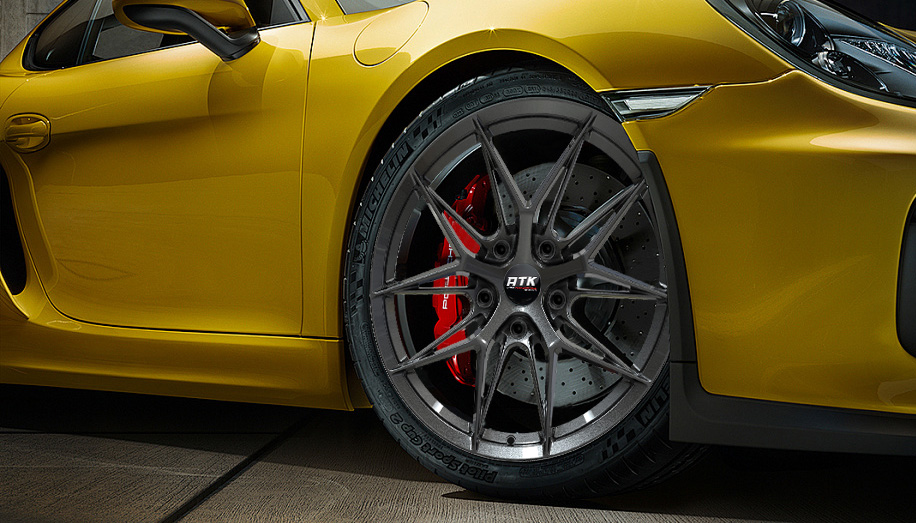
3.What Does “MAG” Mean in Mag Wheel Rim?
Originally, “MAG” referred to magnesium, a lightweight metal used in early racing wheels. These wheels were extremely light, offering better acceleration and handling.
Today, true magnesium wheels are rare in street vehicles because:
- They are expensive to produce
- They require higher maintenance
- They are more prone to corrosion compared to modern alloys
Now, the term “mag wheel rim” is broadly used for:
- Aluminum alloy wheels
- Forged performance wheels
- Aftermarket sporty wheel designs
4.Why Drivers Choose Mag Wheel Rims
Mag wheel rims are not just about appearance—they directly influence how a vehicle performs.
1. Weight Reduction
Lighter wheels reduce unsprung mass, improving:
- Acceleration
- Braking response
- Fuel efficiency
2. Better Heat Dissipation
Alloy materials dissipate heat faster than steel, helping brake systems perform more consistently under pressure.
3. Improved Handling
Reduced rotational mass leads to sharper steering response and better cornering stability.
4. Aesthetic Appeal
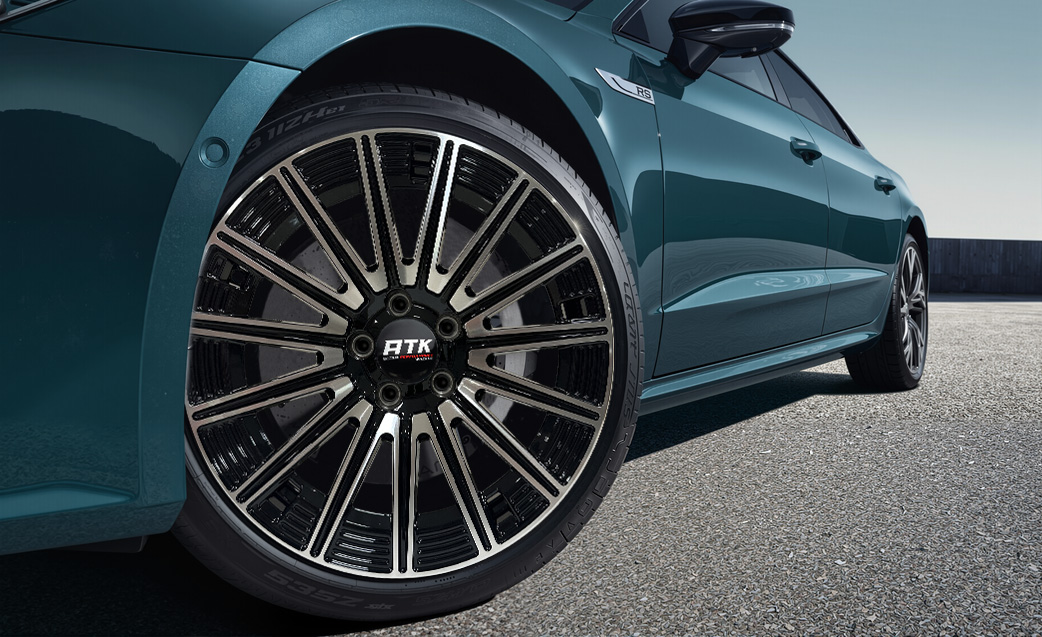
Mag wheels are widely used for their modern, sporty appearance. They are available in:
- Matte black finishes
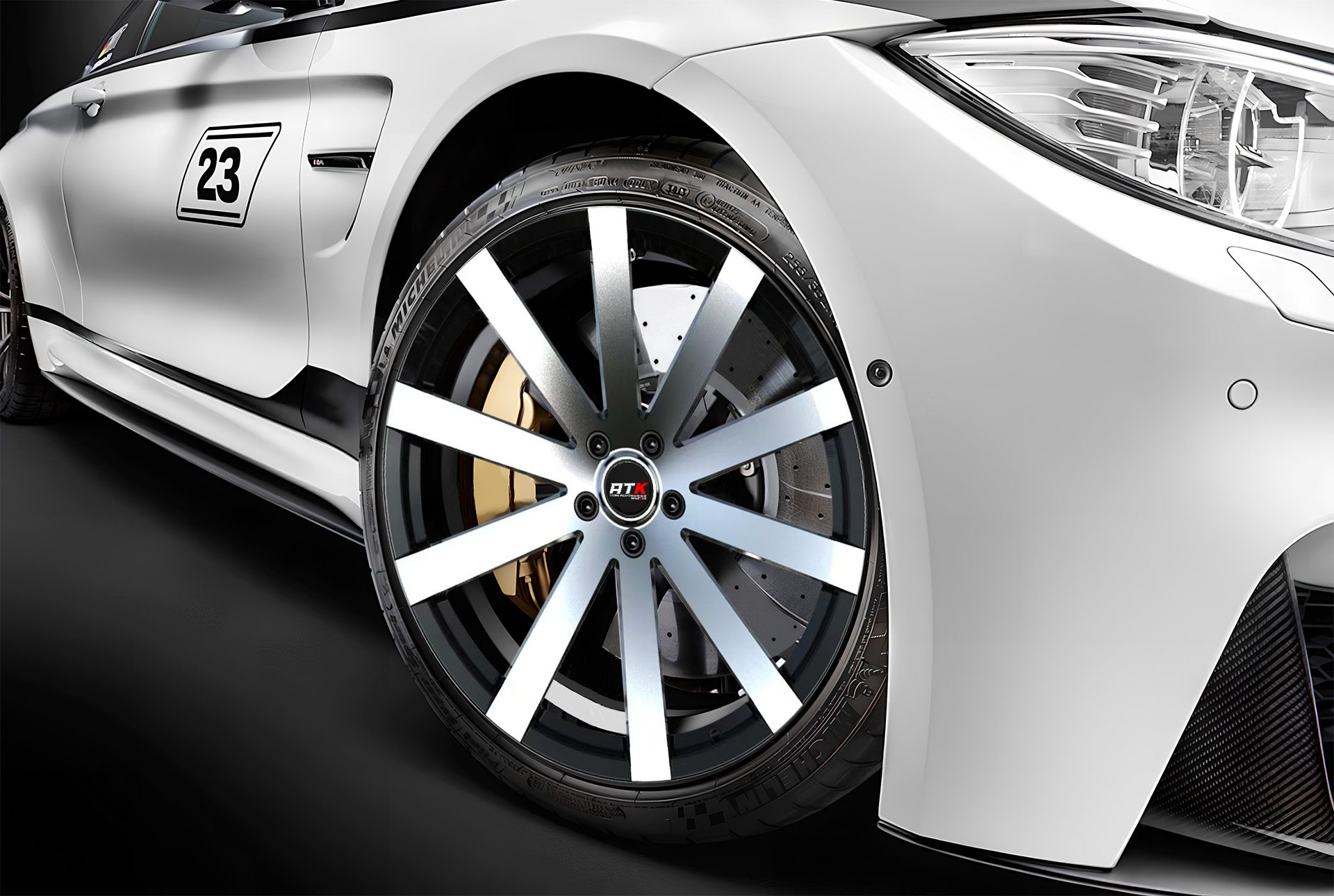
- Machined silver designs
- Dual-tone performance styles
5.Mag Wheel Rim vs Steel Wheel: Full Comparison
To understand the real difference, here’s a practical comparison:
| Feature | Mag Wheel Rim (Alloy) | Steel Wheel |
|---|---|---|
| Weight | Lightweight | Heavier |
| Performance | Better acceleration & handling | Slower response |
| Durability | Good, but can crack under extreme impact | Very strong and impact-resistant |
| Appearance | Stylish, modern designs | Basic, functional look |
| Maintenance | Moderate care needed | Low maintenance |
| Cost | Higher | Lower |
Key insight
Steel wheels are built for toughness, while mag wheel rims are built for performance and appearance.
6.Types of Mag Wheel Rims
Not all mag wheels are the same. They vary based on manufacturing methods and material composition.
1. Cast Alloy Wheels
- Most common type
- Produced by pouring molten aluminum into molds
- Affordable and widely available
2. Forged Wheels
- Created under extreme pressure
- Much stronger and lighter than cast wheels
- Preferred in performance and luxury vehicles
3. Flow-Formed Wheels
- Hybrid manufacturing method
- Combines cost efficiency with improved strength
- Popular in modern aftermarket upgrades
7.Performance Impact of Mag Wheel Rim Upgrades
Upgrading to mag wheel rims can change how a vehicle behaves on the road.
Noticeable improvements include:
- Faster throttle response
- Reduced braking distance
- Improved cornering stability
- Lower unsprung weight
However, performance gains depend on wheel size, tire selection, and driving style.
8.When Mag Wheel Rims Should Be Replaced
Even high-quality wheels have a lifespan. Signs of deterioration include:
- Visible cracks or fractures
- Bent rim edges from potholes
- Air pressure leaks around the bead area
- Vibration at higher speeds
- Corrosion or structural weakening
Even small structural damage can affect safety and performance, so inspection is essential.
9.Choosing the Right Mag Wheel Rim
Selecting the right wheel is not just about style—it’s about compatibility and performance.
Important factors to consider:
- Vehicle type (sedan, SUV, truck, sports car)
- Wheel size and offset
- Load rating
- Driving environment (city, highway, off-road)
- Material type (cast, forged, flow-formed)
For drivers looking for engineered performance wheels, brands like ATK Wheels offer options focused on strength, styling, and modern fitment standards.
10.Advantages and Disadvantages of Mag Wheel Rims
Advantages
- Lightweight construction improves performance
- Better heat management
- Wide variety of designs
- Enhances vehicle appearance
- Improves driving dynamics
Disadvantages
- Higher cost compared to steel wheels
- Can crack under extreme impact
- Requires more careful maintenance
- Not always ideal for heavy-duty work vehicles
11.Real-World Driving Experience
On U.S. roads—especially highways and urban environments—mag wheel rims provide a noticeable difference in driving feel.
Drivers often report:
- Smoother acceleration
- More responsive steering
- Reduced fatigue on long drives
- Improved braking confidence
However, in rough rural or construction-heavy areas, steel wheels may still be more practical due to impact resistance.
FAQ: Mag Wheel Rim
1. Is a mag and a rim the same thing?
No. A rim is only the outer edge of a wheel, while a mag wheel refers to a full wheel made from alloy or magnesium-based materials.
2. What does MAG mean for rims?
MAG originally refers to magnesium, a lightweight metal used in early racing wheels. Today, it broadly refers to alloy wheels.
3. Which is better, rim or mags?
Mag wheels are better for performance and aesthetics, while steel wheels are better for durability and heavy-duty use.
4. What are mags in a car?
Mags refer to metal alloy wheels, typically without hubcaps, used for improved styling and performance.
5. When should mag wheels be replaced?
They should be replaced when cracks, bends, air leaks, or structural damage appear, as these issues affect safety and stability.
Final Thoughts
A mag wheel rim is more than just a styling upgrade—it’s a performance-oriented component that affects how your vehicle accelerates, brakes, and handles. While not every driver needs high-performance wheels, those looking for better responsiveness and modern aesthetics often find mag wheels to be a worthwhile investment.
Choosing the right wheel comes down to balancing performance, durability, and driving conditions. Whether for daily commuting or performance tuning, understanding what mag wheels actually do helps you make a smarter, safer decision.
CTA: Upgrade Your Driving Experience
If you’re exploring performance-focused wheel options, explore modern designs engineered for strength, fitment precision, and visual impact.
Discover more at ATK Wheels and find wheel solutions designed for today’s driving standards in the U.S. market.

Hi there to every , since I am truly eager of reading this weblog’s post to be updated daily.
It carries fastidious stuff.
Thank you for your recognition. We will continue to update. If you want to purchase car wheels, you can contact us. We have a very professional customer service team to provide you with professional services
I’m not sure where you are getting your info, but good topic.
I needs to spend some time learning much more or understanding
more. Thanks for magnificent info I was
looking for this information for my mission.
Thank you for your recognition. We will continue to update. If you want to purchase car wheels, you can contact us. We have a very professional customer service team to provide you with professional services