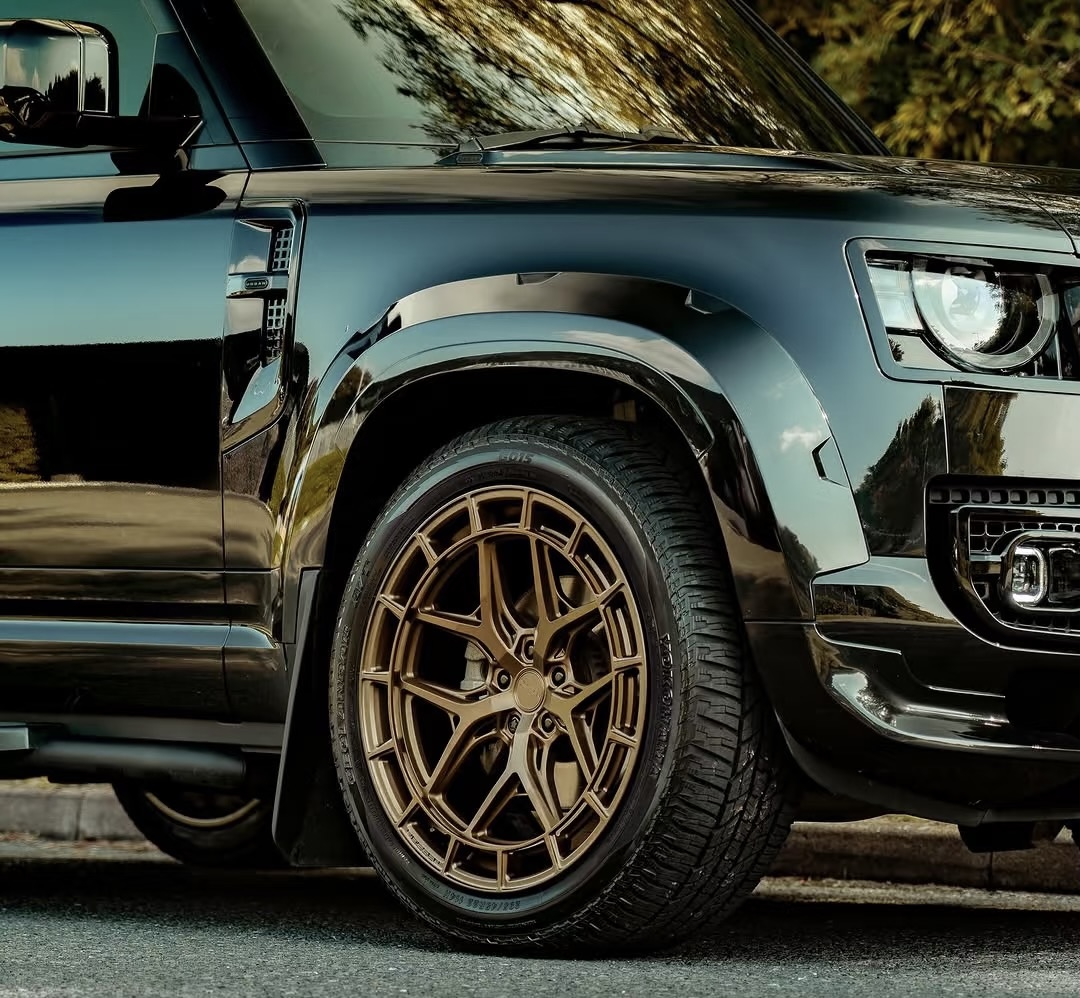
Luxury Wheels: Why Premium Wheels Are Worth the Investment
Luxury Wheels: Why Premium Wheels Are Worth the Investment
For automotive enthusiasts and luxury vehicle owners, a car is far more than a tool to get from point A to point B. It is an extension of personal style, a statement of taste, and a masterpiece of modern engineering. When it comes to customizing a high-end vehicle, nothing transforms its visual presence and driving dynamics quite like a set of premium luxury wheels.
Choosing the right aftermarket wheels involves balancing aesthetics with engineering. The market offers thousands of options, but true luxury wheels stand apart through meticulous craftsmanship, advanced metallurgy, and tailored fitment.
Whether you drive a sleek European sports car, a flagship luxury sedan, or a high-end custom SUV, upgrading your wheels is one of the most impactful investments you can make. This comprehensive industry analysis explores everything you need to know about premium wheels, from manufacturing techniques to maintenance strategies.
1.What Defines a True Luxury Wheel?
To the untrained eye, many wheels look similar. However, a massive gulf in quality, safety, and prestige separates a mass-market factory wheel from a true premium wheel.
Featured Snippet Definition:
Luxury wheels are defined by premium materials (such as aerospace-grade 6061-T6 forged aluminum), advanced manufacturing processes, and bespoke engineering. Unlike mass-produced cast wheels, luxury wheels offer an exceptional strength-to-weight ratio, structural integrity, and hand-crafted custom finishes tailored to specific vehicle fitments.
Materials and Metallurgy
Standard factory wheels are usually made from heavy cast aluminum or steel. In contrast, premium wheel manufacturers use high-grade alloys, most notably 6061-T6 aerospace-grade aluminum. Some ultra-high-end applications even incorporate carbon fiber barrels paired with forged aluminum faces. These materials provide maximum structural density while keeping weight to an absolute minimum.
Bespoke Engineering and Precise Fitment
Off-the-shelf wheels use generic dimensions to fit as many car models as possible. Luxury custom wheels, however, are engineered for your specific vehicle. Designers calculate the exact bolt pattern, center bore, and optimal offset to ensure the wheel sits flush with the fender, providing an aggressive stance without rubbing or requiring spacers.
Artisanal Finishes
The finish of a premium wheel is a multi-stage art form. Options include:
-
Hand-brushed faces with translucent smoke clear coats
-
Polished lips with high-luster reflections
-
Custom color-matched paint matching your vehicle’s OEM color code
-
Advanced physical vapor deposition (PVD) coatings for a durable chrome effect
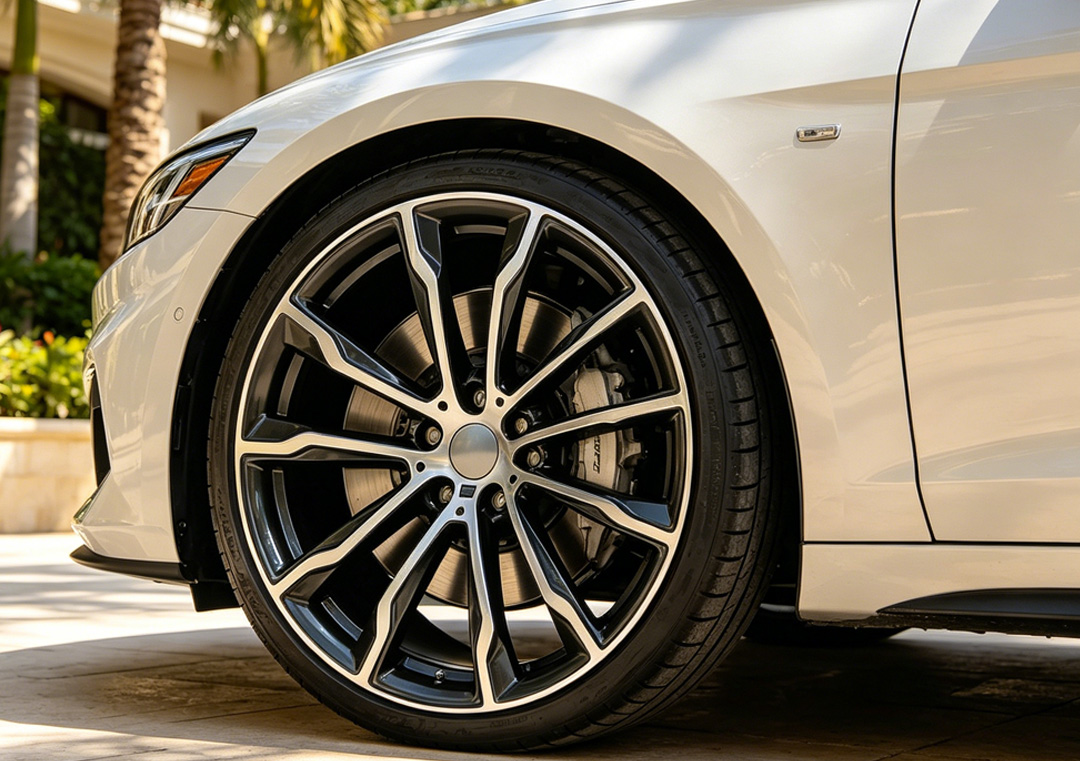
2.Forged vs. Cast: Decoding Manufacturing Methods
Understanding how a wheel is made is crucial when investing in high-end automotive upgrades. The manufacturing process directly dictates how the wheel handles potholes, track days, and daily highway speeds.
[Cast Wheel]   -> Molten aluminum poured into a mold -> Prone to microscopic air bubbles (porosity)
[Forged Wheel] -> Solid aluminum block + Immense pressure -> Aligned grain structure (maximum strength)
The Cast Wheel Process
Gravity casting and low-pressure casting involve pouring molten aluminum into a pre-shaped mold. While cost-effective, this process allows microscopic air pockets (porosity) to form within the metal. To compensate for this inherent weakness, manufacturers must make the wheel thicker and heavier, compromising your vehicle’s unsprung mass.
The Forged Wheel Advantage
Forged wheels begin as a solid billet of premium aluminum. This block is subjected to millions of pounds of pressure under a hydraulic press. This immense force realigns the metal’s internal grain structure, making it incredibly dense, uniform, and resilient.
Because the metal is naturally stronger, engineers can mill away excess material, creating thin, intricate spokes and deep concave profiles that would be structurally impossible with cast aluminum.
Flow-Formed Wheels: The Middle Ground
Often called rotary forged or hybrid forged, flow forming starts as a low-pressure cast wheel. The barrel is then spun and heated while hydraulic rollers stretch the material. This improves the density and strength of the outer barrel, offering a lighter option than standard cast wheels at a lower price point than a fully forged setup.
3.Comparison: Forged, Flow-Formed, and Cast Wheels
| Feature | Fully Forged Wheels | Flow-Formed Wheels | Standard Cast Wheels |
|---|---|---|---|
| Material Base | Solid 6061-T6 Aluminum Billet | Cast Preform (Spun Barrel) | Molten Aluminum Alloy |
| Strength-to-Weight | Exceptional (Highest) | Moderate-High | Low to Moderate |
| Weight Saving | Maximum weight reduction | Fair weight reduction | Heavy |
| Impact Resistance | Extremely high; bends before cracking | Good rim structural strength | Brittle; prone to cracking |
| Design Flexibility | Fully custom offsets, widths, finishes | Limited structural variations | Fixed catalog sizes and styles |
| Price Point | Premium investment | Mid-tier | Budget-friendly |
4.Do Premium Custom Wheels Improve Vehicle Performance?
A common misconception is that high-end wheels are purely aesthetic. In reality, a well-engineered set of custom wheels directly improves several key performance metrics of your luxury vehicle.
1. Reduction of Unsprung Mass
Unsprung weight refers to any part of the vehicle not supported by the suspension system—including the wheels, tires, brakes, and wheel bearings.
When you reduce unsprung mass by switching to lightweight forged wheels, your suspension works much more efficiently. The springs and dampeners don’t have to fight the heavy kinetic inertia of a heavy wheel, resulting in a smoother, more controlled ride.
2. Sharper Handling and Steering Response
Lighter wheels require less physical effort to turn, making your steering feel immediate and precise. Furthermore, the enhanced structural rigidity of forged wheels prevents wheel flex during hard cornering, keeping your tire’s contact patch flat against the tarmac.
3. Enhanced Braking and Acceleration
-
Acceleration: It takes less rotational energy to spin a lightweight wheel. This means your engine’s horsepower is transferred directly to the ground faster, shaving split seconds off your 0-60 mph times.
-
Braking: Less rotating mass means less kinetic energy to stop. Your brakes don’t have to work as hard, which reduces brake fade and shortens your overall stopping distance.
4. Better Brake Cooling
Premium wheel designs often feature optimized spoke geometry designed to pull hot air away from your high-performance braking system. This ventilation keeps your rotors and pads operating within their ideal temperature ranges.
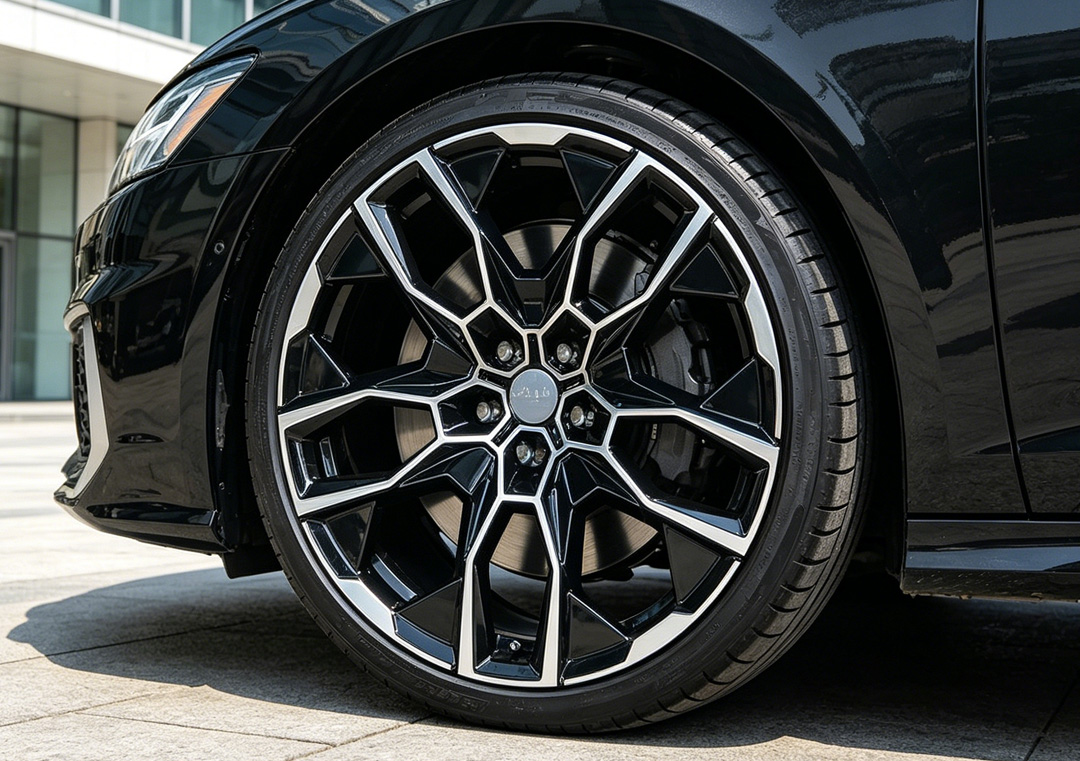
5.How to Choose the Perfect Luxury Wheels for Your Setup
Selecting the ideal wheel upgrade requires analyzing technical specifications alongside visual styling. A mismatched wheel can ruin your ride quality or cause mechanical damage.
       [Vehicle Wheel Fitment Checklist]
  ├── 1. Bolt Pattern (e.g., 5x112, 5x120)
  ├── 2. Wheel Diameter & Width (e.g., 20"x9.5")
  ├── 3. Offset & Backspacing (ET value)
  ├── 4. Center Bore (Hub-centric vs. Lug-centric)
  └── 5. Load Rating (Crucial for heavy luxury EVs/SUVs)
Step 1: Confirm Technical Fitment Specifications
Before looking at styles, you must know your vehicle’s precise geometric requirements:
-
Bolt Pattern: The number of lug holes and the diameter of the circle they form (e.g., 5×112 for many European cars).
-
Center Bore: The diameter of the center hole. Luxury wheels should always be hub-centric, meaning the center bore matches your vehicle’s hub perfectly to eliminate high-speed vibrations.
-
Offset (ET): The distance from the wheel’s mounting surface to its true centerline. The wrong offset causes wheels to stick out too far or rub against inner suspension components.
Step 2: Match the Wheel Style to Your Vehicle’s Lines
-
Monoblock (One-Piece): Machined from a single block of forged aluminum. Ideal for modern sports cars looking for a clean, minimalist, and ultra-lightweight appearance.
-
Multi-Piece (Two-Piece or Three-Piece): Consists of a separate face, outer lip, and inner barrel secured by specialized titanium hardware. These allow for extreme widths, deep lips, and contrasting color combinations, making them popular for high-end luxury sedans and show cars.
Step 3: Account for Vehicle Weight and Load Ratings
Modern luxury vehicles—especially luxury electric vehicles (EVs) like the Tesla Model S, Porsche Taycan, or heavy SUVs like the Cadillac Escalade—are incredibly heavy. Ensure the custom wheels you select feature a certified load rating that safely handles your vehicle’s gross axle weight rating.
6.Maintaining and Protecting Your Investment
Premium wheels feature delicate, high-grade finishes that can be easily ruined by improper care. To protect your investment and keep your custom wheels looking pristine, integrate these four essential rules into your detailing routine.
Rule 1: Never Wash Wheels While They Are Hot
After driving, your brakes and wheels retain intense heat. Spraying cold water or chemical cleaners onto a hot wheel can warp brake rotors and cause cleaning chemicals to instantly dry and etch into the clear coat, creating permanent spots. Always let the wheels cool to room temperature.
Rule 2: Use Dedicated pH-Neutral Cleaners Only
Many cheap car wash soaps and industrial wheel cleaners contain harsh acids or heavy alkalis designed to strip brake dust instantly. These chemicals will destroy the clear coat, stain polished lips, and dull anodized hardware over time. Always verify your wheel cleaner is strictly pH-neutral.
Rule 3: Utilize Soft Microfiber Mitts and Brushes
Avoid stiff-bristled brushes or automatic car wash wheel brushes, which leave micro-scratches that ruin the mirror finish of high-end wheels. Use high-quality microfiber wash mitts and ultra-soft wool detailing brushes dedicated exclusively to your wheels to avoid cross-contaminating your paint with abrasive metallic brake dust.
Rule 4: Apply a Ceramic Coating or Wheel Sealant
The best way to maintain your luxury wheels is to prevent brake dust from bonding to the surface in the first place. Applying a high-temperature ceramic coating creates a hydrophobic barrier. This barrier makes future cleaning incredibly simple, often requiring nothing more than a gentle rinse with water and a mild soap.
Frequently Asked Questions
1.What makes luxury wheels so much more expensive than OEM factory wheels?
Luxury wheels are expensive due to premium raw materials (like aerospace-grade 6061-T6 aluminum), low-volume custom manufacturing, structural testing, and intricate, hand-finished detailing. Standard OEM wheels are mass-produced via casting to minimize costs, prioritizing production speed over weight savings and specialized style.
2.Can I run my luxury custom wheels during the winter months?
It depends on the finish. Fully painted or clear-coated wheels can handle winter use if washed regularly. However, wheels with bare polished aluminum lips, raw brushed finishes, or chrome plating should not be driven on roads treated with winter salt and liquid de-icers, as these chemicals rapidly corrode and pit the metal.
3.Will installing aftermarket premium wheels void my vehicle’s factory warranty?
No. In the United States, under the Magnuson-Moss Warranty Act, a manufacturer cannot void your entire vehicle warranty simply because you installed aftermarket wheels. However, if an incorrectly sized aftermarket wheel directly causes damage to a suspension component, that specific repair will not be covered under warranty.
4.Why is hub-centric design important for premium wheels?
A hub-centric wheel is designed so that the center bore of the wheel fits perfectly over the vehicle’s hub. This ensures the weight of the vehicle rests on the strong hub, rather than on the wheel studs or lug bolts. Lug-centric setups can cause microscopic shifting, leading to steering wheel vibrations at highway speeds.
5.How often should I check the lug torque on new custom wheels?
When you install a new set of premium wheels, the metal can expand and contract slightly during initial heat cycles. It is highly recommended to re-torque your lug nuts or bolts to factory specifications after the first 50 to 100 miles of driving to guarantee maximum safety.
Elevate Your Driving Experience Today
Investing in a premium set of luxury wheels is the definitive way to personalize your car, combining breathtaking style with real performance gains. By prioritizing forged construction, matching your vehicle’s specific fitment specifications, and committing to proper maintenance, you can ensure your vehicle stands out with unparalleled elegance and poise.
Ready to transform your vehicle’s look and performance? Explore bespoke fitments and discover premium, high-performance designs at ATK Wheels today. Your vehicle deserves nothing less than perfection.