
Lightweight Automotive Wheels: Why Wheel Weight Matters
Lightweight Automotive Wheels: Why Wheel Weight Matters
Every vehicle enthusiast, commuter, and EV driver eventually hits a point where standard factory setups no longer cut it. You press the accelerator and feel a slight lag, or you take a winding turn and notice the suspension working overly hard to keep the tires planted.
While many drivers jump straight to engine tunes, aftermarket exhaust systems, or heavy-duty brake kits, seasoned automotive builders know a fundamental truth: the most impactful upgrade starts where the rubber meets the road.
Upgrading to high-performance lightweight automotive wheels transforms how your vehicle drives, stopping faster, accelerating cleaner, and turning sharper. Whether you are aiming to shave seconds off your track lap time, seeking a smoother daily commute across rough highway pavement, or trying to squeeze extra miles out of your electric vehicle’s battery range, lightweight wheels deliver immediate gains.
This comprehensive standard breakdown explores the physics, manufacturing processes, real-world performance benefits, and key trade-offs of lightweight rims so you can make an informed decision for your vehicle build.
1.What Are Lightweight Automotive Wheels?
A lightweight automotive wheel is an aftermarket or specialized original equipment (OEM) rim engineered to reduce rotational mass and unsprung weight while maintaining high structural integrity. Standard cast aluminum wheels found on most factory cars prioritize cheap, high-volume production over weight efficiency. In contrast, lightweight rims leverage advanced metallurgy, optimized spoke geometries, and precision engineering to minimize bulk.
+-----------------------------------------------------------------------+
|                      Total Vehicle Mass Breakout                      |
|                                                                       |
|  [ Sprung Mass ] --> Chassis, Engine, Body, Interior, Passengers      |
|  -------------------------------------------------------------------  |
|  [ Unsprung Mass ] --> Wheels, Tires, Brakes, Suspension Components   |
|                       *Target for lightweight wheel optimization*     |
+-----------------------------------------------------------------------+
To truly grasp why dropping wheel mass matters so much, you need to understand two critical physics principles: unsprung mass and rotational inertia.
Unsprung Mass vs. Sprung Mass
Vehicle mass splits into two categories:
-
Sprung Mass: Everything supported by your car’s suspension system (the chassis, engine, body panels, interior, and passengers).
-
Unsprung Mass: Components located below the suspension springs (the wheels, tires, brake assemblies, control arms, and wheel hubs).
When your vehicle hits a bump, the suspension springs compress and rebound to absorb the movement. If your wheels are heavy, they carry massive kinetic force, forcing your shock absorbers to work significantly harder to keep the rubber pressed against the asphalt. Lightening your wheel assemblies reduces unsprung weight, allowing your shocks and struts to react instantly to imperfections in the road surface.
The Physics of Rotational Inertia
Wheels do not merely move forward in a straight line; they spin rapidly around a central axis. Rotational inertia measures how much energy is required to accelerate or decelerate a rotating object.
Key Takeaway: Shaving 1 pound of rotating mass off a wheel provides a dynamic dynamic benefit comparable to removing roughly 4 to 10 pounds of static weight from inside the cabin.
By reducing the weight distributed away from the hub center out toward the wheel barrel, your engine or electric motor requires vastly less torque to spin the wheels up to speed—and your brakes need less force to bring them to a dead stop.
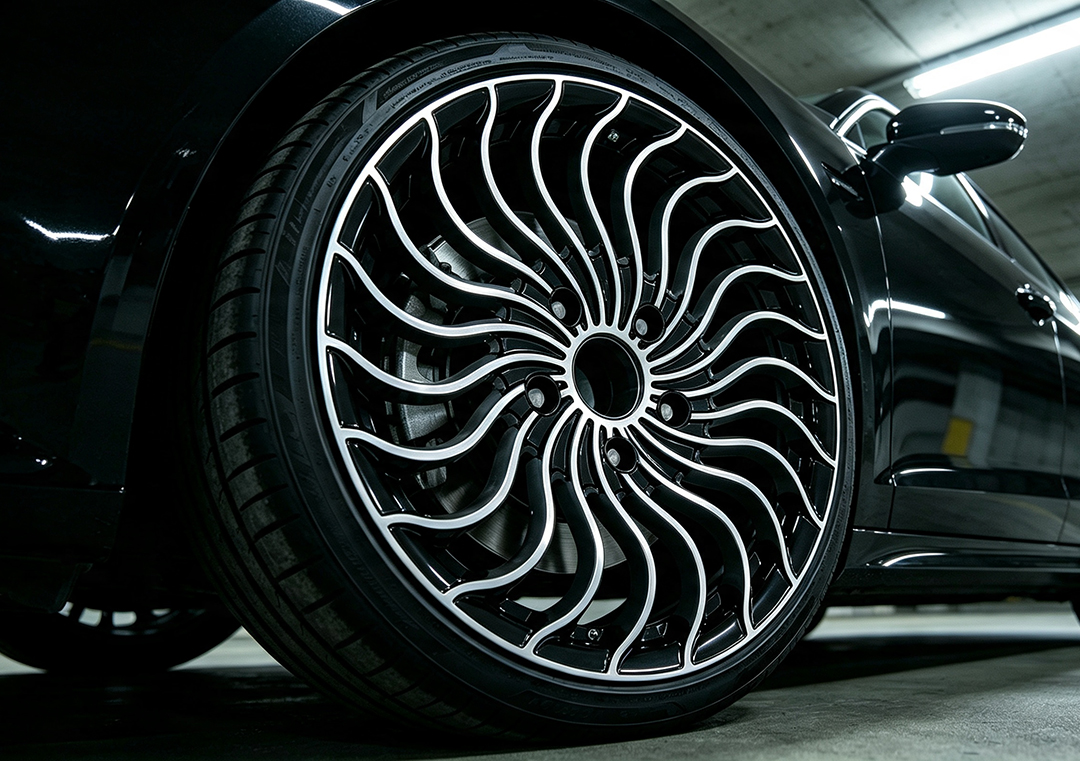
2.Proven Performance Benefits of Lightweight Wheels
Upgrading your vehicle with light aftermarket wheels delivers immediate, noticeable improvements across every aspect of driving dynamics.
                           +------------------------+
                           |  LIGHTWEIGHT WHEELS    |
                           +-----------+------------+
                                       |
        +------------------+-----------+-----------+------------------+
        |                  |                       |                  |
        v                  v                       v                  v
+---------------+  +---------------+       +---------------+  +---------------+
| Faster        |  | Shorter       |       | Responsive    |  | Extended      |
| Acceleration  |  | Stopping      |       | Handling      |  | Fuel/EV Range |
+---------------+  +---------------+       +---------------+  +---------------+
1. Quicker Acceleration and Throttle Response
Because a lighter wheel features lower rotational inertia, the powertrain converts energy into forward momentum much faster. Drivers notice an instant reduction in throttle lag, particularly during low-speed takeoffs, highway merging, and aggressive corner exits.
2. Shorter Braking Distances
Stopping a vehicle requires converting kinetic energy into heat through friction. Heavier wheels carry vast amounts of rotational momentum that fight against brake pads and rotors. Lowering that rotational mass lets brake systems clamp down more effectively, shortening overall stopping distance and reducing brake fade during repeated hard stops.
3. Precision Handling and Steering Dynamics
When you turn the steering wheel, heavy assemblies create strong gyroscopic forces that resist sudden changes in direction. Lightweight rims dramatically lower gyroscopic resistance, making steering feel sharp, direct, and communicative. Turn-in response becomes instantaneous, giving you total confidence through tight twists and turns.
4. Superior Suspension Tracking and Ride Comfort
A lighter wheel assembly allows the suspension dampers and springs to control wheel motion effortlessly. Instead of the wheel slamming heavily into potholes or floating over dip patches, lightweight units follow the exact contours of the road. This improves mechanical grip, enhances tire contact patches, and reduces harsh cabin vibrations over rough asphalt.
5. Increased Fuel Economy and EV Battery Range
Rotational mass demands steady energy input. Less effort required to turn the wheels translates directly into improved energy efficiency.
-
Gasoline Vehicles: Experience modest miles-per-gallon (MPG) increases during stop-and-go city driving where wheel spin acceleration cycles happen constantly.
-
Electric Vehicles (EVs): Benefit significantly, as reducing wheel drag directly conserves battery capacity, extending usable drive range per charge.
3.Manufacturing Methods: Cast vs. Flow-Formed vs. Forged
Not all lightweight wheels are built the same way. The manufacturing process directly dictates structural strength, weight savings potential, impact resistance, and overall price point.
   [ Gravity / Low-Pressure Casting ]  --> Lowest Cost, Heaviest, Basic Strength
                    │
                    ▼
       [ Flow-Forming Technology ]      --> Mid-Tier Cost, Light Barrel, Enhanced Toughness
                    │
                    ▼
       [ Precision Forged Monoblock ]   --> Maximum Strength, Ultra-Lightweight, Top Tier
Gravity and Low-Pressure Cast Wheels
Casting involves pouring molten aluminum alloy into a pre-shaped mold. While extremely cost-effective for mass production, cast aluminum exhibits lower structural density and microscopic porosity. To compensate for reduced structural strength, manufacturers must add extra metal, making cast wheels naturally heavy.
Flow-Formed (Rotary Forged) Wheels
Flow-forming represents the sweet spot between performance and affordability. The process starts with a specialized low-pressure cast center. The wheel is then mounted on a machine where high-pressure rollers stretch, compress, and form the outer barrel while heating the aluminum alloy.
-
The Result: The grain structure of the aluminum aligns similarly to a forged wheel, dramatically increasing barrel strength while trimming overall weight.
Precision Forged Wheels
Forging is the apex of wheel manufacturing technology. An solid billet of aerospace-grade 6061-T6 aluminum is subjected to massive hydraulic pressure (often 8,000 to 10,000+ tons) to compress the metal grain structure completely. Machinists then CNC-carve the wheel design directly out of this solid, dense block.
-
The Result: The highest strength-to-weight ratio available on the market, allowing ultra-thin spoke profiles and unmatched structural toughness.
Structural & Performance Comparison
| Feature / Metric | Standard Cast Wheels | Flow-Formed Wheels | Precision Forged Wheels |
|---|---|---|---|
| Manufacturing Process | Molten aluminum poured in mold | Heated rollers stretch cast barrel | Solid aluminum billet CNC-machined under high pressure |
| Weight Profile | Heavy (Base Baseline) | 15%–25% Lighter than Cast | 25%–40% Lighter than Cast |
| Structural Density | Moderate / Porous | High (Barrel Area) | Maximum Grain Uniformity |
| Impact Resistance | Average / Brittle under stress | High Structural Toughness | Exceptional Bend & Fracture Resistance |
| Price Point | Budget Friendly | Mid-Range Sweet Spot /Premium Investment | |
| Ideal Application | Daily commuters, standard driving | Street performance, light track | Dedicated motorsports, exotic & high-end builds |
4.How to Choose the Right Lightweight Wheels for Your Car
Selecting the correct set of aftermarket rims requires balancing performance goals, vehicle specs, and real-world driving conditions.
              +--------------------------------------------------+
              |           SELECTION CONSIDERATION CHECKLIST      |
              +--------------------------------------------------+
              | [1] Wheel Size & Offset (Diameter/Width/ET)      |
              | [2] Vehicle Weight Class & Load Rating           |
              | [3] Primary Use Case (Track vs. Daily Commute)   |
              | [4] Material Selection (Forged vs. Flow-Formed)  |
              +--------------------------------------------------+
1. Match Your Vehicle’s Load Rating
Never compromise safety for weight reduction. Heavy utility vehicles, crossovers, and heavy dual-motor EVs require wheels engineered with high load capacity ratings. Ensure the lightweight option you select is load-tested and certified to support your vehicle’s gross axle weight rating (GAWR).
2. Maintain Correct Fitment and Offset
Altering wheel diameter, width, bolt pattern (PCD), hub-centric bore size, or offset (ET) impacts suspension geometry.
-
Offset Matters: Incorrect offset can cause lightweight rims to rub against shock towers, suspension arms, or outer fender liners.
-
Brake Clearance: High-performance cars equipped with multi-piston big brake kits require wheel spoke curvature that leaves ample caliper clearance.
3. Consider Your Primary Driving Environment
If your daily route features broken pavement, deep potholes, and rough expansion joints, ultra-light fragile track wheels might bend under violent road impacts. Opt for durable flow-formed or forged wheels that offer high fatigue resistance without sacrificing weight benefits.
4. Factor in Tire Selection
Pairs your new lightweight wheels with performance-oriented tires. Mounting heavy, thick-walled, low-grade tires on ultra-light wheels defeats the purpose of reducing unsprung rotational weight. Look for modern high-performance or low-rolling-resistance tires to maximize overall efficiency.
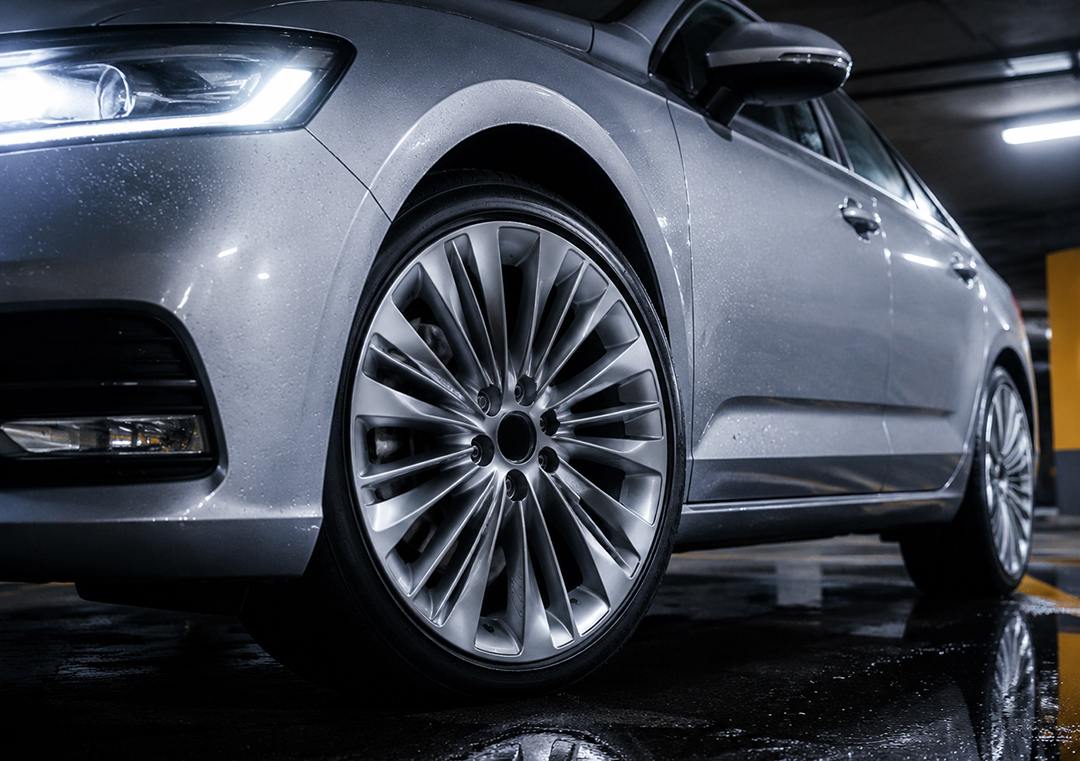
5.Real-World Impact on Electric Vehicles (EVs)
Electric vehicles are inherently heavy due to their massive under-floor lithium-ion battery packs. Because EVs carry significant static mass, reducing unsprung rotational weight plays an extraordinarily large role in optimizing overall vehicle dynamics.
+--------------------------------------------------------------------------------+
|                         LIGHTWEIGHT WHEELS ON ELECTRIC VEHICLES                |
|                                                                                |
|  * Reduced Rotational Effort --> Less kWh Energy Consumed per Mile             |
|  * Improved Suspension Control --> Combats Heavy Battery Oscillations          |
|  * Instant Electric Torque   --> Better Launch Traction & Highway Efficiency   |
+--------------------------------------------------------------------------------+
Extending Driving Range
Electric motors deliver instant torque, making wheel acceleration seamless. However, maintaining rotational movement during stop-and-go driving burns substantial kilowatt-hours (kWh). Replacing heavy factory EV aero-wheels with high-strength forged or flow-formed lightweight rims reduces power draw during acceleration cycles, helping maximize highway miles and city driving range.
Managing Battery Weight in Turns
Heavy battery placement keeps the center of gravity low, but high overall vehicle weight creates immense lateral momentum during high-speed cornering. Lightweight wheels reduce the unsprung dynamic forces acting on the EV’s air suspension or adaptive dampers, helping the car settle quickly through quick transitions and aggressive turn-ins.
6.Common Misconceptions About Lightweight Rims
Myth 1: “Lightweight Wheels Bend and Break Easily”
-
Fact: Weight alone does not determine wheel strength; material quality and manufacturing method do. A forged lightweight wheel is significantly stronger, stiffer, and more impact-resistant than a heavy, cast-aluminum wheel. Cheap, low-quality cast imitations may crack, but high-tier flow-formed and forged options handle heavy stress reliably.
Myth 2: “They Are Only Necessary for Racetracks”
-
Fact: While track drivers appreciate shorter lap times, street drivers experience benefits daily. Improved suspension compliance, smoother ride characteristics over bumps, sharper steering response, and improved fuel economy make lightweight wheels a rewarding upgrade for everyday street vehicles.
Myth 3: “Lightweight Rims Make the Ride Feel Harsh”
-
Fact: Lightening unsprung weight actually allows suspension systems to work more efficiently, smoothing out harsh road undulations. If a vehicle feels overly rough after installing lightweight wheels, the culprit is usually ultra-thin, low-profile tires rather than the wheels themselves.
7.Maintenance and Care for High-Performance Wheels
To protect your investment and preserve structural integrity over time, follow these essential maintenance protocols:
+---------------------------------------------------------------------------------+
|                              WHEEL CARE BEST PRACTICES                           |
+----------------------------------------------------------------------------------+
| [✓] Clean with pH-neutral wheel cleaners and microfiber brushes.                 |
| [✓] Avoid harsh acid-based cleaners and abrasive automatic car wash brushes.     |
| [✓] Hand-torque wheel lug nuts/bolts to factory specs using a torque wrench.     |
| [✓] Inspect rims regularly for bends, cracks, or bead seal damage after impacts. |
+----------------------------------------------------------------------------------+
-
Avoid Acidic Cleaners: Harsh wheel cleaners containing hydrofluoric acid can strip protective clear coats and anodized finishes. Stick to pH-neutral wheel soaps and soft microfiber brushes.
-
Torque Lug Nuts Properly: Always use a calibrated torque wrench to tighten lug nuts to factory specifications in a star pattern. Impact wrenches can over-torque hardware, warping the wheel hub mounting surface.
-
Inspect After Hard Road Impacts: If you strike a deep pothole at high speed, inspect the inner barrel and outer lip for hairline cracks, bends, or loss of tire inflation pressure.
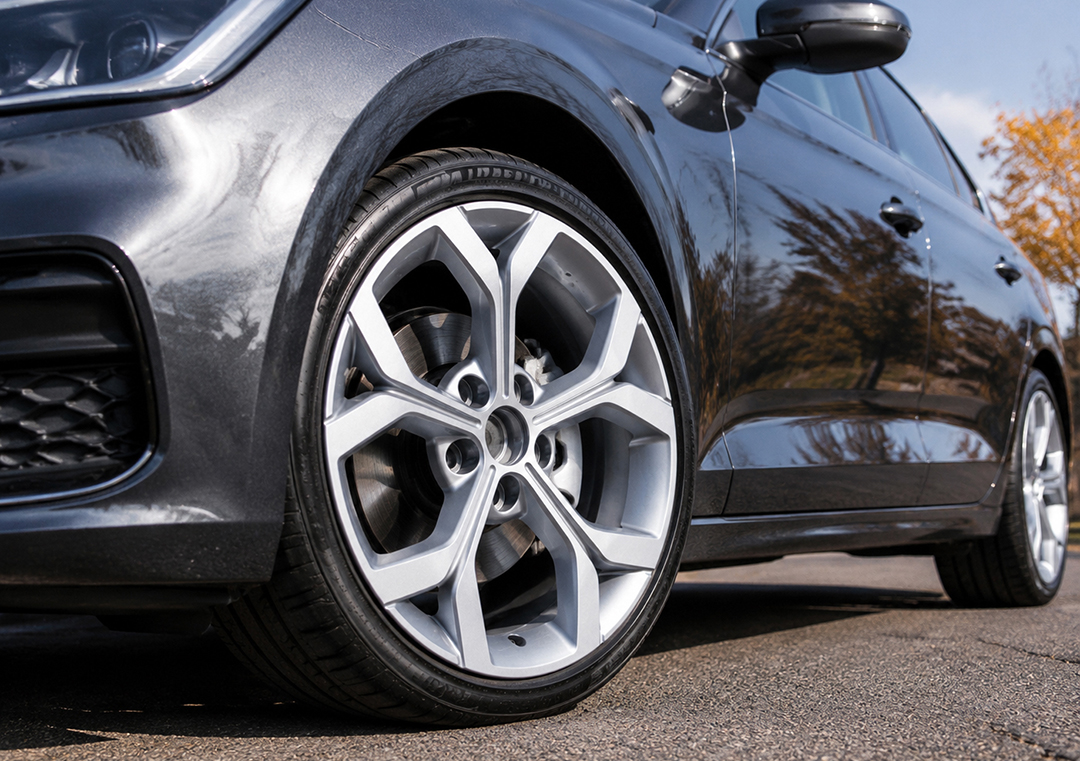
Frequently Asked Questions(FAQ)
Q1: How do lightweight automotive wheels improve overall vehicle performance?
Answer: Lightweight wheels significantly reduce unsprung mass and rotational inertia. This reduction allows the engine and brakes to work more efficiently, resulting in quicker acceleration, shorter stopping distances, sharper steering response, and superior tire contact over uneven roads.
Q2: Are lightweight automotive wheels strong enough for daily driving on rough roads?
Answer: Yes, provided they are built using high-quality processes like forging or flow-forming. These manufacturing methods compress the metal structure, allowing thin spoke profiles that deliver superior yield strength, impact resistance, and durability compared to heavier cast rims.
Q3: Do lightweight wheels help increase fuel economy and EV battery range?
Answer: Yes. Lowering rotational weight reduces the energy required by a gas engine or electric motor to rotate the wheels. This yields noticeable fuel savings in city stop-and-go driving and extends total driving range per battery charge in electric vehicles.
Q4: What is the main structural difference between cast, flow-formed, and forged wheels?
Answer: Cast wheels are made by pouring liquid metal into a mold, making them heavier and less dense. Flow-formed wheels use hydraulic rollers to stretch the barrel, creating strong, lightweight barrels at a moderate price. Forged wheels are carved from solid, pressurized aluminum billets, delivering maximum strength and the lowest possible weight.
Q5: Will installing lightweight wheels ruin my car’s ride comfort?
Answer: No. Reducing unsprung weight helps your suspension dampors react faster to bumps, creating a controlled, smooth ride. However, if you pair lightweight wheels with extremely thin, low-profile tires, road feedback and vibration may slightly increase.
Transform Your Drive Today
Upgrading to premium lightweight automotive wheels is one of the most effective mechanical enhancements you can make to any vehicle. By shedding unnecessary rotational mass, you unlock instantaneous throttle responsiveness, shorter stopping distances, precise steering control, and optimized energy efficiency across every mile.
Ready to elevate your driving experience with wheels designed for uncompromising strength, light weight, and striking aesthetic design?
Explore the high-performance collection at ATK Wheels to discover precision-engineered wheel fitments crafted specifically for your vehicle build. Upgrade your wheels today and feel the difference instantly!