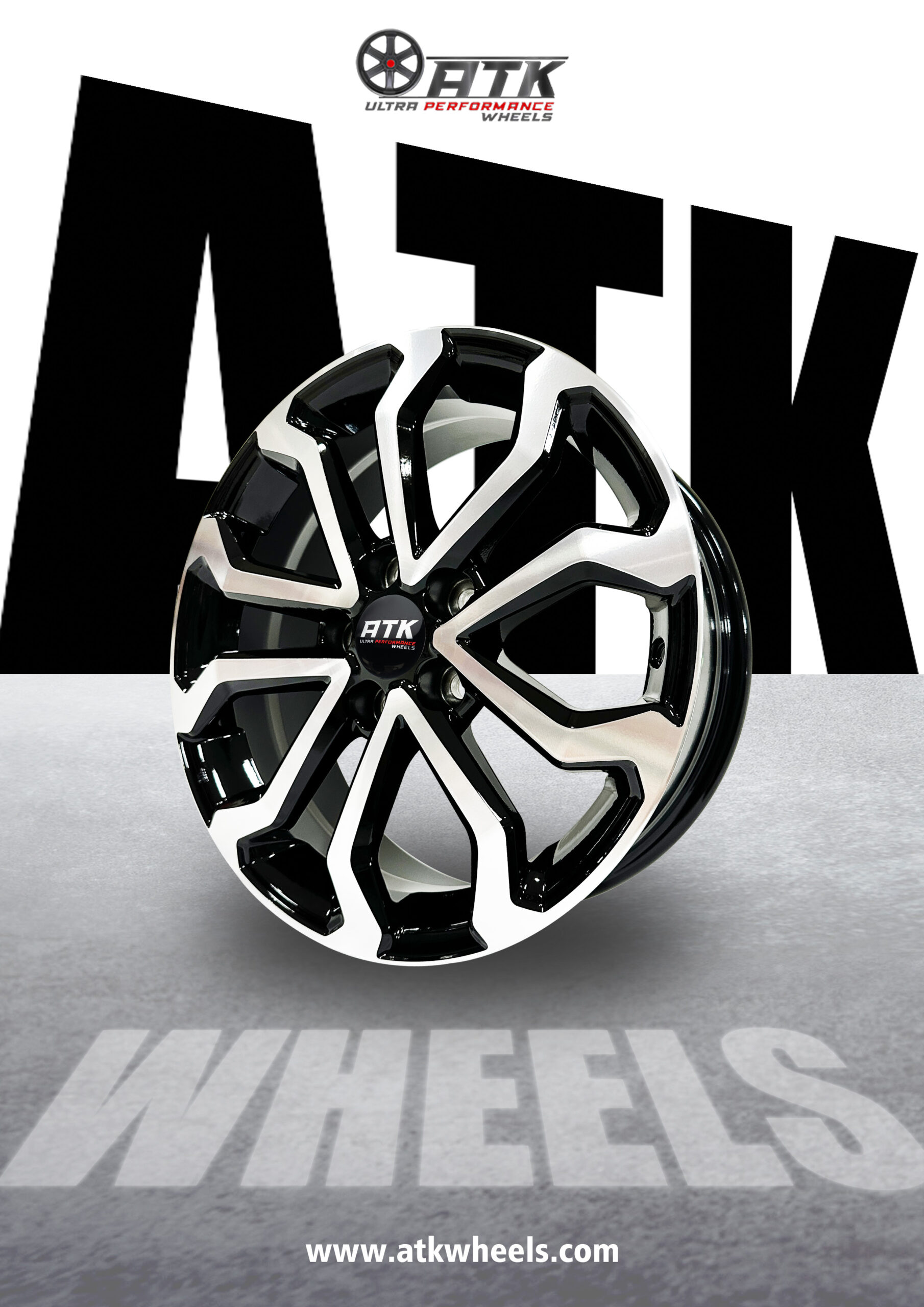
Lightweight Alloy Wheels: The Complete Guide for Performance, Style, and Everyday Driving
Lightweight Alloy Wheels: The Complete Guide for Performance, Style, and Everyday Driving
When drivers think about upgrading their vehicles, most focus on horsepower, suspension, or tires. But one of the most effective upgrades for both performance and appearance is often overlooked: lightweight alloy wheels.
Whether you drive a sports car, daily commuter, EV, or SUV, lightweight wheels can improve acceleration, steering response, braking performance, and even fuel economy. They also give vehicles a cleaner, more aggressive appearance without major mechanical modifications.
In this guide, we’ll explain what lightweight alloy wheels are, how they work, their advantages and disadvantages, and how to choose the right set for your vehicle.

What Are Lightweight Alloy Wheels?
Lightweight alloy wheels are wheels made from aluminum or magnesium-based alloys designed to reduce overall wheel weight compared to traditional steel wheels.
These wheels are engineered to decrease unsprung mass and rotational weight, two critical factors that directly influence vehicle performance.
Quick Definition (Featured Snippet Ready)
Lightweight alloy wheels are aluminum or magnesium-based wheels that weigh significantly less than traditional steel wheels. Their reduced weight improves acceleration, braking, handling, and fuel efficiency while also enhancing vehicle appearance and brake cooling.
Why Wheel Weight Matters More Than Most Drivers Think
Many people underestimate how much wheel weight affects driving dynamics.
Unlike weight inside the cabin, wheels are both:
- Rotating mass
- Unsprung weight
That means the engine, suspension, and brakes all work harder when wheels are heavier.
Benefits of Reducing Wheel Weight
| Performance Area | Effect of Lightweight Alloy Wheels |
|---|---|
| Acceleration | Faster throttle response and improved 0–60 times |
| Handling | Sharper steering and better cornering |
| Braking | Reduced stopping distances |
| Fuel Economy | Slight efficiency improvement |
| Ride Quality | Suspension reacts more effectively |
| Brake Cooling | Better heat dissipation |
In many cases, reducing wheel weight by just a few pounds per wheel creates noticeable improvements behind the wheel.
How Lightweight Alloy Wheels Improve Performance
1. Faster Acceleration
Lighter wheels require less energy to rotate.
Because the engine spends less power spinning the wheels, more energy goes toward moving the vehicle forward.
Performance testing has shown that reducing wheel weight can improve:
- Launch feel
- Mid-range acceleration
- 0–60 times
For enthusiasts, this is one of the most cost-effective performance upgrades available.
2. Better Handling and Steering Response
Heavy wheels create more inertia during turns.
Lightweight alloy wheels reduce that inertia, allowing:
- Quicker steering response
- More precise cornering
- Improved vehicle balance
- Better road feel
Drivers often describe the difference as the car feeling “more alive” or “more connected.”
This is especially noticeable on:
- Sports sedans
- Track-focused vehicles
- EVs
- Performance SUVs
3. Improved Braking Performance
Reducing rotational mass helps brakes work more efficiently.
Benefits include:
- Shorter stopping distances
- Reduced brake fade
- More consistent pedal feel
- Less stress on braking components
Alloy wheels also dissipate heat better than steel wheels, helping keep brake temperatures under control during aggressive driving.
4. Enhanced Fuel Efficiency
Although fuel savings are usually modest, lighter wheels can improve efficiency in city driving where vehicles constantly accelerate and decelerate.
This is particularly important for:
- Hybrid vehicles
- Electric vehicles
- Daily commuters
Lower rotational resistance means the drivetrain works less during stop-and-go traffic.
Lightweight Alloy Wheels vs Steel Wheels
Many drivers compare alloy wheels with traditional steel wheels before upgrading.
Comparison Table
| Feature | Lightweight Alloy Wheels | Steel Wheels |
|---|---|---|
| Weight | Much lighter | Heavier |
| Appearance | Stylish and modern | Basic appearance |
| Performance | Better acceleration and handling | Less responsive |
| Brake Cooling | Excellent heat dissipation | Poor heat transfer |
| Durability | Can crack under severe impact | More resistant to bending |
| Corrosion Resistance | Better overall | Can rust over time |
| Cost | Higher upfront cost | More affordable |
| Ideal Use | Performance and daily driving | Winter and budget use |
For most modern vehicles, alloy wheels offer the best balance of performance, aesthetics, and efficiency.
What Materials Are Best for Lightweight Wheels?
Not all lightweight wheels are built the same.
The material and manufacturing process dramatically affect:
- Strength
- Weight
- Durability
- Price
Aluminum Alloy Wheels
Aluminum alloy wheels are the most common option.
Advantages
- Lightweight
- Affordable
- Corrosion resistant
- Excellent for daily driving
Best For
- Commuters
- Performance street cars
- SUVs
- EVs
Most aftermarket lightweight wheels use aluminum alloys because they provide an excellent balance between cost and performance.
Magnesium Alloy Wheels
Magnesium wheels are even lighter than aluminum.
Advantages
- Extremely lightweight
- Exceptional motorsport performance
- Faster steering response
Disadvantages
- Expensive
- Less suitable for rough roads
- Higher maintenance requirements
Best For
- Racing
- Track builds
- High-end performance vehicles
Cast vs Forged Lightweight Alloy Wheels
Another major factor is manufacturing style.
Cast Wheels
Cast wheels are created by pouring molten alloy into molds.
Pros
- Lower cost
- Wide variety of styles
- Great for daily use
Cons
- Slightly heavier
- Less strength than forged wheels
Forged Wheels
Forged wheels are compressed under massive pressure, creating a stronger structure.
Pros
- Extremely strong
- Much lighter
- Better performance
Cons
- More expensive
Best For
- Motorsport
- Performance enthusiasts
- Luxury vehicles
Forged lightweight alloy wheels are widely considered the premium option.
Are Lightweight Alloy Wheels Good for Daily Driving?
Absolutely.
Many drivers assume lightweight wheels are only for racing, but modern alloy wheels are excellent for everyday use.
Daily Driving Benefits
- Improved ride quality
- Better fuel economy
- Enhanced appearance
- Reduced suspension stress
- Better steering feel
For commuters, the combination of style and responsiveness makes lightweight wheels a worthwhile upgrade.
Potential Downsides of Lightweight Alloy Wheels
While lightweight alloy wheels offer many benefits, they’re not perfect.
1. Higher Cost
Quality alloy wheels cost more than steel wheels, especially forged options.
However, many drivers consider the performance and appearance improvements worth the investment.
2. Increased Risk of Cracking
Alloy wheels are generally less flexible than steel wheels.
Large potholes or severe impacts can:
- Crack wheels
- Bend rims
- Cause air leaks
That said, modern high-quality alloy wheels are much stronger than older generations.
3. Winter Damage Risk
Road salt and harsh winter conditions can damage wheel finishes if not properly maintained.
Drivers in snowy climates often use:
- Alloy wheels for summer
- Steel wheels for winter
How Much Faster Do Lightweight Wheels Make a Car?
The difference depends on:
- Vehicle type
- Wheel weight reduction
- Tire setup
- Power output
However, reducing wheel weight by around 10–12 pounds per wheel can noticeably improve:
- Launch speed
- Mid-range acceleration
- Cornering agility
Some performance tests show:
- Up to 0.2–0.3 second improvements in 0–60 mph times
- Faster lap times
- Reduced braking distances
The effects are especially noticeable on lightweight sports cars and EVs.
Choosing the Best Lightweight Alloy Wheels
Selecting the right wheels involves more than appearance.
Key Factors to Consider
1. Wheel Size
Larger wheels may look aggressive, but oversized wheels often increase weight.
The ideal balance:
- Maintain proper tire sidewall height
- Avoid excessive wheel diameter
- Prioritize total wheel-and-tire package weight
2. Offset and Fitment
Incorrect fitment can:
- Hurt handling
- Cause rubbing
- Increase suspension wear
Always choose wheels designed for your vehicle specifications.
3. Wheel Weight
Not all alloy wheels are truly lightweight.
Look for manufacturers that publish:
- Exact wheel weights
- Load ratings
- Manufacturing methods
4. Strength Certification
Choose wheels tested to recognized standards.
Look for certifications such as:
- JWL
- VIA
- TÜV
These indicate safety and structural testing compliance.