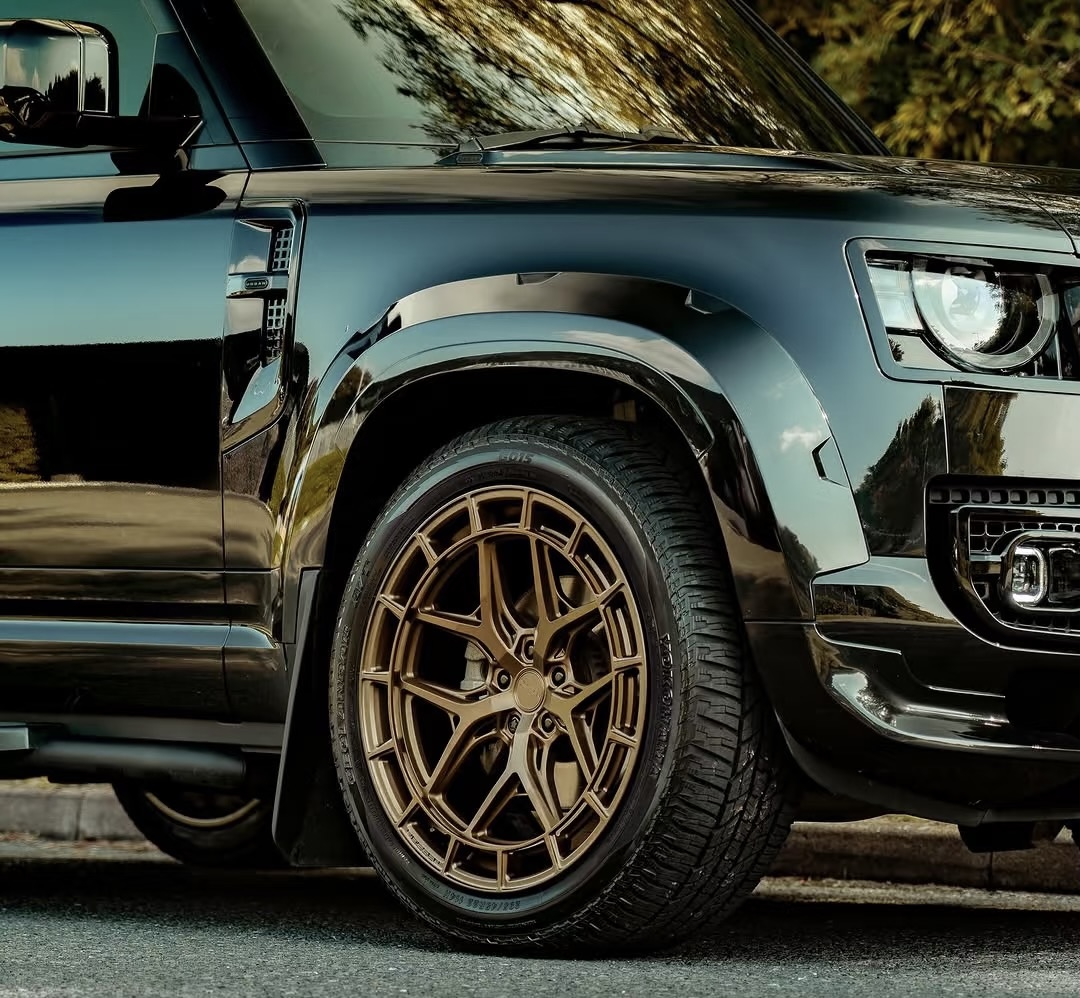
Light Weight Wheels: The Key to Better Vehicle Performance and Efficiency
Light Weight Wheels: The Key to Better Vehicle Performance and Efficiency
If you have ever looked for ways to unlock better performance, sharper handling, or even improved fuel economy from your vehicle, you have likely run into the term light weight wheels.
But what makes these rims so special? Is swapping out your stock setup truly worth the investment, or is it just aesthetic hype?
In the automotive world, every pound matters—but where that pound lives matters even more. Reducing the weight of your wheels yields massive dividends because of how physics impacts a moving vehicle. Let’s dive deep into the science, materials, and real-world benefits of upgrading to light weight rims.
1.What Are Light Weight Wheels and Why Are They Important?
At their core, light weight wheels are specialized rims engineered to minimize overall mass without compromising structural integrity or safety. Unlike heavy factory-cast wheels designed primarily for low manufacturing costs, premium light weight alternatives prioritize advanced engineering to shed unnecessary ounces.
To understand why they are important, we need to look at two critical automotive concepts: unsprung mass and rotational inertia.
Understanding Unsprung Mass
Your vehicle’s components are divided into two categories:
-
Sprung Mass: Everything supported by the suspension (the chassis, engine, body, interior, and passengers).
-
Unsprung Mass: Everything below the suspension (the wheels, tires, brakes, and suspension arms).
When your car hits a bump, the suspension must quickly push the unsprung components back down to maintain tire contact with the road. The heavier the wheel, the harder the suspension has to work. By installing light weight wheels, you radically reduce unsprung mass, allowing your suspension to react faster, track the road surface accurately, and deliver a smoother, more controlled ride.
The Impact of Rotational Inertia
Because wheels spin, they act as flywheels. It takes energy to start spinning a wheel (acceleration) and energy to stop it (braking). A heavy wheel requires significantly more force to change its rotational speed. Dropping weight from the outer edge of the wheel reduces rotational inertia, which directly translates to a more responsive throttle and crisper braking.
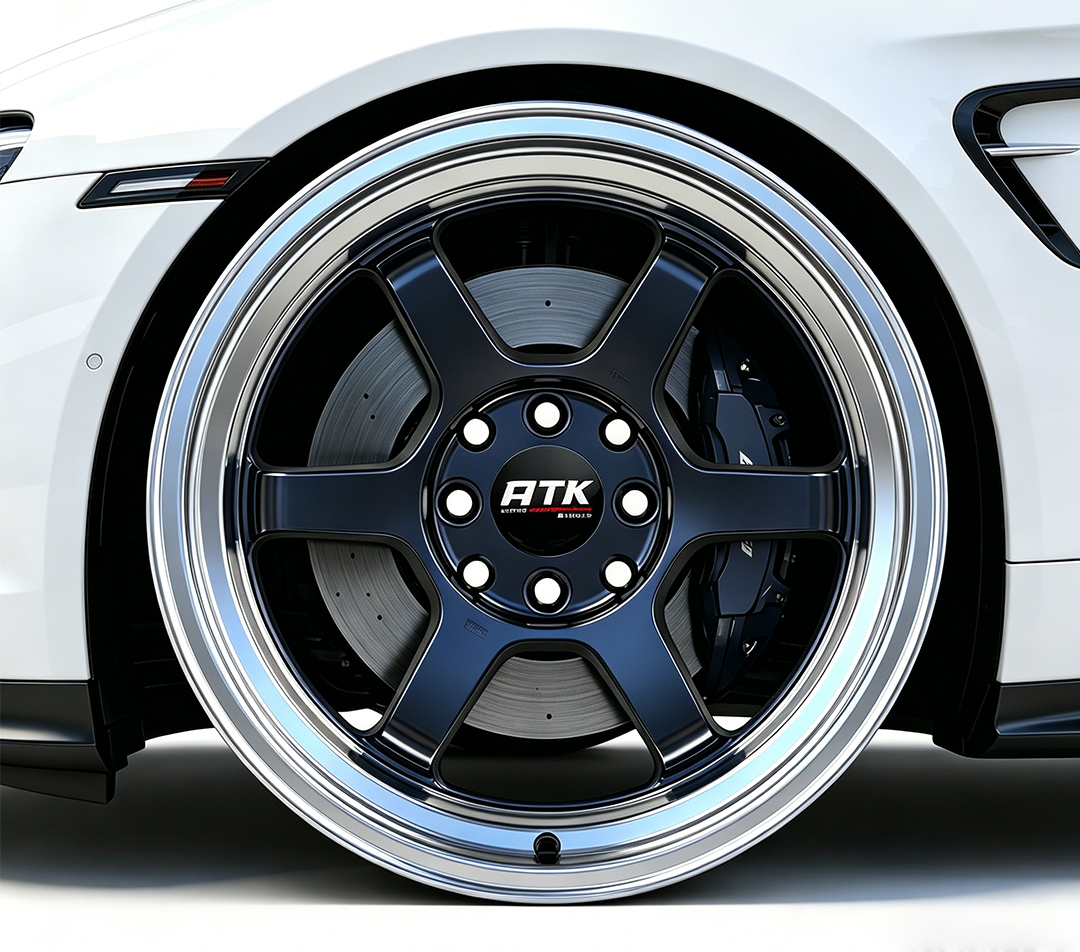
2.Are Light Weight Wheels Better Than Standard Wheels?
For drivers who care about performance, efficiency, and driving dynamics, light weight options are vastly superior to standard wheels. Standard factory wheels are typically heavy, thick-walled aluminum alloy castings or, worse, stamped steel. While durable enough for daily driving, they act as anchors on your vehicle’s performance potential.
Here is how light weight rims outperform standard wheels across key driving metrics:
1. Sharper Handling and Steering Response
When you turn the steering wheel, you are fighting the gyroscopic effect of your spinning front wheels. Lighter wheels reduce this resistance, making the front end feel incredibly agile. Your steering inputs feel direct, precise, and immediate.
2. Quicker Acceleration
Because the engine doesn’t have to work as hard to overcome rotational inertia, you will notice a distinct peppiness when pulling away from a stoplight or passing on the highway. It feels as though your vehicle has gained horsepower, even though you’ve simply freed up existing power.
3. More Efficient Braking
Lighter rotating masses mean your brake rotors and calipers can bring the wheels to a halt with less effort. This results in shorter stopping distances and reduces the thermal stress that causes brake fade during aggressive driving.
3.Production Methods: How Light Weight Wheels Are Made
Not all light weight rims are created equal. The manufacturing process directly dictates the strength, weight, and price point of the final product. Understanding these methods is crucial when choosing the right set for your build.
Cast Aluminum Wheels
This is the standard industry method where molten aluminum is poured into a mold. While cost-effective, cast wheels require thicker walls to ensure safety, making them the heaviest option.
Flow Formed Aluminum Wheels
Flow forming is an exceptional middle ground between affordability and elite performance. The process starts with a specialized low-pressure cast wheel that is placed on a machine that spins and heats the barrel. High-pressure rollers then stretch and compress the aluminum.
This manipulation changes the molecular structure of the metal, increasing its tensile strength. Because the material becomes stronger, engineers can make the wheel barrel thinner and significantly lighter while maintaining immense durability.
Forged Aluminum Wheels
Forging represents the absolute pinnacle of wheel manufacturing. A solid block of aerospace-grade aluminum is subjected to immense pressure (often thousands of tons) to smash the metal into shape.
This intense pressure aligns the grain structure of the aluminum perfectly, creating unparalleled strength. Because the metal is incredibly strong at a molecular level, forged wheels require the least amount of material, resulting in the absolute lightest wheels available on the market.
Magnesium Alloys
Reserved primarily for top-tier professional motorsports and hypercars, magnesium alloys offer a density that is roughly 30% lighter than aluminum. While incredibly light, they are highly specialized, expensive, and require meticulous maintenance.
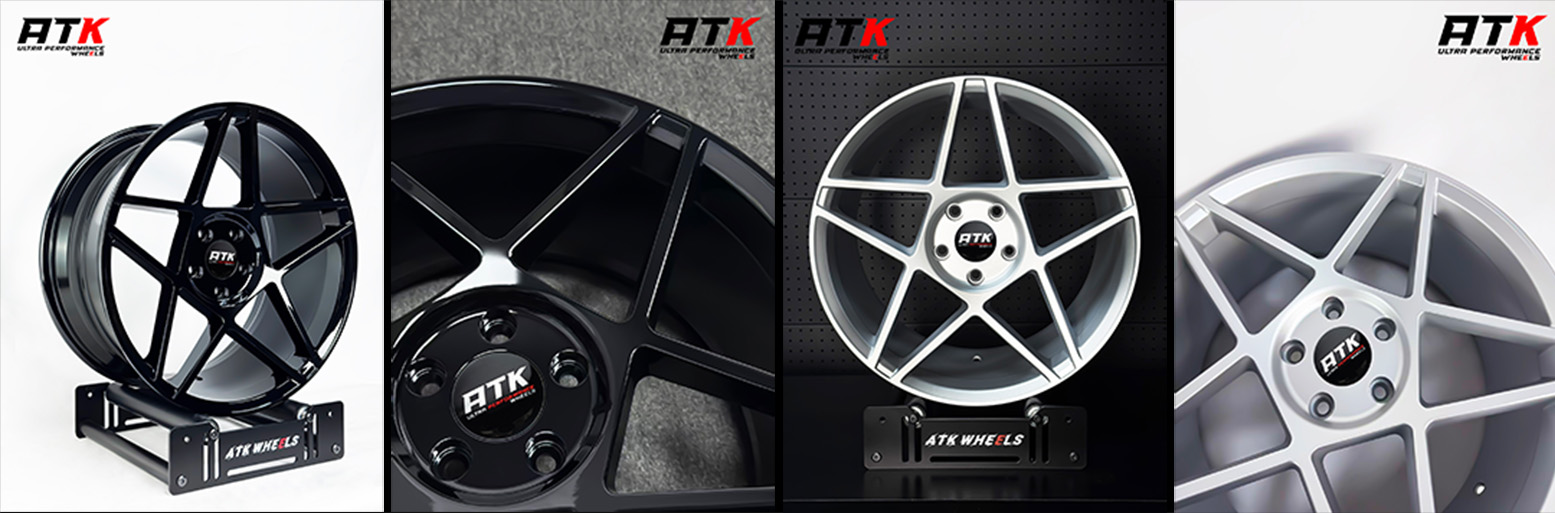
4.Comparative Analysis: Wheel Manufacturing Methods
| Wheel Type | Average Weight | Relative Strength | Manufacturing Cost | Best Suited For |
|---|---|---|---|---|
| Standard Cast Alloy | Heavy | Moderate | Low | Budget daily driving, winter setups |
| Flow Formed Alloy | Light | High | Medium | Street performance, track days, daily tuning |
| Forged Aluminum | Ultra-Light | Exceptionally High | High | Elite track racing, high-end sports cars |
5.Do Light Weight Wheels Improve Fuel Efficiency?
Yes, light weight options absolutely improve fuel efficiency. When your vehicle undergoes stop-and-go driving—common in city environments—the engine continuously expends energy to get the heavy wheels moving from a dead stop.
By swapping to light weight alternatives, you minimize the energy required to initiate movement. This means:
-
Reduced Engine Load: The powertrain operates under less strain during acceleration.
-
Improved MPG: Less fuel consumption in city driving environments.
-
EV Range Extension: For electric vehicles, reducing rotational mass helps conserve precious battery capacity, yielding more miles per charge.
While highway fuel economy improvements are minimal (since the wheels are already maintaining a constant speed), the real-world efficiency gains in mixed, suburban, or urban traffic conditions are highly tangible.
6.Are Light Weight Wheels Suitable for Performance Cars?
Absolutely. In fact, they are practically mandatory for any serious performance vehicle. Whether you drive a turbocharged hot hatch, a muscle car, or a dedicated track machine, trimming weight from your corners is the most effective modification you can make.
[Engine Power] ---> [Transmission] ---> [Light Weight Wheel] ---> [Immediate Road Power]
                                        (Less Rotational Inertia)
High-performance driving demands stability during high-speed cornering and rapid transitions. Because lighter wheels reduce the unsprung weight, the tires can stay firmly planted on the tarmac, maximizing your traction patch. When every millisecond counts on the track, reducing wheel mass can slice noticeable chunks off your lap times.
7.Choosing the Right Fit for Your Vehicle
When upgrading your setup, it is vital to balance weight reduction with your daily driving realities.
-
Consider Your Local Roads: If your daily commute is riddled with severe potholes, opting for an ultra-strong forged wheel or a robust flow-formed wheel like those engineered by specialists like ATK Wheels ensures you get the weight savings you want without compromising structural safety.
-
Check Load Ratings: Ensure the specific light weight model you choose is officially rated to handle the gross vehicle weight of your car, truck, or SUV.
-
Don’t Oversize Excessively: Moving up a wheel diameter size (e.g., from 17 inches to 19 inches) adds weight back via the larger aluminum frame and larger tires. To maximize performance benefits, stay close to your factory sizing parameters while upgrading the construction quality.
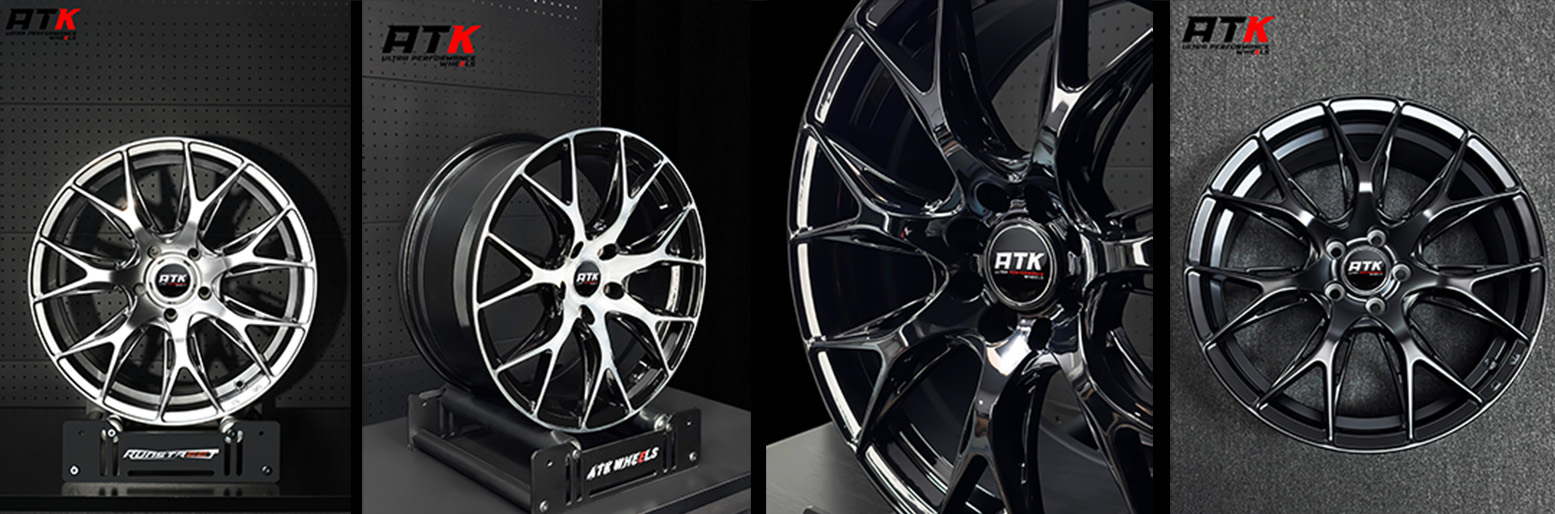
Frequently Asked Questions(FAQ)
1.What are light weight wheels and why are they important?
Light weight wheels are specialized rims designed to offer reduced mass while maintaining high structural strength. They are important because they lower a vehicle’s unsprung mass and rotational inertia, leading to better acceleration, sharper handling, more responsive braking, and improved fuel efficiency.
2.Are light weight wheels better than standard wheels?
Yes. Compared to heavy standard wheels, light weight alternatives provide vastly superior driving dynamics, quicker steering response, less strain on suspension components, and reduced braking distances.
3.What materials are used to make light weight wheels?
They are typically manufactured using forged aluminum, flow-formed aluminum alloys, or advanced magnesium alloys. These materials allow engineers to use less metal while achieving exceptional durability.
4.Do light weight wheels improve fuel efficiency?
Yes, they improve fuel economy by reducing the rotational weight that the engine must overcome. This benefit is most noticeable during stop-and-go city driving where acceleration requires substantial energy.
5.Are light weight wheels suitable for performance cars?
Yes, they are highly recommended for performance cars. Reducing wheel weight enhances cornering stability, maximizes tire traction, and optimizes power delivery from the engine directly to the pavement.
6.Will light weight rims bend easily on bad roads?
Not if you select a high-quality option. While cheap, poorly made cast wheels can be brittle, high-quality flow-formed or forged light weight wheels offer superior structural strength compared to heavy OEM factory cast wheels, making them incredibly resilient against road hazards.
Upgrade Your Ride Today
Ready to transform your driving experience? Reducing rotational mass is the single most noticeable upgrade you can make to your vehicle’s performance. Explore the precision-engineered collection at ATK Wheels to find the perfect balance of elite strength, stunning design, and light weight engineering for your specific vehicle application. Get ready to experience sharper turns, quicker acceleration, and a whole new level of control on the open road.