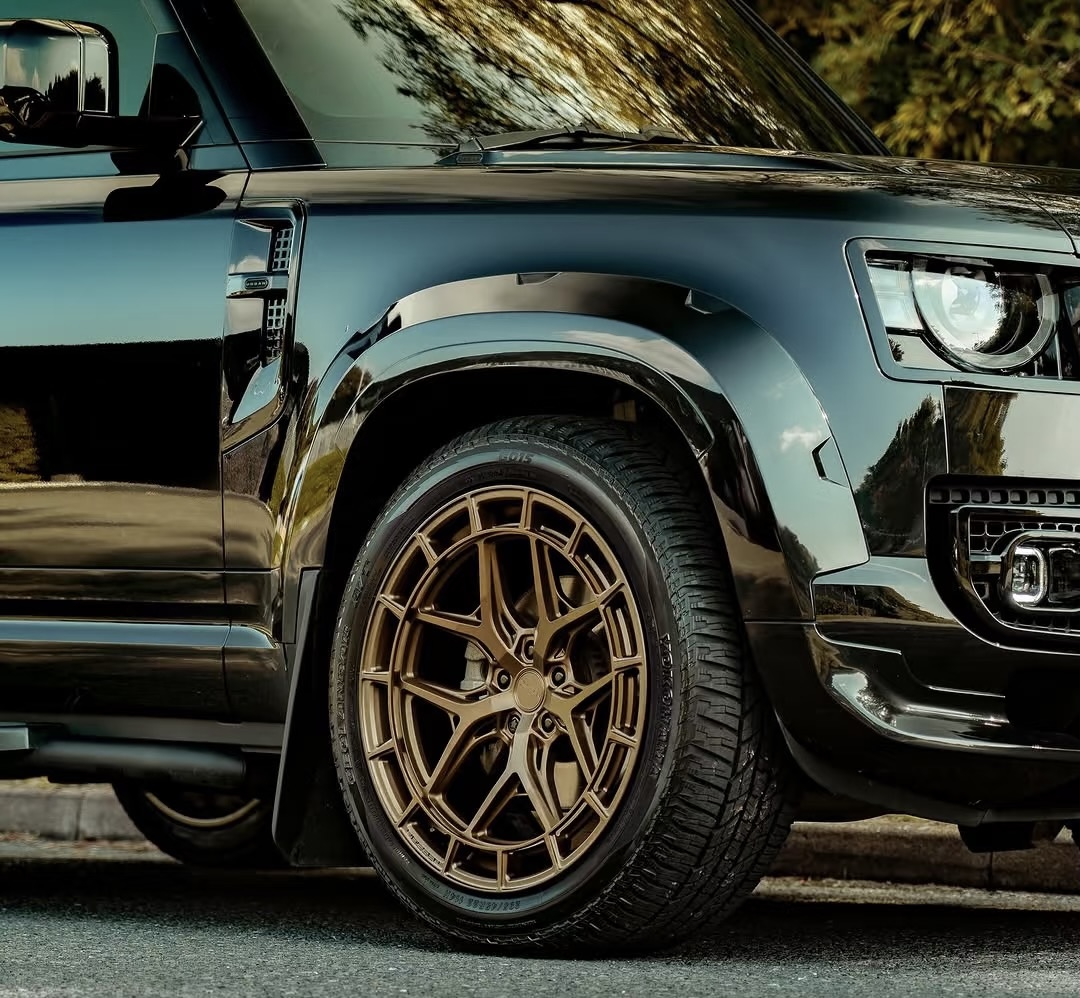
How to Measure Wheel Backspacing: The Ultimate Fitment Walkthrough
How to Measure Wheel Backspacing: The Ultimate Fitment Walkthrough
Upgrading your vehicle’s wheels is one of the quickest ways to transform its appearance and performance. However, nothing ruins the excitement of unboxing a brand-new set of rims faster than mounting them only to hear the dreaded sound of metal scraping against your brake calipers or rubber rubbing against your suspension.
To avoid these costly fitment issues, you need to understand one critical metric: wheel backspacing.
Whether you are building a rugged off-road rig, restoring a classic muscle car, or upgrading your daily driver with premium wheels from ATK Wheels, mastering backspacing ensures your new setup fits perfectly right out of the box.
This comprehensive resource covers exactly what backspacing is, why it matters, and how to measure it accurately at home with basic garage tools.
1.What is Wheel Backspacing and Why Is It Vital?
Before grabbing your measuring tape, it is essential to understand exactly what you are measuring and why this single dimension dictates your vehicle’s stance and clearance.
Defining Backspacing
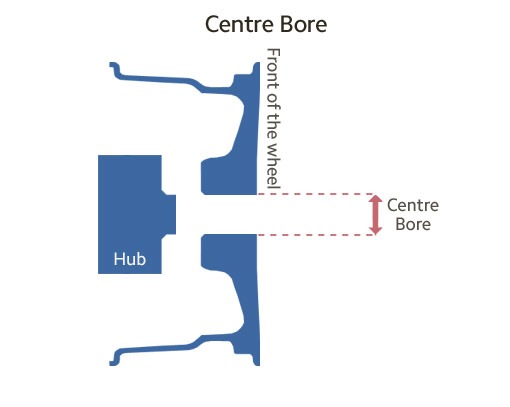
Wheel backspacing is the distance from the wheel’s mounting pad (the flat surface that bolts against your vehicle’s brake rotor or drum) to the absolute innermost edge of the rim.
Why Accurate Measurement Matters
Backspacing directly regulates how deep the wheel sits inside your vehicle’s wheel well. Getting this measurement wrong can lead to severe mechanical and safety issues:
-
Suspension Clearance: If a wheel has too much backspacing, it sits too far inward. This can cause the inner lip of the rim or the tire sidewall to rub against control arms, struts, sway bars, or steering linkages.
-
Brake Caliper Clearance: Upgrading to larger aftermarket brakes requires adequate room. Proper backspacing ensures the face and barrel of the wheel clear the calipers.
-
Tire Position and Stance: Too little backspacing pushes the wheel outward, past the fender flares. While this provides an aggressive stance, excessive poke can cause the tire tread to catch on the fender lip during suspension compression or tight turns.
-
Handling Stability: Altering your vehicle’s factory track width changes the steering geometry and scrub radius. Staying within safe backspacing parameters preserves predictable, safe handling.
2.Required Tools for the Job
You do not need an expensive shop setup to calculate backspacing like a pro. In fact, you likely already have these items sitting in your toolbox:
-
A Tape Measure or Precision Ruler: A standard tape measure works well, but a rigid metal ruler provides optimal precision.
-
A Straightedge: A piece of straight scrap metal, a level, or a sturdy wooden dowel that is long enough to lay completely flat across the back edge of the wheel.
-
A Flat, Clean Surface: A workbench or a clean patch of garage floor covered with a towel or piece of cardboard to protect the face of your wheel from scratches.
-
A Notebook and Pen: To jot down your dimensions immediately.
3.How to Measure Wheel Backspacing Correctly
If you need a quick reference, here is the exact protocol to get a flawless measurement:
To measure wheel backspacing correctly, place the wheel face down on a flat surface. Lay a straightedge across the rear lip of the rim. Use a tape measure to find the exact distance from the wheel’s mounting pad up to the bottom of the straightedge. This total distance is your wheel’s backspacing.
For a comprehensive execution, follow these detailed steps to guarantee a perfect reading.
Step 1: Prep and Position the Wheel
Remove the wheel from the vehicle if it is currently mounted. Lay a clean piece of cardboard or a soft towel on your workspace. Place the wheel face down so that the back side of the wheel (the side facing the suspension) is pointing upward toward the ceiling.
Step 2: Position Your Straightedge
Lay your straightedge across the very edge of the wheel barrel. Ensure that the straightedge rests firmly on the outer lip of the rim, not on the tire sidewall (if the tire is still mounted). The tool must span the entire diameter of the wheel uniformly.
Step 3: Measure the Distance
Drop your tape measure or ruler straight down through the center hub opening until the end rests flat against the wheel’s mounting surface. Read the measurement at the exact point where the tape measure intersects the bottom edge of your straightedge.
Step 4: Record and Verify
Note the measurement down to the nearest sixteenth of an inch or millimeter. Repeat the measurement at two different angles across the wheel hub to double-check your accuracy.
4.Backspacing vs. Wheel Offset: Understanding the Difference
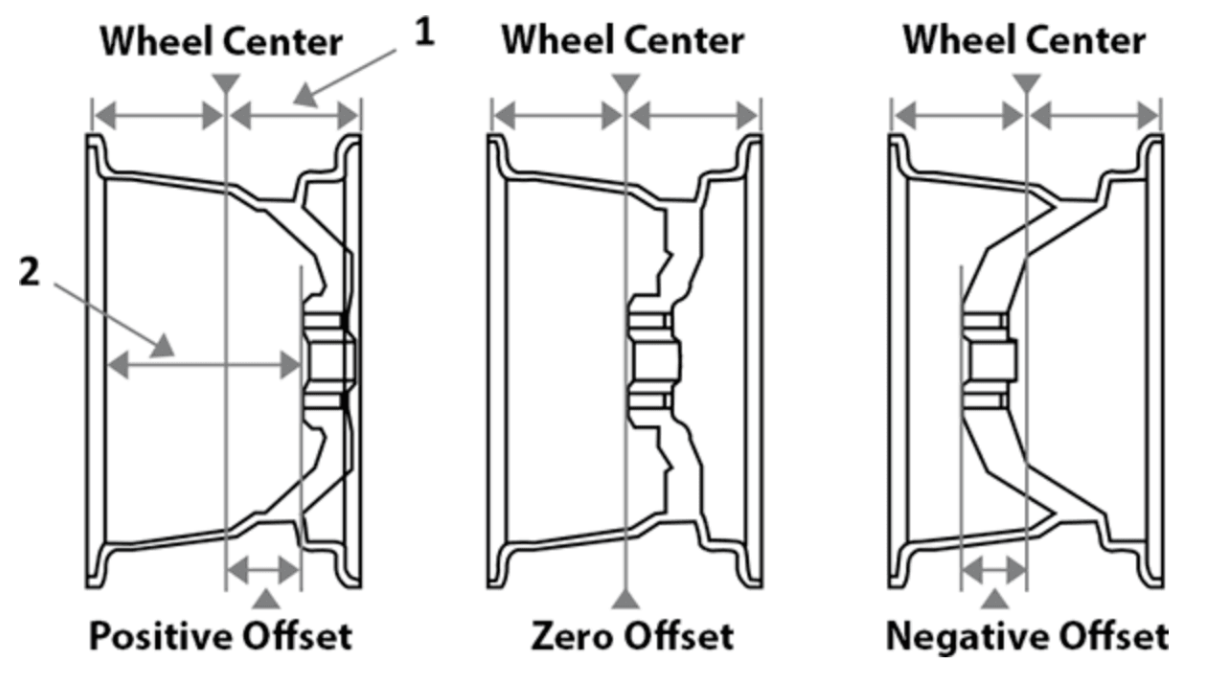
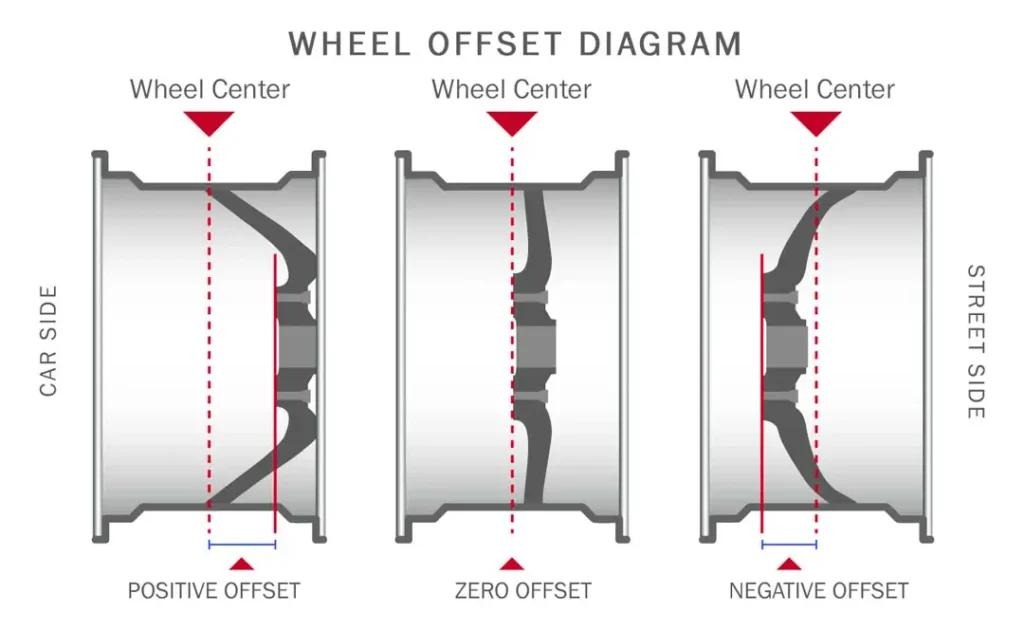
A common point of confusion among automotive enthusiasts is mixing up backspacing with wheel offset. While both measurements influence wheel position, they look at the wheel from entirely different perspectives.
-
Wheel Backspacing measures the distance from the mounting surface to the inner edge of the wheel. It is always measured in inches and is directly tied to inner clearance.
-
Wheel Offset measures the distance from the mounting surface to the exact centerline of the wheel. Offset is measured in millimeters and can be positive, negative, or zero.
Quick Reference: Backspacing vs. Wheel Offset Comparison
| Feature | Wheel Backspacing | Wheel Offset |
|---|---|---|
| Measurement Point | From mounting pad to the inner lip edge | From mounting pad to the wheel's centerline |
| Unit of Measurement | Inches (e.g., 4.5", 5.0") | Millimeters (e.g., +12mm, -24mm, 0mm) |
| Primary Purpose | Assesses inner suspension & brake clearance | Determines vehicle track width & fender stance |
| Impact of Wheel Width | Stays identical if the backspace spec is fixed | Changes dynamically when wheel width alters |
5.How Backspacing Affects Vehicle Fitment and Performance
When you change the backspacing of your vehicle’s wheels, you alter the vehicle’s center of gravity and suspension dynamics. Let’s break down what happens when you choose higher or lower backspacing values.
High Backspacing (Deep Inward Position)
When a wheel has high backspacing (for example, 5.5 inches or higher on a standard truck), the mounting surface sits closer to the front face of the wheel. This pulls the entire assembly inward toward the vehicle’s frame.
-
Pros: Keeps tires tucked neatly inside the stock fender wells, reducing road debris thrown onto the side bodywork.
-
Cons: Extremely high risk of rubbing against inner brake components, struts, and sway bars, particularly when turning the steering wheel to full lock.
Low Backspacing (Aggressive Outward Position)
Low backspacing (such as 3.5 to 4 inches) means the mounting pad is closer to the back edge of the wheel. This pushes the wheel and tire outward away from the chassis.
-
Pros: Creates a wider, more aggressive stance. Essential for lifted trucks and off-road vehicles to clear wider aftermarket upper control arms.
-
Cons: Can cause the outer edge of the tire to rub against the vehicle’s bumper or fender flares during sharp turns. It also places additional leverage and stress on your wheel bearings and ball joints.
6.Selecting the Right Dimensions for Your Setup
Finding the sweet spot requires balancing your aesthetic goals with functional reality. To get the ideal fitment for your vehicle, keep these three tips in mind:
-
Consult Your Factory Specifications: Use your stock wheels as a baseline. Measure their backspacing first so you know exactly how much room you have to play with inward or outward.
-
Account for Tire Bulge: Keep in mind that a tire’s sidewall will protrude slightly past the rim lip. Always factor in an extra $1/4$ to $1/2$ inch of clearance buffer for tire bulge and suspension flex.
-
Match Your Suspension Kit Requirements: If you are installing a lift kit or lowering springs, manufacturers usually specify the maximum allowed backspacing to clear their updated suspension components. Always review their documentation before purchasing new wheels from ATK Wheels.
Frequently Asked Questions(FAQ)
1. Can I measure backspacing with the tire still mounted to the wheel?
Yes, you can measure backspacing with a tire installed, but you must be careful. Your straightedge must sit flat against the metal lip of the rim, not resting on the bulging tire sidewall. If the tire blocks your straightedge, you can cut a custom wood block that drops inside the tire bead to sit cleanly on the rim lip.
2. How does wheel width change backspacing?
If you have two wheels with the exact same offset but different widths, their backspacing will be different. For example, an 8-inch wide wheel and a 9-inch wide wheel with a 0mm offset will have different backspacing measurements because the wider wheel expands out equally from the center line in both directions.
3. What happens if my new wheels have too much backspacing?
If your new wheels have too much backspacing and rub against your internal suspension or brake components, you can sometimes fix minor clearance issues (under $1/2$ inch) by installing high-quality, hub-centric wheel spacers. However, choosing the correct wheel dimensions initially is always the safest option.
4. Is backspacing measured to the absolute edge of the wheel lip?
Yes. Unlike wheel width, which is measured across the inner tire-bead seats, backspacing is measured to the absolute outer physical edge of the wheel’s rear flange.
5. Why do trucks generally require different backspacing than sports cars?
Trucks often feature deep-dish wheels and require lower backspacing to clear beefy, aftermarket suspension systems and oversized off-road tires. Sports cars generally utilize higher positive offsets and higher backspacing to keep wide performance tires tucked safely within aerodynamic, tight fender wells.
Ready to Upgrade Your Stance?
Achieving the perfect vehicle fitment does not require professional guesswork. By taking precise backspacing measurements, you can confidently customize your ride knowing your new components will clear every corner seamlessly.
Explore the premium selection of durable, precision-engineered wheels at ATK Wheels to find the ideal match for your car, truck, or SUV today.