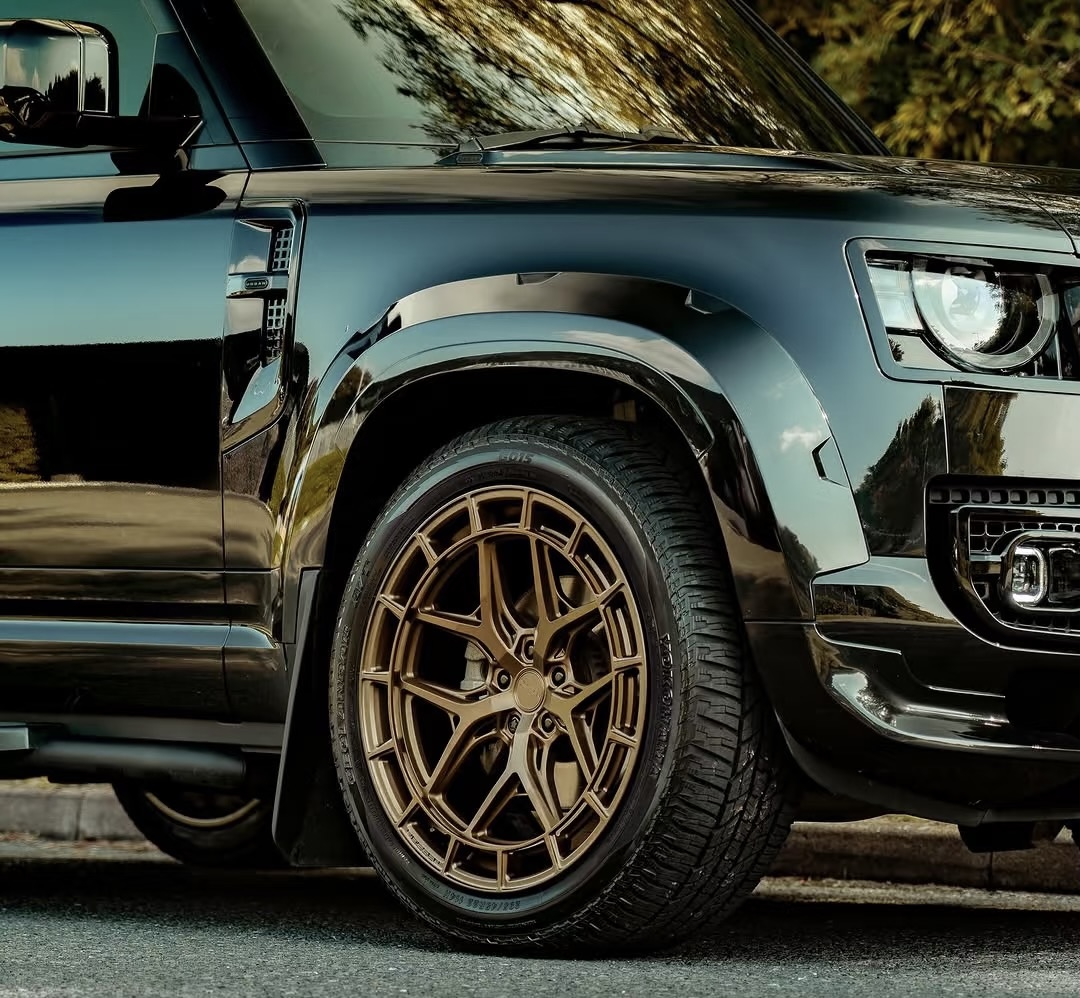
Custom Wheels for Cars: The Perfect Upgrade for Style and Performance
Custom Wheels for Cars: The Perfect Upgrade for Style and Performance
However, diving into the world of aftermarket wheels can feel overwhelming. With endless talk of bolt patterns, offsets, forged vs. cast aluminum, and plus-sizing, making the wrong choice can lead to rubbing fenders or compromised safety.
This comprehensive deep dive covers everything you need to know about choosing the perfect custom wheels for cars. We will break down the engineering behind performance upgrades, clarify complex fitment terminology, and ensure you get the exact stance and style your vehicle deserves.
1. Wheels vs. Rims: Clearing Up the Common Confusion
Before exploring styles and materials, let’s clear up a major piece of automotive terminology confusion.
Many people use the terms “rims” and “wheels” interchangeably. If you walk into an auto shop and ask for “new custom rims,” everyone will know what you mean. However, from a technical and engineering standpoint, they are completely different components.
-
The Rim: This is exclusively the outer edge of the circular structure that holds the tire in place. It forms the barrel that seals air inside tubeless tires.
-
The Wheel: This refers to the entire metal unit. It includes the rim, the spokes (or face), and the center hub that bolts directly to your car’s axle.
When you looking to upgrade your vehicle’s look and performance, custom wheels is the technically accurate term for the complete aftermarket unit you are purchasing.
2. How Custom Wheels Enhance Car Performance and Handling
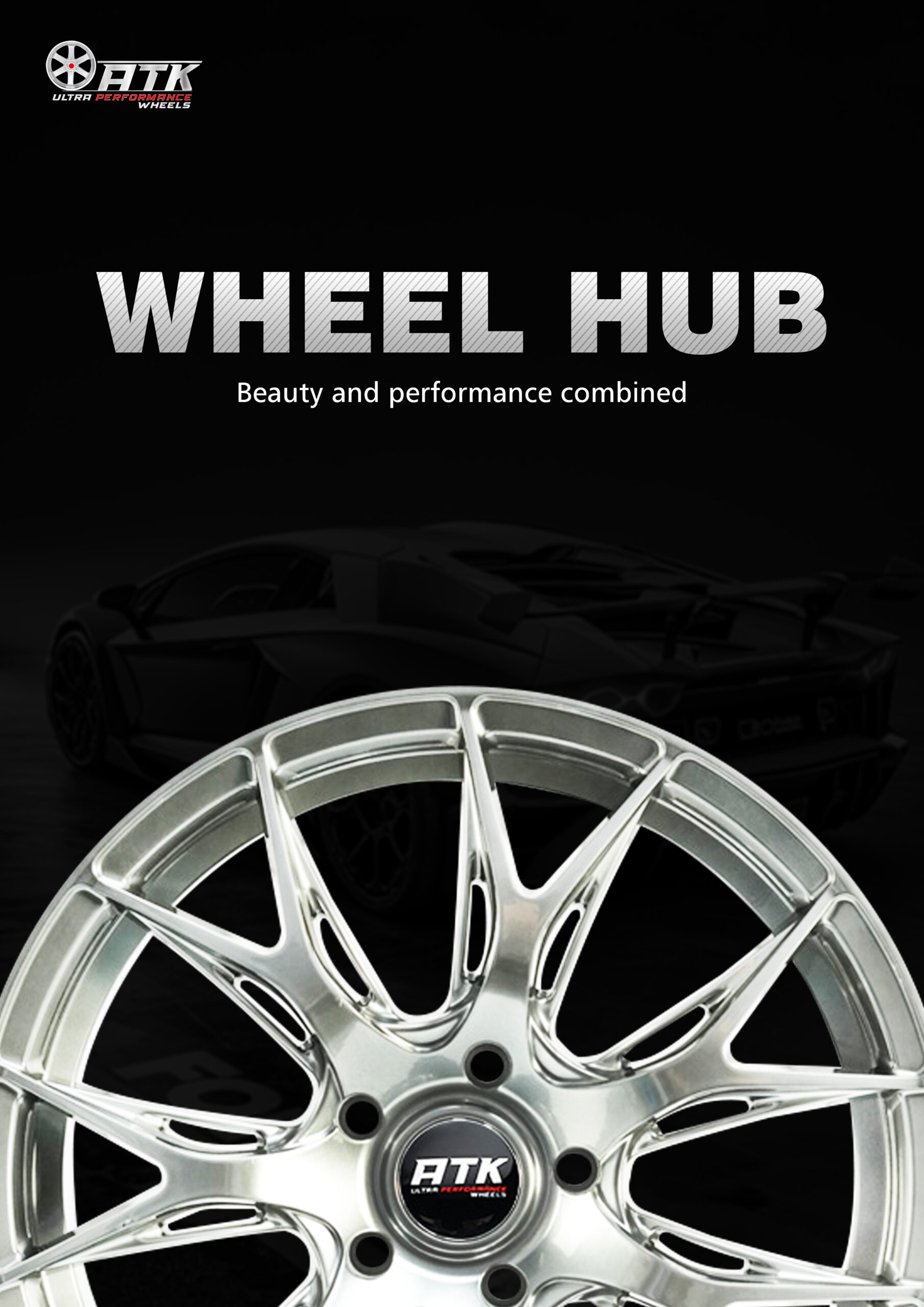
While aesthetics are a major driving force behind buying custom wheels for cars, the performance benefits are rooted in physics. Upgrading from heavy factory steel or basic alloy wheels to high-quality aftermarket custom aluminum wheels directly impacts your vehicle’s dynamics.
Reducing Unsprung Weight
In automotive engineering, unsprung weight refers to any mass not supported by the vehicle’s suspension system. This includes your tires, brakes, bearings, and wheels.
[Engine Power] ➔ [Drivetrain] ➔ [Rotational Mass (Custom Wheels)] ➔ [Road Acceleration]
                                          ↓
                              (Lighter Wheels = Faster Response)
When you reduce unsprung weight by installing lightweight custom wheels, your suspension works significantly less to keep the tires planted on the road. This leads to:
-
Sharper Steering Response: The car feels more agile and reacts quicker to driver inputs.
-
Faster Acceleration: The engine expends less energy spinning a lighter rotational mass.
-
Improved Fuel Efficiency: Lower rotational inertia means better MPG during stop-and-go city driving.
Enhanced Brake Cooling
Many factory wheels prioritize aerodynamics or cheap manufacturing, resulting in closed-off designs. High-performance custom wheels often utilize elegant, open-spoke designs. This structural layout maximizes airflow directly to your rotors and calipers, rapidly dissipating heat and drastically reducing brake fade during spirited driving or heavy mountain descents.
3. Manufacturing Methods: Cast, Flow-Formed, and Forged Wheels
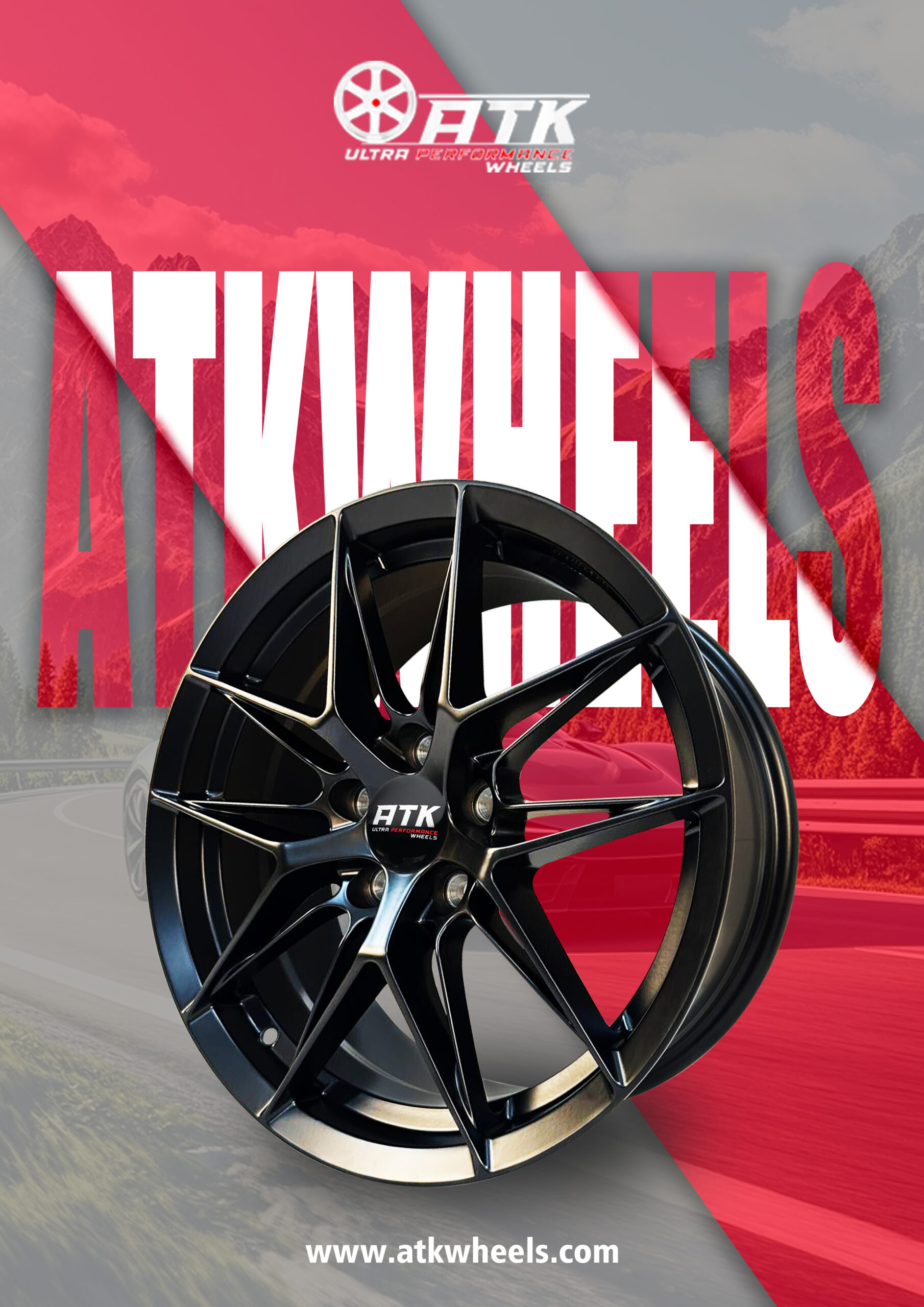
Not all custom wheels for cars are created equal. The method used to manufacture a wheel dictates its weight, structural strength, durability, and cost. Understanding these processes is essential to choosing a product that matches both your driving style and your budget.
| Wheel Type | Manufacturing Process | Strengths | Ideal For |
|---|---|---|---|
| Cast Wheels | Molten aluminum is poured into a mold and cooled. | Highly affordable; endless design varieties. | Daily drivers, budget upgrades, and winter setups. |
| Flow-Formed | A cast wheel is spun and heated while hydraulic rollers stretch the barrel. | Lighter and stronger than cast; mid-tier pricing. | Performance street cars and autocross enthusiasts. |
| Forged Wheels | A solid block of aerospace alloy is crushed under massive pressure and CNC-machined. | Ultra-lightweight; maximum structural strength. | Track racing, luxury supercars, and high-end builds. |
4. Decoding Wheel Fitment: Offset, Backspacing, and Bolt Patterns
Choosing the right custom wheels for cars involves more than just selecting a beautiful design. If the structural measurements do not match your vehicle’s factory specifications, you risk severe mechanical damage.
Here are the critical dimensions you must verify before buying:
The Bolt Pattern
Your bolt pattern (or lug pattern) determines if the wheel will physically slide onto your wheel studs. It is expressed as the number of lug holes multiplied by the diameter of the circle they form (e.g., 5 X114.3mm or 4 X 100 mm). Always check your exact vehicle year, make, and model to ensure a precise match.
Wheel Offset
Offset is the distance from the wheel’s true centerline to the mounting surface that touches the brake hub. It is measured in millimeters and falls into three categories:
-
Positive Offset: The mounting surface is pushed toward the front/face of the wheel. Common in modern front-wheel-drive and all-wheel-drive cars.
-
Zero Offset: The mounting surface aligns perfectly with the exact centerline of the wheel.
-
Negative Offset: The mounting surface is pushed deep toward the back of the wheel, creating a deep-dish or concaved appearance. Common in trucks and classic muscle cars.
Warning on Incorrect Offset: Choosing the wrong offset causes dangerous clearance issues. Too much positive offset causes the wheel to rub against inner suspension or brake parts; too much negative offset pushes the wheel too far outward, causing it to scrape the outer vehicle fenders during bumps or turns.
      [ INNER SUSPENSION ]         [ CENTERLINE ]         [ OUTER FENDER ]
               |                         |                      |
               |   <-- Positive Offset   |   Negative Offset -> |
Center Bore and Hub-Centric Rings
The center bore is the machined opening on the back of the wheel that sits flush against the hub of your car. Most factory wheels are hub-centric, meaning the center hub carries the weight of the vehicle.
Many aftermarket custom wheels for cars are manufactured with a larger hub bore to fit a wider range of vehicles. In these cases, you must use hub-centric rings to fill the tiny gap, ensuring the wheel is perfectly centered and preventing high-speed steering wheel vibrations.
5. What is “Plus-Sizing” and How Does It Affect Your Ride?
If you want to fill out your vehicle’s fender gap and achieve an aggressive, modern look, you will likely encounter the concept of plus-sizing.
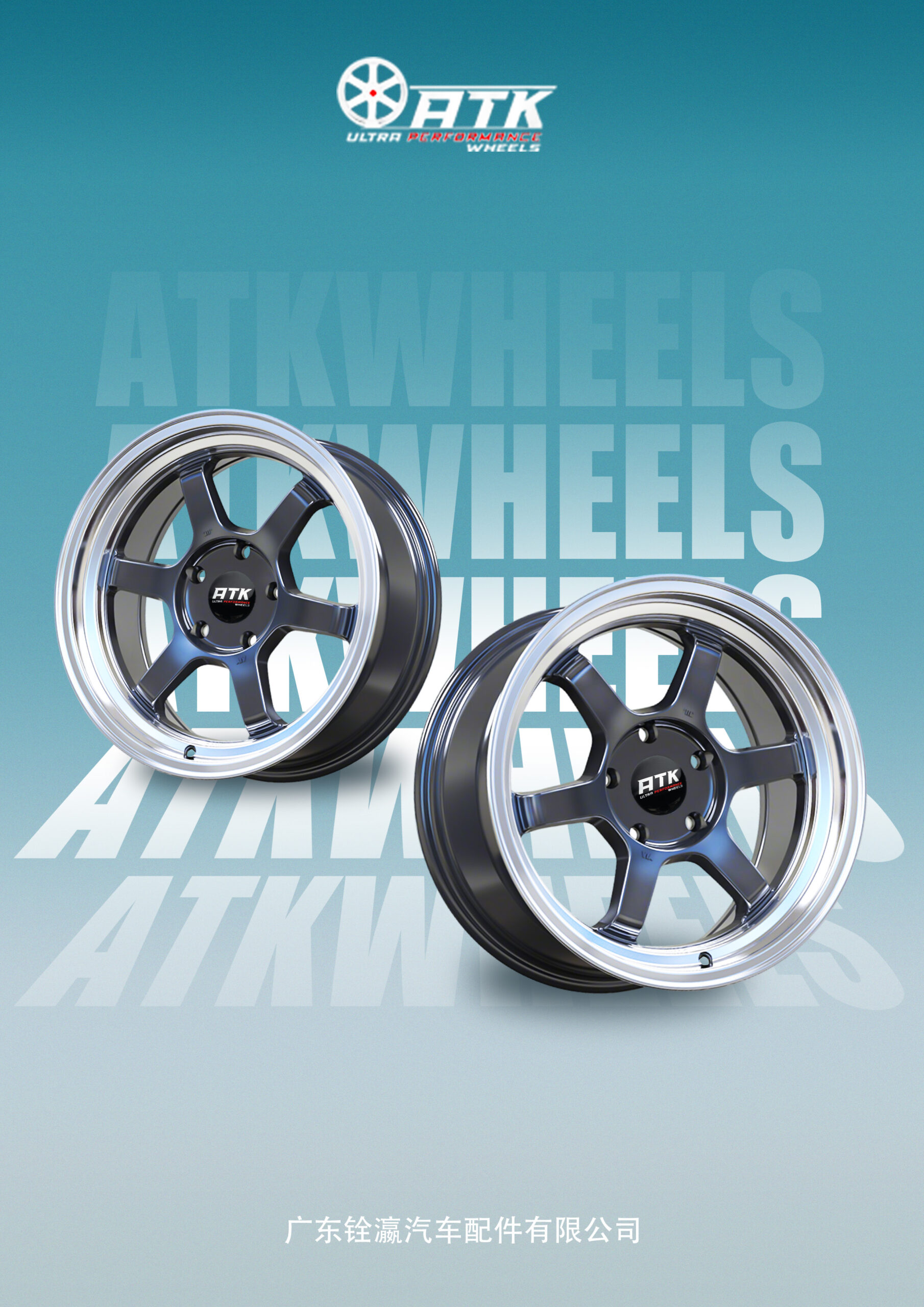
Plus-sizing means installing larger diameter wheels than the factory stock options (e.g., upgrading from a 17-inch factory wheel to a 19-inch aftermarket custom wheel). However, you cannot simply slap on a massive wheel without modifying your tire choice.
To maintain the correct overall tire diameter and keep your speedometer accurate, the new tires must have a lower, thinner sidewall profile.
[Factory Setup: 17" Wheel + Tall Sidewall] ➔ Total Diameter: 26"
[Plus-Two Setup: 19" Wheel + Thin Sidewall] ➔ Total Diameter: 26"
The Pros and Cons of Plus-Sizing
-
The Benefits: You get sharper handling, reduced tire deflection during aggressive cornering, and a dramatic improvement in visual stance.
-
The Trade-offs: A thinner tire sidewall means less rubber to absorb road imperfections. Your ride will feel noticeably firmer, and you must be extra cautious around potholes to prevent bending your pristine new custom rims.
6. Maintenance and Care: Keeping Custom Wheels Looking New
Once you invest in a stunning set of custom wheels for cars, keeping them pristine requires proper maintenance. Road grime, salt, and abrasive brake dust can permanently ruin premium finishes if left unchecked.
-
Avoid Automatic Car Washes: The stiff, automated plastic bristles at commercial car washes can micro-scratch clear coats and polished lips. Hand washing is always best.
-
Use pH-Balanced Cleaners: Avoid harsh acid-based wheel cleaners. Instead, opt for pH-balanced automotive soaps or wheel-specific cleaners that target iron brake dust safely.
-
Never Wash Hot Wheels: Spraying cold water onto wheels that are still piping hot from driving can warp brake rotors or thermally shock the wheel’s delicate finish.
-
Apply a Ceramic Coating: Before mounting your new wheels, apply a high-quality ceramic coating. This creates a hydrophobic layer that repels brake dust, making future washes incredibly easy.
7. Warranty and Consumer Rights: The Magnuson-Moss Act
A frequent concern among new car buyers is whether modifying their vehicle will ruin their factory safety net.
The Legal Reality: Will installing aftermarket custom wheels void a car’s warranty? No. Under the federal Magnuson-Moss Warranty Act, aftermarket wheels will not automatically void your vehicle warranty.
Dealerships cannot legally deny a warranty claim simply because you installed custom parts. However, if a specific mechanical failure (like accelerated wheel bearing wear or suspension damage) is directly proven to be caused by improperly sized custom wheels, that specific repair will not be covered under your factory warranty. Working with trusted, professional suppliers ensures your fitment remains safe, secure, and compliant.
Frequently Asked Questions(FAQ)
1.Do custom wheels affect my car’s resale value?
High-quality, tastefully chosen custom wheels can make your vehicle look much more appealing to prospective buyers, helping it sell faster. However, it is always a smart idea to keep your factory wheels in storage. When it comes time to trade the vehicle in or sell it, you can return it to stock form and sell your aftermarket custom wheels separately to recoup a larger portion of your investment.
2.What are staggered fitments?
A staggered fitment means running wider wheels and tires on the rear axle of the vehicle than on the front axle. This setup is highly popular on rear-wheel-drive performance cars (like sports cars and muscle cars) because it provides a wider contact patch in the rear for maximized traction under hard acceleration, while keeping the front wheels nimble for steering.
3.Do I need new lug nuts when buying aftermarket wheels?
In most cases, yes. Factory lug nuts are typically designed with a flat or oversized radius seat shaped specifically for stock wheels. Most aftermarket custom wheels use a smaller, conical (60º tapered) seat. Using the wrong style of lug nut can prevent the wheel from securing properly to the hub, creating an incredibly dangerous driving condition.
Elevate Your Journey
Your car is a direct extension of your personality and driving style. Upgrading to the right set of custom wheels for cars is the ultimate balance of personal self-expression and tangible, real-world performance benefits. Whether you are hunting for an aggressive track stance, a luxurious finish, or an ultra-lightweight racing wheel, taking the time to match the exact structural specs to your vehicle pays massive dividends on every twist and turn of the road.
Ready to completely redefine how your vehicle looks and handles on the asphalt? Explore the precision engineering and premium designs at ATK Wheels to discover the perfect hub-centric fitment curated explicitly for your ride.