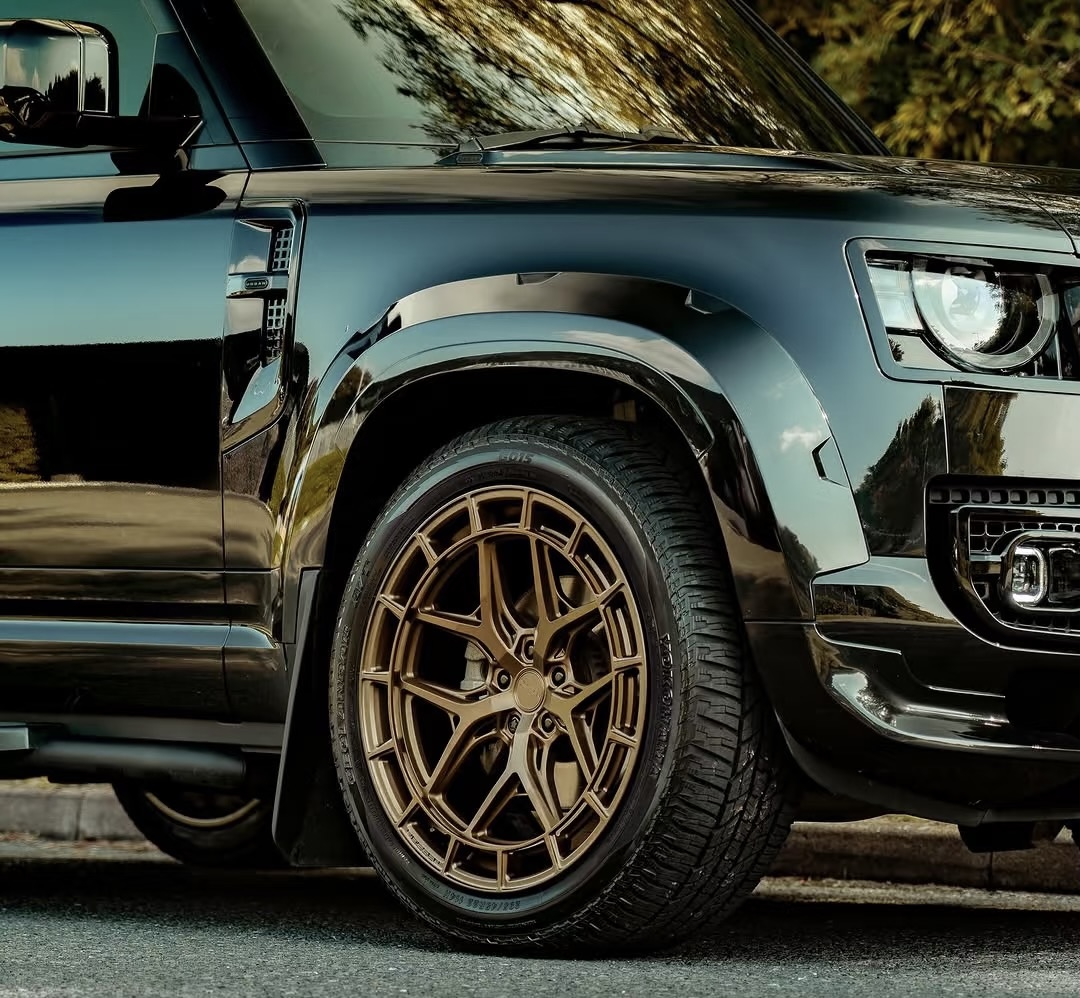
Forged Wheels:The Ultimate Choice for Performance, Strength and Style
Forged Wheels:The Ultimate Choice for Performance, Strength and Style
When drivers upgrade their vehicles, wheels are often one of the first modifications they consider. A premium set of wheels can completely change the appearance of a vehicle while improving handling, braking response, and driving confidence.
Among the many wheel options available today, forged wheels are considered one of the highest-performance choices for automotive enthusiasts, luxury vehicle owners, and drivers who want advanced engineering.
Unlike traditional cast wheels, forged wheels are created from a solid aluminum billet that is shaped under extreme pressure. This process improves the metal structure, creating wheels that are stronger, lighter, and more durable.
For drivers searching for forged rims, the goal is usually the same: achieving the perfect balance between performance, reliability, and style.
This article explains what forged wheels are, how they compare with cast wheels, why they cost more, how long they last, and whether they are worth the investment.
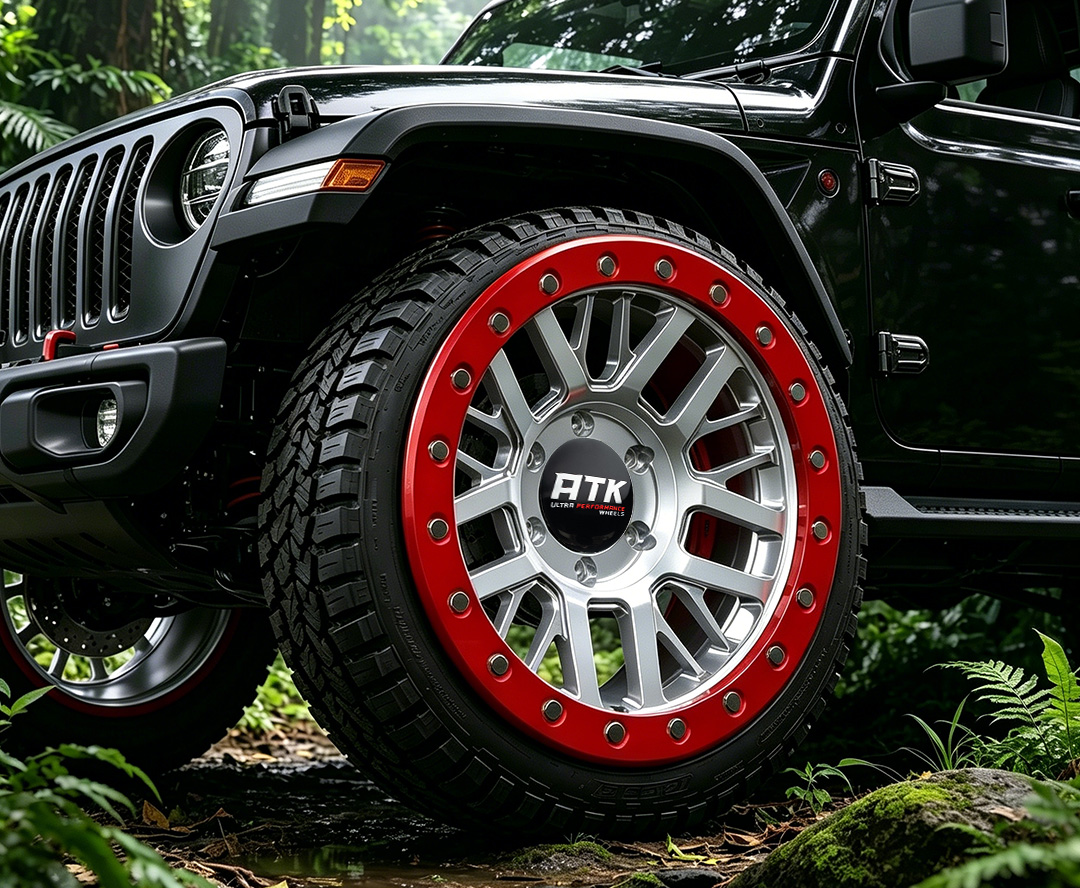
1.What Makes Forged Wheels Different?
The biggest difference between forged and cast wheels comes from the manufacturing process.
Forged wheels begin as a solid piece of aluminum. Through intense heat and pressure, the material is compressed and shaped into a wheel design. This process changes the internal grain structure of the aluminum, making it stronger and more resistant to stress.
Most high-quality forged aluminum wheels use materials such as 6061-T6 or other performance-grade aluminum alloys.
The forging process typically includes:
- Selecting premium aluminum material
- Heating the aluminum billet
- Applying thousands of tons of pressure
- CNC machining for precise dimensions
- Heat treatment for improved strength
- Surface finishing and quality inspection
The result is a wheel that can handle demanding driving conditions while maintaining a lightweight design.
2.The Forging Process Behind High Performance Wheels
The manufacturing technology behind forged wheels is one of the reasons they are valued in the performance automotive world.
During forging, pressure compresses the aluminum structure instead of simply filling a mold. This creates a denser material with fewer weak points.
Key advantages of forged construction include:
- Higher structural strength
- Better impact resistance
- Reduced material weight
- Improved heat management
- More precise engineering
This is why forged wheels are commonly found on performance cars, racing applications, and premium vehicles.
3.Forged Wheels vs Cast Wheels: Key Differences Explained
One of the most searched questions among wheel buyers is:
“Are forged wheels better than alloy wheels?”
The answer depends on what you need from your vehicle.
Cast wheels are affordable and reliable for everyday driving, while forged wheels focus on maximum performance and durability.
| Feature | Forged Wheels | Cast Wheels |
|---|---|---|
| Manufacturing Process | Aluminum billet shaped under pressure | Molten aluminum poured into mold |
| Strength | Extremely high | Moderate |
| Weight | Lighter | Heavier |
| Durability | Excellent resistance to cracking | More likely to crack under extreme stress |
| Performance | Better acceleration and handling | Standard performance |
| Design Flexibility | Highly customizable | Limited by casting process |
| Price | Higher | More affordable |
| Best For | Sports cars, racing, luxury vehicles | Daily driving |
For daily commuting, cast wheels may be enough. However, drivers who care about acceleration, cornering, braking, and long-term performance often choose forged wheels.
4.Why Forged Wheels Offer Superior Strength?
Strength is one of the biggest reasons enthusiasts choose forged rims.
Because the aluminum grain structure is compressed during manufacturing, forged wheels can handle greater loads and stress.
They perform well in situations such as:
- High-speed driving
- Track environments
- Aggressive cornering
- Performance vehicles
- Heavy-duty applications
Compared with traditional cast wheels, forged wheels are less likely to develop cracks when exposed to repeated stress.
5.Weight Difference and Driving Performance
A major advantage of lightweight forged wheels is reduced unsprung weight.
Unsprung weight refers to the components of a vehicle that are not supported by the suspension, including wheels and tires.
Reducing wheel weight can improve:
- Steering response
- Suspension movement
- Acceleration
- Braking efficiency
- Overall driving feel
Many forged wheels can be approximately 10–20 pounds lighter than comparable cast aluminum wheels, depending on size and design.
Even small weight reductions can create noticeable improvements in vehicle handling.
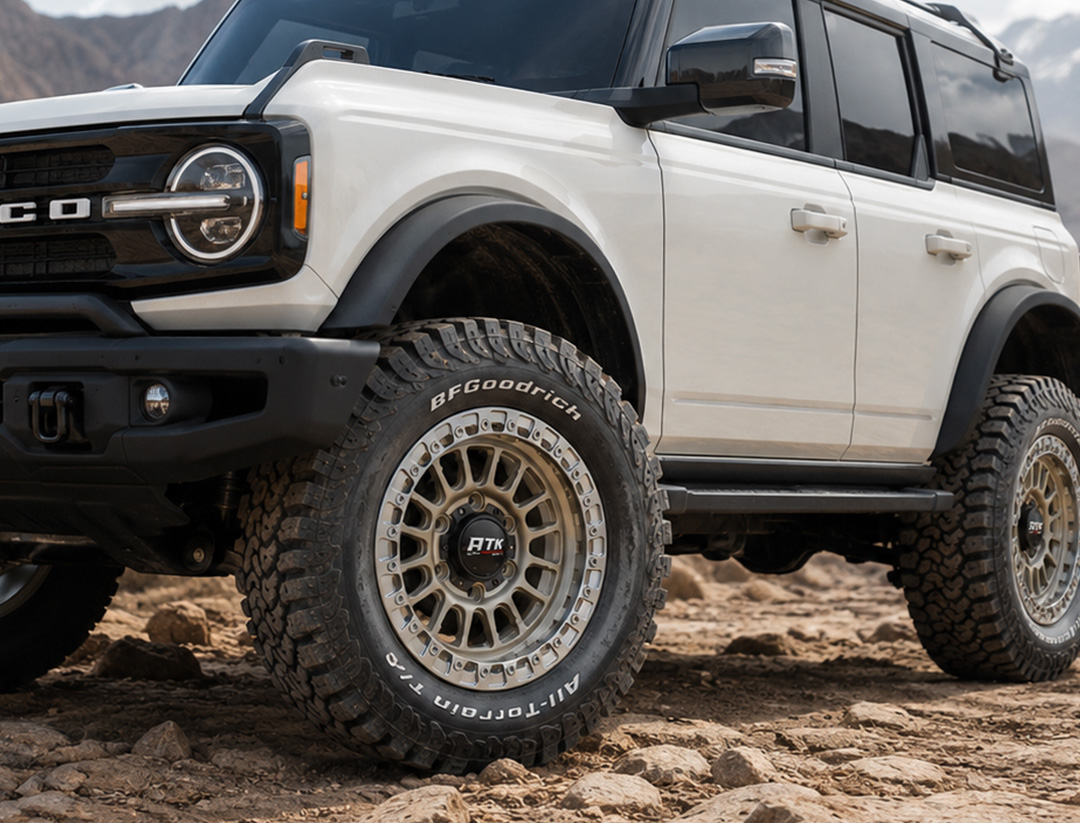
6.Are Forged Wheels Better Than Alloy Wheels?
Alloy wheels are popular because they provide good performance at a reasonable cost.
However, forged wheels offer several advantages:
- Higher strength-to-weight ratio
- Better durability
- More advanced manufacturing
- Improved performance capability
For drivers who want premium performance, forged alloy wheels are usually the preferred choice.
For everyday vehicles with normal driving needs, alloy wheels can still provide excellent value.
The best option depends on your driving style, budget, and performance goals.
7.How to Identify Forged Wheels from Cast Wheels?
Many people are unsure whether their wheels are forged or cast.
Here are several ways to check.
1.Check Wheel Markings
Look behind the wheel for manufacturer information.
Common indicators include:
- Forged labels
- 6061-T6 markings
- Aluminum specifications
- Manufacturer production codes
2.Inspect Wheel Surface
Cast wheels often have:
- Rougher inner barrel texture
- Visible casting marks
- Thicker designs
Forged wheels typically have:
- Smooth machined surfaces
- Cleaner finishing
- More precise edges
3.Compare Wheel Weight
A forged wheel is usually lighter than a similar cast wheel.
Weight alone cannot confirm construction, but it can help when combined with other signs.
8.How Long Do Forged Wheels Last?
A properly maintained set of forged wheels can last many years.
Most high-quality forged wheels can last:
10 to 20 years or more
Their lifespan depends on:
- Road conditions
- Driving habits
- Tire pressure
- Installation quality
- Regular maintenance
Because forged wheels have a stronger internal structure, they generally provide excellent long-term durability.
However, like any automotive component, they still require proper care.
9.Why Are Forged Wheels More Expensive?
The higher price of forged wheels comes from advanced engineering and manufacturing.
Unlike cast wheels, forged wheels require:
- More expensive raw materials
- Specialized equipment
- Additional machining
- More quality control
The process takes more time, but it creates a wheel that delivers higher performance.
For many enthusiasts, the investment is worthwhile because forged wheels provide benefits that last for years.
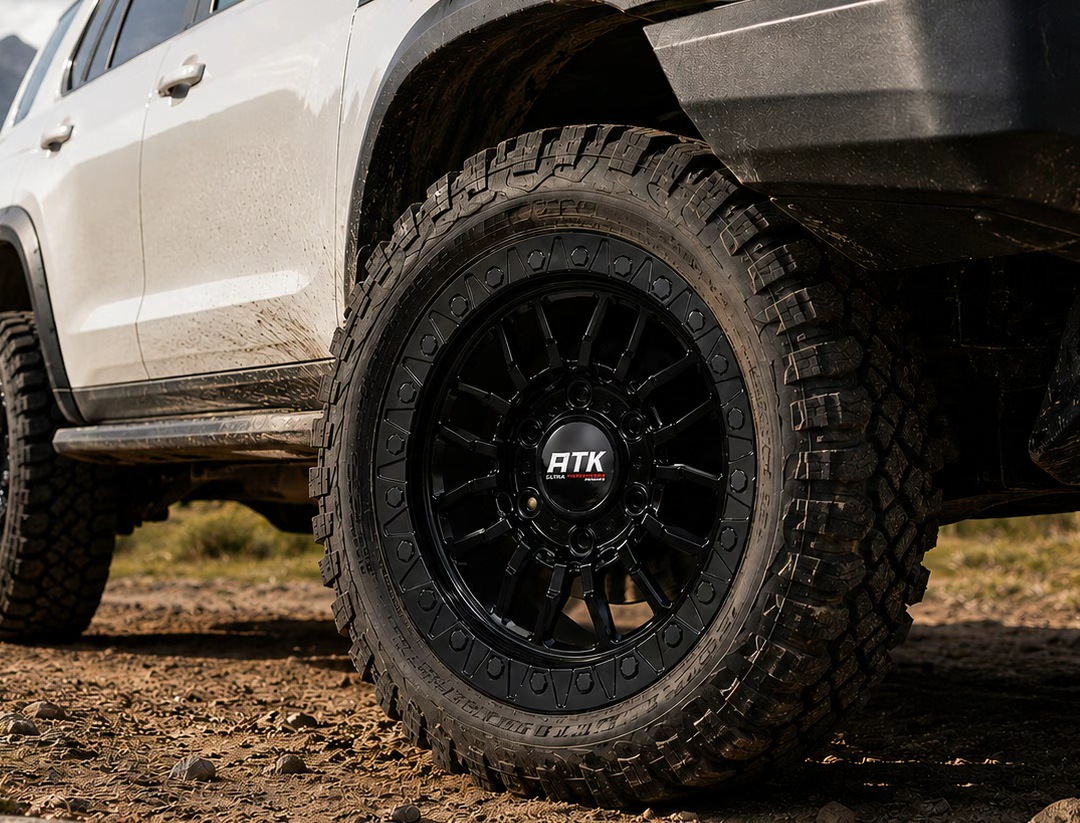
10.Are Most OEM Wheels Forged?
Most factory OEM wheels are actually cast.
The reason is simple: casting is more efficient for mass production.
Automakers choose cast wheels because they provide:
- Lower manufacturing costs
- Faster production
- Reliable everyday performance
However, many high-performance and luxury models use forged wheels because they require reduced weight and increased strength.
11.Are Forged Wheels Worth the Investment?
For drivers who want better performance, forged wheels can be a valuable upgrade.
They are especially suitable for:
- Sports cars
- Luxury vehicles
- Modified vehicles
- Track-focused builds
- Performance enthusiasts
The advantages include:
- Improved handling
- Reduced weight
- Higher durability
- Premium appearance
- Long service life
A quality set of forged rims is not only a visual upgrade but also a performance improvement.
Frequently Asked Questions (FAQs)
1.What is better, alloy or forged wheels?
Forged wheels are stronger and lighter than standard alloy wheels, but they cost more. Alloy wheels are better for budget-focused daily driving, while forged wheels are ideal for performance-focused vehicles.
2.How can I tell if a wheel is forged or cast?
Check the backside markings, surface finish, and wheel weight. Forged wheels usually have smoother machining, stronger construction, and lighter weight.
3.Are forged wheels worth it for a daily driver?
Yes, if you value longevity and safety. While the performance benefits (sharper handling and better fuel efficiency) are noticeable, the primary benefit for a daily driver is pothole resistance. A forged wheel will bend rather than crack during a harsh impact, preventing sudden tire deflation on the highway.
4.How do I maintain and clean my forged wheels?
Treat forged wheels like your vehicle’s paint. Avoid automatic car washes that use harsh acid-based cleaners or stiff, abrasive brushes that scratch the finish. Instead, use a pH-neutral wheel cleaner, a soft microfiber wash mitt, and dedicated wheel brushes. Regularly apply a high-quality ceramic coating to repel brake dust and road grime, making future cleaning much easier.
5.How long do forged wheels last?
High-quality forged wheels can last 10–20 years or longer when properly maintained.
Upgrade Your Vehicle with Premium Forged Wheels
Choosing the right wheels is about more than appearance. The best wheels improve how your vehicle feels, performs, and responds on the road.
With advanced manufacturing, lightweight construction, and exceptional durability, forged wheels represent the next level of automotive wheel engineering.
Whether you are upgrading a performance car, luxury vehicle, or custom build, premium forged rims deliver the strength, style, and confidence drivers expect.
Experience the difference of professionally engineered forged wheels and take your vehicle’s performance to the next level.