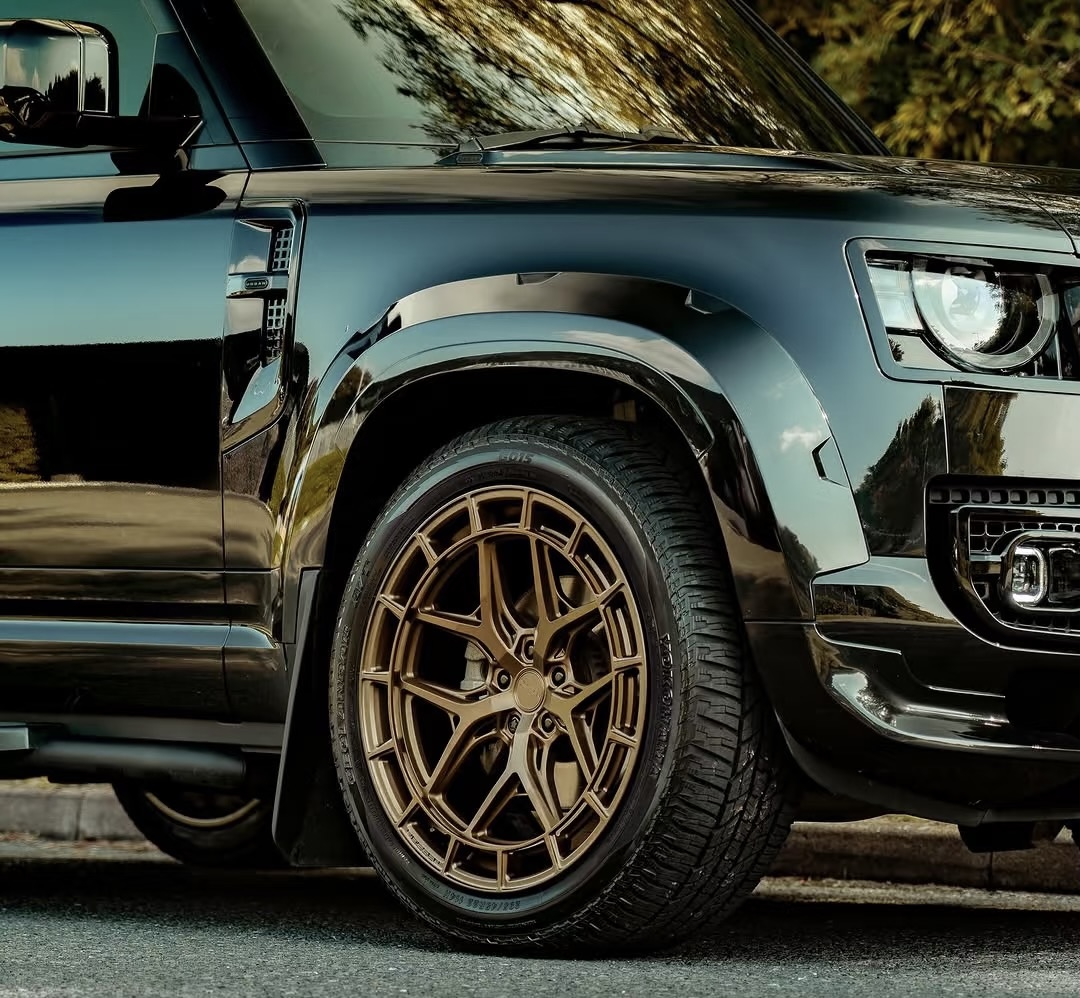
Forged Truck Wheels: The Ultimate Choice for Strength and Performance
Forged Truck Wheels: The Ultimate Choice for Strength and Performance
When it comes to upgrading your pickup, nothing impacts both aesthetics and performance quite like a new set of rims. Whether you use your rig for heavy-duty towing across state lines, aggressive off-road weekend adventures, or daily driving down the highway, the debates surrounding wheel choices are endless.
Among the options available in the aftermarket industry, one category consistently stands out at the pinnacle of engineering: forged truck wheels.
While they require a higher initial investment than traditional cast options, the structural benefits, weight savings, and safety margins they offer are unmatched. Let’s dive deep into the engineering, real-world performance metrics, and practical reasons why choosing a fully forged setup is the ultimate upgrade for your truck.
1.What Are Forged Truck Wheels?
To understand why these wheels perform so exceptionally well, we have to look at how they are made. The manufacturing process directly dictates the final strength and density of the metal.
The Science of the Forging Process
Unlike cast rims, which are made by pouring molten aluminum into a mold, forged rims begin as a solid block of high-grade aerospace aluminum alloy (usually 6061-T6 aluminum). This solid billet is subjected to immense pressure—often exceeding 10,000 tons of hydraulic force—and intense heat.
This extreme pressure deforms the metal and aligns its internal grain structure. Instead of a porous, random molecular layout, the grain flows continuously along the shape of the wheel. The result is a highly dense, incredibly compressed piece of metal that eliminates internal microscopic voids, air bubbles, and imperfections.
Why Structural Density Matters for Trucks
Trucks carry thousands of pounds of payload, pull massive trailers, and hit deep potholes at highway speeds. A wheel with internal voids or casting imperfections is prone to structural failure under these extreme stresses. Because the forging process creates a continuous, unbroken grain flow, the final product boasts significantly higher tensile strength and fatigue resistance. This means it can withstand repeated impacts and heavy loads without cracking or deforming.
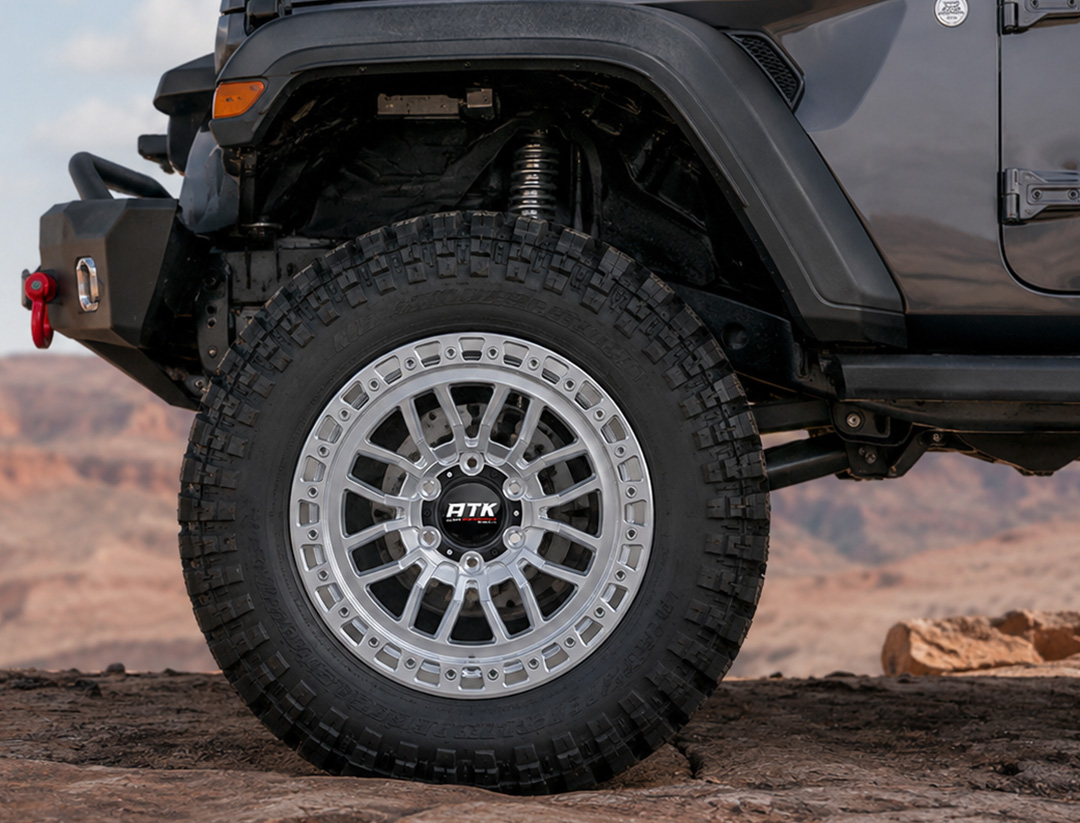
2.Forged vs. Cast Wheels: An In-Depth Comparison
When shopping for aftermarket upgrades, you will primary choose between cast, flow-formed, and fully forged options. Understanding the mechanical differences helps explain the price gap and the performance variations.
Gravity and Low-Pressure Casting
Casting is the most common and budget-friendly manufacturing method. While modern low-pressure casting produces decent reliability for daily commuting cars, it falls short under the extreme demands of heavy pickup setups. The lack of high-pressure compression means the metal is inherently more brittle and less dense, requiring thicker, heavier spokes to achieve the same load rating as a forged alternative.
Flow-Forming: The Middle Ground
Flow-forming begins as a specialized cast wheel blank. The barrel is then heated and spun over a mandrel while high-pressure hydraulic rollers stretch and compress the aluminum. This improves the strength and weight of the outer barrel, making it stronger than a standard cast product. However, the center face of the rim remains cast, meaning it still lacks the uniform, top-tier strength found in a fully forged setup.
The Ultimate Benchmarking Table
| Feature | Cast Wheels | Flow-Formed Wheels | Fully Forged Wheels |
|---|---|---|---|
| Manufacturing Process | Molten aluminum poured into a mold | Cast face with a hydraulically rolled barrel | Solid 6061-T6 billet compressed under 10,000+ tons of pressure |
| Structural Integrity | Porous grain structure, higher risk of brittle cracking | Improved barrel density, standard cast center face | Continuous, compressed grain flow with zero internal voids |
| Strength-to-Weight Ratio | Low (requires extra material/weight for strength) | Moderate (lighter barrel, heavier center) | High (maximum strength with minimal material thickness) |
| Impact & Crack Resistance | Fair (prone to cracking under severe impacts) | Good (barrel resists bending well) | Exceptional (bends rather than cracks under catastrophic force) |
| Load Capacity | Standard / Moderate | Enhanced | Maximum Load Ratings (Ideal for HD Towing) |
| Customization Options | Limited to mass-production molds | Limited to mass-production molds | High (Can be precision CNC-machined to custom offsets) |
| Initial Cost Investment | Budget-friendly | Mid-range | Premium |
3.Are Forged Truck Wheels Worth It?
Featured Snippet Answer: Weight for weight from one style to another, fully forged wheels are by far the strongest at the lightest weight. They provide greater load capability and resist cracking, denting, and breaking, making them the most durable and safe option on the market for heavy towing, hauling, and rigorous off-roading.
For many truck owners, the premium price tag prompts a critical question: Are they actually worth the money? To answer this completely, we have to look at the long-term operational advantages.
Unmatched Durability and Safety
When a cast rim suffers a catastrophic impact—such as striking a deep pothole at 70 mph while hauling a heavy trailer—it tends to crack or shatter due to its brittle nature. This can lead to sudden tire deflation and dangerous loss of control.
In contrast, the dense grain structure of a forged rim gives it greater ductility. Under an identical, extreme impact, a forged rim is much more likely to bend rather than shatter. A bent rim often holds tire pressure long enough for you to pull over safely, preventing a major accident on the highway.
Reduced Unsprung Mass and Rotational Weight
Every pound saved on your wheels is far more valuable than a pound saved inside the truck bed. Wheels are unsprung weight (weight not supported by the suspension) and rotational mass (weight that must be spun to accelerate and stopped to brake).
-
Accelerating: Lighter rotational mass means your engine doesn’t have to work as hard to turn the wheels, leading to crisper throttle response and improved fuel efficiency.
-
Braking: Less rotational inertia allows your braking system to slow the vehicle down more quickly and with less heat buildup, reducing brake fade during long descents.
-
Suspension Performance: Lower unsprung weight allows your shocks and springs to react faster to bumps, keeping your tires firmly planted on the road for improved handling and traction.
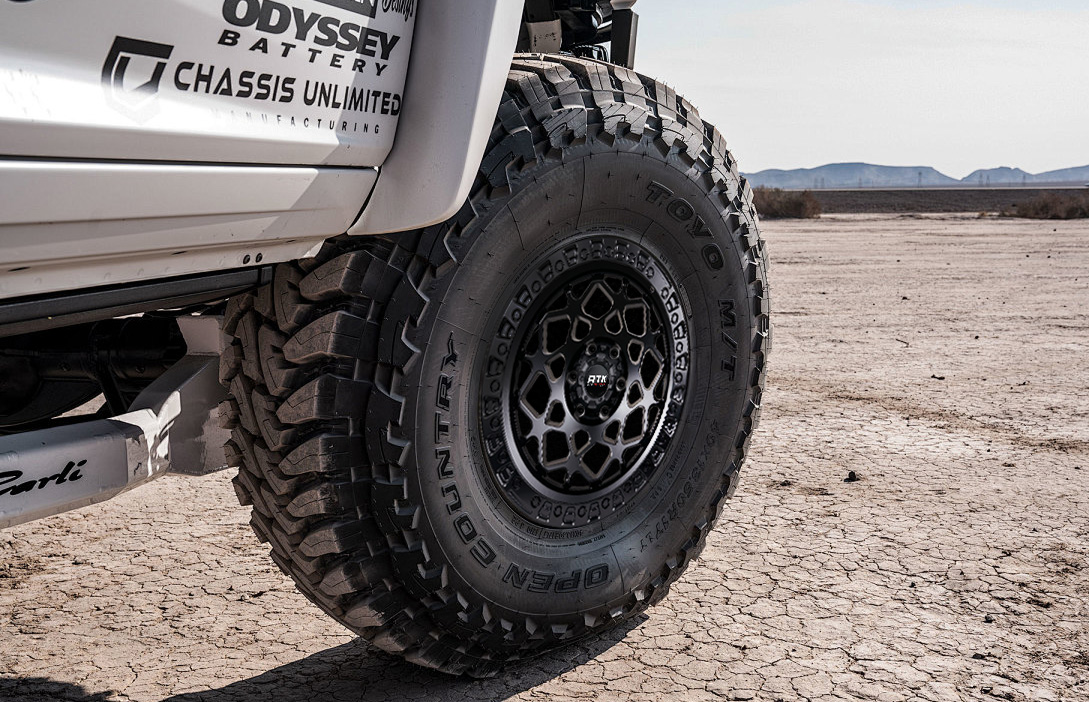
4.Selecting the Right Size for Your Setup
Choosing the correct rim diameter is about balancing how you intend to use your truck with the specific look you want to achieve.
17-Inch Wheels: Best for Off-Roading & Heavy Towing
For enthusiasts who spend significant time on rocky trails, sand dunes, or corrugated dirt roads, 17-inch wheels are the ideal choice.
-
Maximum Sidewall Flex: A smaller wheel diameter allows for a taller tire sidewall. This lets you “air down” your tires to low pressures, expanding the tread footprint for maximum traction over obstacles.
-
Impact Absorption: The deep cushion of rubber absorbs harsh bumps and rocks, protecting both your suspension components and your rims from damage while providing a smoother ride.
18-Inch Wheels: The Balanced Middle Ground
If your pickup splits its duties evenly between commuting, highway road trips, and occasional hauling or campsite visits, 18-inch wheels provide an excellent compromise.
-
They offer enough sidewall cushion to maintain a smooth, comfortable ride.
-
They provide slightly sharper handling and cornering stability on paved roads than a 17-inch setup.
-
They easily clear larger aftermarket brake calipers and heavy-duty suspension upgrades.
20-Inch and Larger Wheels: Street Performance & Aggressive Looks
For street-focused builds, sport trucks, or show-stopping rigs, 20-inch (or larger) setups deliver an unmistakable, aggressive look.
-
Crisp Handling: The shorter tire sidewall reduces rubber flex during cornering, resulting in highly responsive steering and improved stability at high speeds.
-
Modern Aesthetic: This size fills out large wheel wells perfectly, giving modern pickups a clean, powerful presence.
-
Consideration: Keep in mind that the reduced sidewall means a firmer, stiffer ride over rough highway joints and potholes.
5.Maximizing Performance: Understanding Tire Wear Patterns
Upgrading your rims is only part of the equation; maintaining your tires ensures your entire setup performs optimally over thousands of miles. Truck owners often notice uneven wear patterns due to the unique weight distribution of these large pickups.
Why Do Front Tires Wear Out Faster on Unloaded Pickups?
When your truck bed is empty, the front axle bears the vast majority of the workload. Understanding this distribution helps explain common wear patterns:
-
Weight Distribution: The heavy engine and transmission rest directly over the front axle.
-
Steering Forces: The front tires must pivot and frictionally grip the pavement to direct the heavy chassis during turns.
-
Braking Dynamics: Up to 70% of the braking stopping force is handled by the front brakes, causing significant forward weight transfer and tire scrubbing.
Because of these combined factors, front tires on an unloaded truck experience accelerated tread wear compared to the rear.
How Heavy Towing and Hauling Shifts the Dynamic
The moment you hook up a heavy gooseneck trailer, toy hauler, or drop a pallet of materials into the bed, the wear dynamic completely flips.
-
Increased Downward Load: Massive vertical tongue weight compresses the rear suspension, pushing the rear tire footprints hard into the road surface.
-
Propulsion Forces: On rear-wheel-drive or four-wheel-drive systems, the rear axle delivers the immense torque required to move that heavy cargo forward.
This combination of heavy weight and constant driving force will cause the rear tires to wear down much faster than the front ones. To combat this uneven wear, always perform regular tire rotations every 5,000 to 7,500 miles.
Common Questions Regarding High-End Truck Rims(FAQ)
1.Do forged wheels rust or corrode over time?
Aluminum does not rust like steel, but it can oxidize or pit if exposed to road salt, harsh chemical cleaners, or brake dust for extended periods. Choosing a high-quality finish—such as a durable clear coat, powder coating, or regular polishing for raw polished aluminum—keeps them protected against environmental elements.
2.Can I use my factory lug nuts on aftermarket forged wheels?
In most cases, no. OEM factory wheels often use a different seating profile (such as a flat flange or a wide radius seat). Most aftermarket options require a conical (cone-seat) lug nut to center the rim perfectly on the hub. Always check the manufacturer specifications to ensure you use the correct hardware.
3.What does “hub-centric” mean, and why is it important?
A hub-centric rim is engineered so that the center bore of the wheel matches the center hub of the truck perfectly. This ensures the weight of the vehicle is supported by the strong center hub rather than placing shear stress on the lug studs. High-quality options are built to be hub-centric for specific truck platforms to eliminate high-speed vibrations.
Summary: Elevate Your Driving Experience
Investing in premium forged construction is about upgrading the capability, safety, and longevity of your pickup. By choosing a product built to withstand the toughest road and trail conditions, you gain peace of mind knowing your setup is engineered to the highest structural standards.
If you are ready to transform your truck with unmatched strength, optimized offsets, and stunning modern styling, explore the premium collections engineered for heavy-duty performance. Discover the perfect balance of engineering excellence and aggressive design for your build today at ATK Wheels.