
Forged Aluminium Wheels: Strength, Performance, and Why They Matter
Forged Aluminium Wheels: Strength, Performance, and Why They Matter
Forged aluminium wheels have become a top choice for drivers who care about performance, safety, and long-term durability. Whether it’s a performance car, a luxury SUV, or a daily commuter, the demand for lighter and stronger wheel technology continues to grow in the U.S. automotive market.
Unlike traditional casting methods, forging reshapes aluminium under extreme pressure, producing a wheel structure that is significantly denser and more uniform. This difference is not just technical—it directly impacts how a vehicle drives, handles, and wears over time.
This article breaks down what forged aluminium wheels are, how they’re made, how they compare to other wheel types, and why they are widely considered a premium option.
1.What Are Forged Aluminium Wheels?
Forged aluminium wheels are wheels created by compressing a solid block of aluminium under high pressure and heat until it forms the final wheel shape. Instead of pouring molten metal into a mold, the forging process restructures the metal’s internal grain.
Key characteristics:
- Extremely high strength-to-weight ratio
- Denser internal metal structure
- Reduced material thickness without sacrificing durability
- Improved resistance to impact and fatigue
- Lightweight performance advantage
In simple terms, forged aluminium wheels are stronger and lighter because the metal is compressed rather than cast.
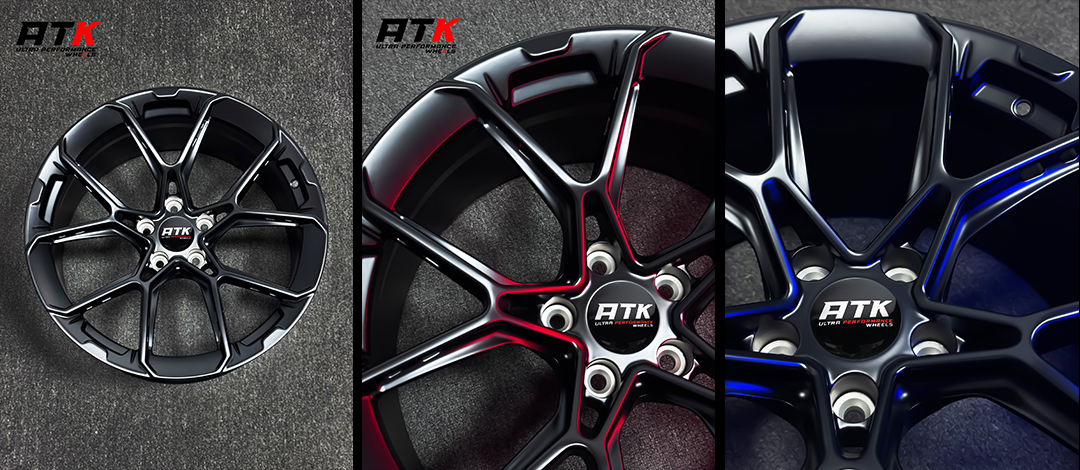
2.How Forged Aluminium Wheels Are Made?
The forging process is what sets these wheels apart. It involves multiple stages that refine both structure and performance.
1. Heating the aluminium billet
A solid aluminium block (billet) is heated until it becomes malleable.
2. High-pressure forging
The heated billet is placed under extreme hydraulic pressure—often thousands of tons—to shape it into a rough wheel form.
3. CNC machining
After forging, the wheel is precision-machined using CNC equipment to achieve final design, weight reduction, and styling.
4. Heat treatment and finishing
The wheel undergoes additional strengthening and finishing processes such as coating, polishing, or anodizing.
Why this matters:
This process aligns the grain structure of the aluminium, improving durability and reducing weak points that are common in cast wheels.
3. Why Forged Aluminium Wheels Are Stronger
Forged aluminium wheels are stronger because the forging process compresses and aligns the metal’s internal grain structure, eliminating air pockets and weak zones commonly found in cast wheels. This creates a denser, more uniform material that can withstand higher impact and stress while using less material overall.
4.Forged vs Cast vs Flow-Formed Wheels
Understanding the differences between wheel types helps clarify why forged aluminium wheels are considered premium.
Comparison Table
| Feature | Forged Aluminium Wheels | Cast Wheels | Flow-Formed Wheels |
|---|---|---|---|
| Manufacturing Process | High-pressure forging | Molten metal casting | Hybrid spinning + casting |
| Strength | Very high | Moderate | Medium-high |
| Weight | Very light | Heavier | Medium |
| Durability | Excellent | Average | Good |
| Cost | High | Low | Medium |
| Performance Use | Racing, luxury, performance | Daily driving | Balanced use |
| Structural Integrity | Highly uniform grain | More air pockets | Improved over cast |
Key takeaway:
Forged aluminium wheels outperform other types in strength and weight reduction, making them ideal for high-performance applications.
5.Benefits of Forged Aluminium Wheels
Drivers in the U.S. choose forged aluminium wheels for several performance and lifestyle reasons.
1. Reduced Unsprung Weight
Lighter wheels improve suspension response, braking efficiency, and acceleration.
2. Improved Fuel Efficiency
Less rotational mass means the engine requires less energy to move the vehicle.
3. Superior Strength
They can withstand potholes, rough roads, and aggressive driving conditions better than cast wheels.
4. Longer Lifespan
The dense structure reduces the risk of cracking and structural fatigue.
5. Enhanced Driving Feel
Drivers often report more precise steering and better road feedback.
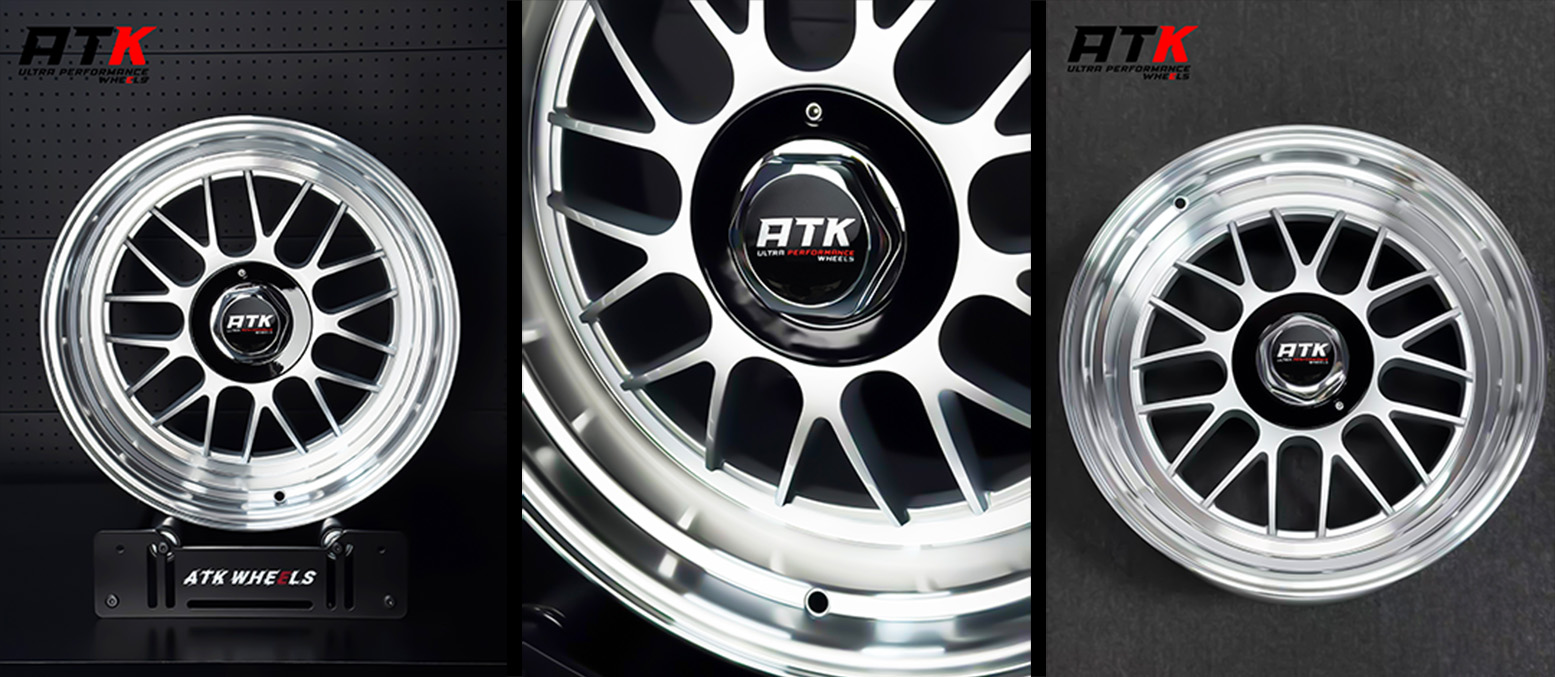
6.Are Forged Aluminium Wheels Good for Everyday Driving?
Yes. Forged aluminium wheels are not just for race tracks or exotic cars. Many drivers in the United States use them for daily commuting because of their durability and long-term value.
They perform especially well in regions with:
- Rough winter roads
- Frequent potholes
- Long highway commutes
- High-performance driving conditions
Even though they cost more upfront, their durability often reduces long-term replacement and repair costs.
7.Do Forged Aluminium Wheels Rust or Corrode?
Forged aluminium wheels do not rust because aluminium contains no iron. However, they can still experience corrosion over time, especially in harsh environments.
Common corrosion signs include:
- White oxidation spots
- Bubbling under clear coat
- Surface dullness or flaking finish
How to prevent corrosion:
- Regular cleaning with pH-balanced products
- Avoiding harsh road salt buildup
- Applying protective coatings
- Inspecting wheels after winter seasons
Proper care can significantly extend wheel life and appearance.
8.Is Forged Aluminium Safe?
Forged aluminium wheels are widely considered safe for both performance and everyday use. The dense structure reduces the risk of deformation under stress, and the controlled manufacturing process ensures consistent material quality.
Research and engineering analysis confirm that the tighter grain structure reduces structural failure points, making forged wheels highly reliable under load and impact.
9.Performance Impact in Real Driving Conditions
Switching to forged aluminium wheels can noticeably change how a vehicle behaves:
- Faster acceleration due to reduced rotational mass
- Shorter braking distance
- Improved cornering stability
- Reduced vibration on uneven roads
These improvements are especially noticeable on performance sedans, sports cars, and SUVs with upgraded suspension systems.
10.Common Misconceptions About Forged Aluminium Wheels
“They are only for race cars”
Not true. Many OEM luxury vehicles now offer forged options.
“They are too fragile because they are lightweight”
In reality, they are stronger than most cast wheels despite being lighter.
“They are not worth the price”
While the upfront cost is higher, their lifespan and performance benefits often justify the investment.
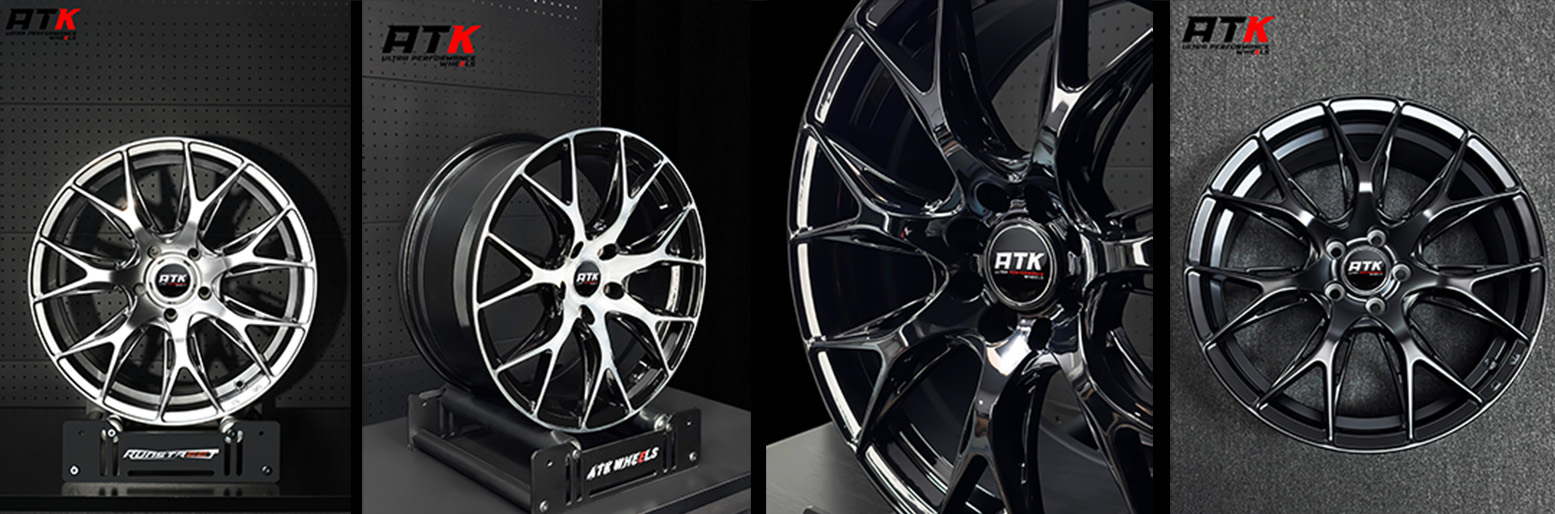
11.Why Manufacturing Quality Matters
Not all forged wheels are equal. Precision machining, alloy quality, and heat treatment processes all influence final performance.
High-quality manufacturers focus on:
- Aerospace-grade aluminium alloys
- Multi-stage forging cycles
- Strict quality testing
- CNC precision finishing
Brands like ATK Wheels emphasize engineered performance and structural consistency to ensure reliability across road conditions and driving styles.
12.Who Should Choose Forged Aluminium Wheels?
Forged aluminium wheels are ideal for:
- Performance car owners
- SUV drivers seeking durability
- Enthusiasts upgrading handling response
- Drivers in harsh road environments
- Anyone prioritizing long-term wheel strength
If driving experience, safety, and durability matter more than initial cost, forged wheels are often the best choice.
13.Maintenance Tips for Long-Term Performance
Keeping forged aluminium wheels in top condition is simple with consistent care:
- Wash every 1–2 weeks
- Avoid abrasive brushes
- Dry thoroughly after cleaning
- Inspect for curb damage regularly
- Reapply protective coatings seasonally
Proper maintenance preserves both appearance and structural integrity.
14.Future of Forged Aluminium Wheels
As automotive technology advances, forged aluminium wheels are becoming more accessible. Lightweight materials are increasingly important for electric vehicles, where reducing unsprung weight improves battery efficiency and range.
Expect to see:
- Wider adoption in EV platforms
- More affordable production methods
- Advanced alloy compositions
- Increased customization options
FAQ: Forged Aluminium Wheels
1. Is forged aluminum good for wheels?
Yes. Forged aluminium has a dense grain structure that improves strength while reducing weight. This makes wheels more durable and better performing compared to cast alternatives.
2. What is forged aluminium?
Forged aluminium is produced by heating a solid aluminium block and shaping it under extreme pressure. This process increases density and improves internal structure strength.
3. Which is better, cast aluminum or forged aluminum?
Forged aluminium is stronger, lighter, and more durable than cast aluminium because it eliminates internal air pockets and creates a uniform grain structure.
4. Do forged aluminium rims rust?
No. Aluminium does not rust, but it can corrode over time if exposed to harsh conditions without proper maintenance.
5. Is forged aluminium safe?
Yes. Forged aluminium is safe for automotive use and even cooking applications due to its dense structure and resistance to material degradation under normal conditions.
Conclusion
Forged aluminium wheels represent a balance of engineering precision, performance enhancement, and long-term durability. While they come at a higher cost, their advantages in strength, weight reduction, and driving performance make them a preferred choice for many drivers in the United States.
From daily commuting to performance driving, they offer a noticeable upgrade in handling, efficiency, and reliability.
If you’re considering upgrading your wheels, forged aluminium technology offers one of the most meaningful improvements in both performance and durability. Explore precision-engineered wheel options at ATK Wheels and choose a setup that matches your driving style, vehicle type, and long-term goals.

Great content! Keep up the good work!
Thank you for your likes. We will continue to update more content. Please stay tuned to us