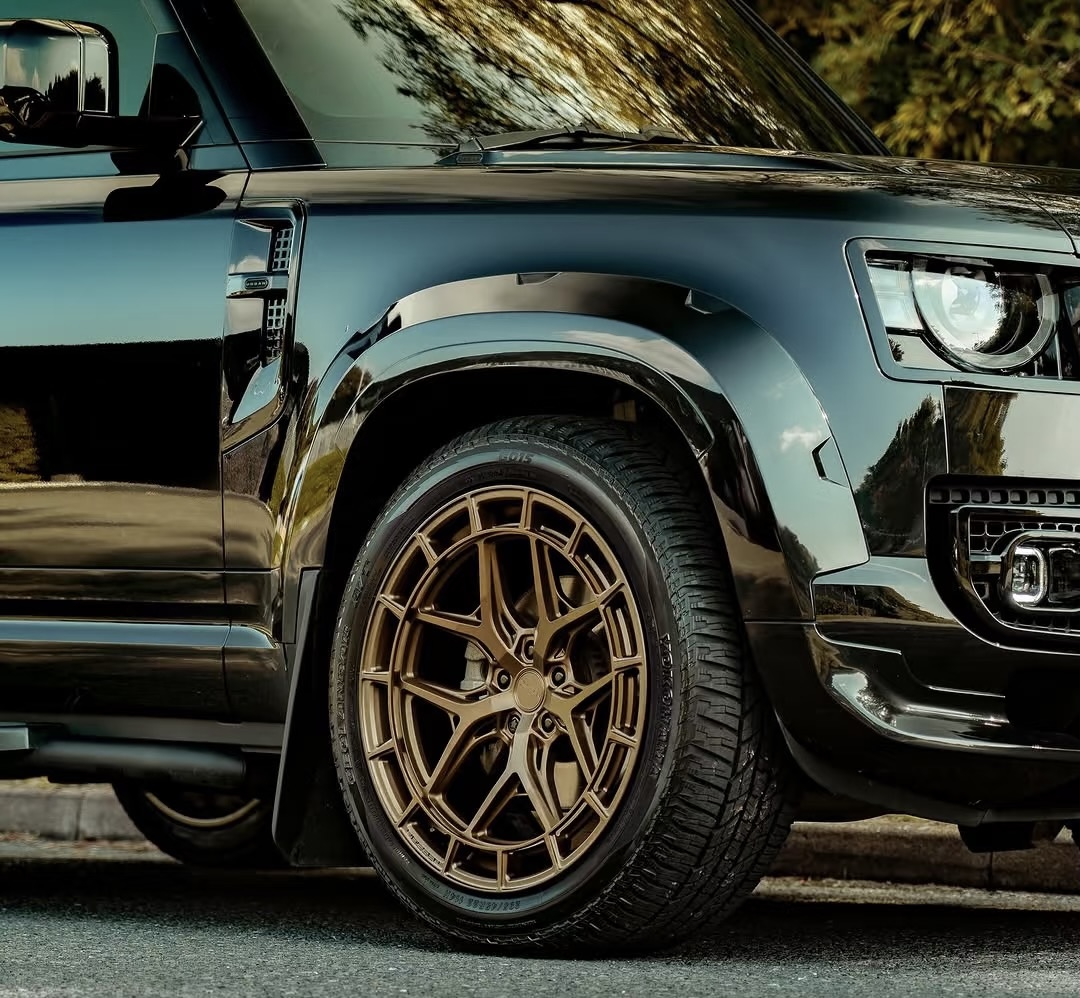
Forge Wheels: The Smart Choice for Performance, Strength, and Reliability
Forge Wheels: The Smart Choice for Performance, Strength, and Reliability
If you are looking to upgrade your vehicle’s performance, aesthetics, and overall handling, the conversation inevitably turns to wheels. Among car enthusiasts, track racers, and luxury vehicle owners, one term carries more weight than any other: forge wheels (often referred to as forged wheels).
But what exactly makes forge wheels the gold standard in the automotive industry? Is the premium price tag justified, or is it just marketing hype?
In this comprehensive analysis, we will break down the science behind forged aluminum wheels, compare them directly to standard cast wheels, and help you determine if they are the right choice for your build.
1.What Are Forge Wheels?
To understand why a forge wheel is so highly regarded, you have to look at how it is born. Unlike standard wheels that are made by pouring molten metal into a mold, forge wheels are engineered through an intense, high-pressure manufacturing process.
The Science Behind Forging
The process begins with a solid billet of premium aerospace-grade aluminum alloy (typically 6061-T6 aluminum). This solid block of metal is subjected to extreme heat and immense pressure—often exceeding 10,000 tons of force.
This massive pressure literally changes the mechanical properties of the metal. It crushes any internal porosity (microscopic air bubbles) and aligns the grain structure of the aluminum. Instead of a brittle, casted shape, the metal becomes a highly dense, continuous, and fibrous structure.
Once the initial forging process creates the wheel blank, it is transferred to a high-precision CNC (Computer Numerical Control) machine. The CNC machine mills out the intricate spoke designs, bolt patterns, and finishes with millimeter-level accuracy.
Key Takeaway: The forging process does not just change the shape of the aluminum; it fundamentally changes its molecular integrity, resulting in a wheel that is vastly superior in every measurable metric.
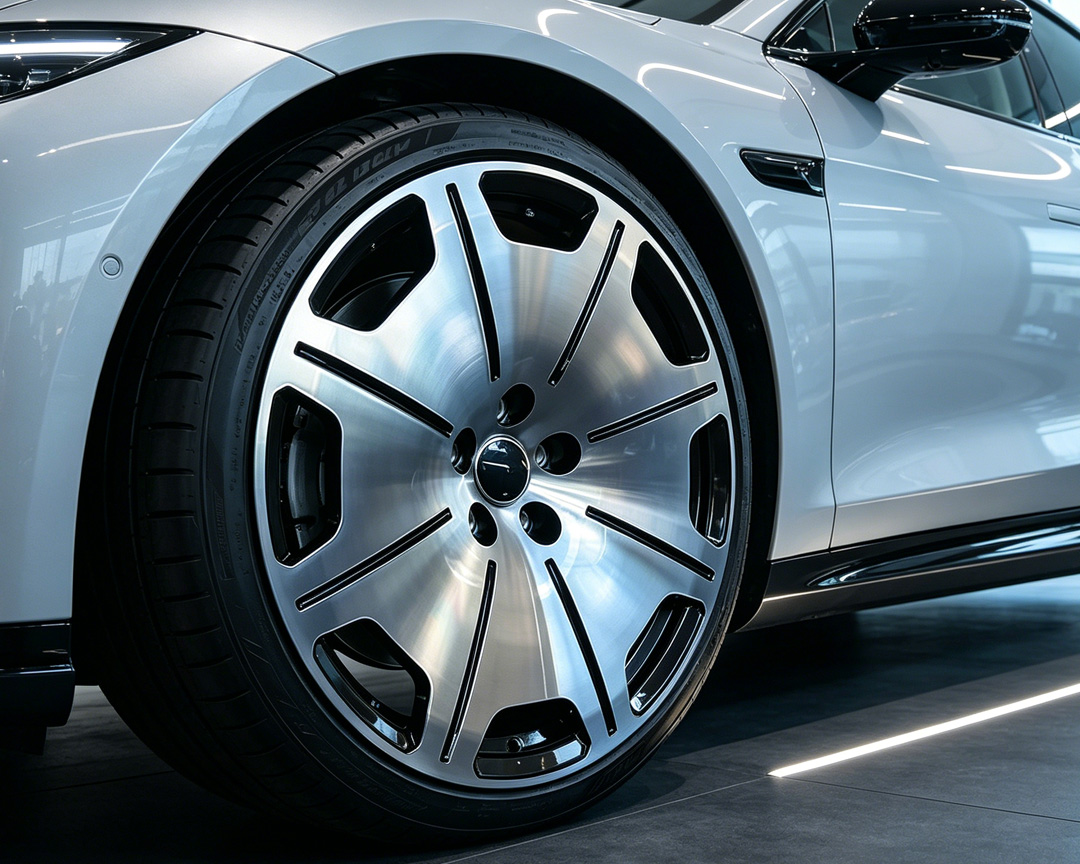
2.Forge Wheels vs. Cast Wheels: The Core Differences
Most vehicles come from the factory with cast aluminum wheels. While casting is highly cost-effective for mass production, it comes with inherent structural limitations.
To help you understand the structural and performance gaps between these two manufacturing methods, let’s look at how they compare side-by-side.
Comparison Table: Forged vs. Cast Aluminum Wheels
| Feature | Forge Wheels (Forged) | Cast Wheels (Casting) |
|---|---|---|
| Manufacturing Process | High-pressure mechanical forging + CNC machining | Molten aluminum poured into a mold |
| Material Density | Extremely high; zero internal porosity | Lower density; prone to microscopic air bubbles |
| Strength-to-Weight Ratio | Exceptionally high | Moderate to low |
| Weight | Ultralight (improves unsprung mass) | Significantly heavier |
| Impact Resistance | Bends slightly under extreme impact rather than cracking | Prone to cracking or shattering under severe impact |
| Customization Options | High (CNC milling allows custom offsets and styles) | Low (limited to the pre-made mold shape) |
| Price Range | Premium / High-end investment | Budget-friendly / Economical |
3.Why Are Forge Wheels Stronger Than Cast Wheels?
The primary reason drivers switch to forge wheels is structural integrity. Because the grain flow of the aluminum is aligned during the high-pressure forging process, the wheel exhibits incredible tensile strength.
-
Load Capacity: Forged wheels can support significantly more weight per square inch than cast wheels. This makes them ideal not just for lightweight sports cars, but also for heavy duty trucks and high-performance SUVs that require maximum load ratings.
-
Fatigue Resistance: Over years of driving over potholes, track curbing, and uneven pavement, metal experiences fatigue. Forged aluminum resists microscopic stress fractures far better than cast alloy.
-
Safety Under Impact: When a cast wheel hits a massive pothole at highway speeds, its brittle nature means it is highly likely to crack or shatter, causing instant tire deflation. A forge wheel, due to its structural density, is much more likely to slightly bend rather than experience catastrophic failure, allowing you to maintain control of the vehicle.
4.The Performance Benefits of Upgrading to Forged Wheels
Wheels are not just cosmetic pieces; they are a critical component of your vehicle’s suspension and drivetrain. Upgrading to a set of high-quality forge wheels from premium manufacturers like ATK Wheels delivers immediate tangible performance benefits.
1. Reduction in Unsprung Weight
Unsprung weight refers to any part of the vehicle that is not supported by the suspension system—this includes the brakes, tires, and wheels.
Reducing unsprung mass is one of the most effective ways to improve a vehicle’s dynamics. Because forged wheels are incredibly strong, engineers can use less material to build them, making them significantly lighter than cast wheels of the exact same size.
2. Sharper Handling and Steering Response
Lightweight wheels require less effort from your suspension components to control. When you turn the steering wheel, a lighter forged wheel reacts faster, reducing rotational inertia. You will notice:
-
Crisper turn-in response when cornering.
-
Reduced body roll and better tire-to-road contact.
-
More predictable feedback through the steering wheel.
3. Accelerated Braking and Throttle Response
Every time you press the gas pedal, your engine has to fight rotational inertia to spin the wheels. Lighter wheels mean less rotational mass, allowing the engine to transfer power to the ground more efficiently. The same principle applies to braking: less spinning mass means your brakes can bring the vehicle to a halt much quicker, reducing braking distances.
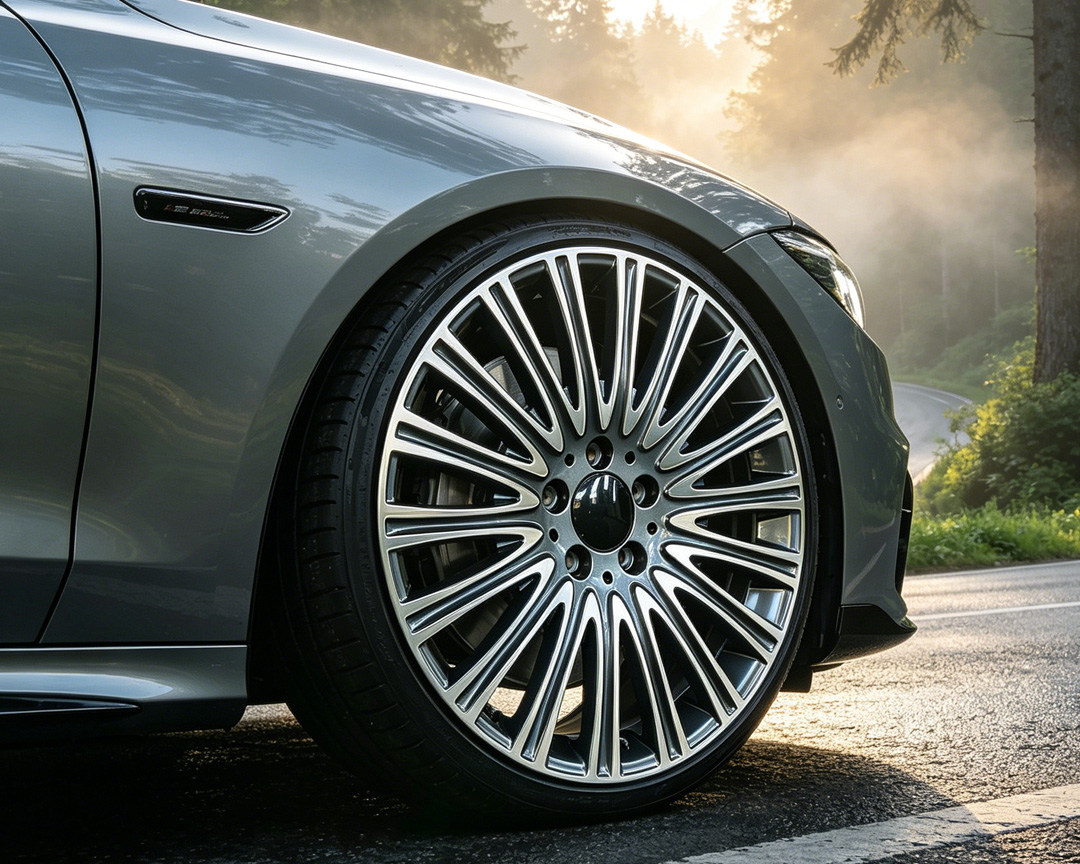
5.Why Are Forge Wheels More Expensive?
It is no secret that forge wheels sit at the higher end of the automotive aftermarket price spectrum. This price point is a direct reflection of the rigorous production ecosystem required to create them.
-
Premium Materials: Forged wheels utilize high-grade 6061-T6 aluminum blocks, which cost significantly more raw than the lower-grade aluminum scrap or silicon-aluminum alloys often used in mass-market casting.
-
Massive Machinery Infrastructure: Operating a multi-thousand-ton industrial forging press requires specialized facilities, immense power consumption, and highly skilled structural engineers.
-
Intensive CNC Machining: A cast wheel is practically finished once it comes out of the mold. A forged wheel blank requires hours of precision CNC milling to carve out the spokes, reduce excess weight, and achieve perfection.
-
Rigorous Quality Control: Premium forged brands subject their wheels to extensive radial fatigue testing, cornering load tests, and impact simulations to meet international safety standards (such as JWL and VIA certifications).
6.Are Forge Wheels Worth It?
Whether forge wheels are worth the investment depends entirely on your driving goals, vehicle type, and budget.
When They Are Absolutely Worth It:
-
Track Days and Racing: If you frequently take your car to the track, the weight savings and structural safety of forged aluminum are non-negotiable.
-
High-End Performance and Luxury Cars: Vehicles with high horsepower and torque require wheels that can handle massive rotational stress without flexing.
-
Off-Road and Heavy-Duty Trucking: For trucks navigating rough terrain or hauling heavy payloads, the extreme impact resistance prevents wheel failures in remote locations.
-
Aesthetic Perfectionists: Since forged wheels are machined individually, they offer crisp lines, deep concavity, and custom finishes that casting simply cannot replicate.
When Cast or Flow-Formed Wheels Might Suffice:
If you drive a standard commuter car, rarely push your vehicle to its performance limits, or are working with a strict budget, high-quality cast or flow-formed wheels can satisfy your daily driving needs perfectly fine.
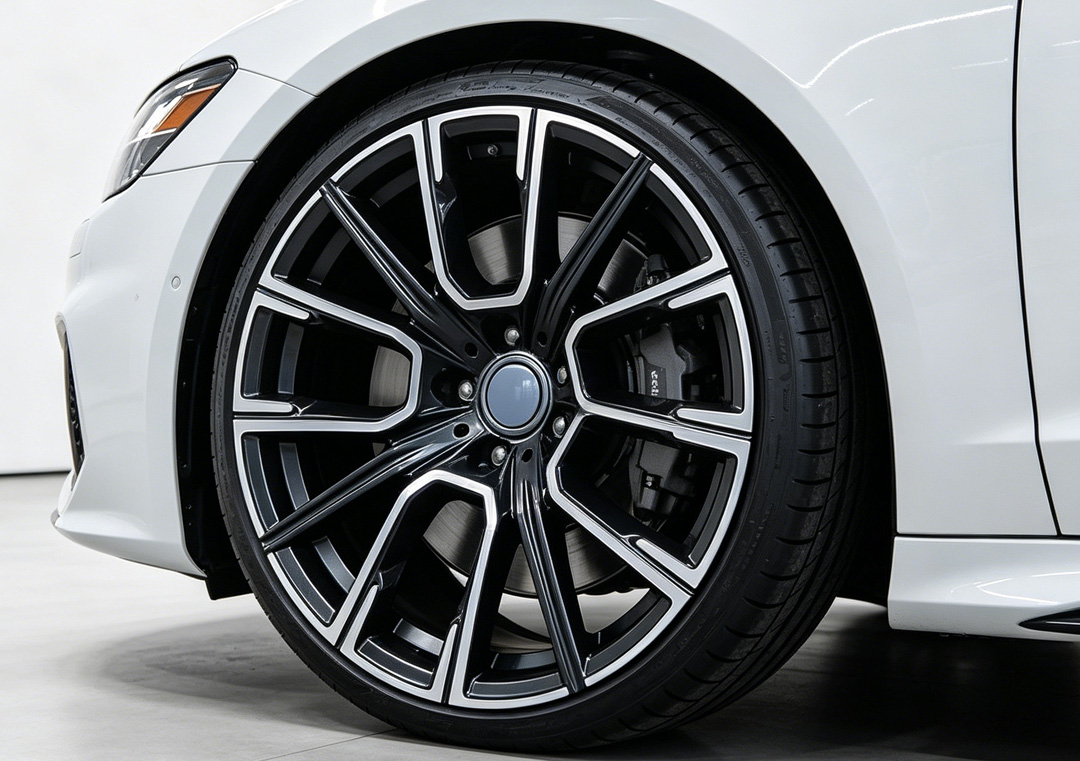
Frequently Asked Questions (FAQ)
1.What are forge wheels?
Forge wheels are high-performance automotive wheels manufactured by compressing raw aluminum alloy under extreme structural pressure. This intensive process aligns the metal’s grain structure, creating a wheel that is significantly stronger, denser, and lighter than traditional cast wheels.
2.Are forge wheels stronger than cast wheels?
Yes. Forge wheels possess a vastly superior strength-to-weight ratio. Because the forging process eliminates internal air pockets and porosity, the finished product can withstand much higher loads, impacts, and structural stress without cracking or bending compared to cast alternatives.
3.Why are forge wheels more expensive?
The elevated cost is driven by the use of premium aerospace-grade raw materials (like 6061-T6 aluminum), the massive industrial machinery required for high-pressure forging, extended hours of precision CNC machining, and rigorous safety testing.
4.Are forge wheels worth it?
For drivers focused on maximizing vehicle performance, track times, fuel efficiency, and structural safety, forge wheels are highly worth the investment. However, for standard everyday street driving on a budget, quality cast wheels are often sufficient.
5.How long do forge wheels last?
With proper maintenance, correct torque installation, and standard road conditions, a set of premium forge wheels can easily outlast the lifespan of the vehicle itself without losing structural integrity or degrading in performance.
Transform Your Ride with Premium Wheels
Your wheels are the only point of connection between your high-performance vehicle and the asphalt. Settling for heavy, brittle wheels compromises your vehicle’s true potential. Upgrading to forge wheels is an investment in safety, engineering excellence, and unparalleled driving dynamics.
Ready to find the perfect setup tailored specifically for your vehicle’s specifications? Explore the precision-engineered collection at ATK Wheels today to discover premium wheel options designed to elevate your driving experience to the next level.