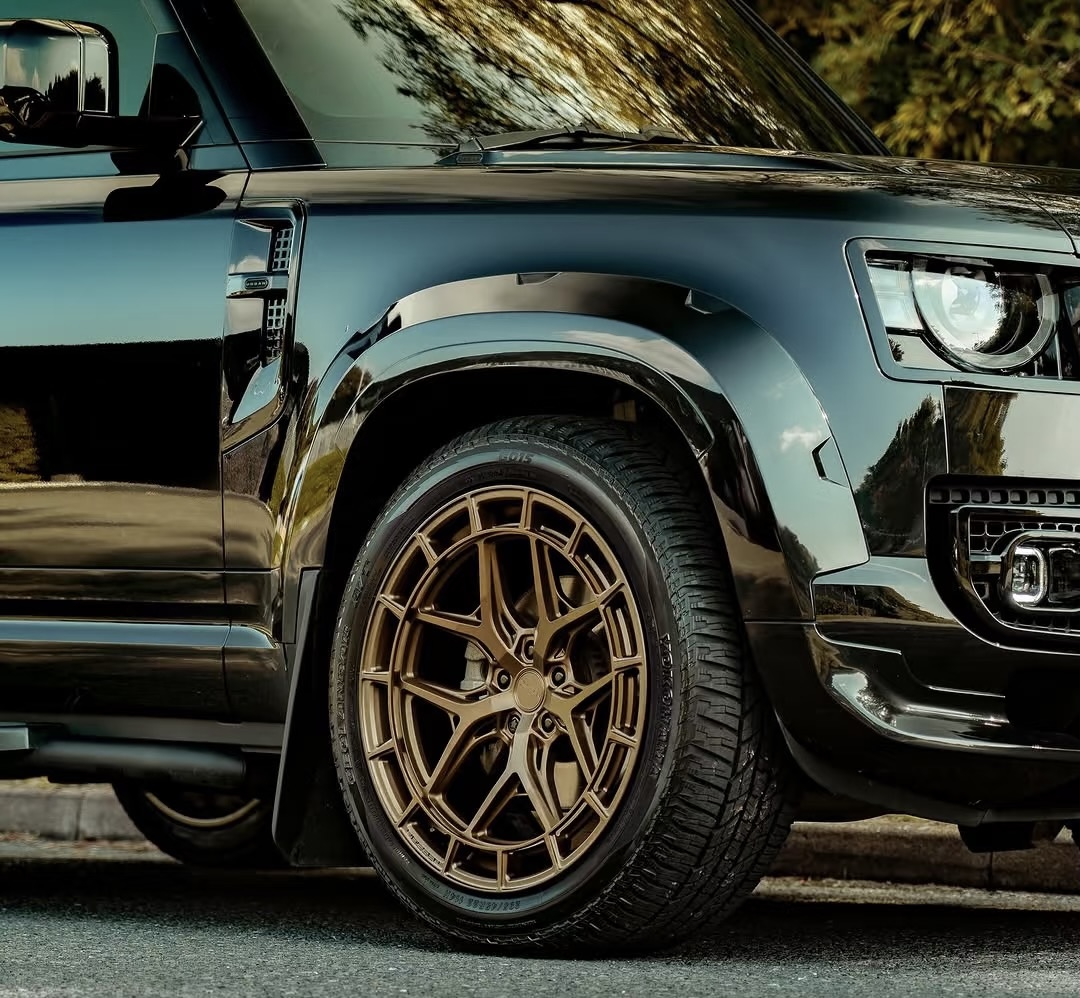
Factory Reproduction Wheels: Combining Original Style With Modern Wheel Performance
Factory Reproduction Wheels: Combining Original Style With Modern Wheel Performance
1.What Are Factory Reproduction Wheels?
For vehicle enthusiasts and daily drivers alike, maintaining that flawless, showroom-ready look is a top priority. However, upgrading or replacing original equipment manufacturer (OEM) wheels can quickly turn into a financial headache. This is where factory reproduction wheels enter the conversation.
A factory reproduction wheel is a brand-new, aftermarket wheel engineered to replicate the exact styling, dimensions, and cosmetic appearance of an original factory wheel. Whether you want to replace a single damaged rim, upgrade your base model to a premium trim level look, or fit larger wheels while maintaining a classic look, these components offer a practical solution.
By balancing the aesthetic appeal of dealership options with the affordability of the aftermarket industry, these wheels have become a go-to solution for millions of drivers across the United States.
+------------------------------------------------------------+
|                  Quick Summary Definition                  |
+------------------------------------------------------------+
| Factory reproduction wheels are aftermarket rims designed  |
| to match the exact aesthetics, dimensions, and fitment of  |
| original equipment manufacturer (OEM) wheels, providing an |
| affordable way to achieve an authentic factory look.       |
+------------------------------------------------------------+
2.Factory Reproduction Wheels vs. OEM Wheels vs. Replica Wheels
Navigating the wheel market requires a clear understanding of industry terminology. Buyers frequently confuse factory reproductions, OEM variants, and generic replicas. While they may look identical at a glance, their engineering, intent, and manufacturing standards differ significantly.
1. OEM Wheels (Original Equipment Manufacturer)
These are the rims that come standard on your vehicle straight from the assembly line or are sold directly through authorized dealerships. They are designed by the vehicle manufacturer (e.g., Ford, GM, BMW) and produced under strict contract by major wheel corporations.
-
Pros: Guaranteed fitment, maximum structural testing, and preserved resale value.
-
Cons: Extremely expensive, often costing four to five times more than aftermarket alternatives.
2. Factory Reproduction Wheels
These are manufactured by independent companies specializing in duplicating original designs with high precision. Reputable suppliers use advanced engineering to ensure the bolt patterns, offsets, and center bores align perfectly with the target vehicle.
-
Pros: Cost-effective, excellent aesthetic accuracy, high-quality casting or flow-forming methods, and widely available.
-
Cons: Not made by the vehicle brand; quality varies based on the manufacturer’s reputation.
3. Generic Replica Wheels
Often found on budget-tier marketplaces, generic replica wheels focus almost exclusively on visual mimicry. They copy the outward appearance of high-end or factory wheels but may cut corners on structural integrity, material density, and exact fitment specifications.
-
Pros: Lowest price point available.
-
Cons: High risk of incorrect offsets, lower load ratings, and vulnerability to cracking or bending under everyday stress.
Comparison Matrix
| Feature | OEM Wheels | Factory Reproduction Wheels | Generic Replica Wheels |
|---|---|---|---|
| Primary Focus | Total vehicle optimization | Design accuracy + cost balance | Low price point |
| Aesthetic Match | Exact (Original) | Highly precise match | Visual approximation |
| Fitment Reliability | Perfect | High (When properly sourced) | Inconsistent |
| Average Cost | High ($500–$1,200+ per wheel) | Moderate ($150–$350 per wheel) | Low ($80–$150 per wheel) |
| Availability | Dealerships & salvage yards | Specialized aftermarket retailers | General e-commerce sites |
3.Are Factory Reproduction Wheels Safe for Daily Driving?
The short answer is yes, but with an important caveat: safety depends entirely on the manufacturing standards of the brand you choose.
Daily driving in the United States exposes wheels to harsh conditions, including potholes, highway debris, concrete joints, and severe weather. To withstand these daily forces, a reproduction wheel must possess structural integrity and appropriate material density.
> **Safety Check:** A high-quality reproduction wheel should feature clear safety certifications stamped directly on the metal or listed in the product specifications.
When evaluating the safety of factory reproduction wheels, look for the following industry certifications:
-
SAE International (Society of Automotive Engineers): Establishes testing procedures (such as SAE J2530) for wheel durability, radial fatigue, and cornering impact.
-
JWL (Japan Light Alloy Wheel standard): A mandatory certification in Japan ensuring aluminum wheels meet strict safety regulations.
-
VIA (Vehicle Inspection Association): An independent Japanese laboratory that verifies JWL compliance through rigorous stress testing.
-
TÜV: A strict European certification body that audits manufacturing facilities and structural integrity.
When a reproduction wheel holds these credentials, it means the alloy mix, heat treatment, and structural design can handle everyday driving conditions just as effectively as a stock wheel.
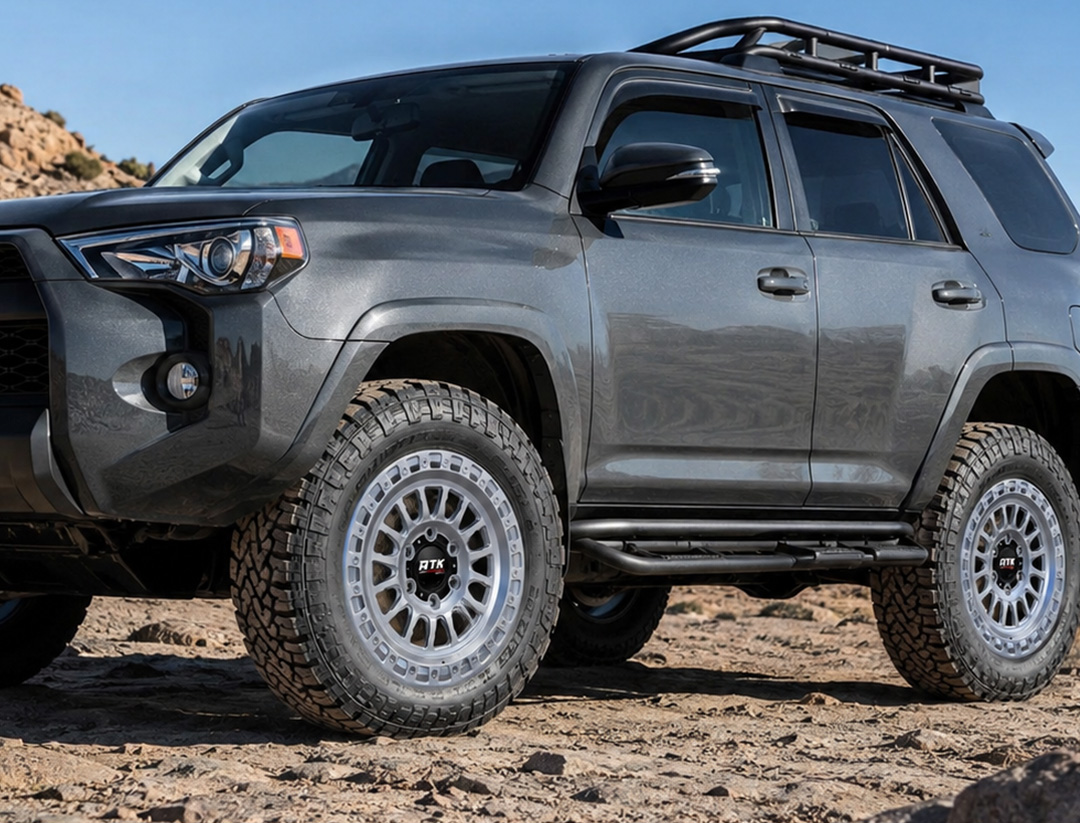
4.Do Factory Reproduction Wheels Affect Performance and Handling?
Every modification to your vehicle’s unsprung weight—the mass of components not supported by the suspension, such as brakes, tires, and wheels—directly influences performance. Because factory reproduction wheels alter this dynamic, they can affect your driving experience in several key ways.
Weight and Unsprung Mass
Many budget reproductions are produced using gravity casting, which requires more metal to achieve the necessary strength, resulting in a heavier wheel than the OEM original.
-
Acceleration and Braking: Heavier wheels increase rotational inertia. This means your engine works harder to spin the wheels from a stop, and your brakes require more force to slow them down.
-
Fuel Efficiency: Higher unsprung weight can slightly lower your miles per gallon (MPG), particularly during stop-and-go city driving.
Manufacturing Technology Matters
Modern premium reproductions often utilize advanced techniques like flow forming or low-pressure casting. Flow forming aligns the molecular structure of the aluminum alloy, creating a rim barrel that is thinner, stronger, and significantly lighter than traditional cast alternatives. Choosing a flow-formed reproduction ensures your handling and steering response remain crisp and agile.
Ride Comfort and Suspension Stress
An improperly balanced or overly heavy wheel places extra stress on suspension components, such as shocks, struts, and control arm bushings. Opting for precise reproductions that match factory weight specifications helps maintain your vehicle’s original ride comfort.
5.How to Choose the Right Factory Reproduction Wheels for Your Car
Selecting the correct set of wheels involves more than just picking an appealing design. To ensure a safe installation, you must verify five critical mechanical dimensions.
       [Center Bore]
             |
        O----O----O
       /   \   /   \
      O     \ /     O -- [Bolt Pattern]
      |      X      |
      O     / \     O
       \   /   \   /
        O----O----O
             |
          [Offset]
1. Bolt Pattern (Pitch Circle Diameter – PCD)
The bolt pattern consists of the number of lug holes and the diameter of the circle they form. For example, a “5×114.3” pattern means the wheel has 5 lug holes arranged on a circle with a diameter of 114.3mm. Even a millimeter difference will prevent the wheel from mounting to your wheel hub.
2. Wheel Size (Diameter and Width)
Ensure the diameter and width match your intended tire setup. If you are moving to a larger diameter (e.g., upgrading from 18-inch to 20-inch wheels), you will need lower-profile tires to maintain the correct overall rolling diameter and prevent speedometer errors.
3. Offset
Offset determines how deep the mounting surface sits relative to the centerline of the wheel, measured in millimeters.
-
Positive Offset: Pushes the wheel inward toward the suspension.
-
Negative Offset: Pushes the wheel outward toward the fender.
An incorrect offset can cause the tire to rub against the brake calipers or inner fender liners during sharp turns.
4. Center Bore
The center bore is the machined opening in the middle of the wheel that sits flush against the vehicle’s hub. Factory reproduction wheels are often hub-centric, meaning the center bore matches your vehicle’s hub exactly, eliminating vibrations at highway speeds.
5. Load Rating
Every wheel is rated to carry a maximum weight load. Heavy vehicles like trucks (e.g., Ford F-150, Chevrolet Silverado) or large electric vehicles (EVs) require a much higher load rating than a compact sedan. Always verify that the wheel’s load rating meets or exceeds your vehicle’s Gross Axle Weight Rating (GAWR).
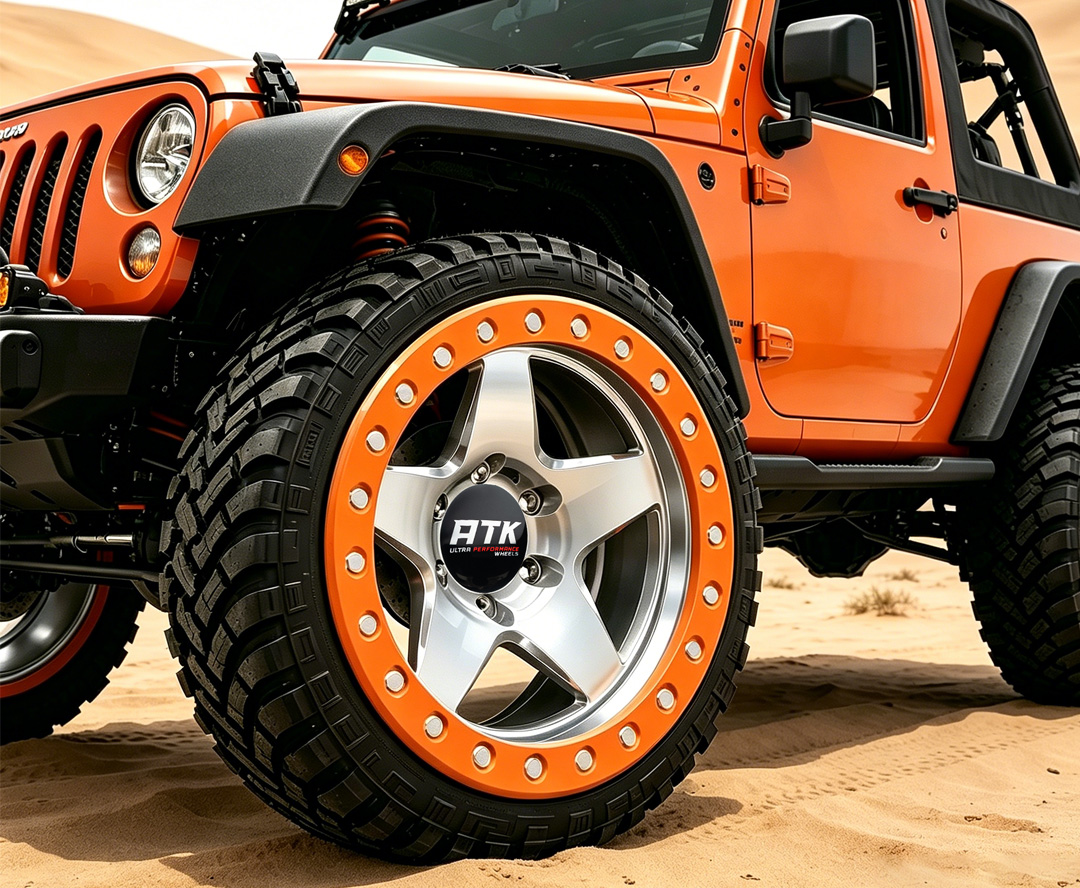
6.Installation, Maintenance, and Longevity
To get the most out of your investment, proper installation and ongoing maintenance are essential. Treat your reproduction wheels with the same care you would accord to high-end custom wheels.
Installation Best Practices
-
Use a Torque Wrench: Always torque your lug nuts to the manufacturer’s exact specifications in a star pattern. Avoid using impact guns, which can distort the lug seats or over-tighten the studs.
-
Verify Caliper Clearance: Before lowering the vehicle, spin the wheel by hand to ensure complete clearance around the brake calipers and suspension links.
-
New Lug Nuts: Reproduction wheels sometimes require a different seat type (cone/conical vs. ball/radius seat) than your original factory lugs. Always verify and use the correct lug hardware.
Care and Maintenance
The longevity of your wheel’s finish—whether chrome, painted, or machined—depends on your cleaning routine.
-
Avoid Harsh Chemicals: Many automated car washes use acid-based cleaners that can strip clear coats or stain polished aluminum.
-
Use Dedicated Wheel Cleansers: Clean your wheels with pH-balanced soaps, microfibers, and soft-bristled brushes.
-
Apply a Protective Wax: Applying a ceramic coating or quality wheel wax helps repel brake dust and road salt, preserving the finish for years to come.
Frequently Asked Questions(FAQ)
1.Are Factory Reproduction Wheels as Good as OEM Wheels?
High-quality factory reproduction wheels can offer similar appearance, dimensions, and fitment as OEM wheels. The main differences lie in the specific manufacturer, production standards, and pricing. Choosing a trusted aftermarket supplier that adheres to recognized testing protocols ensures excellent strength, durability, and performance at a fraction of the OEM cost.
2.Are Factory Reproduction Wheels Safe for Daily Driving?
Yes, factory reproduction wheels are fully safe for daily driving, provided they meet verified quality and fitment standards. Always confirm the wheel’s strength, load rating, size, and vehicle compatibility before finalizing your purchase.
3.What Is the Difference Between Factory Reproduction Wheels and Replica Wheels?
Factory reproduction wheels focus on matching original engineering designs and exact specifications for specific vehicles. In contrast, generic replica wheels may only copy the outward appearance without ensuring accurate hub dimensions, load ratings, or proper offsets. Reproduction wheels generally provide better fitment accuracy and structural reliability.
4.How Do I Choose the Right Factory Reproduction Wheels for My Car?
Check your vehicle’s key specifications, including wheel size, bolt pattern, offset, center bore, and load rating. Selecting the correct fitment prevents clearance issues, protects your suspension, and maintains original safety and handling.
5.Do Factory Reproduction Wheels Affect Performance and Handling?
Yes, variations in wheel weight, size, and offset can influence your vehicle’s handling, braking efficiency, and ride quality. Choosing a well-engineered factory reproduction wheel that closely matches or improves upon your original factory specifications helps maintain smooth, responsive performance.
Finding Quality Replacement Wheels
When you want to refresh your vehicle’s style or replace a damaged rim without paying dealership prices, sourcing from a reliable vendor is key. Look for suppliers that provide clear specifications, transparent warranty policies, and verified structural testing.
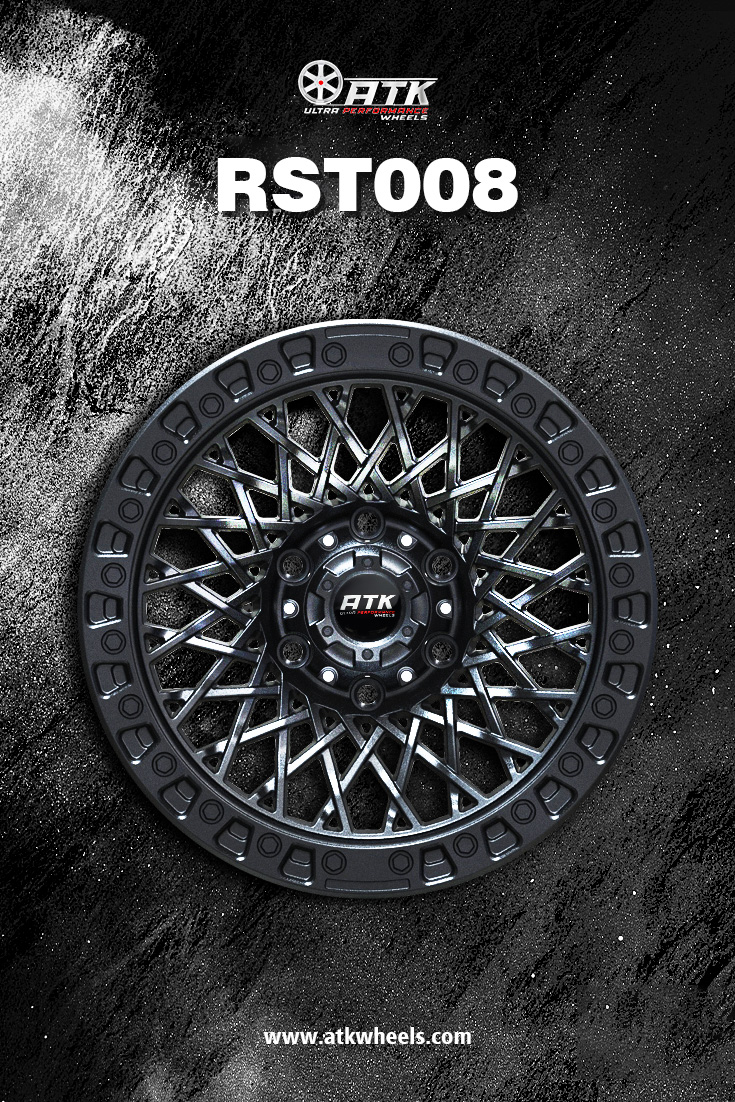
For premium options designed to match your vehicle’s original aesthetics and performance standards, explore the selection at ATK Wheels. Their team offers precisely engineered solutions built to keep your ride running smoothly and looking its best.