
Factory Replica Wheels: Quality, Fitment, Safety, and Buying Considerations
Factory Replica Wheels: Quality, Fitment, Safety, and Buying Considerations
Whether you are upgrading your car’s appearance, replacing a bent rim after hitting a deep pothole, or setting up a dedicated winter tire package, wheels play a critical role in your vehicle’s stance, handling, and overall safety. When browsing for replacements, you will quickly notice two main paths: paying high dealership prices for original equipment manufacturer (OEM) wheels, or opting for factory replica wheels.
Factory replica wheels have exploded in popularity among truck drivers, daily commuters, and car enthusiasts alike. However, confusing terminology and varying manufacturing standards leave many buyers asking essential questions: Are replica wheels safe? How do they differ from genuine OEM rims? How do you ensure precise fitment for your vehicle?
This detailed breakdown explores everything you need to know about factory replica wheels, helping you make a well-informed, cost-effective decision for your ride.
1.What Are Factory Replica Wheels?
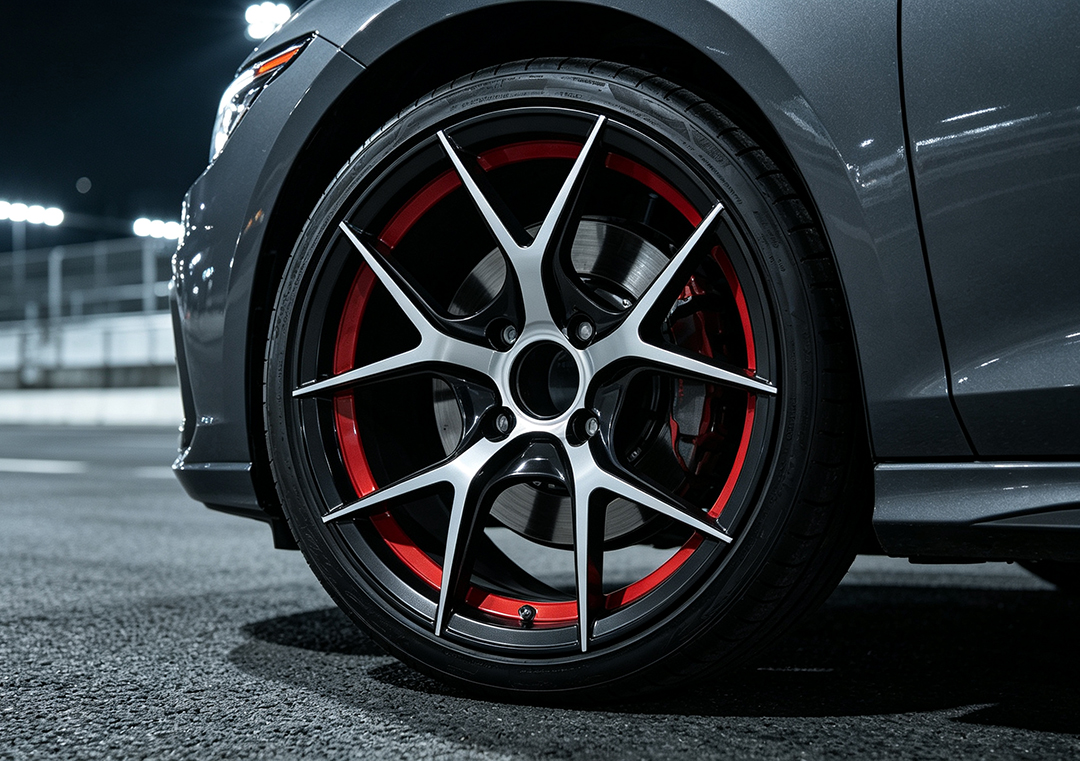
Factory replica wheels are aftermarket wheels explicitly designed and engineered to closely mirror the visual appearance, physical dimensions, bolt patterns, offsets, and finish of original OEM factory wheels.
Unlike custom aftermarket wheels—which feature unique, aggressive designs, complex multi-piece constructions, or radical color schemes—factory replica wheels exist to preserve the clean, stock appearance of a specific vehicle make and model. They allow drivers to maintain or restore the factory look of their vehicle without paying premium dealership markups.
Why Do Drivers Choose Factory Replica Wheels?
-
Exact Aesthetic Match: They look virtually indistinguishable from original factory designs when installed on the vehicle.
-
Cost Efficiency: They typically cost 30% to 60% less than buying brand-new original wheels directly from an authorized car dealership.
-
Direct-Fit Replacement: Replicas are engineered around factory specifications, meaning they generally accommodate standard factory tires, lug nuts, center caps, and tire pressure monitoring systems (TPMS).
-
Easy Upgrades: They make trim-level upgrades straightforward. For example, truck owners can easily upgrade from base 18-inch wheels to a factory-style 20-inch or 22-inch wheel design without altering the stock vehicle aesthetic.
2.Factory Replica Wheels vs. Genuine OEM Wheels
To make a smart purchasing decision, it helps to understand how factory replica wheels differ from original factory equipment. While both styles serve similar functional purposes, their production background, pricing structure, and distribution channels are distinct.
| Feature | OEM Wheels | Factory Replica Wheels |
|---|---|---|
| Primary Manufacturer | Car Automaker / Tier-1 Supplier | Independent Aftermarket Manufacturer |
| Visual Design | Original Factory Design | Replicated OEM Aesthetics |
| Fitment Specifications | Exact Vehicle Platform Spec | Engineered to Match OEM Specs |
| Average Price Range | High ($500 to $1,200+ per wheel) | Moderate ($150 to $350 per wheel) |
| Distribution | Franchised Dealerships / Used Parts | Direct Aftermarket Retailers |
| Common Construction | Cast, Flow-Formed, or Forged | Gravity or Low-Pressure Cast Alloy |
1. Source and Production
-
OEM Wheels: Produced directly for vehicle automakers by Tier-1 wheel manufacturers (such as Enkei, BBS, Ronal, or Borbet). They ship directly on new vehicles or sit in dealership spare-parts inventories.
-
Replica Wheels: Manufactured independently by specialized aftermarket wheel producers using modern scanning and casting techniques to duplicate original dimensions and designs.
2. Materials and Construction Methods
-
Cast Aluminum Alloy: The vast majority of both OEM and factory replica wheels utilize aluminum alloy casting. Low-pressure casting is the standard for quality wheels, offering a solid balance of structural density, strength, and affordable manufacturing costs.
-
Forged & Flow-Formed Options: High-end performance vehicles may come with factory forged wheels. While most replica wheels are cast alloy to maintain lower production costs, select premium aftermarket manufacturers offer flow-formed or forged factory replica options for lightweight performance applications.
3. Pricing and Distribution
-
OEM Pricing: Dealership supply chains carry heavy overhead, brand royalty fees, and corporate distribution costs, resulting in steep prices per wheel.
-
Replica Pricing: Direct distribution models and aftermarket efficiencies allow replica wheel suppliers to deliver identical visual styles at a fraction of the price.
3.Are Factory Replica Wheels Safe to Drive On?
Safety is the top concern for any driver replacing a vital component like wheels. Yes, high-quality factory replica wheels are entirely safe for everyday driving, towing, and highway use, provided they are produced by reputable manufacturers adhering to strict industry certifications.
However, because the aftermarket wheel industry includes a wide spectrum of vendors, product quality can vary. Understanding safety standards ensures you buy a durable set of wheels that performs reliably under real-world road conditions.
Essential Safety Certifications to Look For
When shopping for factory replica rims, verify that the products or testing facilities meet international automotive testing metrics:
-
SAE J2530 (Society of Automotive Engineers): The primary standard used in North America for aftermarket wheels. It subjects wheels to rigorous radial fatigue, cornering fatigue, and impact testing.
-
JWL / VIA (Japan Light Alloy Wheel / Vehicle Inspection Association): A global benchmark standard. JWL represents self-conducted quality standards, while VIA indicates independent lab testing verification.
-
TÜV Certification: The stringent German standard requiring comprehensive material analysis, structural testing, and manufacturing plant audits.
-
ISO 9001 Compliance: Ensures the manufacturing facility follows standardized quality control management processes.
Understanding Load Ratings
Every vehicle possesses a specific gross axle weight rating (GAWR). A safe factory replica wheel must meet or exceed the weight requirements of the target vehicle.
For light passenger sedans, load capacity requirements are modest. However, for full-size pickup trucks, SUVs, and heavy-duty towing rigs, choosing a replica wheel with an adequate wheel load rating (often 2,100 lbs to 3,500+ lbs per wheel depending on application) is essential to prevent structural fatigue or rim cracking under heavy payloads.
4.Critical Fitment Factors: How to Ensure a Perfect Fit
Installing new wheels should be a seamless process. To avoid fitment issues, vibration, or clearance problems with suspension components and brake calipers, pay close attention to key wheel dimensions before placing an order.
1. Bolt Pattern (PCD)
The Pitch Circle Diameter (PCD) defines the number of lug holes and the diameter of the imaginary circle they form.
-
Example: 5×114.3 means 5 lug holes on a 114.3 mm circle (common on many Japanese sedans and crossovers), while 6×139.7 (6×5.5″) is standard on many full-size trucks and SUVs.
-
Rule: The bolt pattern on your replica wheel must match your vehicle’s hub pattern exactly.
2. Center Bore and Hub-Centric Design
-
Hub-Centric Wheels: The center bore hole of the wheel matches the diameter of the vehicle’s wheel hub precisely. The vehicle hub carries the vehicle’s weight, ensuring perfect centering and smooth, vibration-free operation.
-
Lug-Centric Wheels: The center bore is intentionally oversized to fit multiple vehicle models, relying on the tapered lug nuts to center the wheel.
-
Best Practice: Quality factory replica wheels are designed to be hub-centric for specific vehicle platforms, eliminating the need for aftermarket hub-centric rings.
3. Wheel Offset and Backspacing
Offset (measured in millimeters) determines how deep inside the wheel well the mounting pad sits relative to the centerline of the rim:
-
Positive Offset (+): The mounting pad is closer to the front face of the wheel. Common on front-wheel drive and modern rear-wheel-drive vehicles.
-
Zero Offset: The mounting pad aligns directly with the wheel’s centerline.
-
Negative Offset (-): The mounting pad sits further back toward the brake assembly, pushing the wheel outwards for a wider stance.
Selecting factory replica wheels with the original OEM offset ensures your tires won’t rub against fender liners, struts, or steering linkages.
5.Common Uses for Factory Replica Wheels
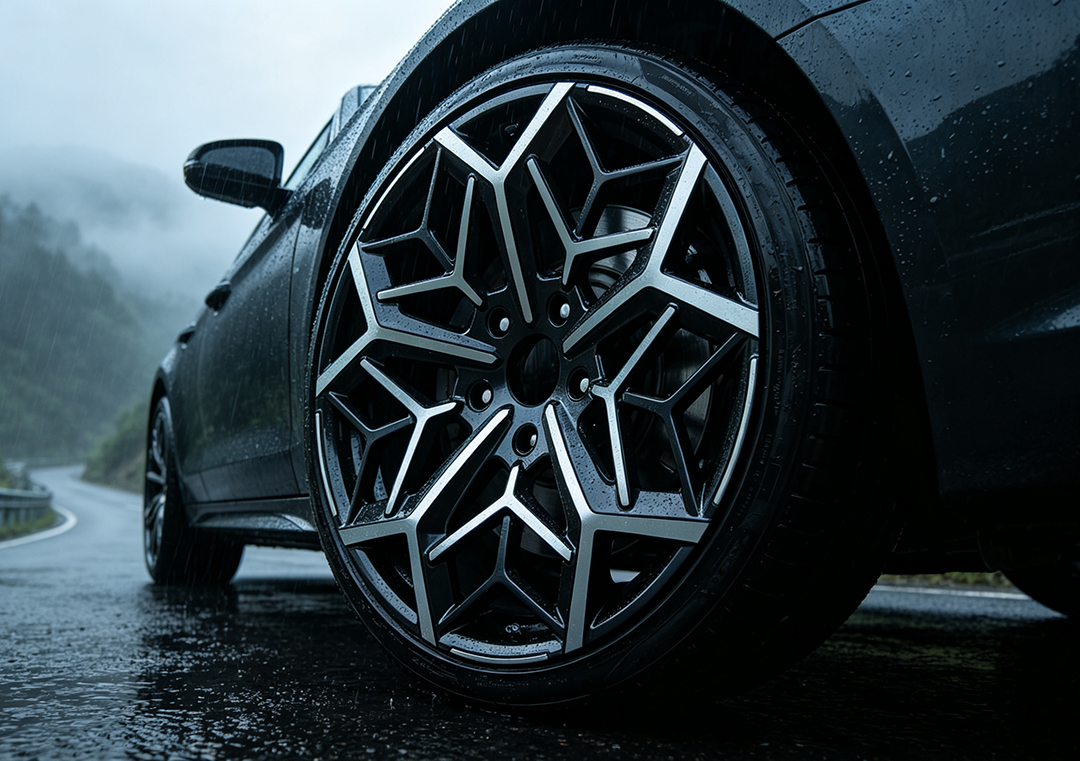
Vehicle owners purchase factory replica wheels for a wide range of practical and stylistic reasons. Below are the most frequent applications:
Replacing Damaged or Cracked OEM Wheels
Winter weather, hidden potholes, curb impacts, and debris can easily bend or crack cast aluminum wheels. Purchasing a single replacement OEM wheel from a dealer can be cost-prohibitive. A factory replica wheel offers an identical visual match to the remaining three wheels on your car at a comfortable price point.
Setting Up Winter Tire Packages
Swapping rubber on and off the same set of rims every season damages tire beads and incurs recurring shop mounting fees. Automotive experts recommend mounting dedicated winter tires on a second set of wheels. Factory replica wheels let drivers run an attractive, stock-style setup all winter long without exposing delicate chrome or polished original wheels to harsh road salt and brine.
Upgrading Trim Levels and Stance
Car manufacturers often reserve their best-looking wheel designs—such as dark-painted accents, machine-faced rims, or larger 20-inch and 22-inch sizes—for top-tier vehicle trim packages. Replica wheels allow owners of base or mid-tier trim models to install premium OEM-style wheels easily.
Restoring Lease Vehicles Before Return
Lease return inspections strictly assess body and wheel condition. Scratched, gouged, or severely curb-rashed OEM wheels can trigger heavy dealership penalties upon returning the car. Replacing damaged original wheels with clean factory replica units is a popular, cost-saving strategy prior to turn-in inspections.
6.How to Select High-Quality Factory Replica Wheels
Not all aftermarket replica wheels are created equal. Use this straightforward checklist when selecting a reputable supplier:
-
Verify Exact Wheel Specifications: Always confirm that the wheel width, diameter, bolt pattern, center bore, and offset match your vehicle’s requirements before buying.
-
Check Manufacturing Process Standards: Look for wheels made via low-pressure casting or flow-forming methods rather than basic gravity casting, as low-pressure casting yields higher metal density and superior fatigue strength.
-
Inquire About Finish Quality and Clear Coats: High-grade replicas feature multi-stage finishing processes, including corrosion-resistant clear coats designed to handle road debris, brake dust, and salt exposure.
-
Confirm Hardware and TPMS Compatibility: Ensure the wheel design accepts factory Tire Pressure Monitoring System sensors, standard wheel weights, and original lug hardware or factory center caps.
-
Review Warranty Coverage: Top suppliers stand behind their products with structural warranties (often lifetime) and finish warranties (typically 1 to 2 years against peeling or flaking).
7.Maintenance Tips: Keeping Replica Wheels Looking New
To maximize the lifespan and retain the mirror-like finish of your factory replica rims, follow these maintenance best practices:
-
Wash Regularly with Mild Soap: Clean wheels frequently using clean water and automotive-grade soap. Avoid harsh acid-based cleaners, heavy degreasers, or abrasive scouring pads that can strip clear coats.
-
Apply Protective Wheel Wax or Sealant: Treat fresh wheels with a dedicated wheel sealant or ceramic coating to create a non-stick layer against hot, caustic brake dust.
-
Avoid Automated Car Wash Brushes: Automated car washes with stiff mechanical bristles can leave micro-scratches on machined or painted wheel faces. Opt for touchless washes or hand washing whenever possible.
-
Torque Lug Nuts to Factory Specs: Always use a calibrated torque wrench when reinstalling wheels after tire rotations. Over-tightening lug nuts can distort the mounting pad, while under-tightening poses a severe safety risk.
Frequently Asked Questions(FAQ)
1.What are factory replica wheels?
Factory replica wheels are aftermarket rims specifically designed to replicate the original appearance, dimensions, bolt pattern, and offset of original factory equipment (OEM) wheels.
2.Are factory replica wheels the same as OEM wheels?
No. Factory replica wheels are produced by independent aftermarket manufacturers, whereas OEM wheels are sourced directly by the vehicle maker for initial car assembly and dealer distribution.
3.Are factory replica wheels safe for daily driving?
Yes, provided they are purchased from reputable manufacturers who build wheels to recognized safety standards, such as SAE J2530, JWL, or VIA, and adhere to appropriate load capacity limits.
4.Do factory replica wheels fit like original OEM wheels?
When accurately engineered, quality replica wheels feature identical hub-centric center bores, bolt patterns, and offsets, allowing them to mount seamlessly just like original factory equipment.
5.Will factory center caps fit on factory replica wheels?
Many high-quality replica wheels are designed to accept original vehicle emblem center caps. However, center cap bore dimensions can vary, so it is recommended to confirm cap compatibility with your supplier prior to installation.
Upgrade Your Vehicle with Confidence
Factory replica wheels offer a balance of original factory style, structural durability, precise vehicle fitment, and impressive value. Whether you are replacing a single damaged wheel, equipping your truck with a clean trim upgrade, or mounting a dedicated winter tire set, high-quality replica wheels deliver the appearance and performance you expect without dealership price tags.
Looking to restore your vehicle’s factory stance with quality replacement wheels? Explore our comprehensive selection of precision-engineered, direct-fit wheels at ATK Wheels today. Our team is ready to help you find the perfect fitment for your vehicle!

