
Alloy Wheel: What Drivers Should Know Before Buying
Alloy Wheel: What Drivers Should Know Before Buying
When upgrading your vehicle, few modifications transform its overall aesthetic presence, dynamic performance, and mechanical responsiveness quite like a fresh set of high-quality alloy wheels. Whether you are looking to shave off valuable unsprung weight for sharper, more precise handling or simply want to elevate your car, truck, or SUV’s exterior design, understanding the intricate engineering behind these components is essential for every automotive enthusiast, weekend track driver, and everyday commuter alike.
Modern automotive engineering relies heavily on advanced metallurgy, computer-aided design (CAD), and finite element analysis (FEA) to balance structural strength, weight reduction, and rigorous safety standards. In this comprehensive technical breakdown, we will thoroughly explore what an alloy wheel is, how they compare to traditional steel rims, the historical evolution of lightweight rims in motorsports and street culture, the various manufacturing processes utilized in modern production, precise sizing and fitment metrics, and professional maintenance practices to keep your investment pristine for years to come.
1. What Is an Alloy Wheel?
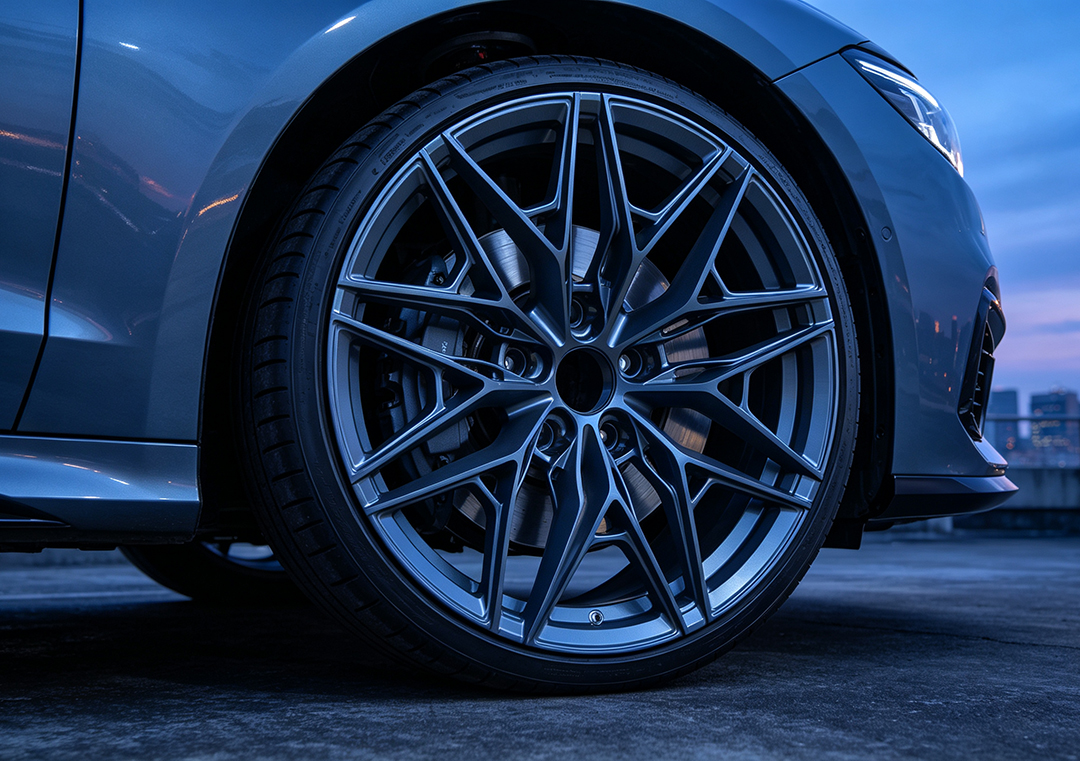
An alloy wheel is a vehicle rim manufactured primarily from an aluminum alloy, combining raw aluminum with other elemental metals such as silicon, magnesium, nickel, copper, or titanium to achieve optimal structural strength, reduced weight, and long-term durability. Unlike traditional stamped steel rims, which are purely utilitarian, heavy, and simplistic in their construction, alloy variants are meticulously engineered to meet stringent performance demands and modern automotive styling trends.
By blending metals, manufacturers can significantly optimize the mechanical properties of the rim. Aluminum keeps the overall mass exceptionally low, while secondary reinforcing elements protect the structural integrity against intense impact shocks, severe thermal stress, and corrosive environmental elements. This advanced composition ensures that modern rims can handle the rigorous demands of high-speed highway driving, heavy braking loads, and uneven road surfaces without compromising structural safety. Furthermore, aluminum alloys possess high thermal conductivity, which plays an active role in keeping brake temperatures under control during aggressive driving maneuvers.
2. The Evolution of Alloy Wheels in Automotive Culture
The history of lightweight rims dates back to early motorsports and post-war racing culture, where pioneering engineers recognized that minimizing rotational mass provided a distinct competitive advantage on both track and rally stages. In the early decades of automotive mass production, steel wheels dominated the market due to their low production cost, ease of stamping, and rugged durability under harsh industrial conditions. However, as sports cars and high-performance sedans gained immense popularity in the mid-20th century, the demand for lighter, better-looking alternatives surged rapidly.
Pioneering manufacturers began experimenting with magnesium alloys for racing applications, often colloquially referred to as “mag wheels.” While extremely light, early magnesium rims suffered from severe oxidation vulnerabilities, structural brittleness, and prohibitively high production costs. This paved the way for aluminum alloy alternatives, which successfully struck the perfect balance between corrosion resistance, manufacturing feasibility, and substantial weight savings. Today, alloy rims are standard equipment on almost all new vehicles, ranging from compact city hatchbacks and electric vehicles to heavy-duty performance SUVs and exotic supercars.
3. How Are Alloy Wheels Manufactured?
The overall performance, retail price tier, load capacity, and structural strength of an alloy wheel largely depend on the specific production method employed by the manufacturer. There are three primary manufacturing processes utilized in the modern automotive aftermarket and original equipment manufacturing (OEM) sectors:
Gravity Casting
In this traditional and highly cost-effective method, molten aluminum is poured directly into a steel or sand mold utilizing the natural force of gravity. While it allows for intricate spoke designs and complex aesthetic geometries, the cooling process produces a denser, heavier molecular structure with lower overall tensile strength compared to advanced manufacturing methods. Gravity-cast rims are commonly found on budget-friendly passenger vehicles and base-model trims.
Flow-Forming (Spin Forging / Low-Pressure Casting)
This advanced hybrid process starts with a low-pressure cast rim base and spins it at extremely high speeds while applying intense hydraulic pressure and heat to stretch and compress the aluminum barrel. This molecular realignment significantly increases tensile strength, enhances impact resistance, and reduces barrel thickness, offering an ideal balance between lightweight racing performance and everyday manufacturing affordability. Flow-formed wheels bridge the gap between heavy cast wheels and expensive forged options.
Forging
Starting from a solid block or cylindrical slug of aerospace-grade forged aluminum (such as 6061-T6), extreme industrial hydraulic presses shape the metal under thousands of pounds of pressure. Forged wheels are remarkably strong, incredibly lightweight, and highly resistant to structural impact, making them the ultimate choice for professional track racing, heavy-duty off-road trucks, and ultra-luxury performance vehicles.
4. Alloy Wheels vs. Steel Wheels: A Comprehensive Comparison
One of the most common dilemmas car owners face when customizing or replacing their rims is choosing between standard steel options and upgraded alloy alternatives. The detailed comparison table below outlines how they stack up across essential performance, economic, and practical metrics:
| Feature | Alloy Wheels | Steel Wheels |
|---|---|---|
| Weight & Rotational Mass | Lightweight construction; significantly reduces unsprung mass and improves suspension reaction | Heavy, dense construction; increases unsprung mass and degrades ride quality |
| Aesthetics & Styling | Wide variety of custom finishes, intricate spoke patterns, machine-cut faces, and luxury appearances | Plain, utilitarian look; usually concealed behind inexpensive plastic hubcaps |
| Thermal Conductivity | Excellent heat transfer properties; helps dissipate friction brake heat quickly during heavy stops | Poor thermal conductivity; traps heat around the braking assembly and rotors |
| Durability & Repairability | Prone to cracking, scratching, or scraping on curbs; structurally harder and costlier to repair | Bendable upon severe impact; absorbs shock well and can be easily hammered back into round shape |
| Initial Investment | Higher upfront cost due to advanced metallurgy, CNC machining, and complex design processes | Highly budget-friendly and economical for commercial fleets or harsh winter utility |
5. The Core Benefits of Alloy Wheels
Investing in a quality set of alloy wheels delivers several tangible, real-world upgrades to your everyday driving experience:
-
Enhanced Handling and Responsiveness: Because alloy options are generally much lighter than comparable steel wheels, they successfully reduce unsprung weight. This allows your vehicle’s suspension system to react significantly faster to road imperfections, resulting in sharper steering feedback, better cornering grip, and improved overall traction.
-
Superior Thermal Dissipation: Metals like aluminum conduct heat much faster and more efficiently than steel. This crucial property helps draw thermal energy away from your brake rotors and brake pads during heavy downhill driving or aggressive track sessions, drastically reducing brake fade.
-
Excellent Corrosion Resistance: Traditional steel wheels are highly susceptible to iron oxidation (rust) whenever their protective paint chips off and exposes the metal to moisture and road salt. Aluminum alloy variants resist traditional iron oxidation completely, maintaining their structural soundness over decades of exposure.
-
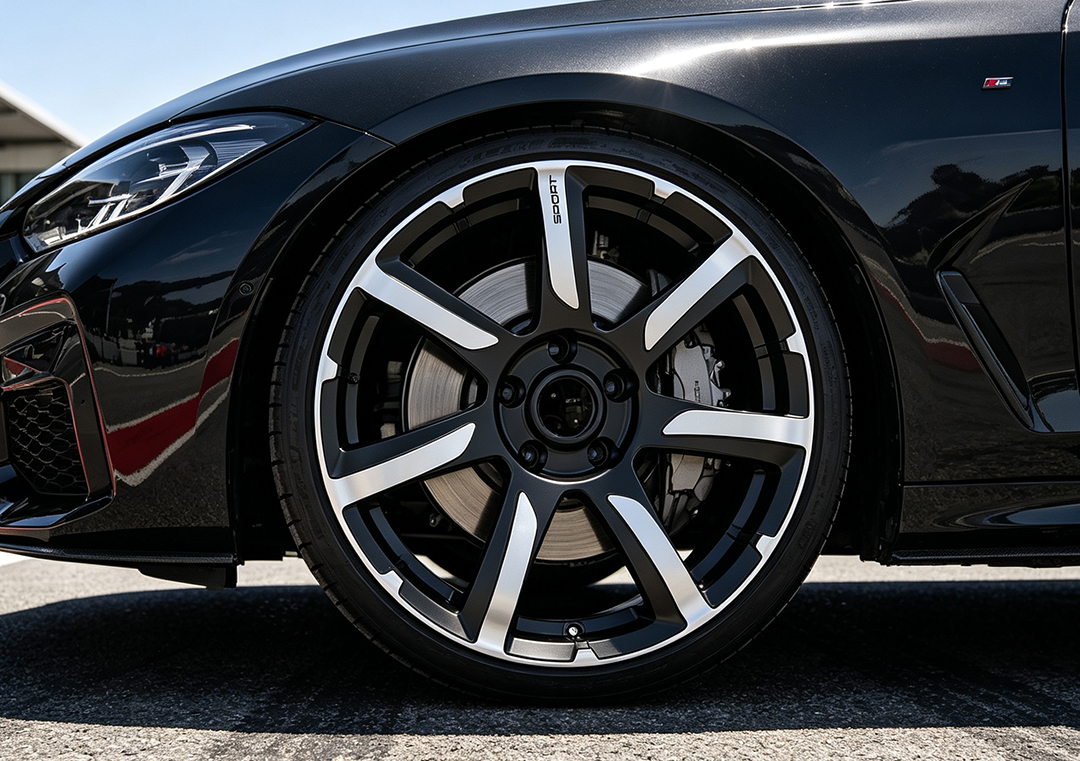
Endless Aesthetic Customization: From sleek gloss black and machined face accents to rich bronze, gunmetal, and hyper-silver finishes, they allow complete exterior personalization to match your vehicle’s paintwork and personal style.
6. How to Choose the Right Alloy Wheels for Your Car
Selecting the correct alloy wheel requires careful attention to detail beyond simply picking a style you like. You must ensure absolute precision and compatibility with your vehicle’s mechanical specifications. Always verify the following five parameters before making your purchase:
-
Wheel Diameter and Width: Must match your tire sizing requirements to ensure proper speedometer calibration, correct gear ratios, and adequate fender clearance.
-
PCD (Pitch Circle Diameter): The precise bolt pattern measurement (such as 5×114.3 or 5×120), which determines whether the wheel bolt holes align perfectly with your vehicle’s factory wheel hub studs.
-
Offset (ET): The measured distance from the wheel’s true centerline to its interior mounting surface, ensuring the wheel does not rub against inner suspension struts or outer body fenders.
-
Center Bore (CB): The exact diameter of the central hole in the wheel that centers the rim securely onto your vehicle hub. Precision hub-centric rings are necessary if the center bore is larger than your factory hub.
-
Load Rating: Confirms that the wheel structure is certified to safely support the maximum Gross Vehicle Weight Rating (GVWR) of your specific passenger car, truck, or performance SUV.
7. Professional Maintenance Practices
To protect your financial investment and keep your rims looking showroom-new, establish a consistent, professional upkeep routine:
-
Regular Weekly Cleaning: Wash your wheels every week using a dedicated, pH-balanced wheel cleaner to prevent corrosive brake dust accumulation from pitting the clear coat surface.
-
Avoid Harsh Chemical Agents: Stay away from highly acidic commercial cleaners or harsh household detergents that can permanently strip protective clear coats and ruin custom painted finishes.
-
Routine Structural Inspection: Periodically check the inner and outer barrel lips for structural bends, curb rash, or hairline fractures, especially after accidentally driving over severe potholes or construction debris.
-
Apply Protective Ceramic Sealants: Use a professional-grade wheel wax or ceramic hydrophobic coating to create a protective barrier against corrosive winter road salt, iron fallout, and stubborn grime.
Frequently Asked Questions(FAQ)
1.What is an alloy wheel?
An alloy wheel is a vehicle rim made primarily from aluminum alloy, combining aluminum with other elements to achieve suitable strength, weight, and durability.
2.What are the benefits of alloy wheels?
Alloy wheels are generally lighter than comparable steel wheels, offer good heat dissipation, resist traditional iron rust, and provide a wide range of designs and finishes.
3.Are alloy wheels better than steel wheels?
Alloy wheels are often preferred for their styling and potential weight advantages, while steel wheels are generally more affordable and can be more practical for heavy-duty applications. The better choice depends on the vehicle and driving needs.
4.How do you choose the right alloy wheels for your car?
Check the wheel diameter, width, PCD, offset (ET), center bore (CB), and load rating. Ensure all specifications are compatible with your vehicle before purchasing.
5.How do you maintain alloy wheels?
Clean alloy wheels regularly with a suitable wheel cleaner, remove brake dust and road salt, avoid harsh chemicals, and inspect for cracks, bends, or other damage.
Video Insights & Demonstrations
To better understand how different manufacturing techniques impact wheel strength, weight reduction, and real-world performance, explore the detailed video overview below:
Ready to Upgrade Your Ride?
Transform your vehicle’s handling dynamics and visual stance today. Explore premium engineering collections and find the perfect fit for your driving style at ATK Wheels.

