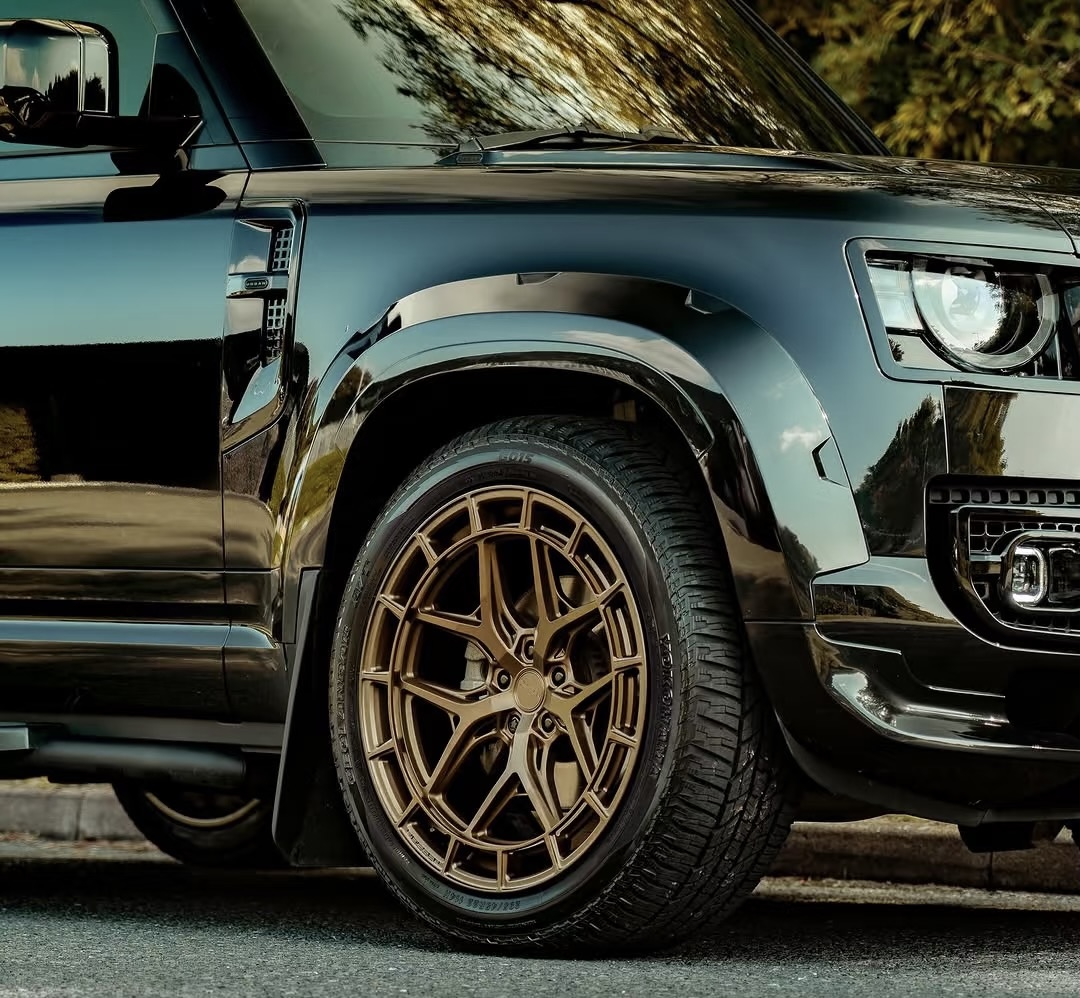
DUB Wheels: Everything You Need to Know About Style, Fitment, and Performance
DUB Wheels: Everything You Need to Know About Style, Fitment, and Performance
Quick Summary (Direct Overview / Featured Snippet Candidate):
Dub wheels are heavy-duty, large-diameter custom aftermarket wheels engineered primarily for full-size SUVs, trucks, and luxury sedans. They typically range from 20 inches up to 30 inches in diameter. Constructed in both cost-effective 1-piece cast and high-strength 6061-T6 forged aluminum lines, these wheels deliver a bold visual statement. Choosing the correct bolt pattern, offset, and tire aspect ratio is vital for maintaining acceptable daily driving characteristics and preventing chassis rub.
In the aftermarket automotive scene, large-diameter wheel setups have always represented the ultimate statement of luxury, presence, and personal style. Custom wheel setups measuring 20 inches or larger are universally referred to across American automotive culture as dub wheels. Whether fitted on a full-size SUV cruising city streets, an aggressive diesel truck built for show, or a sleek executive sedan, these oversized rim options transform the entire visual profile of a vehicle.
Selecting custom wheels involves much more than picking a stylish multispoke design. Understanding structural engineering, metal fabrication types, hub clearances, and overall rolling diameters guarantees that an upgraded vehicle remains safe, functional, and enjoyable to drive every single day. This breakdown covers structural differences, size choices, clearance requirements, and driving impacts to help vehicle owners make informed decisions.
1.Understanding Construction: 1-Piece Cast vs. Custom Forged Custom Setups
When selecting aftermarket wheels, structural integrity is the single most critical factor. Large wheels must support heavy vehicle curb weights while withstanding impact forces from potholes, expansion joints, and uneven pavement. Modern custom wheel manufacturing falls into two primary structural categories: 1-piece cast manufacturing and custom forged production.
1-Piece Cast Wheels
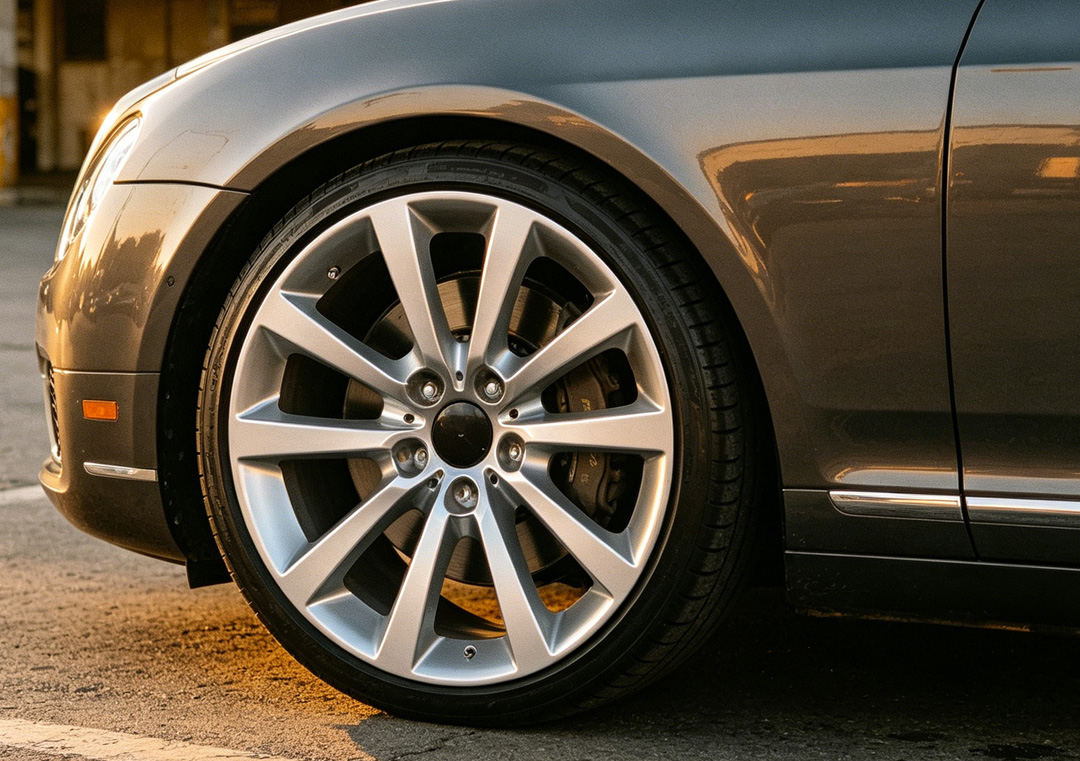
Cast options are built by pouring molten aluminum alloy into a high-precision mold. Once cooled, the raw wheel is CNC-machined and finished with durable clear coats, powder coatings, or chrome plating. Cast options offer several key benefits:
-
Cost Effectiveness: Perfect for enthusiasts seeking dramatic aesthetic upgrades without heavy custom manufacturing expenses.
-
Dependable Structural Strength: Ideal for daily driving on paved highways and city thoroughfares.
-
Wide Variety of Finishes: Available in gloss black, brushed metallic, dark tint, and traditional high-luster chrome.
Forged Aluminum Series
For extreme custom builds, heavy-duty lifted trucks, or high-output platforms, forged construction offers unmatched structural performance. Created by compressing aerospace-grade 6061-T6 aluminum blocks under intense hydraulic pressure, forged metal exhibits dense, continuous grain structures.
-
Superior Strength-to-Weight Ratio: Significantly lighter than cast equivalents while offering double the tensile strength.
-
Customization Options: Precision-machined to exact vehicle bolt patterns, custom offsets, width requests, and personalized color combinations.
-
Reduced Unsprung Mass: Lighter wheel weights improve suspension cycling responsiveness and reduce strain on hub assemblies.
2.Comprehensive Comparison: Cast vs. Forged Assemblies
The following comparison table breaks down structural characteristics, ideal vehicle pairings, and performance metrics across different wheel construction options:
| Technical Aspect | 1-Piece Cast Custom Wheels | Custom Forged Aluminum Series |
|---|---|---|
| Manufacturing Process | Molten aluminum alloy poured into molds; CNC finished | Solid 6061-T6 aluminum block compressed under high pressure |
| Structural Density | Standard grain structure; adequate for daily road use | Ultra-dense grain alignment; extreme structural resistance |
| Weight Profile | Heavier mass due to thicker metal requirements | Noticeably lighter profile for equivalent physical sizes |
| Available Size Range | 20", 22", 24", and select 26" configurations | 22", 24", 26", 28", up to 30" custom fitments |
| Vehicle Fitment Target | Daily driven SUVs, mid-size trucks, luxury sedans | High-performance trucks, custom show builds, armored platforms |
| Investment Level | Moderate / Entry-to-mid level pricing | Premium custom investment tier |
3.Popular Sizes and Standard Fitment Specifications
Large aftermarket wheels are built in distinct size brackets tailored to specific chassis capabilities. Choosing the right wheel diameter requires balancing aesthetics against practical ride considerations.
20-Inch to 22-Inch Diameter Ranges
The 20″ and 22″ size brackets offer the ideal balance between enhanced stance and standard daily usability. Modern full-size platforms (such as the Chevrolet Tahoe, GMC Yukon, Cadillac Escalade, and Ram 1500) frequently come factory-equipped with 20-inch or 22-inch options. Choosing aftermarket wheels in these dimensions allows drivers to retain substantial tire sidewall heights, preserving soft dampening characteristics over rough pavement.
24-Inch Wheel Configurations
24 inch options represent the sweet spot for visual impact on full-size trucks and large SUVs. They fill wheel wells completely while providing an undeniable custom presence on the road. Widths typically span from 8.5 inches up to 10.0 inches, matching common bolt patterns such as 6×139.7 (6×5.5), 5×127, and 6×135.
26-Inch to 30-Inch Oversized Setups
Designed strictly for show-stopping custom vehicles, 26″, 28″, and 30″ diameter wheels command immediate attention. These massive setups require ultra-low-profile tires and precise fitment checks. Installing extreme diameter setups often involves adjusted suspension components or modified fender inner linings to prevent rubbing during full steering wheel lock.
4.Vehicle Compatibility and Physical Clearance Considerations
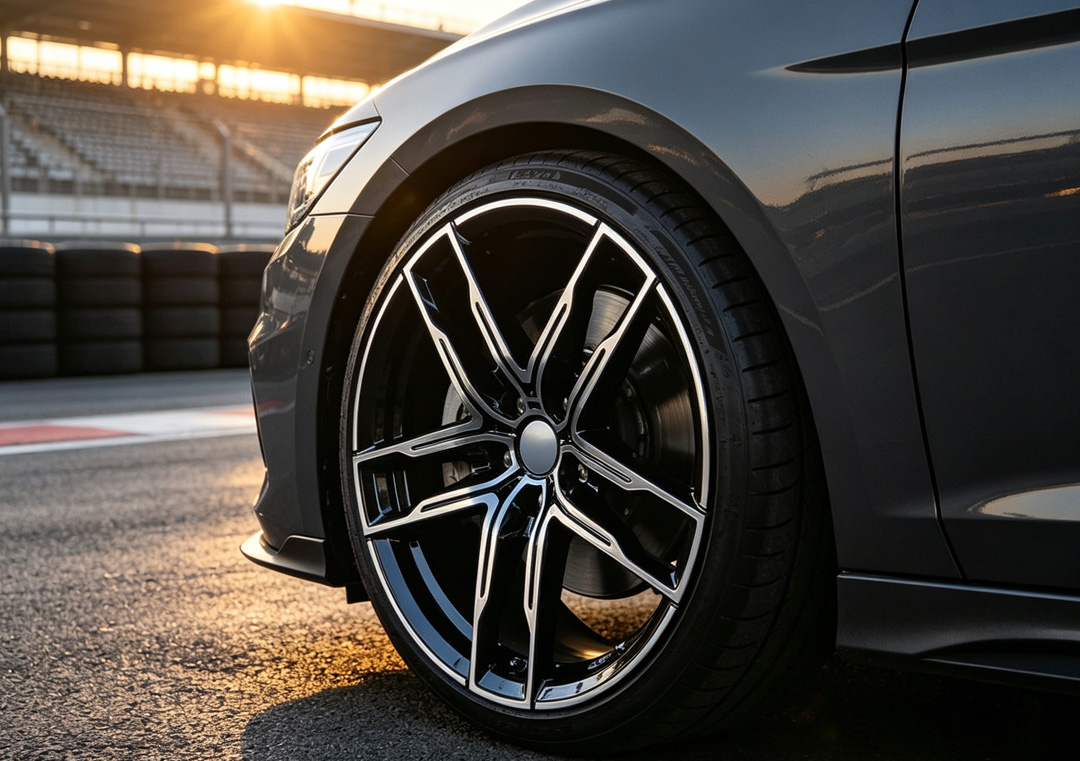
Large aftermarket wheels do not offer universal vehicle fitment. Vehicle architecture, hub assemblies, brake caliper dimensions, and wheel well clearances strictly dictate what wheel size can safely mount onto a specific chassis.
Ideal Vehicle Platforms
The structural geometry of full-size American vehicles makes them prime candidates for large wheel upgrades:
-
Full-Size Luxury SUVs: Cadillac Escalade, Lincoln Navigator, GMC Yukon XL, Infiniti QX80.
-
Full-Size Pickups: Ford F-150, Chevrolet Silverado 1500, Ram 1500, GMC Sierra.
-
Full-Size Muscle Sedans: Dodge Charger, Chrysler 300, Dodge Challenger.
Clearance and Suspension Factors
Attempting to install 24-inch or larger wheel setups on unsuited compact vehicles or un-modified unibody frames can lead to mechanical binding. Before committing to a specific wheel setup, evaluate these structural factors:
-
Wheel Offset and Backspacing: Proper offset ensures the inside lip of the rim clears front suspension struts while keeping the outer lip contained within body lines.
-
Brake Caliper Clearance: Large multi-piston luxury brake calipers require sufficient spoke clearance to avoid physical contact.
-
Tire Overall Diameter Maintenance: Keeping total rolling circumference close to factory dimensions prevents speedometer miscalculations and transmission shift point disruption.
5.Performance Dynamics and Daily Driving Characteristics
Upgrading to large custom wheels alters a vehicle’s mechanical dynamics. Knowing how rotational mass and tire sidewall changes affect daily operation guarantees a seamless driving experience.
Cornering Stability vs. Dampening Comfort
Increasing wheel diameter requires using lower-profile tires to maintain overall wheel-and-tire height. Thinner tire sidewalls flex significantly less under cornering loads, resulting in sharper steering wheel response and reduced body roll during high-speed highway lane changes. However, reduced sidewall cushioning transfers more road vibration and bump impacts into the cabin over harsh surfaces.
Unsprung Weight and Braking Considerations
Larger alloy wheels add rotational unsprung mass to each corner of the suspension setup. Increased unsprung weight means suspension dampers work harder to control wheel movement over bumps. Drivers may notice subtle changes in initial acceleration effort and require slightly firm pedal pressure during high-speed braking stops. Upgrading to high-friction ceramic brake pads or slotted rotor systems complements oversized wheel fitments perfectly.
Frequently Asked Questions(FAQ)
Q1: Are custom large wheels suitable for daily driving?
Answer: Yes, large wheels are completely suitable for daily driving when correctly sized for your specific vehicle platform. Choosing moderate sizes like 22-inch options with adequate tire sidewall height helps maintain factory comfort while delivering exceptional street style.
Q2: What specific sizes are available in large aftermarket lines?
Answer: Aftermarket lines specialize in oversized fitments ranging from 20 inches up to 30 inches in overall diameter. The most popular sizes for trucks and full-size SUVs are 22-inch, 24-inch, and 26-inch configurations with widths spanning 8.5 to 10.5 inches.
Q3: Are large aftermarket wheels cast or forged?
Answer: Both manufacturing styles are widely available. 1-piece cast setups offer cost-effective durability for daily highway driving, while custom forged 6061-T6 aluminum series provide ultra-high structural strength, lighter total weight, and fully tailored offset options.
Q4: Do oversized wheels fit on any truck or sedan without modification?
Answer: No. Oversized wheel fitment requires dedicated clearance inside the wheel well. While full-size SUVs and trucks accommodate 22-inch and 24-inch options easily, extreme setups like 26″ to 30″ may require leveling kits, modified inner fender liners, or custom suspension clearance.
Q5: How does increasing wheel size impact overall vehicle performance?
Answer: Increasing rim diameter improves cornering response and gives a bold highway stance. Because thinner tires are used to keep rolling diameter equal, ride comfort feels firmer. The added rotational mass can also slightly adjust braking feel and acceleration dynamics.
Call to Action (CTA)
Ready to Transform Your Vehicle’s Stance?
Explore an extensive inventory of high-performance cast and custom forged wheel assemblies tailored specifically to your vehicle’s make, model, and offset requirements.