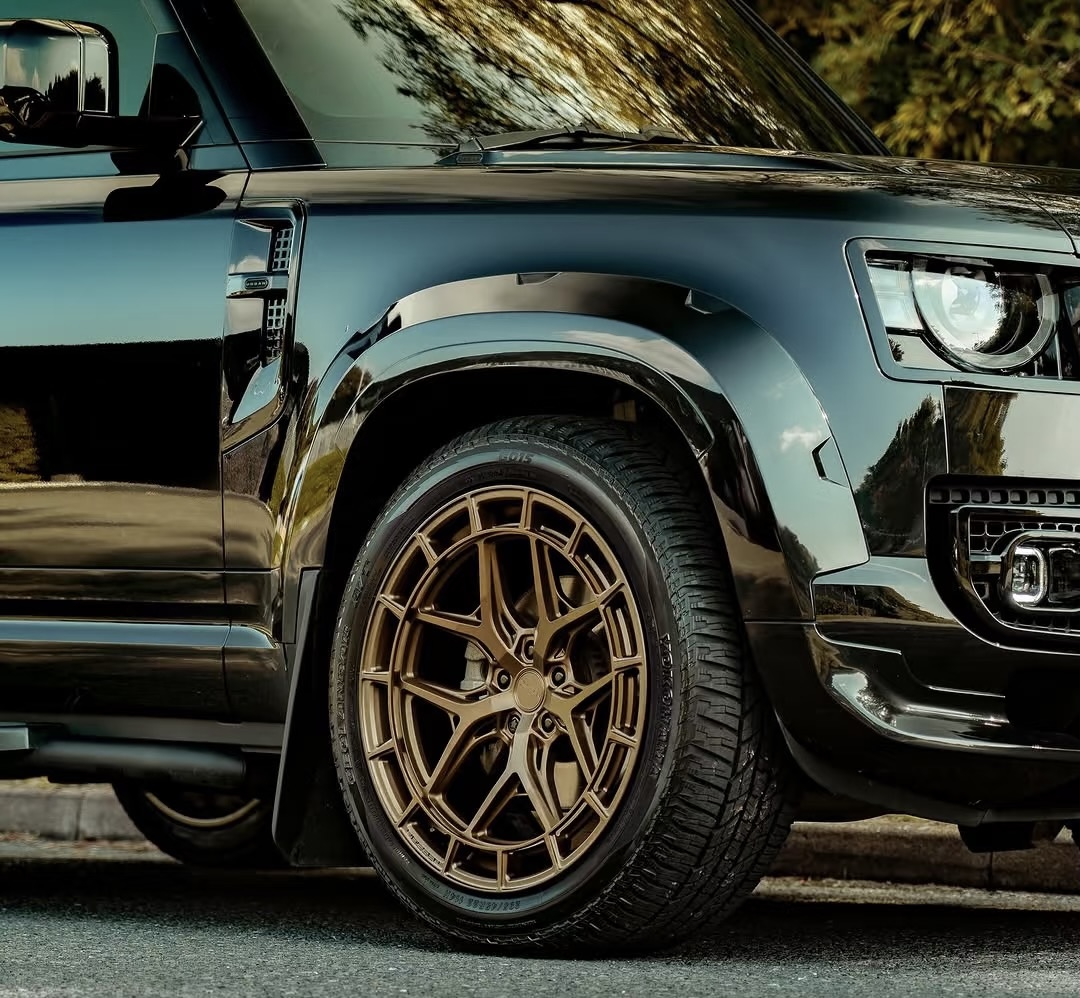
Custom Wheels and Rims: The Ultimate Upgrade for Style, Performance, and Personalization
Custom Wheels and Rims: The Ultimate Upgrade for Style, Performance, and Personalization
When it comes to personalizing your vehicle, nothing makes a bolder statement or delivers a more immediate performance impact than a new set of custom wheels and rims. Whether you drive a rugged off-road truck, a sleek luxury sedan, or a high-performance sports car, upgrading your factory setup is the single best way to stand out on the road.
However, choosing the right aftermarket wheels involves much more than just finding a design that catches your eye. It requires a solid understanding of structural engineering, vehicle dynamics, materials, and proper fitment.
This comprehensive resource breaks down everything you need to know about aftermarket wheel upgrades, helping you make an informed investment that elevates both the style and performance of your vehicle.
1.Understanding the Basics: Wheel vs. Rim
Before diving into materials and fitment specifications, it is important to clarify a common point of confusion in the automotive world. Many drivers use the terms “wheel” and “rim” interchangeably, but technically, they are not the same thing.
What is the difference between custom wheels and custom rims?
Although the terms are often used interchangeably, a rim is the outer edge of a wheel that holds the tire in place, while a wheel is the entire rotating unit, which includes the rim, the center hub, and the spokes. In the aftermarket industry, “custom rims” usually refers to complete custom wheels.
-
The Rim: This is the outer circular design of the wheel structure where the tire tread is mounted. It seals the air inside tubeless tires and provides structural support to the tire’s bead.
-
The Wheel: This is the complete assembly consisting of the rim, the spokes (which connect the rim to the center), and the hub (the central portion that bolts onto the vehicle’s axle).
When you shop for custom wheels and rims online or at a specialty shop like ATK Wheels, you are purchasing complete, fully assembled wheels ready to be paired with your tires.
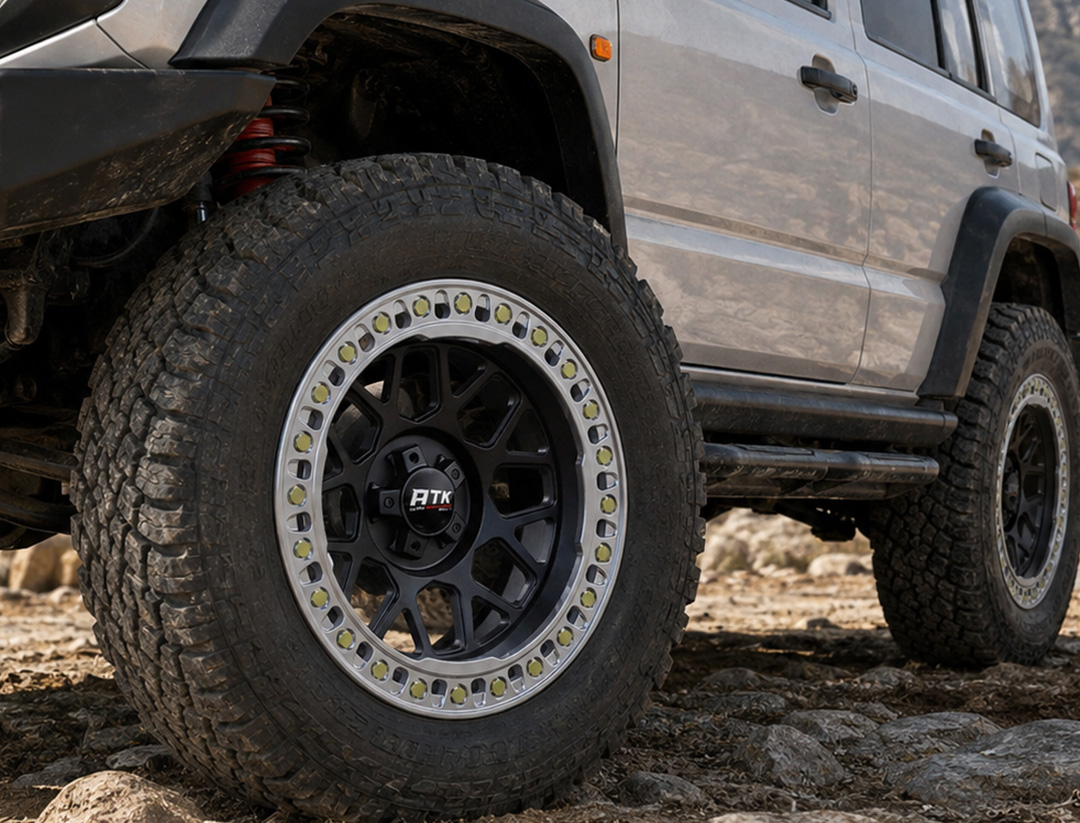
2.Are Custom Wheels and Rims Worth the Investment?
Upgrading from factory-installed wheels to aftermarket options is highly popular, but is it worth the financial investment? For the vast majority of automotive enthusiasts and everyday drivers alike, the answer is a resounding yes.
Here are the primary reasons why upgrading is highly beneficial:
-
Unmatched Aesthetic Appeal: Factory wheels are designed to appeal to the mass market, which often means they look conservative and plain. Custom options allow you to personalize your vehicle’s stance, color, and spoke design to match your unique personality.
-
Enhanced Vehicle Handling: High-quality aftermarket wheels are often wider than stock wheels. This allows you to mount wider tires, which increases the vehicle’s contact patch with the road, improving cornering grip and overall stability.
-
Reduced Unsprung Weight: High-end manufacturing methods, such as forging, produce wheels that are significantly lighter than standard OEM cast wheels. Reducing unsprung mass (weight not supported by the suspension) allows your suspension to react faster to road imperfections, resulting in a smoother, more controlled ride.
-
Better Braking and Acceleration: Lighter wheels require less rotational energy to spin up to speed and stop. This translates directly to crisper throttle response and shorter stopping distances.
3.Choosing the Right Manufacturing Method: Forged vs. Cast vs. Flow Formed
The way a wheel is manufactured directly impacts its strength, weight, durability, and cost. When browsing custom wheels and rims, you will encounter three primary manufacturing processes.
1. Cast Wheels (Gravity and Low-Pressure Casting)
Casting is the most common and cost-effective manufacturing method. Molten aluminum is poured or injected into a mold shaped like the wheel.
-
Gravity Casting: The simplest method, relying on gravity to fill the mold. It is affordable but can result in a more porous, heavier structure.
-
Low-Pressure Casting: Uses pressurized gas to push the molten metal into the mold faster, reducing porosity and creating a denser, stronger wheel than gravity casting.
2. Flow Formed Wheels (Rotary Forged)
Flow forming is a hybrid process. It begins with a low-pressure cast preform that is placed on a specialized machine that spins it while hydraulic rollers apply high pressure to stretch and compress the aluminum along the barrel. This process alters the molecular structure of the metal, making the wheel significantly stronger and lighter than a standard cast wheel, approaching the performance of a forged wheel at a fraction of the price.
3. Forged Wheels
Forging is the pinnacle of wheel manufacturing. A solid billet of aerospace-grade aluminum is subjected to intense heat and immense pressure (often thousands of tons) to crush the metal into the wheel shape. This aligns the grain structure of the metal perfectly, resulting in an incredibly dense, exceptionally strong, and ultra-lightweight wheel. Forged wheels are highly sought after for track racing, luxury vehicles, and heavy-duty off-road applications.
Quick Comparison: Wheel Manufacturing Technologies
| Feature | Cast Wheels | Flow Formed Wheels | Forged Wheels |
|---|---|---|---|
| Manufacturing Process | Molten metal poured into a mold | Cast center with rolled/stretched barrel | Solid aluminum compressed under extreme pressure |
| Strength-to-Weight Ratio | Moderate | High | Extremely High |
| Weight | Heavier | Lightweight | Ultra-Lightweight |
| Impact Resistance | Standard | Great | Exceptional |
| Price Point | Budget-Friendly | Mid-Range | Premium |
| Best Used For | Daily driving, winter setups, cosmetic upgrades | Performance street driving, track days | Racing, high-performance luxury, heavy-duty off-road |
4.Critical Fitment Specifications You Must Know
Choosing a stunning design is only half the battle; you must ensure that your new custom wheels and rims actually fit your vehicle safely. Installing incorrectly sized wheels can lead to tire rubbing against the fenders, suspension damage, and compromised handling.
Before placing an order, consult with experts or reference your vehicle’s user manual for these critical dimensions:
-
Bolt Pattern (PCD): This refers to the number of bolt holes on the wheel and the diameter of the circle they form (e.g., 5×114.3 or 5×120). The pattern must match your vehicle’s hub perfectly; otherwise, the wheel cannot be mounted.
-
Wheel Diameter and Width: Measured in inches (e.g., $18 \times 8.5$), these dimensions determine the tire sizes you can run. Changing the diameter alters the tire sidewall profile, which affects ride comfort.
-
Wheel Offset: Offset (measured in millimeters) is the distance from the wheel’s hub mounting surface to its true centerline.
-
Positive Offset pushes the mounting surface toward the front of the wheel, pulling the wheel further inside the fender.
-
Negative Offset pushes the mounting surface toward the back, pushing the wheel outward for a wide, aggressive stance (common on lifted trucks).
-
-
Backspacing: Closely related to offset, backspacing is the distance from the mounting surface to the inner edge of the wheel. Correct backspacing prevents the wheel and tire from hitting suspension components.
-
Center Bore: This is the hole in the center of the wheel that fits over the vehicle’s hub. Ideally, you want a hub-centric fitment where the wheel’s center bore matches your vehicle’s hub diameter exactly, transferring the vehicle’s weight directly to the hub rather than relying solely on the lug nuts. If the wheel bore is larger, you will need hub-centric rings to prevent high-speed vibrations.
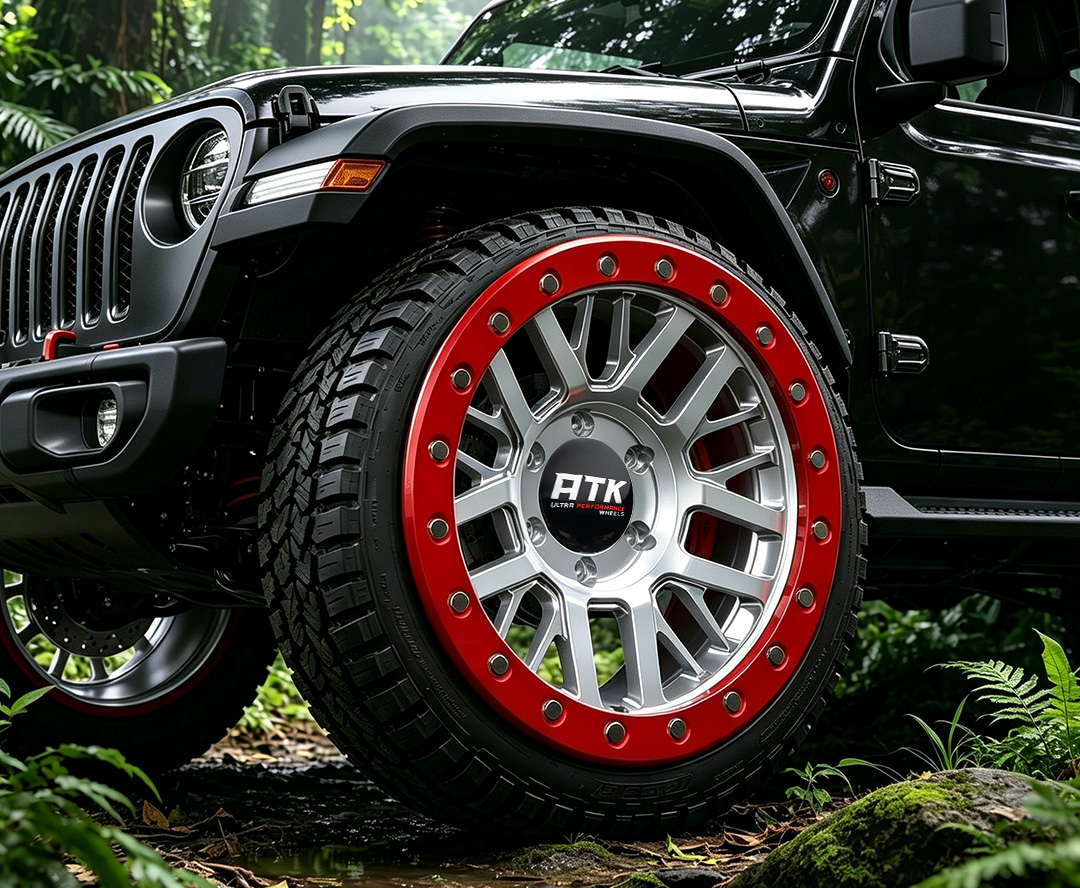
5.Do Custom Wheels Affect Vehicle Performance?
Yes, they absolutely do. Every change you make to your wheel and tire setup alters how your vehicle interacts with the road.
Positive Performance Impacts
-
Sharper Steering Response: Upgrading to a larger wheel diameter with a lower-profile tire reduces tire sidewall flex. When you turn the steering wheel, the vehicle responds instantly.
-
Increased Lateral Grip: Wider wheels accommodate wider tires, providing more rubber on the road to handle high-speed cornering and prevent sliding.
-
Improved Heat Dissipation: High-quality aluminum alloy wheels, especially those with open spoke designs, allow air to flow more freely over your brake components, reducing brake fade during aggressive driving.
Potential Drawbacks to Avoid
-
Reduced Ride Comfort: If you upgrade to overly large wheels (for example, jumping from 17-inch to 21-inch wheels), you must use tires with very thin sidewalls. This leaves less rubber to absorb bumps, potholes, and road vibrations, resulting in a stiffer, harsher ride.
-
Decreased Fuel Efficiency: Choosing heavy, oversized cast wheels increases rotational mass. Your engine must work harder to turn the wheels, which can decrease your miles per gallon (MPG) or electric vehicle range.
To maximize the benefits while minimizing drawbacks, it is highly recommended to stick to a “Plus 1” or “Plus 2” sizing strategy, where you only increase the wheel diameter by one or two inches over stock while maintaining the overall rolling diameter of the tire.
6.Caring for Your Custom Wheels and Rims
Once you have invested in a premium set of custom wheels, proper maintenance is essential to preserve their finish and prevent structural damage over time. Street grime, brake dust, and road salt can quickly dull and corrode aluminum and clear coat finishes.
Use these best practices to keep your wheels looking brand new:
-
Avoid Drive-Through Car Washes: The stiff, automated plastic brushes used in many automatic car washes can easily scratch polished, painted, or clear-coated wheels. Always hand wash your wheels.
-
Use Dedicated, Acid-Free Cleaners: Avoid harsh household detergents or acid-based cleaners, which can strip away protective clear coats or discolor bare polished aluminum. Use a pH-balanced wheel cleaner and soft microfiber mitts.
-
Clean When Cool: Never spray cold water or cleaning chemicals onto wheels that are hot from driving. Sudden temperature changes can warp brake rotors, and heat can cause cleaning solutions to dry instantly, leaving permanent water spots or chemical stains.
-
Apply a Protective Coating: After thoroughly washing and drying your wheels, apply a high-quality wheel wax or ceramic coating. This creates a hydrophobic barrier that repels water, road grime, and highly corrosive brake dust, making future cleanings much easier.
Frequently Asked Questions
1. What is the difference between custom wheels and custom rims?
Although the terms are often used interchangeably, a rim is the outer edge of a wheel that holds the tire in place, while a wheel is the entire rotating unit, which includes the rim, the center hub, and the spokes. In the aftermarket industry, “custom rims” usually refers to complete custom wheels.
2. Are custom wheels worth it?
Yes. Custom wheels can improve a vehicle’s appearance, handling, weight reduction, and overall driving performance when properly selected for the vehicle and driving conditions.
3. How do I choose the right custom wheels and rims?
Choose wheels based on bolt pattern, diameter, width, offset, load rating, and intended use. Ensuring compatibility with your vehicle is essential for safety and performance.
4. Do custom wheels affect vehicle performance?
Yes. Lightweight custom wheels can improve acceleration, braking, and handling by reducing unsprung weight, while oversized or heavy wheels may reduce ride comfort and fuel efficiency.
5. What are the best materials for custom wheels and rims?
Forged aluminum offers the best combination of strength and low weight, while cast aluminum provides a more affordable option. Steel wheels are durable but heavier, making them better suited for utility applications.
Find Your Perfect Setup Today
Ready to transform your vehicle’s performance and aesthetic appeal? Choosing the right set of wheels is a seamless experience when you work with industry experts who understand the nuances of fitment and engineering.
Explore a premium selection of beautifully crafted, high-performance options at ATK Wheels. Whether you are looking for ultra-lightweight flow-formed wheels for the track or rugged designs engineered to tackle off-road trails, we have the perfect fitment for your vehicle. Reach out to our expert team today for personalized assistance in finding your dream setup!