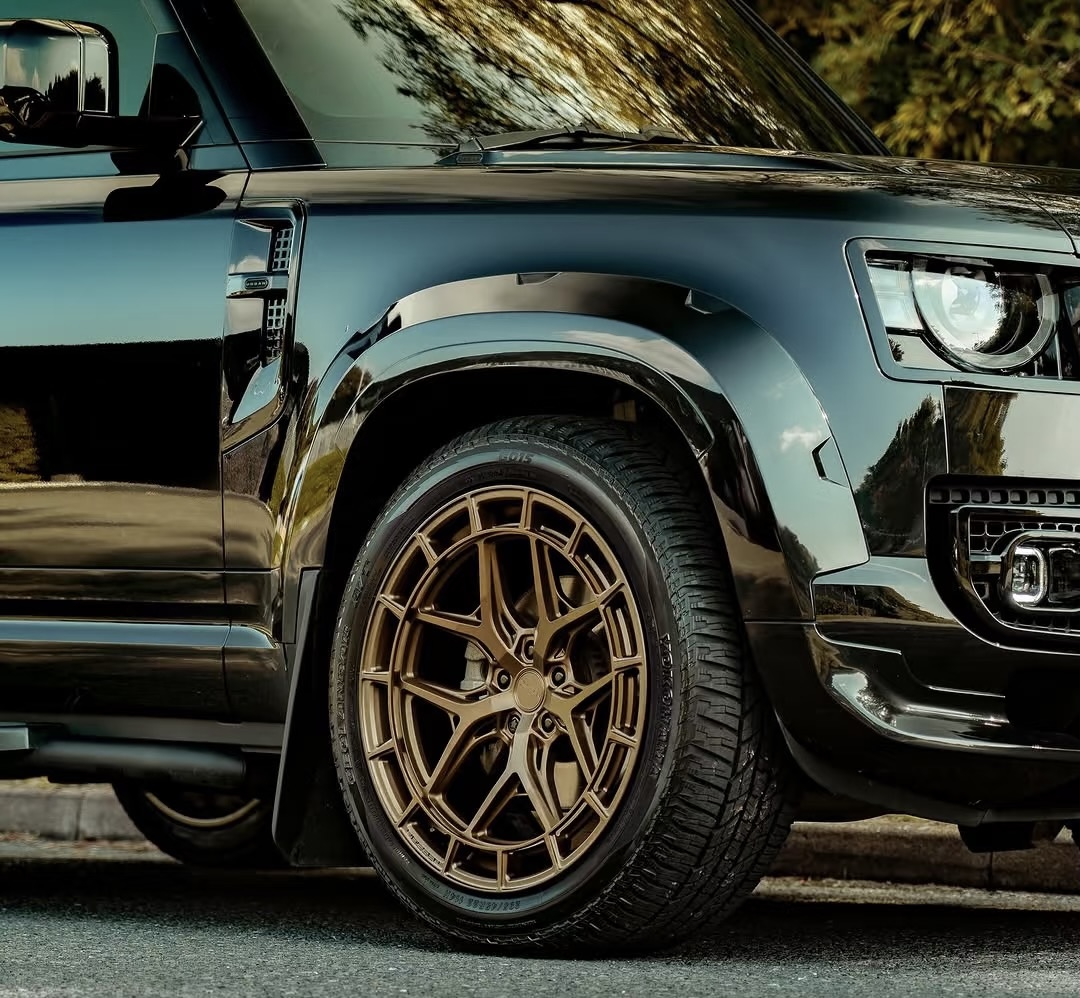
Custom Wheel Suppliers: Creating Wheels That Match Performance, Style, and Precision
Custom Wheel Suppliers: Creating Wheels That Match Performance, Style, and Precision
1.What to Look for in Premium Custom Wheel Suppliers
Not all custom wheel suppliers operate on the same level. The gap between a mediocre factory and a tier-one manufacturing partner lies in their engineering capabilities, quality control protocols, and material selection.
When evaluating potential suppliers, the best manufacturers always stand out in three specific areas:
-
Advanced Engineering and Structural Analysis: Top-tier suppliers don’t just cut metal; they utilize Finite Element Analysis (FEA) to simulate stress, loads, and impacts before a single wheel is produced. This ensures the design is both lightweight and structurally sound.
-
Aeronautical-Grade Materials: High-quality custom wheels rely on premium raw materials. Look for suppliers using genuine 6061-T6 aluminum for forged wheels and A356.2 aluminum for cast options.
-
Stringent Certification Standards: Reliable manufacturers subject their products to rigorous independent testing. Ensure your supplier complies with global safety standards such as JWL (Japan Light Wheel Alloy), VIA (Vehicle Inspection Association of Japan), and TÜV (Germany).
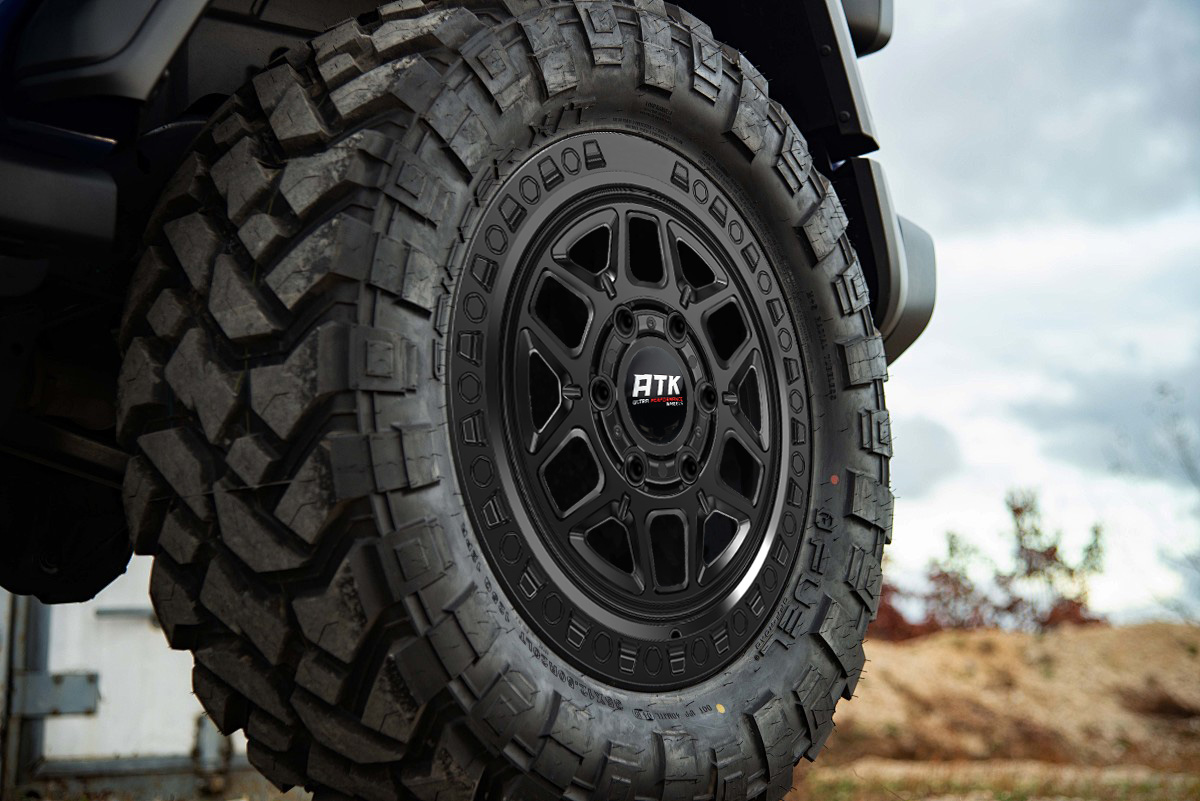
2.Manufacturing Methods: Forged vs. Cast Wheels
One of the first decisions you must make when negotiating with custom wheel suppliers is choosing the right manufacturing technology for your target market. The choice between forged and cast wheels dictates your price point, performance tier, and production timeline.
Forged Wheels: The Pinnacle of Performance
Forged wheels represent the absolute highest standard in the automotive industry. They are created by taking a solid billet of 6061-T6 aluminum and subjecting it to extreme heat and immense hydraulic pressure (often up to 10,000 tons). This intense process alters the molecular grain structure of the metal, aligning it with the shape of the wheel.
Because the metal becomes incredibly dense, less material is required to achieve the desired structural strength. The result is a wheel that is exceptionally light, remarkably strong, and highly resistant to cracks or bends under heavy track or street abuse.
Cast Wheels: Cost-Effective and Scale-Ready
Cast wheels are manufactured by melting aluminum and pouring or vacuum-sucking it into a pre-made mold. Once the metal cools, it is machined to its final specifications.
While cast wheels are heavier and have a more porous internal structure than forged options, they are highly cost-effective. For everyday commuter vehicles, high-volume retail distribution, or budget-conscious builds, casting remains the go-to method for mainstream custom wheel suppliers.
Flow-Formed Wheels: The Middle Ground
Often called rotary forged or flow-forged, this hybrid method starts with a specialized low-pressure cast pre-form. The barrel is then spun and heated while hydraulic rollers apply pressure to stretch and compress the aluminum. This gives the barrel properties similar to a forged wheel at a price point closer to a traditional cast wheel.
3.Monoblock vs. Multi-Piece Structural Options
When dealing with high-end custom wheel suppliers, you will frequently encounter choices regarding the structural configuration of the wheel. The two primary categories are monoblock (one-piece) and multi-piece (two-piece or three-piece) constructions.
+-------------------------------------------------------------+
|                     Monoblock (1-Piece)                     |
|  [ Entire wheel is machined from a single forged billet ]   |
+-------------------------------------------------------------+

+-------------------------------------------------------------+
|                     2-Piece Construction                    |
|  [ Separate Center Face ] <---> [ Welded/Bolted Barrel ]    |
+-------------------------------------------------------------+

+-------------------------------------------------------------+
|                     3-Piece Construction                    |
|  [ Outer Lip ] <---> [ Separate Center Face ] <---> [ Inner Barrel ]
+-------------------------------------------------------------+
Monoblock Wheels
Monoblock wheels are machined entirely out of a single piece of aluminum. This configuration provides the absolute highest structural stiffness and the lowest overall weight. It is the preferred choice for modern sports cars, track racing setups, and clean, minimalist aesthetics. Because there are no bolts or seams, maintenance is simple, and there is zero risk of air leaks over time.
Multi-Piece Wheels
Multi-piece wheels split the architecture into separate components.
-
Two-Piece: Typically features a separate forged center face welded or bolted into a pre-made barrel.
-
Three-Piece: Consists of an inner barrel, an outer lip, and a center face, all held together by high-tensile perimeter hardware and sealed with a silicone bead.
Multi-piece configurations are highly prized by custom wheel suppliers because they allow for unparalleled customization. You can mix and match widths, offset depths, and finishes between the lip and the face. Furthermore, if a driver curbs a wheel, you only need to replace the damaged outer lip rather than scrapping the entire unit.
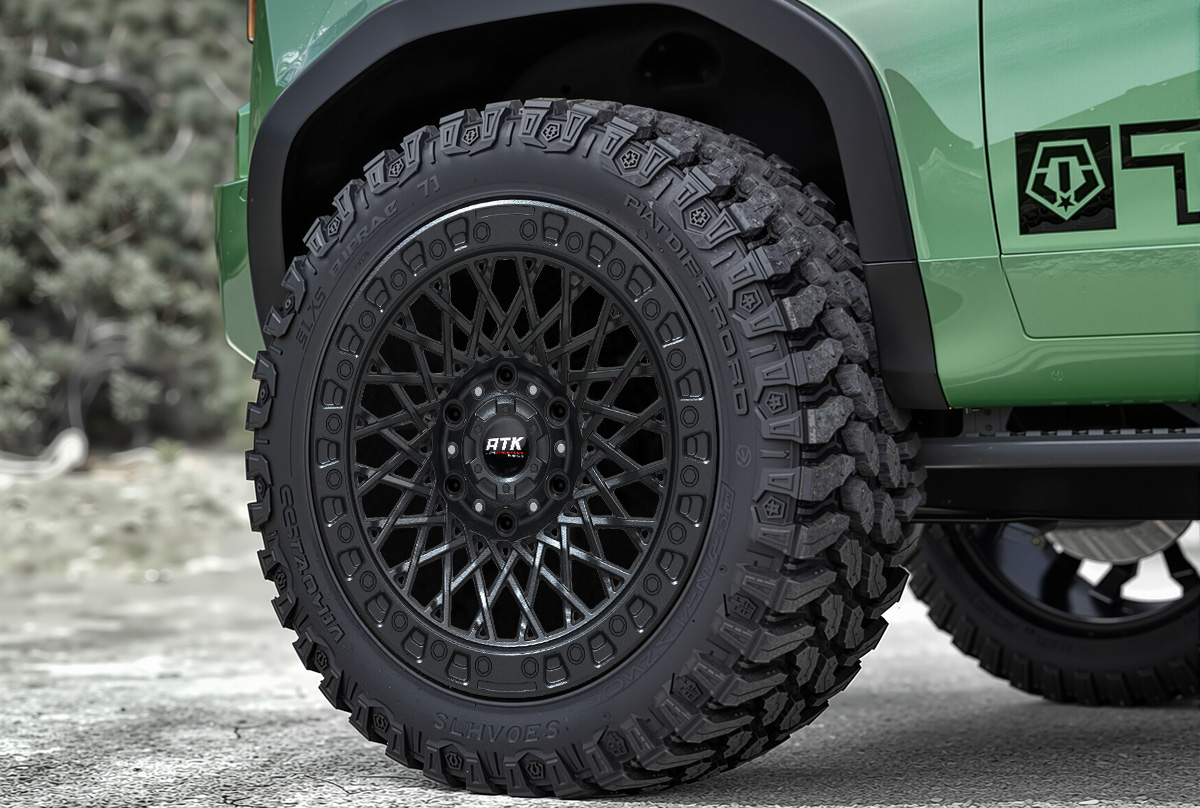
4.Technical Specifications Comparison
To help you decide which production style aligns with your business goals or vehicle builds, see this direct comparison of the primary options provided by custom wheel suppliers:
| Feature | Forged Monoblock | Forged Multi-Piece | Flow-Formed | Cast |
|---|---|---|---|---|
| Material Strength | Extremely High | High to Extremely High | Medium-High | Standard |
| Weight | Lightest | Medium-Light | Light | Heaviest |
| Design Flexibility | High (CNC Machined) | Ultimate (Mix & Match) | Moderate | Moderate (Limited by Molds) |
| Average Cost | Premium | Very High | Moderate | Low / Budget-Friendly |
| Best Used For | Track, Supercars, Luxury | Stance, Exotic, Show Cars | Daily Performance, Fleets | Volume Wholesale, Retail |
5.How Custom Wheel Suppliers Guarantee Precise Vehicle Fitment
There is nothing worse than ordering a custom set of wheels only to discover they rub against the brake calipers or stick out past the fenders. Top-tier custom wheel suppliers eliminate this risk by employing meticulous engineering verification pipelines.
       [ OEM Database Lookup: Make / Model / Year ]
                            │
                            ▼
     [ Verify Critical Metrics: PCD, CB, Offset, Load ]
                            │
                            ▼
   [ 3D Brake Clearance Scan & Finite Element Analysis ]
                            │
                            ▼
     [ Precision CNC Machining & Final Quality Check ]
1. Verification of the Four Critical Fitment Metrics
Before any metal is cut or molded, engineers verify four non-negotiable dimensions based on the exact year, make, and model of the target vehicle:
-
Bolt Pattern (PCD): The Pitch Circle Diameter and the number of lug holes (e.g., $5 \times 112$ or $5 \times 120$). This must match the vehicle’s hub perfectly.
-
Offset (ET): Measured in millimeters, this determines how deep the wheel sits inside the fender well or how far it pushes outward. Getting this wrong leads to suspension interference or fender rubbing.
-
Center Bore (CB): The diameter of the central hole that sits on the car’s hub. True premium suppliers build hubcentric wheels that match this number perfectly down to $0.1\text{ mm}$, eliminating high-speed vibrations without needing hub rings.
-
Brake Clearance: Modern performance cars feature massive multi-piston calipers. Suppliers utilize 3D laser scans of factory brake packages to ensure the back of the wheel spokes clear the calipers safely.
2. Tailored Load Ratings
A wheel designed for a lightweight sports car will quickly fail if mounted on a heavy electric vehicle (EV) or a heavy-duty pickup truck. Dedicated custom wheel suppliers calculate the specific Gross Axle Weight Rating (GAWR) of your vehicle to engineer a wheel that easily manages the load, ensuring long-term safety and durability.
6.Navigating MOQs, Lead Times, and Logistical Workflows
When developing a commercial relationship with custom wheel suppliers, understanding the operational logistics is just as vital as understanding the engineering. Production timelines and minimum financial commitments vary significantly based on your order type.
Minimum Order Quantities (MOQs)
For ultra-premium, built-to-order forged wheels, the standard MOQ is usually 1 set (4 pieces) customized to a specific vehicle’s dimensions. This allows individual enthusiasts or boutique tuning shops to access bespoke manufacturing.
Conversely, if you are looking to source cast or flow-formed wheels under a private label brand, commercial suppliers typically require bulk volume commitments. This often looks like a minimum of 100 to 200 pieces per design/mold to offset the steep initial costs of creating the physical casting molds.
Production and Shipping Lead Times
Timelines are heavily dependent on whether the product is sitting on a warehouse shelf or being built from scratch:
-
In-Stock Inventory: Standard, pre-machined wheels generally ship within 1 to 3 business days from domestic distribution hubs.
-
Bespoke Forged Wheels: Custom built-to-order configurations require a production lead time of 3 to 6 weeks. This window accounts for customized engineering blueprints, CNC machining time, hand-finishing or powder coating, and final multi-point quality inspections.
International ocean freight can add an additional 4 to 6 weeks to bulk shipments, whereas air freight can expedite urgent orders within a matter of days.
Frequently Asked Questions(FAQ)
1.What is the primary difference between forged and cast wheels?
Forged wheels are engineered by compressing solid aluminum under immense hydraulic pressure, resulting in a significantly denser, lighter, and stronger structural composition that is optimized for high-performance settings. Cast wheels are produced by pouring molten aluminum directly into a mold, providing a rapid, highly repeatable, and incredibly cost-effective manufacturing strategy for standard everyday use.
2.How do custom wheel suppliers confirm a perfect, vibration-free fitment?
Premium suppliers utilize comprehensive, up-to-date OEM vehicle databases alongside 3D digital layouts to cross-verify all critical dimensions—including Bolt Pattern (PCD), Offset (ET), Center Bore (CB), and brake caliper clearance profiles. This upfront engineering allows for precise CNC machining that guarantees a seamless, direct hubcentric fitment right out of the box.
3.What are the typical MOQs required by custom wheel manufacturers?
For bespoke, high-end forged wheels tailored to explicit vehicle specifications, the minimum order quantity is typically just 1 set of 4 wheels. For wholesale distribution, private label programs, or traditional cast and flow-formed styles, commercial suppliers generally require bulk volume commitments or seasonal stocking programs to cover manufacturing setup costs.
4.How long does it take for custom wheel suppliers to fulfill and ship an order?
Standard in-stock inventory items typically ship within 1 to 3 business days. However, custom built-to-order forged setups generally require an intensive production lead time of 3 to 6 weeks, depending entirely on the structural complexity of the design, the complexity of the custom finish, and the necessary engineering validation steps.
5.Why should I choose a monoblock wheel over a multi-piece wheel?
Monoblock wheels are machined out of a single forged block, delivering the lightest total weight and the highest level of structural rigidity, which makes them ideal for track days and performance driving. Multi-piece designs combine separate faces, lips, and barrels, offering unparalleled flexibility in wheel width, lip depth variations, and independent component repairability.
Elevate Your Ride with the Ultimate Manufacturing Partner
Selecting the perfect set of wheels requires a partner who understands that precision engineering, premium materials, and flawless aesthetic execution are non-negotiable. Whether you are expanding a commercial product lineup or tailoring an elite fitment for a personal project, working with an experienced manufacturer makes all the difference.
Ready to transform your automotive vision into reality? Explore high-precision custom manufacturing options, browse a massive library of elite styles, and connect with a dedicated fitment expert today at ATK Wheels to secure your next premium build.