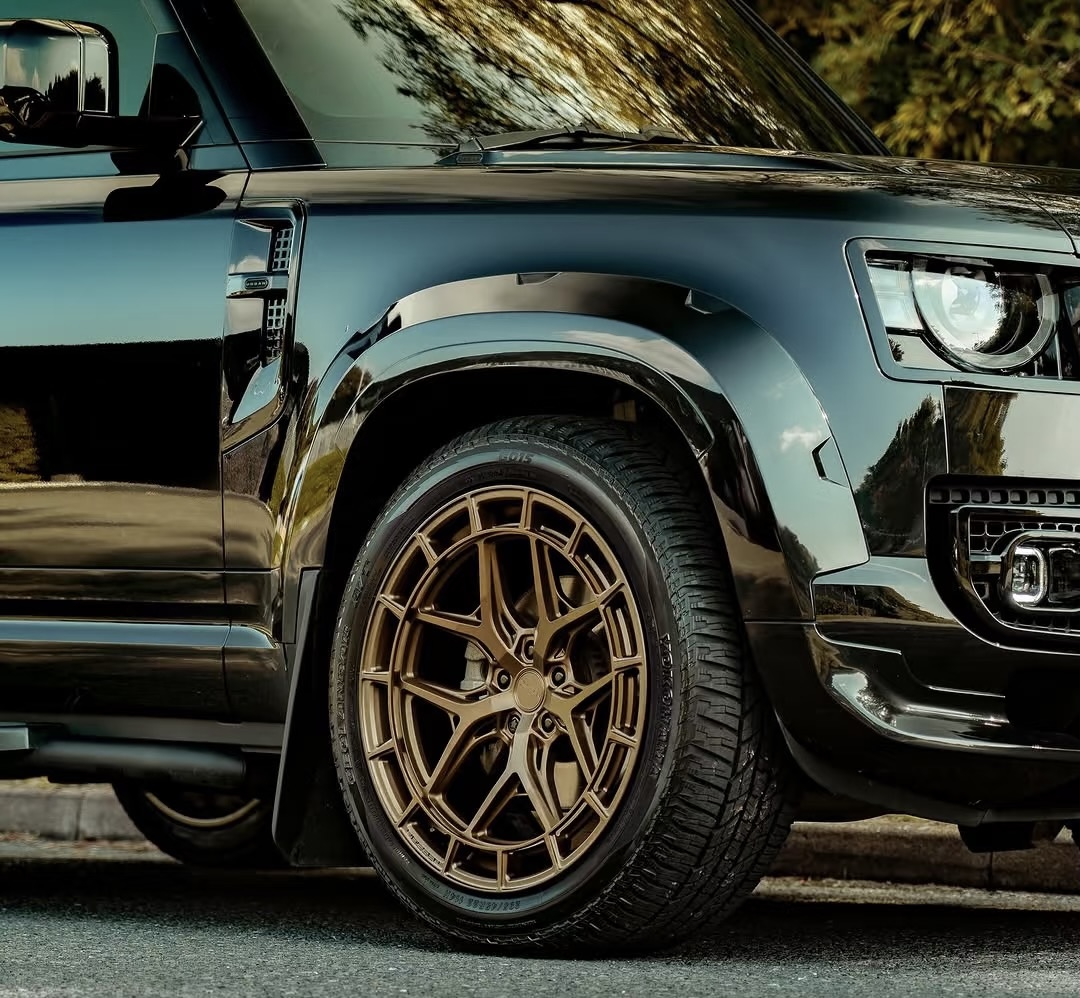
Custom Rims: The Ultimate Guide to Personalized Wheels
Custom Rims: The Ultimate Guide to Personalized Wheels
For automotive enthusiasts, a vehicle is far more than a tool to get from point A to point B. It is an extension of personality, a canvas for self-expression, and a machine whose performance can always be elevated. When it comes to making a statement on the road, nothing transforms a vehicle’s stance, aesthetics, and driving dynamics quite like a set of custom rims.
Whether you are looking to give your sports car an aggressive track-ready look, give your luxury sedan a sophisticated edge, or outfit your off-road rig with heavy-duty durability, navigating the world of custom wheels can feel overwhelming. With endless styles, manufacturing methods, and complex fitment metrics to consider, making the wrong choice can ruin your ride quality—or worse, compromise safety.
This comprehensive guide breaks down everything you need to know about custom rims. From the structural engineering differences that impact your drive to cost breakdowns and long-term maintenance, we will help you make an informed investment that elevates your vehicle perfectly.
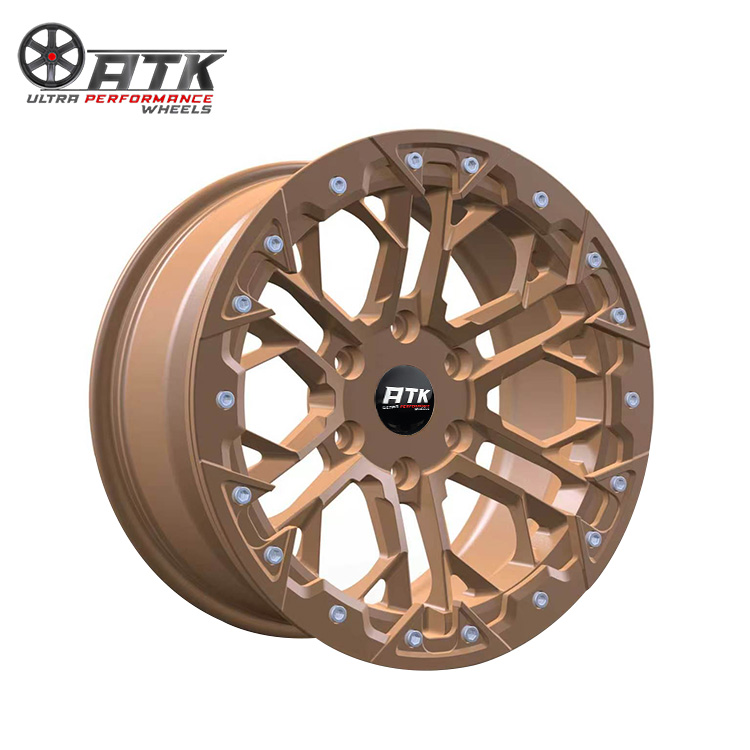
1. Why Upgrade to Custom Rims? More Than Just Looks
When most drivers think of custom wheels, the immediate benefit that comes to mind is visual appeal. While a striking multi-spoke design or a deep-dish lip completely alters a car’s curb appeal, the advantages of upgrading extend far deeper into automotive engineering.
Enhanced Performance and Handling
Factory wheels are designed for the lowest common denominator: they are mass-produced to be cost-effective and resilient enough for average daily driving, which often makes them heavy. Upgrading to high-quality aftermarket rims, especially those made from lighter materials like forged aluminum, reduces your vehicle’s unsprung mass (the weight of components not supported by the suspension).
Reducing unsprung weight yields immediate performance dividends:
-
Sharper Steering Response: Less rotational inertia allows the suspension to react faster to road imperfections and steering inputs.
-
Quicker Acceleration: The engine expends less energy turning a lighter wheel, resulting in punchier throttle response.
-
Improved Braking Efficiency: Lighter wheels reduce the kinetic energy that brakes must dissipate, shortening stopping distances and reducing brake fade.
Custom Fitment and Stance
Factory setups often feature conservative wheel offsets that leave the rims tucked deep within the fender wells. Custom wheels allow you to dictate the exact width, diameter, and offset. This means you can achieve a flush fitment where the wheel sits perfectly even with the fender line, creating a muscular, planted stance. Furthermore, it allows you to fit wider tires for increased traction and cornering grip.
2. Cast vs. Flow-Formed vs. Forged: Understanding Wheel Construction
The price, weight, and structural integrity of custom rims are dictated by how they are manufactured. If you are browsing premium wheel setups, such as those offered by specialized providers like ATK Wheels, you will typically choose among three primary construction methods.
Cast Wheels (Gravity and Low-Pressure)
Cast wheels are the most common and budget-friendly aftermarket options. The process involves melting aluminum alloy and pouring or injecting it into a pre-made mold.
-
Gravity Casting: The simplest method, relying purely on gravity to fill the mold. It is cost-effective but can result in microscopic porosity (tiny air pockets) within the metal, meaning more material is required to achieve structural strength, making the wheel heavier.
-
Low-Pressure Casting: Uses slight hydraulic pressure to push molten aluminum into the mold more quickly, creating a denser, stronger microstructure than gravity casting.
Flow-Formed Wheels (Rotary Forged)
Flow forming bridges the gap between affordable casting and premium forging. It begins as a specialized low-pressure cast wheel that is placed onto a high-speed spinning machine. Hydraulic rollers apply immense pressure to heat and stretch the outer barrel of the wheel.
This process aligns the molecular structure of the aluminum alloy in a way that mimics forging. The result is a wheel barrel that is significantly thinner, lighter, and stronger than a standard cast wheel, offering great performance value.
Forged Wheels (Monoblock and Multi-Piece)
Forged rims represent the absolute pinnacle of wheel engineering. Instead of melting metal into a liquid state, forging takes a solid block of aerospace-grade 6061-T6 aluminum and subjects it to intense heat and millions of pounds of industrial pressure. This crushes the grain structure of the metal into an incredibly dense, ultra-strong matrix.
A CNC machine then carves out the final aesthetic design. Because the underlying metal is exceptionally strong, forged wheels require less material, allowing for ultra-slim spoke designs and remarkably lightweight profiles.
| Feature | Cast Wheels | Flow-Formed Wheels | Forged Wheels |
|---|---|---|---|
| Manufacturing Process | Molten aluminum poured into a mold | Cast center with a hydraulically rolled barrel | Solid aluminum compressed under extreme pressure |
| Weight | Heavy | Moderate (15–20% lighter than cast) | Ultra-lightweight (25–35% lighter than cast) |
| Structural Strength | Standard | High barrel strength | Maximum structural integrity |
| Impact Resistance | Brittle; prone to cracking under severe impacts | High; bends slightly before cracking | Exceptional; highly resistant to cracking |
| Average Price Range | $100 – $300 per rim | $250 – $600 per rim | $800 – $2,000+ per rim |
| Best For | Daily drivers, budget-conscious styling | Performance street builds, track-day enthusiasts | Luxury exotics, high-end sports cars, heavy track use |
3. Demystifying Wheel Fitment: The Specs You Must Know
You cannot simply pick a beautiful design and assume it will fit your car. Vehicle hubs are engineered with strict geometrical boundaries. Before ordering custom rims, you must understand five vital fitment specifications.
+-----------------------------------------------------------+
|                   WHEEL CROSS-SECTION                     |
|                                                           |
|             [ Outer Lip ]       [ Inner Lip ]             |
|                  |                   |                    |
|                  v                   v                    |
|                +---+               +---+                  |
|                |   |               |   |                  |
|                |   |   Centerline  |   |                  |
|                |   |       |       |   |                  |
|                |   |       v       |   |                  |
|                |   |               |   |                  |
|                |   +-------|-------+   |                  |
|                |           |           |                  |
|                |     =====[X]=====     | <--- Hub Mount   |
|                |           |           |      Surface     |
|                |   +-------|-------+   |                  |
|                |   |       |       |   |                  |
|                |   |  <----+---->  |   |                  |
|                |   |    Offset     |   |                  |
|                +---+               +---+                  |
|                                                           |
+-----------------------------------------------------------+
1. Bolt Pattern (PCD)
The Pitch Circle Diameter (PCD) indicates how many lug holes the wheel has and the diameter of the imaginary circle they form. For example, a bolt pattern of 5x114.3 means the wheel has 5 lug holes arranged on a circle with a diameter of 114.3 millimeters. This must match your vehicle’s hub precisely; a mismatch cannot be safely mounted.
2. Wheel Diameter and Width
Expressed in inches (e.g., 19x8.5), the first number is the total diameter of the wheel face, and the second is the width of the inner barrel where the tire beads seat. Changing these dimensions alters tire compatibility and gear ratios, requiring careful calculation to avoid rubbing inside the fender walls.
3. Offset (ET)
Measured in millimeters, offset dictates how far the wheel’s hub mounting surface sits relative to the true centerline of the wheel width.
-
Positive Offset: The mounting surface is closer to the front face of the wheel. This tucks the wheel inward, toward the suspension components (common on modern front-wheel-drive cars).
-
Negative Offset: The mounting surface is pushed toward the rear of the wheel, deep inside the barrel. This pushes the wheel outward, creating a “deep dish” look (common on lifted trucks and old-school muscle cars).
-
Zero Offset: The mounting surface aligns perfectly with the true centerline.
4. Center Bore
The center bore is the machined circular opening on the back of the wheel that sits flush over the vehicle’s hub spindle. Custom wheels are often built with a larger center bore to fit various vehicle models. If the wheel’s center bore is larger than your car’s hub, you must use hub-centric rings to eliminate gap space, ensuring the wheel is centered perfectly on the hub rather than relying solely on the lug nuts, which minimizes highway vibrations.
4. Can You Have Custom Rims Made from Scratch?
Featured Snippet Answer:
Yes, you can absolutely have custom rims made from scratch. Specialized premium wheel manufacturers can engineer bespoke wheels tailored specifically to your vehicle. The process begins with advanced 3D CAD (Computer-Aided Design) modeling to match your desired aesthetic while maintaining vehicle load ratings. Once engineered, the wheels are precision-cut using CNC machining out of high-grade solid aluminum blocks (for forged monoblocks) or combined with prefabricated lips and barrels to create fully custom multi-piece wheels.
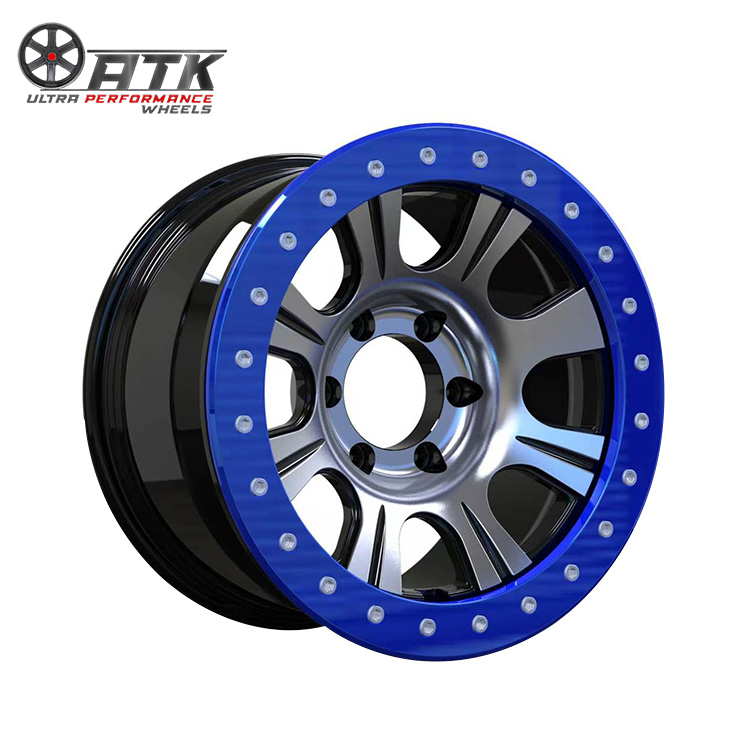
The Bespoke Engineering Process
When you opt for a true made-to-order custom wheel build, you are entering the world of boutique automotive design. The process is a collaborative blend of science and art:
-
Fitment Consultation: Engineers calculate your vehicle’s exact brake clearance, suspension clearances, and fender depth to maximize wheel width and achieve your desired aesthetic stance.
-
CAD Design & Stress Testing: A digital blueprint of the spoke design is modeled. Using Finite Element Analysis (FEA) software, engineers simulate thousands of pounds of cornering loads and road impacts to ensure the design is safe and structurally sound before a single cutting tool is fired up.
-
CNC Machining: A solid cylinder of forged aluminum is placed inside a multi-axis CNC machine. Over several hours, specialized drill bits carve out the precise spoke design, lug windows, and weight-reduction pockets.
-
Finishing and Coating: The raw machined aluminum is hand-polished, brushed, or treated with durable liquid paint or powder coating to lock in the final aesthetic, whether that is a liquid bronze, piano black, or a classic high-luster chrome finish.
5. Cost Breakdown: How Much Do Custom Rims Cost?
Investing in aftermarket wheels varies wildly in price based on size, brand, materials, and construction methodology. To help plan your upgrade budget, here is a breakdown of what to expect in the current market:
-
Entry-Level Monoblock Cast Wheels: $400 – $1,200 per set of four. These are mass-produced wheels that offer immediate cosmetic updates for daily drivers. They look excellent but do not offer significant weight reduction.
-
Mid-Tier Flow-Formed Wheels: $1,000 – $2,500 per set of four. The sweet spot for car enthusiasts. They provide track-ready strength and weight savings without breaking the bank.
-
Premium Fully Custom Forged Wheels: $3,500 – $8,000+ per set of four. Completely tailored bespoke builds. These include precise center-bore match, extreme weight-reduction engineering, custom finishes, and maximum strength for high-performance exotics and luxury vehicles.
Note: Remember to factor in secondary costs like high-performance tires, new tire pressure monitoring system (TPMS) sensors, lug nuts, mounting, balancing, and alignment fees, which typically add an extra $600 to $1,500 to the total package.
6. Maintenance and Lifespans: Keeping Your Rims Pristine
How long do custom rims last? With proper care, high-quality custom wheels can easily last 5 to 25+ years, often outliving the vehicles they are mounted on. However, poor maintenance and harsh driving habits can cause premature finish degradation or structural damage.
Pro-Tips for Extending Wheel Lifespan:
-
Avoid Acidic Wheel Cleaners: Many chemical cleaners sold in auto parts stores contain harsh acids designed to dissolve brake dust quickly. Over time, these acids strip away clear coats and dull polished aluminum finishes. Stick to pH-balanced automotive soaps and dedicated soft microfiber wash mitts.
-
Apply Ceramic Coating: Before mounting your custom wheels, apply a high-quality ceramic coating. This micro-thin layer of SiO2 repels road grime, brake dust, and salt, making future washes incredibly easy.
-
Watch Out for Curb Rash: Parking too close to concrete curbs can scratch your wheel’s outer lip instantly. For multi-piece wheels, a damaged lip can often be unbolted and replaced; for monoblock wheels, it requires professional alloy wheel refinishing.
Frequently Asked Questions (FAQ)
What is the structural risk of cheap replica wheels?
Many low-cost replica rims mimic the aesthetic designs of high-end forged wheels but utilize cheap, gravity-cast manufacturing methods with substandard aluminum alloys. These wheels lack structural density, making them heavy and highly brittle. Under a severe pothole impact at highway speeds, a quality forged wheel might bend slightly (allowing you to pull over safely), while a cheap replica wheel can fracture completely, leading to a dangerous catastrophic loss of vehicle control.
Conclusion: Ready to Elevate Your Stance?
Upgrading to a set of custom rims is one of the most rewarding automotive modifications you can make. It transforms your vehicle from a standard assembly-line product into a distinct, high-performance statement that turns heads on every corner. By matching your driving style to the right construction method—whether it’s the balanced value of flow-formed wheels or the uncompromised engineering of premium forged blocks—you ensure your car rides just as beautifully as it looks.
Don’t settle for a generic setup off a warehouse shelf. Explore tailored fitments, advanced finishes, and elite wheel craftsmanship. Visit ATK Wheels today to speak with wheel fitment specialists, explore premium bespoke catalogs, and begin engineering the perfect stance for your ride.