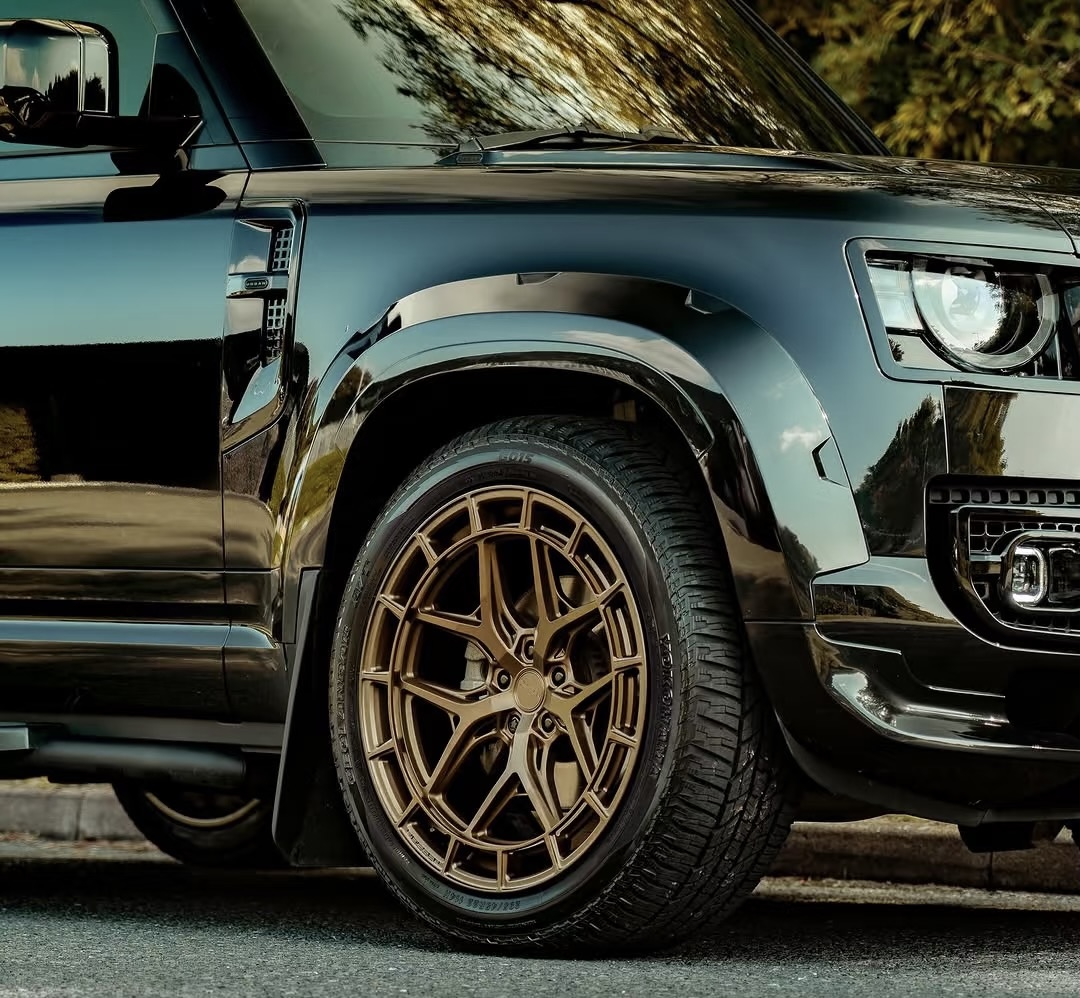
Custom Rims Cars: Transform Your Vehicle With Style and Performance
Custom Rims Cars: Transform Your Vehicle With Style and Performance
Imagine pulling up to a stoplight in a car that looks exactly like every other vehicle on the commute. It gets you from point A to point B, but it lacks personality. Now, picture that same vehicle sitting on a set of sleek, aggressive, perfectly fitted aftermarket wheels. The entire attitude of the vehicle changes instantly.
For decades, upgrading to custom rims for cars has been the single most effective way to personalize a vehicle, improve its street presence, and even boost its performance. Whether you drive a classic muscle car, a modern Euro spec sedan, a roaring track beast, or a daily commuter, the right set of wheels speaks volumes before you even press the gas pedal.
However, choosing the perfect custom rims involves much more than just picking a pretty design out of a catalog. It requires a solid understanding of manufacturing methods, fitment geometry, and how unsprung weight affects your vehicle’s dynamics.
In this comprehensive guide, we will break down everything you need to know about custom rims for cars so you can make an informed, budget-conscious, and performance-driven decision.
1.Why Custom Rims for Cars Are the Ultimate Upgrade
When car enthusiasts talk about modifying a vehicle, they often use modern slang. For instance, if you ask younger generations like Gen Z, “What does Gen Z call a car?” you will often hear terms like “whip” or “ride.” They also love to give their vehicles personalized, affectionate nicknames—with “Baby” ranking as the absolute most popular.
No matter what you call your ride, upgrading your stock wheels to custom rims delivers three undeniable benefits:
1. Instant Aesthetic Transformation
Stock wheels are designed by manufacturers to appeal to the masses. They are safe, often uninspiring, and mass-produced. Custom rims allow you to express your individual style. From deep-dish mesh designs to clean five-spoke concave profiles, the right wheels give your vehicle a curated, premium look.
2. Enhanced Handling and Performance
Upgrading your rims isn’t just a cosmetic choice; it directly impacts how your car handles the road. High-quality aftermarket rims are often wider than factory wheels, allowing you to mount wider tires. This increases your car’s contact patch with the asphalt, resulting in:
-
Sharper cornering crispness
-
Shorter braking distances
-
Improved traction during acceleration
3. Weight Reduction (Unsprung Mass)
In automotive engineering, unsprung mass refers to the weight of the components not supported by the car’s suspension—such as the brakes, tires, and wheels. Reducing unsprung mass is crucial because it takes less energy for the suspension to control a lighter wheel. Premium custom rims (especially forged aluminum options) are significantly lighter than factory steel or heavy cast wheels. This reduction translates directly into quicker steering response and improved fuel efficiency.
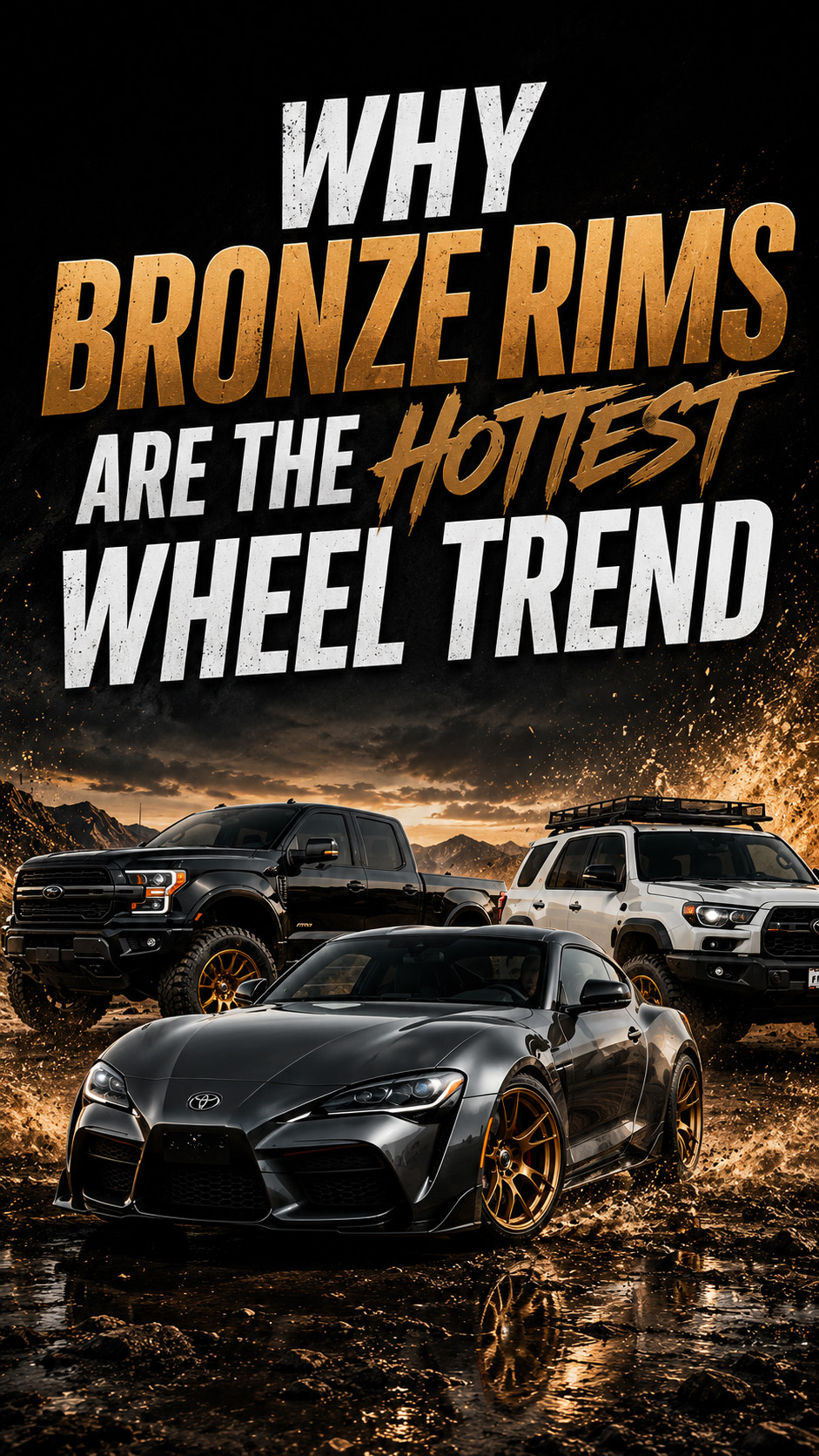
2.Understanding Wheel Manufacturing: Cast vs. Flow Formed vs. Forged
Not all custom rims for cars are created equal. The way a wheel is manufactured dictates its strength, weight, and price tag. When shopping for aftermarket wheels, you will generally run into three main categories.
Cast Wheels (Gravity and Low-Pressure)
Cast wheels are the most common and affordable aftermarket options on the market. The process involves pouring molten aluminum into a mold shaped like the wheel.
While gravity casting relies purely on gravity to fill the mold, low-pressure casting uses slight pressure to inject the metal, creating a denser structure. Cast wheels are highly customizable in terms of design, but they are heavier and more brittle under extreme impacts compared to other methods.
Flow Formed Wheels
Flow forming is a hybrid process that bridges the gap between casting and forging. It starts as a low-pressure cast wheel, which is then placed on a specialized machine that spins the wheel while applying intense pressure to the inner barrel.
This process stretches and compresses the aluminum, aligning the grain structure of the metal. The result is a wheel that is substantially lighter and stronger than a standard cast wheel, particularly in the outer barrel where impact resistance matters most.
Forged Wheels
Forged wheels represent the absolute pinnacle of wheel technology. Instead of melting the metal, a solid block of aerospace-grade aluminum alloy is subjected to immense heat and pressure (often thousands of tons). This pressure crushes the metal into the rough shape of a wheel, forcing the grain structure to become incredibly dense and continuous.
The wheel is then CNC-machined to its final design. Forged rims are exceptionally strong, incredibly light, and highly resistant to cracks and bends. However, because of the complex manufacturing process, they carry a premium price tag.
Comparison Table: Wheel Manufacturing Methods
| Feature | Cast Wheels | Flow Formed Wheels | Forged Wheels |
|---|---|---|---|
| Manufacturing Process | Molten metal poured into a mold | Cast center with a hydraulically rolled barrel | Solid aluminum block pressed under extreme pressure |
| Strength-to-Weight Ratio | Standard / Moderate | High | Maximum |
| Weight | Heaviest | Noticeably lighter than cast | Extremely lightweight |
| Impact Resistance | Fair (Can crack under severe potholes) | Good (Resilient barrel) | Exceptional (Bends slightly before cracking) |
| Average Cost (Per Wheel) | $150 - $300 | $300 - $600 | $800 - $2,000+ |
| Best Used For | Daily driving, budget builds, winter setups | Spirited street driving, track days, autocross | High-end sports cars, luxury vehicles, professional racing |
3.Deciphering Wheel Fitment: Bolt Pattern, Offset, and Backspacing
Buying custom rims for cars isn’t as simple as picking a diameter (like 18-inch or 20-inch) and bolting them on. If you get the geometry wrong, your new wheels might rub against your brake calipers, hit your fender arches, or interfere with your suspension components.
To achieve that perfect “flush” fitment without sacrificing safety, you need to understand three core metrics:
1. Bolt Pattern (PCD)
The bolt pattern, or Pitch Circle Diameter (PCD), determines whether the holes on the rim align with the lug studs on your vehicle’s wheel hub. It is expressed as the number of lugs multiplied by the diameter of the circle they form (e.g., 5×114.3 or 4×100). You must match your vehicle’s exact bolt pattern; there is no room for error here.
2. Wheel Offset
Offset is measured in millimeters and refers to the distance between the mounting surface of the wheel (where it touches the car’s hub) and the centerline of the rim.
-
Positive Offset: The mounting surface is closer to the front/street side of the wheel. This pulls the wheel inward toward the suspension (common on modern front-wheel-drive cars).
-
Zero Offset: The mounting surface is exactly inline with the centerline of the wheel.
-
Negative Offset: The mounting surface is pushed deep inside toward the brakes. This pushes the wheel outward toward the fender, creating a deep-dish look (common on lifted trucks and aggressive widebody sports cars).
3. Backspacing
Closely related to offset, backspacing is the distance from the innermost edge of the rim to the mounting surface. It is critical for ensuring that your wider custom rims do not make contact with internal suspension struts or sway bars.
Pro Tip for Perfect Fitment: Always consult a professional fitment calculator or a trusted wheel specialist before ordering. A difference of just 5mm in offset can be the difference between a pristine stance and an annoying fender rub every time you hit a bump.
4.Staying Legal: Car Modifications and Street Legality
When personalizing your vehicle with custom rims, suspension lowering kits, or lighting upgrades, it is vital to stay within the boundaries of local and federal laws. Many car enthusiasts ask, “What mods are not street legal?”
Modifications that are not street legal typically fall into categories involving emissions tampering, excessive noise (muffler deletes), unsafe lighting (such as underglow in certain states or tinting your headlights), altered license plates, and extreme suspension changes.
When it comes strictly to custom rims and wheels, there are specific legal traps you want to avoid to ensure you pass state vehicle inspections and avoid heavy fines.
The Truth About Spinner Rims
If you were around during the early 2000s car culture, you definitely remember spinner rims—wheels where the face continues to spin even after the car has come to a complete stop. Today, you rarely see them. Why?
Why are spinner rims illegal? Spinner rims are often legally restricted or considered illegal in many jurisdictions because they create optical illusions that confuse other drivers, and they pose mechanical safety hazards. When a car stops at an intersection, the spinning wheels give the illusion that the vehicle is still moving, increasing the risk of rear-end collisions. Furthermore, the multi-piece floating mechanisms can fail at highway speeds, turning a stylish accessory into a dangerous projectile.
Fender Clearance and Stretched Tires
In many U.S. states (such as Pennsylvania, California, and Hawaii), it is illegal for the tread of your tires to protrude past the outermost edge of your vehicle’s fenders. If your custom rims have a highly aggressive negative offset that pushes the wheels outward, you must install fender flares to remain street legal.
Additionally, avoid extreme “tire stretching” (mounting a tire that is significantly narrower than the rim width), as this drastically increases the risk of a high-speed blowout and bead de-seating.
Are Specific Colors Banned?
When painting or powder-coating your custom rims, you have almost unlimited creative freedom. What color is not allowed on cars? While there are no federal laws banning standard paint colors for civilian vehicles, there are specific color restrictions based on local regulations, vehicle function, and material reflectivity.
For example, you cannot paint your car or rims to mimic emergency vehicles (first responder blue, red, or high-visibility emergency green/yellow combos accompanied by official decals). Highly reflective chrome or mirror-like wraps that can blind other drivers under direct sunlight are also heavily restricted or banned in several states. Stick to classic gloss, matte, satin finishes, or vibrant anodized colors to stay safe and legal.
5.Crucial Vehicle Safety: The “Silent Killer” Every Driver Must Know
While you are focusing on upgrading the exterior look of your car with beautiful custom rims, never lose sight of vital internal vehicle safety. There are hazards hidden beneath the surface of any vehicle that every owner must respect.
Among automotive mechanics and safety experts, what is the silent killer in cars? The “silent killer” in cars is carbon monoxide (CO). It is a highly toxic, colorless, odorless, and tasteless gas produced by the engine’s exhaust system. Because you cannot see or smell it, it can build up inside the cabin without your knowledge and cause sudden unconsciousness or death.
How Does This Connect to Wheel and Undercarriage Upgrades?
When you change your wheels, you or your mechanic will have the car up on a lift. This is the absolute perfect opportunity to perform a safety inspection on your undercarriage. To prevent carbon monoxide poisoning:
-
Inspect the Exhaust System: Check for rusted pipes, cracked manifolds, or loose gaskets that could allow exhaust fumes to leak upward into the cabin floorboards rather than exiting out the tailpipe.
-
Check Floor Pan Grommets: Ensure the rubber grommets and seals surrounding your wheel wells and floorboards are intact. Cracked or missing seals can pull toxic air into the cabin due to low-pressure vacuums created while driving.
-
Never Idle in Enclosed Spaces: Never warm up your vehicle inside a closed garage, regardless of how nice your new custom rims look catching the morning light.
6.How to Maintain and Protect Your Custom Rims
A premium set of custom rims for cars represents a financial investment. To ensure they retain their mirror-like shine or deep matte finish for years to come, you must establish a proper maintenance routine.
-
Avoid Automatic Car Washes: The stiff, nylon bristles used in automated car washes are notorious for scratching the clear coat of aftermarket wheels. Always hand wash your rims.
-
Use Acid-Free Wheel Cleaners: Many cheap, over-the-counter wheel cleaners contain harsh acids designed to dissolve brake dust instantly. Unfortunately, these chemicals can ruin anodized or polished aluminum finishes over time. Opt for pH-neutral, acid-free wheel cleaners.
-
Beware of Brake Dust: Brake dust contains microscopic metallic particles from your brake pads. If left sitting on your rims for weeks, these particles will chemically bond to the surface through a process called galvanic corrosion, pitting the metal permanently. Wash your wheels at least once a week.
-
Apply a Ceramic Coating: Before mounting your new rims, apply a high-quality automotive ceramic coating. This creates a hydrophobic, microscopic barrier that repels water, road grime, and brake dust, making future cleanups incredibly easy.
Frequently Asked Questions (FAQ)
1.Will putting custom rims on my car void my factory warranty?
According to the Magnuson-Moss Warranty Act in the United States, a dealership cannot void your entire vehicle warranty simply because you installed aftermarket custom rims. However, if a failure occurs—for instance, if an aggressive wheel offset causes your wheel bearings to wear out prematurely—the dealership can deny coverage for that specific repair.
2.What is the difference between alloy wheels and steel wheels?
Steel wheels are heavy, highly durable, and cheap to manufacture, making them ideal for winter driving or base-model utilitarian vehicles. Alloy wheels are made from a blend of aluminum and other metals, offering lighter weights, better heat dissipation for braking, and vastly superior design flexibility.
3.Can I use my factory lug nuts on aftermarket custom rims?
In most cases, no. Factory wheels often use a “radius” (rounded) or “flat/washer” seating style where the lug nut meets the wheel. Most aftermarket custom rims utilize a 60-degree “conical” (tapered) seat. Using the wrong type of lug nut will prevent the wheel from centering correctly on the hub, leading to severe vibrations and the risk of the wheel detaching while driving. Always buy the correct hardware recommended by the rim manufacturer.
4.What does “hub-centric” mean, and do I need hub-centric rings?
Factory wheels are engineered to be “hub-centric,” meaning the center bore of the wheel fits perfectly over the center hub of the car, carrying the weight of the vehicle. Aftermarket manufacturers build rims with oversized center bores so they can fit a wide variety of car makes. To bridge this gap and prevent steering wheel vibration, you should use hub-centric rings made of plastic or aluminum to center the wheel perfectly on your car’s hub.
Transform Your Ride Today
Upgrading to a set of high-quality custom rims for cars is the quintessential way to redefine your vehicle’s personality, step up its handling performance, and break away from the mundane factory aesthetic. By choosing the right manufacturing method for your driving style, ensuring meticulous geometric fitment, and respecting local street legality, you can build a truly stunning and safe setup.
Ready to give your “whip” the visual and performance edge it deserves? Explore our massive catalog of premium custom wheels, meticulously engineered for perfect fitment and breathtaking style.