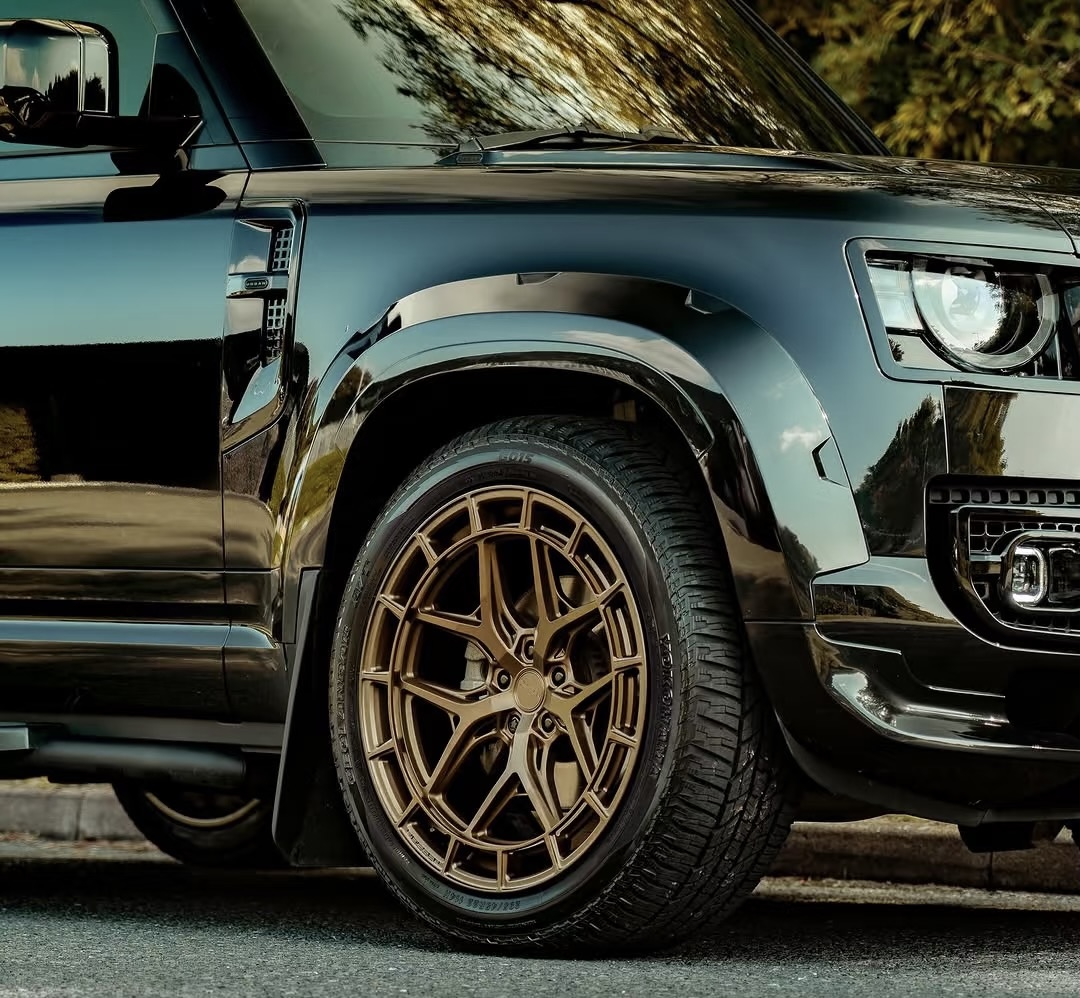
Custom Made Wheels: What to Know Before Ordering
Custom Made Wheels: What to Know Before Ordering
Upgrading your vehicle’s factory setup is often the fastest way to elevate its visual appeal and daily driving dynamics. Among every aftermarket modification available, custom made wheels deliver the most dramatic impact on stance, unsprung weight, and overall brake clearance. Yet, navigating offset calculations, manufacturing methods, and multi-piece constructions can quickly become overwhelming without clear technical direction.
When you invest in custom made wheels, you move past mass-produced, off-the-shelf compromises. You gain complete control over bolt patterns, center bore precision, outer lip depths, and specialized powder-coated finishes tailored to your exact car chassis.
Whether you drive a high-performance track sports car, a restored classic muscle car, or an off-road truck, this article covers everything you must know about choosing, measuring, and owning custom made wheels.
1.What Are Custom Made Wheels?
Custom made wheels are specialized vehicle rims engineered to exact user-defined specifications, including diameter, width, bolt pattern (PCD), offset (ET), center bore, design aesthetics, and finish. Unlike standard factory or off-the-shelf aftermarket rims, custom made wheels are built to order to accommodate specific big brake kits, aggressive fender flaring, or distinct performance requirements.
When ordering tailor-made fitments, engineers build the wheel around your specific vehicle hub rather than forcing you to rely on hub-centric rings or universal spacer adapters.
Key Factors Defined in Custom Wheel Manufacturing
-
Bolt Pattern (PCD): The diameter of the imaginary circle formed by the centers of the wheel lugs (e.g., 5×114.3, 5×120).
-
Offset (ET): The distance in millimeters from the wheel’s hub mounting surface to its true centerline.
-
Center Bore: The machined opening on the back of the wheel that seats precisely onto the vehicle’s hub snout.
-
Brake Clearance: The internal clearance allowance for aftermarket calipers and larger rotors.
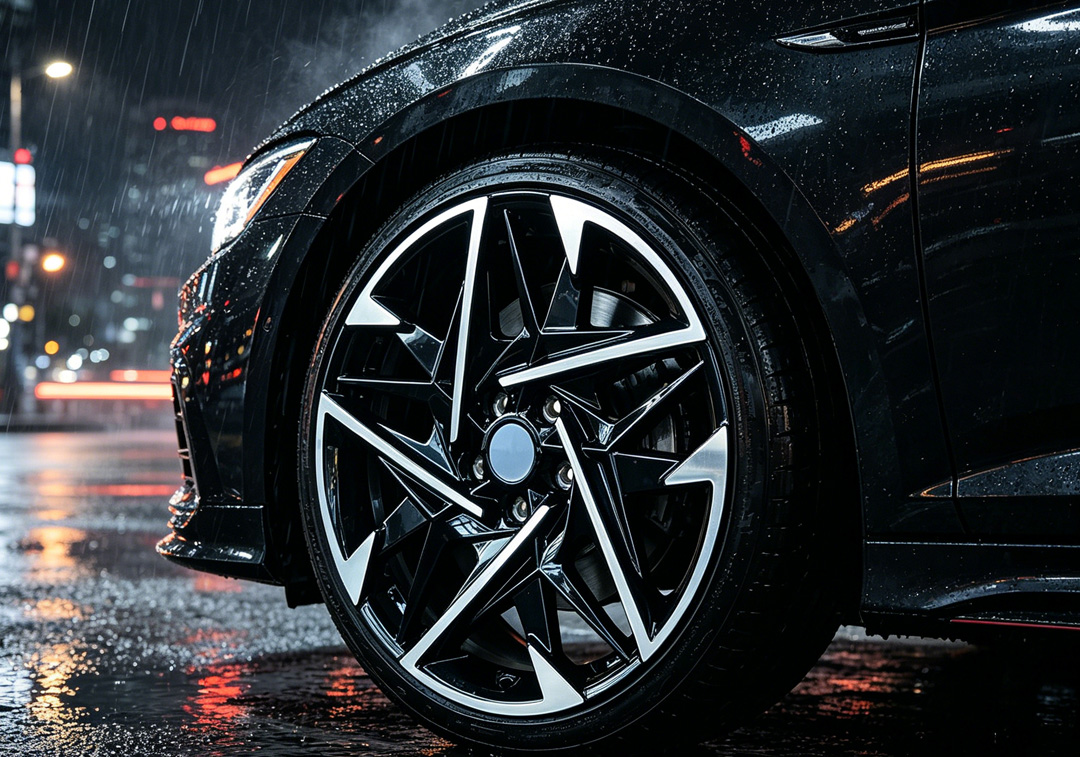
2.Why Choose Custom Built Wheels Over Stock Factory Rims?
Modern OEM (Original Equipment Manufacturer) wheels are designed for generic mass production. Car companies compromise on offset conservative limits and material weight to appeal to broad consumer audiences while minimizing production costs.
Upgrading to personalized wheel setups unlocks clear mechanical and dynamic performance upgrades.
1. Precision Hub-Centric Fitment
Off-the-shelf aftermarket wheels often use large center bores requiring plastic adapter rings to fit multiple car models. Custom made wheels feature vehicle-specific, direct hub-centric machining. This eliminates highway vibrations, ensures even lug nut torque, and maintains factory suspension geometry.
2. Maximum Unsprung Weight Reduction
Unsprung weight includes all components not supported by your vehicle’s suspension springs (wheels, tires, brakes, and control arms). Reducing rotating unsprung mass directly benefits your car’s dynamics:
-
Faster acceleration response due to reduced rotational inertia.
-
Shorter braking distances.
-
Crisper steering turn-in response.
-
Enhanced suspension compliance over rough road surfaces.
3. Specialized Brake System Clearance
Installing a high-performance Big Brake Kit (BBK) with 6-piston calipers often leads to interference with factory wheel spokes. Custom built wheels are engineered around your exact brake profile dimensions, ensuring safe spoke-to-caliper clearance without requiring dangerous slip-on wheel spacers.
3.Manufacturing Process: Forged vs. Flow Formed vs. Cast
The way a wheel is manufactured determines its structural integrity, weight, impact resistance, and ultimate price point. Understanding these three manufacturing methods helps you select the right wheel for your budget and driving conditions.
[Molten Aluminum Casting]  --> Economical / Heavier / Standard Strength
[Flow Forming Technology] --> Moderate Cost / Strong Outer Rim / Lighter
[6061-T6 Forged Monoblock] --> Maximum Strength / Ultra-Light / Premium Aerospace Quality
Cast Wheels
Cast wheels are produced by pouring liquid aluminum into a pre-shaped mold. As the metal cools, it solidifies into the wheel shape. While casting keeps manufacturing costs low, the resulting aluminum grain structure contains small microscopic porosities. To ensure structural safety, manufacturers must use thicker material, making cast wheels heavier and more prone to cracking under high-impact road hazards.
Flow Formed Wheels
Flow forming starts as a specialized low-pressure casting. The wheel’s inner barrel is then spun over a mandrel at high speeds while heat and pressurized hydraulic rollers shape the rim area. This process stretches and compresses the aluminum grain structure, dramatically increasing tensile strength in the barrel while keeping costs lower than full aerospace forging.
Forged Wheels
Forged wheels represent the highest standard in automotive engineering. A solid cylinder of aerospace-grade 6061-T6 aluminum is subjected to high heat and thousands of tons of hydraulic pressure. This intense process aligns the grain flow of the alloy along the wheel profile, eliminating internal voids.
A CNC milling machine then carves out the spoke pattern from the dense forged blank. Forged wheels offer maximum structural rigidity, superior impact resistance, and light weight.
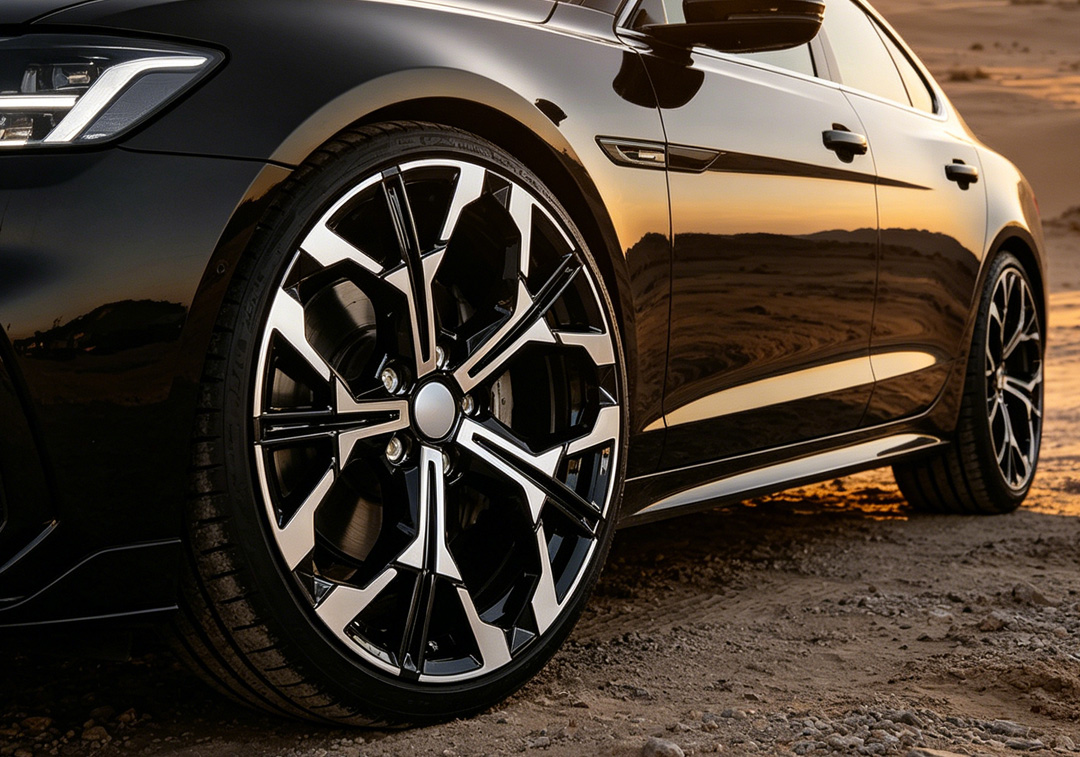
4.Wheel Construction Types: Monoblock, 2-Piece, and 3-Piece
When designing custom made wheels, you can choose between single-block construction or modular multi-piece assemblies.
| Feature | Monoblock (1-Piece) | 2-Piece Modular | 3-Piece Modular |
|---|---|---|---|
| Manufacturing Base | Single 6061-T6 Forged Block | Forged Center + Welded Barrel | Center Face + Inner Barrel + Outer Lip |
| Weight | Lowest / Ultra-Lightweight | Moderate | Heavier (Due to Hardware Bolts) |
| Structural Rigidity | Exceptionally High | High | High |
| Offset Adjustability | Fixed during CNC Milling | Flexible during Assembly | Maximum Customization Potential |
| Deep Dish / Lip Potential | Limited Spoke Concavity | Moderate Lip Capability | Maximum Step / Slant Outer Lips |
| Repair Cost | Complete Wheel Replacement | Partial Barrel Replacement | Individual Piece Replacement |
Monoblock (1-Piece) Wheels
Machined entirely from a single aluminum forging, monoblock wheels are the light and rigid. They are ideal for track-focused sports cars, time attack builds, and performance sedans where structural strength and unsprung mass reduction are top priorities.
2-Piece Wheels
A 2-piece setup features a distinct CNC-machined center face attached to a spun aluminum outer barrel via welding or high-strength assembly bolts. This design allows you to pair aggressive offset requirements with custom dual-tone finish combinations (e.g., brushed clear face with a gloss black rim barrel).
3-Piece Wheels
3-piece modular wheels offer maximum customization options. They consist of three separate components: an inner barrel, an outer lip, and a center face, sealed together with specialized silicone and secured with titanium or stainless steel assembly perimeter bolts.
If you scrape a curb or damage an outer lip on a pothole, you can unbolt and replace that individual section without discarding the entire wheel. 3-piece builds are popular in widebody setups, stance builds, and show vehicles requiring custom deep-dish lips.
5.How to Calculate Proper Fitment for Your Car
Ordering bespoke wheels requires careful measurement. A mistake in offset or center bore calculation can lead to tire rubbing against fender liners, brake caliper interference, or high-speed steering vibration.
       [ Outer Lip Width ]           [ Inner Barrel Width ]
     |<-------------------->|     |<-------------------->|
     =======================|=====|=======================
     |                      |  |  |                      |
     |     Wheel Lip        |  |  |     Inner Barrel     |
     |                      |  |  |                      |
     -----------------------|--|--|-----------------------
                            |  |
                            |  |-> [ True Centerline ]
                            |
                            |----> [ Mounting Hub Surface ]

                            |<--->|
                            Positive Offset (ET)
Essential Measuring Steps:
-
Confirm the Pitch Circle Diameter (PCD): Ensure the lug count and circle diameter precisely match your vehicle (e.g., 5×112 for modern European sedans, 5×114.3 for Japanese platforms).
-
Calculate the Offset (ET): Positive offset moves the hub mounting surface toward the front outer face, pulling the wheel inward toward the suspension. Negative offset moves the mounting surface toward the rear, pushing the wheel outward for an aggressive wide stance.
-
Verify the Center Bore Diameter: Measure your vehicle’s hub snout in millimeters (e.g., 66.6 mm, 73.1 mm). The wheel center bore should match this exact diameter for a true hub-centric fitment.
-
Determine Suspension and Fender Clearance: Account for full suspension compression and steering lock angles to prevent tires from touching inner fender liners or strut towers.
6.Custom Wheel Finishes and Care Maintenance
The finish on your custom made wheels protects the underlying aluminum from corrosion, road salt, and harsh brake dust while accentuating the metalwork.
Custom Wheel Finishes
  |-- Powder Coating (Durable, Full Color Spectrum)
  |-- Hand Brushing (Transparent Tinted Clears)
  |-- Polishing & Chrome Plating (Mirror Reflection)
  |-- Anodizing (Corrosion Protection)
Popular Custom Finishes
-
Powder Coating: A electrostatically applied dry powder baked under high heat to form a durable protective skin. Extremely resistant to rock chips, weather, and brake dust.
-
Hand Brushed Finishes: Artisans manually brush raw aluminum to create a directional grain texture, followed by clear or tinted acrylic topcoats (e.g., Brushed Bronze, Brushed Dark Smoke).
-
High-Polish & Chrome Plating: Delivers a bright, mirror-like reflectivity classic on luxury builds, vintage street rods, and multi-piece lips.
-
Anodized Finishes: An electrochemical process that converts the metal surface into a durable, corrosion-resistant anodic oxide finish.
Essential Care Practices
To protect your investment, follow these maintenance tips:
-
Avoid automated drive-through car washes that use stiff plastic brushes or acid-based cleaners.
-
Wash wheels using a dedicated PH-neutral wheel shampoo and soft microfiber washing mitts.
-
Apply a quality hydrophobic ceramic coating to make removing baked-on metallic brake dust easier.
-
Allow hot wheels to cool down completely before spraying them with water to prevent clearcoat thermal shock.
Frequently Asked Questions(FAQ)
1.What are custom made wheels?
Custom made wheels are built-to-order rims tailored to exact structural requirements, including diameter, width, bolt pattern (PCD), offset (ET), center bore, spoke profile, construction type, and personalized surface finishes.
2.How much do custom made wheels cost?
Pricing varies based on sizing, material grade, structural complexity, and finishing techniques. Standard cast or flow-formed custom wheels generally range from $300 to $800 per wheel. Fully custom forged monoblock or multi-piece 3-piece forged wheels typically run from $1,200 to over $2,500+ per wheel.
3.Can custom made wheels fit any vehicle?
Yes, provided precise measurements are taken prior to CNC machining. By configuring the correct PCD, offset, center bore, barrel width, and caliper clearances, custom wheels can be designed to fit sports cars, luxury sedans, off-road trucks, and vintage classic restorations.
4.Are forged custom made wheels stronger than OEM wheels?
Yes, high-grade forged custom made wheels machined from 6061-T6 aluminum are significantly stronger and lighter than standard OEM cast wheels. The forging process eliminates internal structural porosity, offering superior impact resistance and higher load capacity.
5.How long does it take to manufacture custom made wheels?
Most custom made wheel orders take between 4 to 8 weeks from initial 3D CAD design approval to final machining, finishing, and delivery. Complex multi-piece setups or custom hand-brushed finishes may require additional production time.
Upgrade Your Vehicle Setup Today
Selecting the right custom made wheels requires balancing technical engineering with your personal visual preferences. By choosing the ideal manufacturing method, calculating accurate fitment parameters, and specifying high-grade finishes, you transform your car’s appearance and handling.
Are you ready to build a bespoke wheel setup tailored to your exact chassis?
Explore premium custom forged engineering options, view real-world fitment galleries, and consult with technical fitment specialists at ATK Wheels to start designing your custom made wheels today.