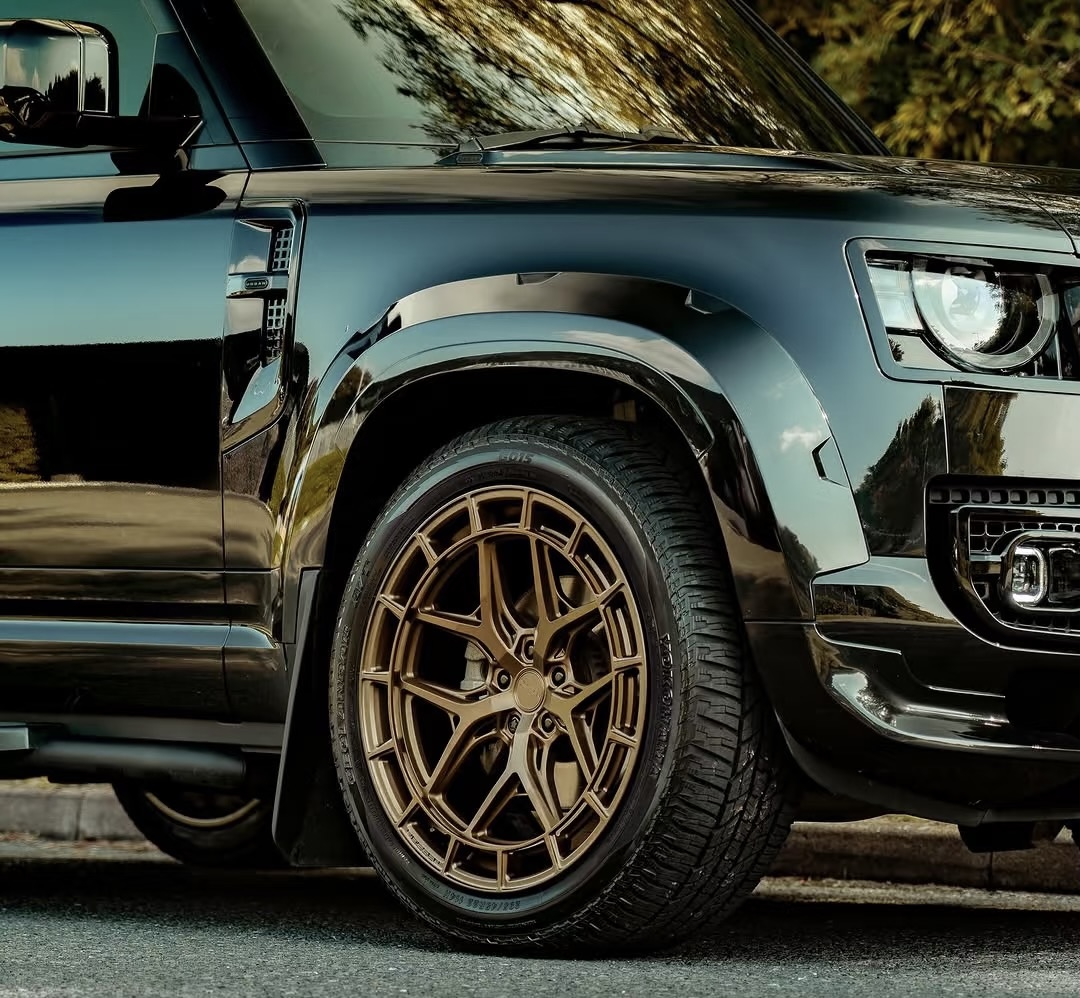
Circle Car Rims: Everything You Need to Know Before Buying
Circle Car Rims: Everything You Need to Know Before Buying
When upgrading your vehicle’s shoes, the options can feel overwhelming. From aggressive split-spoke setups to complex mesh patterns, wheel design has evolved into a high-tech art form. Yet, a classic silhouette continues to dominate both the vintage restoration scene and the rugged off-road community: circle car rims.
Often recognized by their distinctive circular cutouts, solid disc faces, or “modular” round vents, circle car rims offer a unique blend of old-school charm and heavy-duty reliability.
Whether you are restoring a classic American muscle car, building a bulletproof overland rig, or just trying to understand how wheel design affects your daily drive, this comprehensive breakdown covers everything you need to know about circle car rims.
1.What Are Circle Car Rims?
At its most fundamental level, circle car rims refer to the circular metal components of a vehicle’s wheel assembly that support and secure the tire. However, in automotive enthusiast culture, the term specifically highlights wheels characterized by a solid or semi-solid face featuring precise circular openings, rather than thin, radiating spokes.
Historically rooted in early automotive manufacturing, these wheels became the backbone of mid-century classics, heavy-duty work trucks, and iconic off-roaders. Today, manufacturers construct these wheels using a variety of production methods—including traditional steel, cast aluminum alloy, flow-formed metal, and high-end forged aluminum—to meet diverse driving demands.
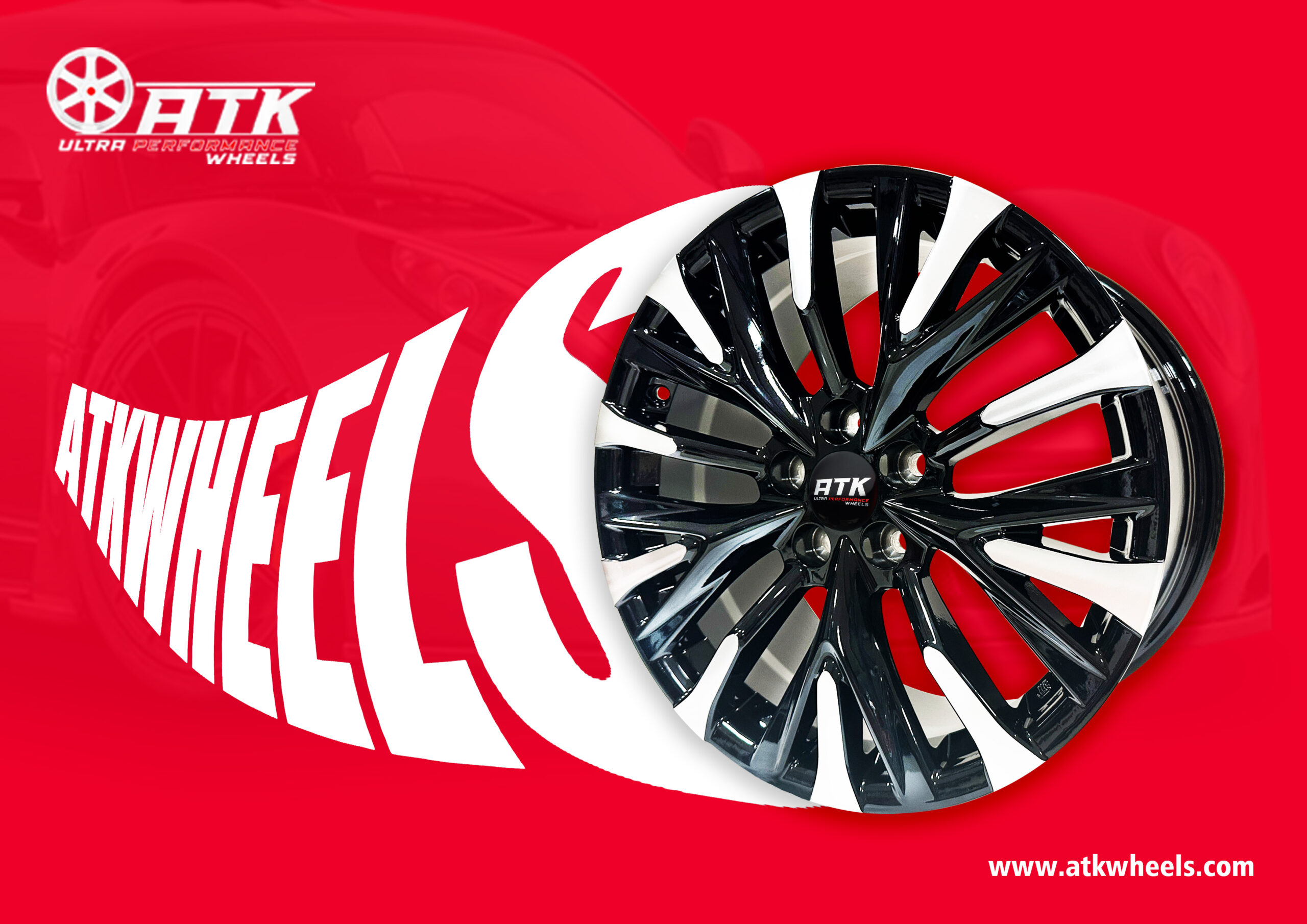
2.Circle Car Rims vs. Multi-Spoke Wheels: A Direct Comparison
Choosing between circle car rims and multi-spoke wheels isn’t just a matter of visual preference. The structural differences between these two designs directly impact how your vehicle handles, handles impacts, and manages heat.
1. Visual Design and Aesthetics
-
Circle Car Rims: These wheels feature a prominent, solid face punctuated by circular cutouts (often referred to as disc, smoothie, or “D-window” styles). The look is inherently retro, industrial, and inherently rugged.
-
Multi-Spoke Wheels: Utilizing five, ten, or more distinct spokes that radiate outward from the center hub to the outer barrel, multi-spoke wheels deliver a lightweight, modern, and aggressive sport appearance.
2. Structural Rigidity and Impact Resistance
Because circle car rims retain more metal across the face of the wheel, they distribute stress evenly across a continuous surface. This makes them incredibly resistant to bending or cracking when hitting deep potholes or crawling over jagged rocks. Multi-spoke wheels, while incredibly strong under normal conditions, focus stress points at the base of each individual spoke.
3. Weight and Performance Dynamics
The extra material that gives circle rims their strength also comes with a trade-off: weight. Circle rims—particularly classic steel variants—are heavier than their multi-spoke counterparts. This increases your vehicle’s unsprung mass, which can subtly slow down acceleration and lower fuel economy. Multi-spoke aluminum wheels prioritize weight reduction to maximize agile handling and track performance.
Comparison Table: Circle Car Rims vs. Multi-Spoke Wheels
| Performance Metric | Circle Car Rims | Multi-Spoke Wheels |
|---|---|---|
| Primary Visual Style | Retro, Rugged, Vintage, Heavy-Duty | Modern, Sporty, Aggressive, Sleek |
| Material Distribution | Solid face with circular/round cutouts | Thin, radiating individual spokes |
| Impact & Structural Strength | Exceptional; highly resistant to deformation | High, but susceptible to localized spoke stress |
| Unsprung Weight | Typically heavier (especially steel versions) | Lightweight (optimized for performance) |
| Debris Protection | Excellent; protects brakes from rocks and mud | Low; open design exposes braking components |
| Brake Heat Dissipation | Moderate (optimized via targeted venting) | Maximum (high airflow across rotors) |
3.Why Retro and Off-Road Vehicles Frequently Rely on Circle Hole Rims
If you visit an off-road trail or a classic car meet, you will notice an incredibly high concentration of circular cutout wheels. This isn’t a coincidence; it is a perfect marriage of form and function.
The Irresistible Retro Aesthetic
For vintage restorations, authenticity is everything. Putting ultra-modern split-spoke wheels on a 1970s Ford Bronco or a classic Chevy C10 completely disrupts the vehicle’s historical narrative. Circle hole rims, such as classic “smoothies” or modular steelies, provide an authentic old-school look that instantly honors the vehicle’s heritage.
Functional Off-Road Superiority
When you are navigating harsh off-road environments, your wheels face hazards far beyond simple pavement friction. Circle car rims excel out in the wild for two major reasons:
-
Debris Deflection: The smaller, rounded openings on a circle rim act as a protective shield. They prevent large tree branches, jagged rocks, and thick mud from easily slipping through the wheel face and damaging your brake calipers, brake lines, or rotors.
-
Maximum Load Capacity: Overlanding vehicles carry massive amounts of gear, including roof tents, extra fuel, and recovery equipment. The robust, structural face of a circle rim provides the necessary load-bearing capacity to carry heavy weights over uneven terrain without flexing.
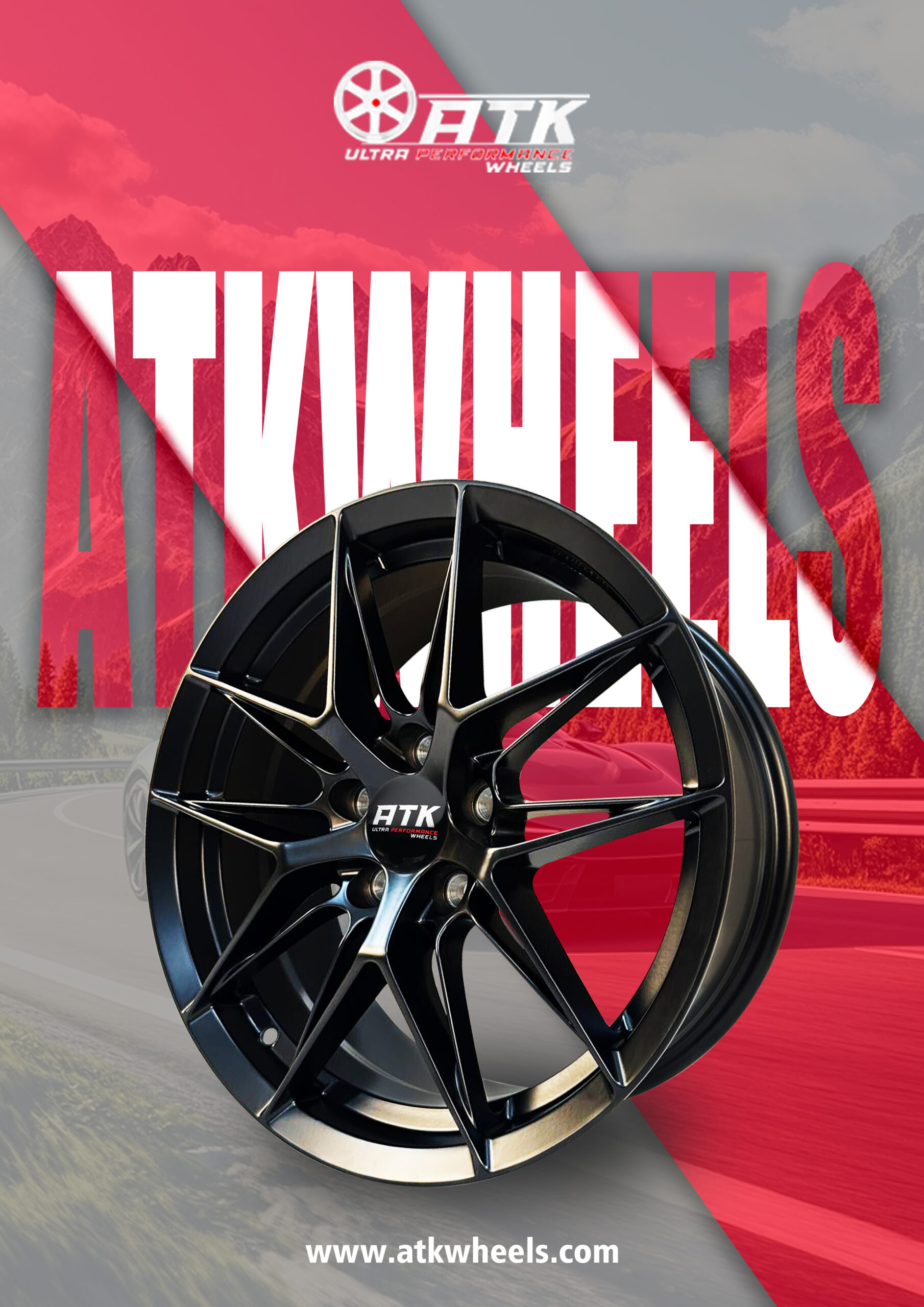
4.Material Breakdown: How Circle Car Rims Are Made
The material used to construct your circle car rims plays a massive role in their price, weight, and long-term durability. Modern manufacturing gives drivers two primary choices.
1. Steel Circle Rims
Steel is the traditional choice for vintage purists, budget-conscious truck owners, and hardcore off-roaders.
-
Pros: Steel is incredibly tough. If you strike a boulder on a trail and bend a steel rim, you can often hammer it back into shape to get home safely. It is also highly affordable.
-
Cons: Steel is significantly heavier than aluminum, which can reduce fuel efficiency and make your suspension work harder over bumps. It is also prone to rust if the protective powder coating chips off.
2. Cast, Flow-Formed, or Forged Aluminum Alloy
Alloy is the modern solution for drivers who want classic styling without the weight penalty.
-
Pros: Aluminum alloys replicate the iconic circular aesthetic while drastically shaving off unsprung weight. This improves your vehicle’s fuel economy, sharpens steering response, and eliminates the risk of rust. Forged and flow-formed aluminum options offer near-steel strength at a fraction of the weight.
-
Cons: Aluminum wheels are more expensive than steel. Additionally, if an aluminum wheel suffers a severe, high-speed impact, it is more likely to crack than bend, making professional repair much more difficult.
5.The Tech Reality: Does the Circular Design Affect Brake Cooling?
A common question among car enthusiasts is whether the solid face of a circle car rim traps heat around the brakes. The short answer is: yes, but modern engineering has mitigated the risk.
The Physics of Brake Fade
When you press your brake pedal, friction converts kinetic energy into intense heat. Multi-spoke wheels feature wide, open gaps that allow cool air to rush over the brake rotors, quickly dissipating that heat. Because circle car rims have less open surface area, heat can build up slightly faster during continuous, aggressive braking—such as driving down a steep mountain pass or towing heavy loads.
The Modern Engineering Solution
Fortunately, reputable wheel manufacturers do not just punch random holes in metal. Brands optimize the size, placement, and angle of these circular vents. By placing the circles strategically near the outer edge of the wheel face, they create a natural vacuum effect that pulls hot air out from the brake assembly as the wheel spins. For daily driving, highway cruising, and low-speed off-roading, modern circle rims provide more than enough airflow to keep your brakes operating safely.
Frequently Asked Questions (FAQ)
1.Are circle car rims suitable for daily winter driving?
Yes, especially steel circle rims. Their closed-face design protects your brake components from road salt, slush, and winter debris. However, if you use steel wheels, make sure to wash them regularly to prevent road salt from causing surface rust.
2.Can I install circle hole rims on a modern sports car?
While technically possible if the bolt pattern and offset match, it is generally not recommended. Modern sports cars require maximum airflow for high-performance braking systems and rely on lightweight wheels to maintain precise handling. Circle rims are much better suited for trucks, SUVs, crossovers, and retro vehicles.
3.What is the difference between a “D-Window” rim and a circle hole rim?
Both styles follow the same design philosophy of using geometric cutouts on a solid face. While circle rims use perfect round holes, D-window rims utilize cutouts shaped like the letter “D.” They offer identical structural benefits, so your choice comes down to personal style.
4.How do I maintain and clean circle car rims with deep lips?
Because circle rims often feature a deep dish or lip, they can collect brake dust and road grime in the corners. Use a pH-balanced wheel cleaner, a soft-bristled barrel brush, and microfiber towels to clean inside the circular cutouts regularly to protect the finish.
Upgrade Your Ride with the Perfect Wheel Set
Choosing the right wheels is about finding the perfect balance between structural strength, eye-catching style, and everyday performance. Circle car rims provide a time-tested, rugged look that stands out in a crowd of generic multi-spoke designs, all while offering the heavy-duty protection your vehicle deserves.
Ready to transform your vehicle’s look and capability? Explore premium wheel collections at ATK Wheels to find the perfect match for your truck, SUV, or classic project car today!