
Car Alloys: What You Need to Know Before Choosing Alloy Wheels
Car Alloys: What You Need to Know Before Choosing Alloy Wheels
1.What Are Car Alloys?
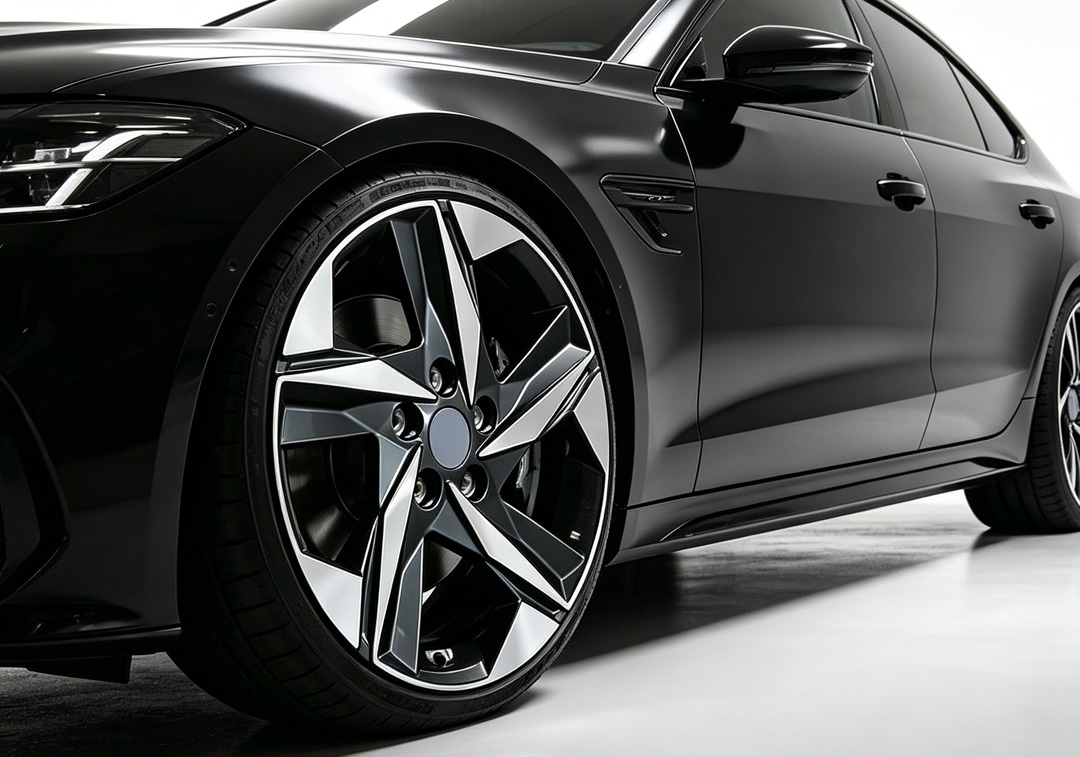
Car alloys (commonly known as alloy wheels or rim sets) are automotive wheels crafted from a blend of aluminum or magnesium combined with other lightweight trace metals. Unlike traditional stamped steel wheels, alloy wheels are manufactured using advanced casting, flow-forming, or forging techniques.
┌─────────────────────────────
│                      CAR ALLOY                          │
│                                                         │
│  Primary Element: Aluminum (Al) or Magnesium (Mg)       │
│  Secondary Elements: Silicon, Copper, Manganese, Zinc   │
│                                                         │
│  Key Advantages: Lower Weight| Superior Heat Dissipation│
│                  Enhanced Aesthetics | Crisp Handling   │
└─────────────────────────────
The key advantage of car alloys over heavy steel equivalents lies in their strength-to-weight ratio. By using light metals, manufacturers reduce a vehicle’s un-sprung mass, yielding noticeably sharper steering feedback, smoother suspension dynamics, and better overall brake cooling. Beyond raw performance, car alloys offer vastly superior design versatility, allowing drivers to customize their vehicle’s stance and appearance.
2.Why Upgrade to Alloy Wheels? The Key Performance Advantages
Upgrading from basic steel wheels to premium alloy wheels is one of the most effective modifications you can make to any vehicle. Here is how car alloys transform your daily drive:
-
Reduced Un-sprung Mass: Un-sprung mass includes components not supported by the vehicle’s suspension system—such as wheels, tires, and brake assemblies. Reducing this weight allows suspension dampers and springs to react significantly faster to bumps and road imperfections, maximizing tire contact with the asphalt.
-
Sharper Handling and Steering Response: Lighter wheels decrease rotational inertia. This translates into faster acceleration out of turns, shorter stopping distances, and remarkably agile turn-in capabilities.
-
Enhanced Heat Dissipation: Aluminum is an exceptional thermal conductor. Alloy wheels actively draw intense friction heat away from the brake calipers and rotors, dramatically reducing brake fade during aggressive driving or steep mountain descents.
-
Elevated Visual Appeal: Alloys offer virtually limitless design possibilities—from subtle, elegant multi-spoke patterns to bold concave directional styles and custom painted or machined finishes.
       STEEL WHEELS                                                                                     CAR ALLOYS
┌───────────────────────────┐       ┌───────────────────────────┐
│ • Heavy Stamped Steel     │                                   |                              • Lightweight Aluminum  │
│ • Higher Rotational Weight│                              vs   |                              • Lower Un-sprung Mass  │
│ • Slow Heat Dissipation   │                                   |                              • Rapid Heat Dissipation│
│ • Basic Cover / Hubcap    │                                   |                              • Premium Custom Styles │
└───────────────────────────┘       └───────────────────────────┘
3.Types of Car Alloys: Casting vs. Flow-Forming vs. Forging
Not all alloy wheels are manufactured the same way. The three main manufacturing processes directly influence structural strength, overall weight, impact durability, and price.
   [ CASTING ] ────► [ FLOW-FORMING ] ─────► [ FORGING ]
  Molten metal poured       Cast center stretched      Solid block pressed
    into a mold              under heat & pressure      under extreme force
  (Good value/entry)        (Stronger/Lighter)         (Ultimate strength)
1. Cast Alloy Wheels
Casting is the most widespread manufacturing method. Molten aluminum is poured or vacuum-drawn into a wheel mold. Once cooled, the rough wheel is CNC-machined to final specs and clear-coated.
-
Pros: Highly cost-effective, unlimited design varieties, widely available.
-
Cons: Heavier than forged alternatives; more prone to cracking under high-impact road hazards.
2. Flow-Formed Alloy Wheels
Flow-forming begins with a specialized low-pressure cast wheel blank. The outer barrel is spun at high speeds while heated, and specialized hydraulic rollers stretch and compress the aluminum grain structure.
-
Pros: Achieves structural tensile strength close to forged wheels at a fraction of the cost; significantly lighter than standard cast wheels.
-
Cons: Slightly more expensive than basic cast alloys; limited to specific wheel styles.
3. Forged Alloy Wheels
Forged alloys represent the pinnacle of wheel technology. A solid billet of aerospace-grade 6061-T6 aluminum is subjected to immense pressure (often 8,000 to 10,000 tons) to form the rough shape before being precision-milled.
-
Pros: Extremely strong, incredibly lightweight, maximum resistance to bending or cracking under extreme track conditions.
-
Cons: Premium pricing; requires specialized manufacturing setups.
4.Car Alloys vs. Steel Wheels: Detailed Technical Comparison
| Feature | Car Alloys (Aluminum/Magnesium) | Steel Wheels (Stamped Carbon Steel) |
|---|---|---|
| Manufacturing Process | Cast, Flow-Formed, or Forged | Stamped and welded sheet steel |
| Average Weight | Light to Extremely Light | Heavy |
| Handling & Steering | Sharp, precise, low rotational mass | Heavy steering feel, slower response |
| Brake Cooling | Superior (Open spoke design + conductive aluminum) | Poor (Enclosed design holds heat) |
| Impact Behavior | Rigid; can crack or bend under violent impacts | Malleable; bends under severe impact but can often be hammered back |
| Corrosion Resistance | High (Clear-coated aluminum won't rust like steel) | Prone to surface rust if paint/coating chips |
| Cost Range | Moderate to Premium | Low / Budget-friendly |
5.Do Car Alloys Improve Fuel Economy?
Yes, car alloys can improve fuel economy, but the extent depends on several factors.
                                  Lower Rotational Mass
                                            │
                                            ▼
   Lighter Alloy Wheels ──────► Less Energy to Rotate ──────► Lower Fuel Use
                                            │
                                            ▼
                                  Reduced Stop-and-Go Energy
Because alloy wheels reduce the overall rotational weight of the drivetrain, the engine requires less effort and torque to accelerate the wheels from a dead stop. In city stop-and-go driving, this decrease in rotational inertia directly lowers fuel consumption.
However, the real-world fuel efficiency gains depend heavily on:
-
Total Wheel & Tire Package Weight: If you upgrade to a significantly larger alloy diameter (upsizing from 16-inch to 20-inch wheels), the extra weight of the larger wheel and wider tire can negate fuel savings.
-
Aerodynamics: Ultra-open spoke designs can generate slight aerodynamic turbulence at high highway speeds compared to flush wheels.
-
Rolling Resistance: Pairing light alloys with wider, low-profile performance tires increases the contact patch, slightly increasing friction against the road.
To maximize fuel savings with car alloys, stick with original equipment diameters or choose light, flow-formed designs paired with low-rolling-resistance tires.
6.Wheel Fitment Explained: How to Choose the Right Alloys for Your Car
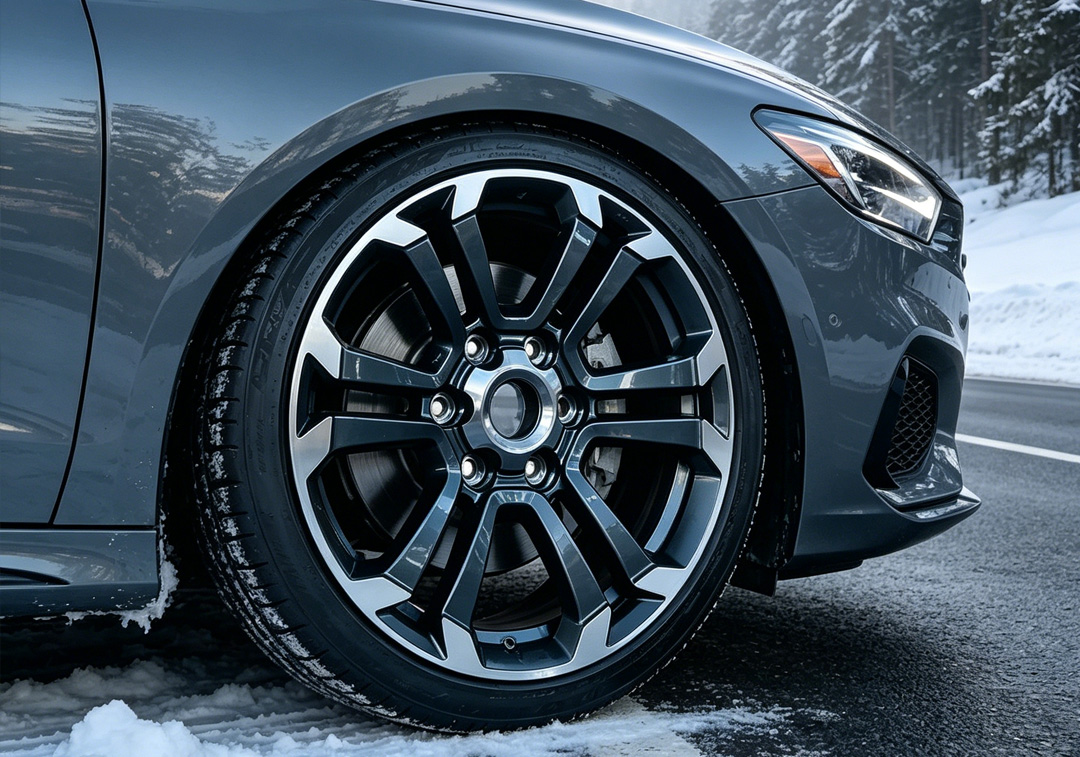
Selecting the correct set of car alloys requires understanding key wheel fitment specifications. Installing improperly sized wheels can cause tires to rub against wheel arches, strain wheel bearings, or interfere with brake calipers.
       ┌─────────────────────────────┐
       │                 CRITICAL FITMENT PARAMETERS              │
       │                                                          │
       │   1. PCD (Bolt Pattern)  ➔ e.g., 5x114.3                │
       │   2. Offset (ET)         ➔ Positive / Zero / Negative   │
       │   3. Center Bore (CB)    ➔ Wheel hub match (mm)         │
       │   4. Diameter & Width    ➔ e.g., 18x8.5 inches          │
       │   5. Load Rating         ➔ Maximum weight capacity      │
       └─────────────────────────────┘
1. PCD (Pitch Circle Diameter) / Bolt Pattern
The PCD indicates the number of lug bolt holes and the diameter of the imaginary circle they form.
-
Example: 5×114.3 means 5 bolt holes arranged along a circle measuring 114.3 mm in diameter. The PCD must match your vehicle hub exactly.
2. Wheel Offset (ET Number)
Offset measures the distance (in millimeters) from the wheel’s true center line to its mounting hub surface.
-
Positive Offset (+ET): The mounting hub faces toward the front outer face of the wheel (common on modern front-wheel-drive and AWD vehicles).
-
Zero Offset (ET0): The mounting hub aligns directly with the center line.
-
Negative Offset (-ET): The mounting hub sits inward toward the vehicle, creating a deep-dish wheel look popular on off-road trucks and wide-body cars.
           NEGATIVE (-)                                       ZERO (0)                             POSITIVE (+)
         ┌───┐  ┌───────┐        ┌───────┬───────┐        ┌───────┐  ┌───┐
         │      │  │              │        │              │              │        │              │  │      │
 Outer ─┼───┼─┼─Hub         │ Outer─┼───────┼Hub ─────┼Outer   │          Hub ┼─┼───┼─ Inner
         │      │  │              │        │              │              │        │              │  │      │
         └───┘  └───────┘        └───────┴───────┘        └───────┘  └───┘
               Deep Dish Look                                Centered                                Standard OEM
3. Center Bore (CB)
The center bore is the machined hole in the middle of the wheel that seats onto the car’s hub flange. For a hub-centric fitment, the wheel center bore must match the hub precisely. If the wheel’s center bore is larger than your hub, you must install hub-centric rings to prevent vibration at highway speeds.
4. Wheel Diameter and Width
Expressed in inches (e.g., 18 x 8.5J), this specifies an 18-inch wheel rim diameter with an 8.5-inch inner width across the tire bead seats.
5. Load Rating
Every alloy wheel carries a structural load rating stamp (e.g., 690 kg / 1,520 lbs per wheel). Ensure the combined load rating of all four wheels comfortably exceeds your vehicle’s Gross Axle Weight Rating (GAWR).
7.Wheel Upsizing: Are Larger Car Alloys Better for Performance?
Many automotive enthusiasts opt to “upsize” their car alloys—replacing factory 17-inch wheels with 19-inch or 20-inch setups. While larger wheels look striking, they involve clear performance tradeoffs:
┌────────────────────────────────────────────┐
│                          UPSIZING TRADE-OFFS                                           │
├────────────────────────────────────────────┤
│           ADVANTAGES (+)                     │         DISADVANTAGES (-)              │
├───────────────────────┼────────────────────┤
│ • Enhanced cornering grip & lateral stability│ • Harsh ride quality over bumps        │
│ • Sharper steering response                  │ • Higher risk of wheel damage          │
│ • Fits larger aftermarket brake kits         │ • Potential decrease in mpg            │
│ • Aggressive stance & aesthetics             │ • Higher tire replacement cost         │
└───────────────────────┴────────────────────┘
When upsizing car alloys, follow the Plus One / Plus Two Rule: as wheel diameter increases, tire sidewall height must decrease proportionally to keep the overall tire outer diameter identical to factory specs. This prevents speedometer calibration errors and clearance issues.
8.Essential Care and Maintenance for Car Alloys
To keep your car alloys looking showroom-new and protect their finish against premature corrosion, follow this straightforward maintenance routine:
  STEP 1: Cool Down ──► STEP 2: Pre-Rinse ──► STEP 3: Clean ──► STEP 4: Protect
 (Never wash hot wheels)   (Blast brake dust)     (pH-neutral soap)     (Apply seal/wax)
-
Avoid Hot Washing: Never spray cold water or rim cleaners onto hot alloy wheels or brake rotors. Thermal shock can warp brake rotors or cause clear-coat flaking.
-
Use pH-Neutral Cleaners: Avoid harsh acid-based cleaners that strip clear coats and discolor bare aluminum hub areas. Stick to dedicated, pH-balanced wheel cleaners.
-
Use Soft Microfiber Brushes: Clean between spokes using soft microfiber wheel barrels or soft-bristle brushes. Avoid abrasive scouring pads.
-
Apply Protective Sealants: Apply a synthetic wheel sealant or ceramic coating twice a year. Coatings repel corrosive brake dust, road salt, and grime, making future washes far easier.
-
Inspect Curb Rash Promptly: Touch up deep scuffs or scratches in the clear coat quickly to prevent road moisture and winter salt from creeping underneath the paint layer.
Frequently Asked Questions About Car Alloys(FAQ)
1.What are car alloys made of?
Car alloys are manufactured primarily from aluminum combined with silicon, copper, and magnesium. This metallic composition delivers strength while keeping the overall wheel structure lightweight.
2.Are car alloys better than steel wheels?
For most passenger vehicles, performance cars, and SUVs, alloy wheels are significantly better. They reduce un-sprung weight, improve vehicle handling and brake ventilation, and offer better visual appeal. However, steel wheels remain a practical choice for budget winter driving due to their low replacement cost and resistance to harsh salt conditions.
3.Can cracked or bent car alloys be repaired safely?
Minor cosmetic curb damage and minor bends along the outer flange can often be safely repaired by qualified rim specialists using heat and specialized hydraulic straighteners. However, wheels with deep cracks running through the spokes, barrel cracks near the mounting hub, or severe structural warps should always be replaced for driving safety.
4.How do I know which car alloys fit my vehicle?
You can find your car’s exact wheel specifications by checking your owner’s manual, looking at the door jamb placard, or checking the stamping on the back of your factory wheels. Verify five key specs: wheel diameter, wheel width, PCD (bolt pattern), offset (ET), and center bore size.
5.Do I need special lug nuts or bolts for aftermarket car alloys?
Yes, in many cases you will need aftermarket hardware. Factory steel wheels often use flat or ball-seat lug nuts, while most aftermarket alloy wheels require 60-degree conical (tapered) seat lug nuts. Using incorrect lug hardware can lead to loose wheels or damaged bolt seats.
Upgrade Your Ride with High-Performance Alloys
Whether you want to lower your car’s unsprung weight for track days, improve cornering stability, or simply upgrade its appearance, choosing the right set of car alloys makes a substantial difference.
Ready to find the ideal wheel fitment for your vehicle? Explore engineered wheel designs, verify fitment parameters, and choose high-quality cast, flow-formed, or forged wheel options crafted for your specific make and model at ATK Wheels. Upgrade your setup today to experience the precision performance and refined styling of true performance alloys!

Greetings from Los angeles! I’m bored to death at work so I decided to check
out your site on my iphone during lunch break. I love the information you present here
and can’t wait to take a look when I get home.
I’m shocked at how quick your blog loaded on my phone ..
I’m not even using WIFI, just 3G .. Anyways, very good
blog!
Thank you for your recognition. We will continue to update. If you want to purchase car wheels, you can contact us. We have a very professional customer service team to provide you with professional services