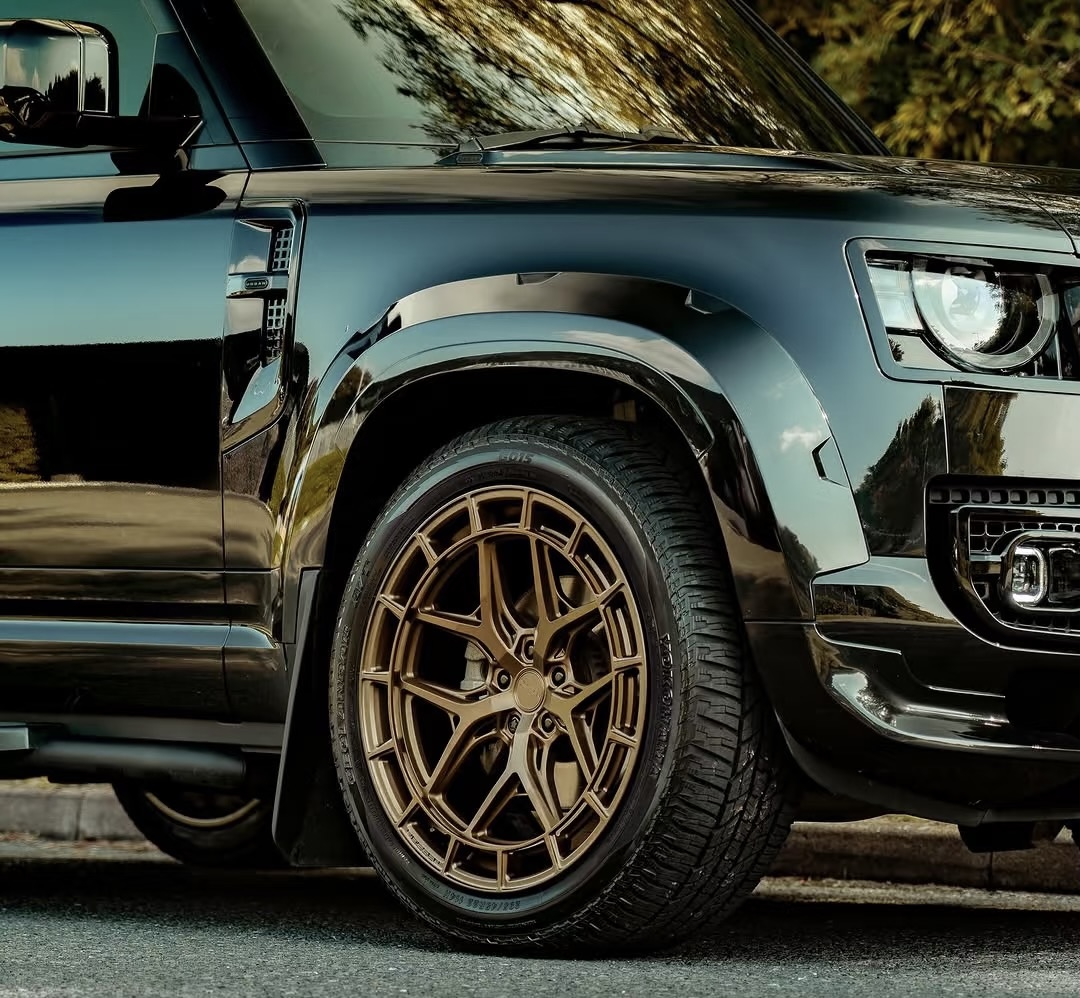
Black Rims: The Ultimate Choice for a Sporty and Modern Vehicle Appearance
Black Rims: The Ultimate Choice for a Sporty and Modern Vehicle Appearance
Black rims have evolved from a niche aftermarket modification into one of the most requested automotive upgrades across the United States. Whether you drive a heavy-duty Ford F-150, a performance Tesla Model 3, a classic Mustang, or a family-friendly Toyota RAV4, swapping factory silver wheels for a set of modern black rims instantly transforms your vehicle’s overall aesthetic.
However, choosing the right set isn’t just about picking a dark wheel off a shelf. To get a perfect fitment that lasts for tens of thousands of miles, you must carefully balance wheel geometry, overall weight, finish durability, and daily maintenance needs. In this extensive breakdown, we explore every critical detail surrounding black rims so you can shop with complete confidence, optimize your stance, and keep your wheels looking brand new year after year.
1.Why Black Rims Dominate Modern Automotive Culture
Look around any highway, suburban driveway, or parking lot in North America, and you will notice a undeniable shift: traditional high-polish chrome is taking a back seat, while muted, dark finishes are front and center. Major Original Equipment Manufacturers (OEMs) like Ford, Chevrolet, Dodge, Toyota, and BMW now offer factory “Blackout,” “Nightshade,” or “Midnight” packages straight off the assembly line to meet this massive demand.
The Visual Science Behind Dark Wheels
Dark colors on a vehicle’s lower half significantly alter its visual weight and proportion. Black rims create a sharp, high-contrast outline against vibrant paint options such as race red, bright white, or velocity blue. When paired with darker paint hues—like magnetic gray, deep metallic blue, or tuxedo black—they deliver a sleek, stealthy look popular in car culture, often referred to as a “murdered-out” aesthetic.
Beyond paint matching, black wheels blend visually with the dark rubber of your tires. This visual continuity trick makes wheel wells look fuller and tire sidewalls look sleeker, creating the appearance of a lower, wider, and more planted vehicle stance without necessarily altering the suspension height.
Visual Impact Across Vehicle Segments
-
Full-Size Trucks & Off-Road SUVs: On lifted trucks and rugged SUVs, black wheels communicate utility, strength, and off-road readiness. They give heavy-duty vehicles an industrial, commercial-grade look that handles dirt, mud, and trail debris with visual ease.
-
Sports Cars & Muscle Cars: Dark finishes directly borrow from modern motorsport heritage. Race cars use lightweight dark wheels to conceal intense heat discoloration and carbon-metallic dust generated by high-performance braking systems.
-
Daily Sedans, Crossovers & EVs: On contemporary commuter vehicles and electric cars, black rims instantly break up bulky body panels and stock profiles. They offer an affordable way to add custom personality without committing to aggressive body kits or permanent alterations.
2.Understanding Black Rim Finishes: Gloss, Satin, and Matte
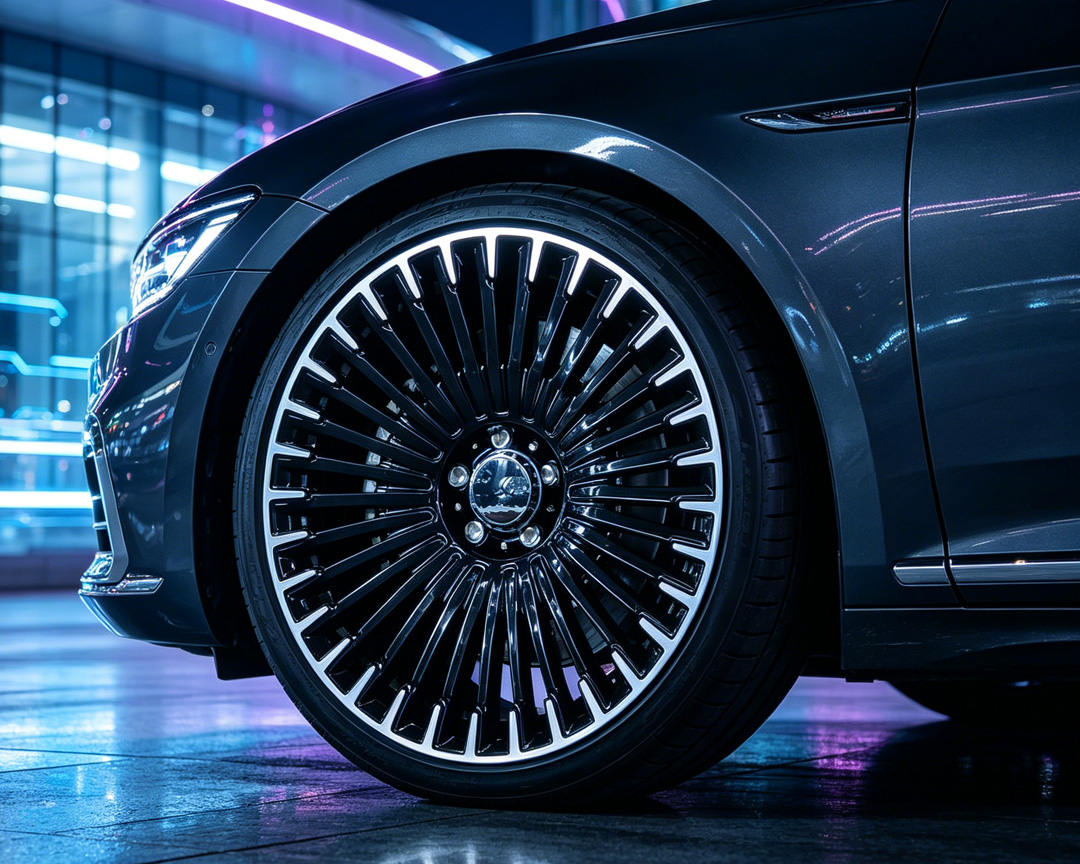
Not all black rims are manufactured or finished the same way. The specific finish you select drastically dictates how ambient light reflects off your wheels, how often you will need to wash your car, and how easily minor surface imperfections like micro-scratches show up under direct sunlight.
Gloss Black
Gloss black wheels are coated with a deep clear coat layer that reflects ambient light much like polished automotive body paint. They produce maximum contrast, sharp reflections, and dramatic showroom appeal. Gloss finishes look exceptionally brilliant when clean and pair effortlessly with glossy vehicle paint finishes. However, gloss black requires delicate care. Automatic drive-thru car washes using stiff spinning brushes can easily introduce microscopic swirl marks into the clear coat over time, which become visible under bright summer sunlight.
Satin Black
Satin black occupies the perfect middle ground between high shine and completely flat tones. It produces a soft, low-luster sheen that absorbs most direct light while retaining rich visual depth. Satin finishes are exceptionally popular among modern performance car owners because they hide fine road film, light dust, and pollen far better than gloss finishes. If you want a contemporary, premium appearance without needing to detail your wheels after every drive, satin black is an ideal finish choice.
Matte Black
Matte black delivers a smooth, non-reflective flat surface with zero shine. It gives off a rugged, military-inspired vibe that makes it a top recommendation for off-road rigs, Jeep Wranglers, and overland builds. While matte finishes do not reveal clear coat swirl marks, their subtle textured surface requires specific cleaning habits. Oil-based tire dressings or acidic wheel cleaning chemicals can leave blotchy, uneven residue on matte surfaces if not washed away completely.
3.Technical Considerations Before Purchasing Black Rims
Upgrading your wheels involves far more than simply selecting an appealing design online. Installing improper wheel dimensions can lead to severe tire rubbing against inner fender liners or suspension struts, speedometer inaccuracy, reduced steering feel, and premature bearing wear. Pay close attention to these vital engineering parameters before buying a new set.
1. Bolt Pattern (Pitch Circle Diameter / PCD)
The bolt pattern specifies the number of lug holes on the wheel and the exact diameter of the invisible circle they form. For example, a “5×114.3” bolt pattern indicates 5 lug holes spaced around a 114.3mm circle—a standard fitment for many Japanese and American sedans. Full-size trucks often require heavier configurations such as 6×139.7 or 8×165.1. Always verify your vehicle’s factory PCD specification, as even a fraction of a millimeter mismatch prevents safe mounting.
2. Wheel Offset and Backspacing
Offset is measured in millimeters and defines the distance from the wheel’s true centerline to its hub-mounting surface. Getting offset right dictates how your wheel sits within the vehicle’s bodywork:
-
Positive Offset: The mounting face sits toward the front face of the wheel. This pulls the wheel inward toward the suspension geometry. It is standard on most modern front-wheel-drive cars, crossovers, and passenger sedans.
-
Zero Offset: The mounting surface lines up directly with the structural center line of the wheel width.
-
Negative Offset: The mounting pad is recessed deep toward the back of the wheel. This forces the wheel outward beyond the outer body fender, creating a wide, aggressive stance popular on lifted trucks, crawlers, and off-road builds.
3. Center Bore and Hub-Centric Fitment
The center bore is the machined opening on the back of the wheel that centers it precisely on your vehicle’s axle hub.
-
Hub-Centric Setup: The wheel’s center bore matches your vehicle hub size perfectly. The hub bears the structural weight of the vehicle, ensuring a smooth, vibration-free ride.
-
Lug-Centric Setup: The wheel center bore is larger than the vehicle hub, meaning the wheel relies entirely on the tapered lug nuts for alignment. If you install aftermarket wheels with a larger bore, always use plastic or aluminum hub-centric adapter rings to prevent high-speed steering wheel vibrations.
4. Structural Manufacturing Methods
-
Cast Aluminum: Molten aluminum is poured into a mold. This process is highly cost-effective, durable, and ideal for standard daily driving applications.
-
Flow-Formed / Rotary Forged: The wheel center is cast, while the outer barrel is stretched and compressed using high-pressure rollers under extreme heat. This strengthens the aluminum grain structure, producing a wheel that is noticeably lighter and stronger than standard cast options.
-
Fully Forged: Machined out of a solid block of aerospace-grade aluminum. Forged wheels offer maximum structural rigidity and ultra-lightweight performance, making them the gold standard for track racing and ultra-high-end vehicles.
4.Black Rims vs. Silver Rims vs. Chrome Rims
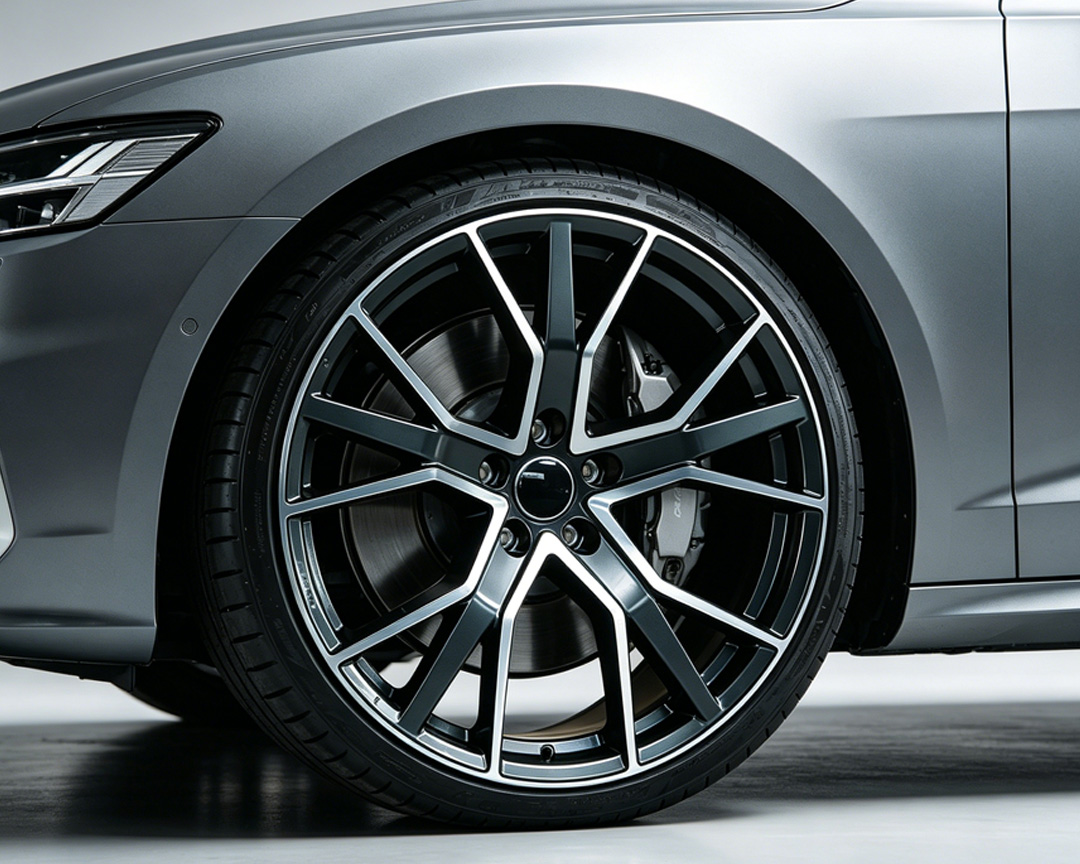
Choosing a wheel color fundamentally sets the tone for your entire vehicle build. Below is a direct head-to-head comparison evaluating how black rims stack up against traditional silver and reflective chrome options across practical real-world factors.
| Feature | Black Rims | Silver Rims | Chrome Rims |
|---|---|---|---|
| Visual Character | Aggressive, Modern, Sporty, Stealthy | Classic, OEM Style, Timeless | High-Luster, Show Car, Retro |
| Brake Dust Hiding | Excellent (dark carbon blends completely) | Moderate (dark dust creates noticeable film) | Poor (dulls mirror shine almost instantly) |
| Scratch Visibility | High on Gloss / Low on Matte | Low (metallic silver masks micro-scratches) | Moderate (fine hairline scratches show in light) |
| Paint Compatibility | Universal (pairs well with any paint color) | Universal (clean factory match across the board) | Best suited for dark, classic, or deep metallic paint |
| Winter Durability | High (durable clear coats withstand road salt) | High (OEM-spec protective coatings handle weather) | Low (susceptible to surface pitting and peeling from salt) |
5.Daily Maintenance: How to Clean and Protect Black Rims
A widespread myth among car enthusiasts is that black rims never look dirty. While dark finishes conceal dark metallic brake dust amazingly well, they show light-colored contaminants like dried mud, light road dust, concrete splatter, and dry water spots much faster than silver wheels. Follow this structured care guide to keep your finish protected.
Step-by-Step Cleaning Protocol
-
Allow Wheels to Cool Completely: Never spray cool hose water or chemical cleaners onto hot wheels or brake components immediately after driving. Thermal shock can warp brake rotors or cause surface coatings to spot permanently.
-
Pre-Rinse Heavy Debris: Use pressure washer spray or a strong hose jet to rinse away loose grit, sand, and mud before touching the wheel surface with a mitt.
-
Use pH-Neutral Dedicated Cleaners: Avoid harsh acidic degreasers, oven cleaners, or raw bleach solutions. Stick to dedicated, pH-balanced wheel soaps that safely lift grime without etching clear coats or clouding satin and matte finishes.
-
Use Separate Cleaning Tools: Maintain a dedicated wash bucket, soft wheel barrel brush, and plush microfiber mitt strictly reserved for your wheels. Never use your wheel mitt on your vehicle’s paintwork, as trapped brake dust particles will scratch paint clear coats.
-
Dry Thoroughly: Do not let water air-dry on dark surfaces in direct sunlight. Use an electric leaf blower, car dryer, or soft microfiber drying towel to remove standing water trapped around lug nut recesses.
Long-Term Protection Upgrades
-
Ceramic Coatings: Applying a professional-grade silica ($SiO_2$) ceramic coating seals the porous surface of your wheel paint. This creates an ultra-hydrophobic slick barrier that prevents hot brake dust from embedding itself, allowing dirt to rinse away using standard water pressure.
-
Touchless Washing: Avoid automated drive-thru car washes equipped with mechanical hanging brushes. Opt instead for touchless laser wash bays or hand washing at home to protect your wheel finish from swirl marks.
Real-World FAQ About Black Rims
1.Are black rims good for everyday driving?
Yes. Quality black rims engineered by reputable aftermarket brands feature durable powder-coated or clear-coated finishes built specifically to withstand everyday pavement debris, minor road gravel, rain, and winter road salt without premature peeling.
2.Do black rims make a car look better?
Black rims give most vehicles a sportier, more aggressive, and modern stance. By visually tying into dark rubber tires, they minimize the visual gap between your wheel arches and tires, creating a grounded, cohesive profile.
3.Are black rims harder to maintain than traditional silver wheels?
They present different maintenance characteristics rather than greater difficulty. Black wheels hide dark brake dust far better than silver options. However, high-gloss black finishes do show white road salt, dried water spots, and light dust sooner, requiring proper drying after washes.
4.What size black rims should I select for my vehicle?
The optimal size depends on your factory dimensions, suspension clearance, and personal ride preferences:
-
Stock Diameter (e.g., 17″-18″): Retains maximum tire sidewall height, preserving factory ride comfort, impact cushion over potholes, and fuel efficiency.
-
Plus-Sizing (e.g., 19″-22″): Fills up wheel arches for a striking, modern look and sharpens cornering response, though it slightly reduces ride softness due to thinner tire sidewalls.
5.Are black rims better than silver rims?
Neither option is objectively superior—it depends on your target aesthetic. Black rims offer a custom, performance-focused, and aggressive style that highlights vehicle body lines. Silver rims deliver a traditional, timeless OEM appearance that retains a classic factory feel.
Elevate Your Vehicle’s Stance with the Perfect Set
Upgrading to a set of high-quality black rims remains one of the single most effective modifications you can make to personalize your ride, improve curb appeal, and stand out on the open road. Whether you are aiming for a tactical matte finish on a lifted truck or a refined gloss setup on a daily commuter, securing the proper combination of bolt pattern, offset, center bore, and durable coating makes all the difference in the world.
Ready to transform your vehicle’s stance and styling? Explore expertly engineered aftermarket wheels, fitment tools, and premium dark finish options at ATK Wheels to discover the exact fitment tailored for your vehicle today!