Automobile Rim: Everything You Need to Know Before Upgrading Your Wheels
Automobile Rim: Everything You Need to Know Before Upgrading Your Wheels
If you have ever looked at your vehicle and felt it was missing a certain edge, or if you have noticed a strange vibration while driving down the highway, your mind probably jumped to your tires. However, there is an equally critical component working right beneath the rubber: the automobile rim.
Choosing the right automobile rim is not just about turning heads on the interstate. The right set of rims impacts your vehicle’s handling, fuel efficiency, safety, and overall performance. Whether you are looking to replace a damaged factory rim, upgrade to a sleek set of aftermarket alloys, or prepare your vehicle for harsh winter weather, understanding the anatomy, materials, and sizing of rims is essential.
This comprehensive article breaks down everything you need to know about automobile rims, ensuring you make an informed decision for your vehicle and budget.
1. Wheel vs. Rim: Clearing Up the Confusion
Before diving into materials and sizing, let’s clear up a major piece of confusion in the automotive world. Many drivers use the terms “wheel” and “rim” interchangeably. While everyone will understand what you mean, they are technically two different things.
Featured Snippet: What is the difference between a wheel and a rim?
The rim is only a part of the wheel. The rim is the outer circular edge that holds the tire in place and seals the air inside. The wheel refers to the entire metal assembly, which includes the rim, the spokes or face, and the central hub that bolts directly to the vehicle’s axle.
When you purchase a new set of “rims” from an online shop or local store, you are actually buying the entire wheel assembly. Understanding this distinction helps when communicating with mechanics or ordering specific replacement parts.
2. Steel vs. Alloy Automobile Rims: Which is Better?
When selecting an automobile rim, the material composition is the most significant factor affecting price, durability, and performance. The two dominant choices on the market are steel rims and alloy (aluminum) rims.
+-----------------------------------------------------------------+
|                         PROS & CONS                             |
+--------------------------------+--------------------------------+
| STEEL RIMS                     | ALLOY RIMS                     |
| + Highly durable & tough       | + Lightweight & agile          |
| + Very budget-friendly         | + Better fuel economy          |
| + Ideal for winter driving     | + Superior heat dissipation    |
| - Heavy & sluggish handling    | - More expensive               |
| - Limited, basic designs       | - Prone to cracking on impacts |
+--------------------------------+--------------------------------+
Steel Rims: The Heavy-Duty Budget Choice
Steel rims are stamped from solid steel and welded together. They are highly functional, utilitarian, and built to take a beating.
-
Durability: Steel is incredibly tough. If you hit a deep pothole, a steel rim is more likely to bend than crack, meaning it can often be hammered back into shape.
-
Winter Performance: Because they are heavier, steel rims lower your vehicle’s center of gravity and help tires bite into snow and ice. This makes them the go-to choice for winter tire setups in cold northern states.
-
Aesthetics: On the downside, steel rims are heavy, which can reduce fuel economy and agility. They also look very basic, usually requiring plastic hubcaps to look presentable.
Alloy Rims: The Performance and Style Standard
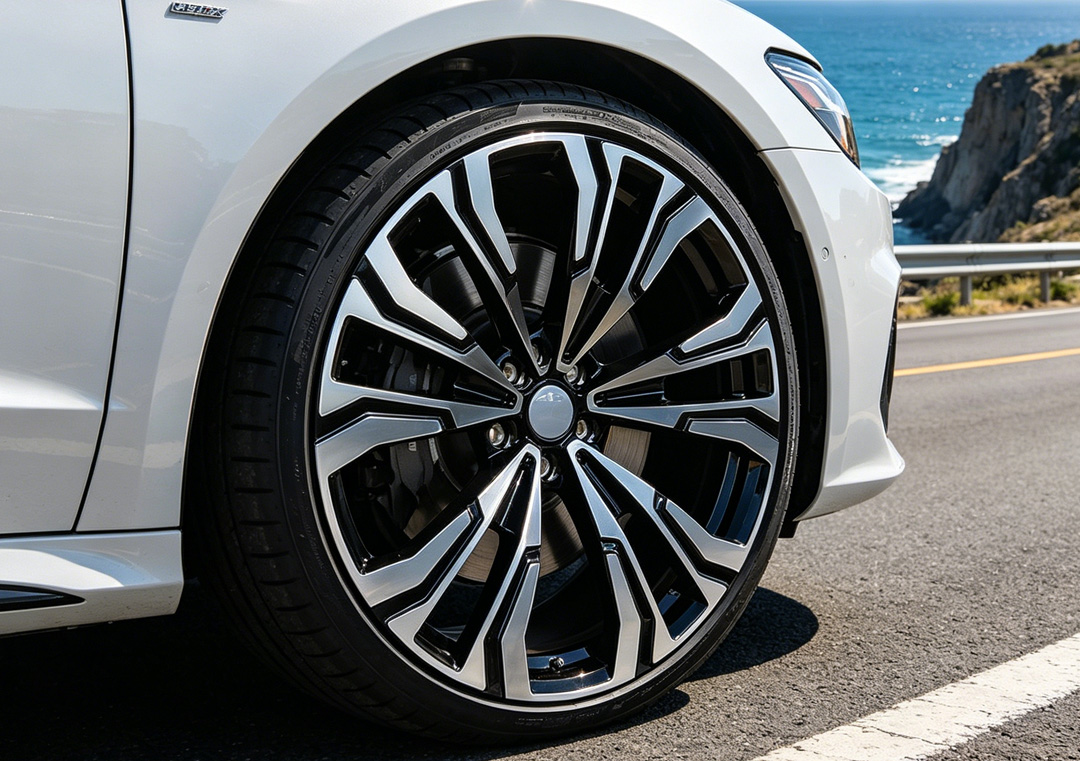
Alloy rims are made from a mixture of aluminum and other light metals, such as magnesium. They are the standard choice for most modern vehicles and aftermarket upgrades.
-
Performance: Being lightweight, alloy rims reduce the unsprung weight of your vehicle. This leads to quicker acceleration, sharper steering response, and improved fuel economy.
-
Heat Dissipation: Aluminum conducts heat better than steel. This helps dissipate heat away from your braking system, reducing brake fade during aggressive driving or mountain descents.
-
Aesthetics: Alloy rims can be cast or forged into thousands of intricate, stylish designs and finished with various paints, polishes, or clear coats.
Material Comparison at a Glance
| Feature | Steel Rims | Alloy Rims |
|---|---|---|
| Material Composition | Stamped Structural Steel | Aluminum/Magnesium Blend |
| Weight | Heavy | Lightweight |
| Cost | Budget-Friendly / Low | Moderate to Premium |
| Impact Resistance | Bends rather than cracks | Can crack under severe impact |
| Visual Variety | Minimal (Requires hubcaps) | Unlimited custom styles & finishes |
| Best Used For | Winter driving, work trucks | Daily driving, track, cosmetics |
3. How to Find and Read Your Automobile Rim Size
You cannot just buy any beautiful automobile rim and expect it to fit your car. Vehicle manufacturers build hubs to incredibly precise dimensions. Installing the wrong size can lead to rubbing against your suspension components, inaccurate speedometer readings, or catastrophic tire failure.
There are three reliable ways to determine your correct automobile rim size:
1. Check the Tire Sidewall
The easiest way to find your current rim diameter is by looking at the alphanumeric code printed on the side of your tire.
-
For example, if your tire reads 205/55R16, the number following the “R” indicates the diameter of the rim in inches. In this case, you need a 16-inch rim.
2. Inspect the Driver’s Side Door Placard
Open your driver’s side door and look at the door jamb. You will find a federal safety sticker or placard listing original equipment specifications. This card displays the factory-recommended tire sizes and the corresponding rim dimensions (e.g., 16x7J).
3. Read the Back of the Rim Itself
If you take the wheel off the vehicle, you will find numbers stamped directly into the metal on the back of the hub or spokes.
-
A stamp like 16x7J means the rim has a 16-inch diameter and a 7-inch width. The “J” refers to the specific shape of the rim contour where the tire bead seats.
Other Critical Dimensions to Know
When buying aftermarket automobile rims, diameter and width are only half the battle. You must also match:
-
Bolt Pattern: The number of bolt holes and the diameter of the circle they form (e.g., 5×114.3).
-
Offset: The distance from the mounting surface to the true centerline of the wheel, measured in millimeters. This determines whether the wheel sits tucked inside the fender or pushes outward.
-
Center Bore: The machined opening in the center of the rim that fits snugly over the vehicle’s hub lip.
4. Why Aluminum Rims Corrode (and How to Prevent It)
If you own alloy automobile rims, you might eventually notice white, powdery spots, bubbling paint, or pitting along the edges. This is aluminum corrosion.
While aluminum does not rust in the traditional red-iron sense, it oxidizes when its protective clear coat layer is compromised.
The Major Causes of Rim Corrosion
-
Road Salt and Chemical De-icers: Used heavily during US winters, these chemicals aggressively eat through clear coats and attack bare aluminum.
-
Brake Dust: Every time you step on the brakes, tiny, red-hot metallic shards shed from your brake pads. If left on the rim, these shards burn into the protective finish and create entry points for moisture.
-
Moisture and Road Grime: Regular humidity combined with trapped dirt creates a corrosive microenvironment on the wheel face.
Proactive Steps to Protect Your Rims
To maintain the shine and structural integrity of your automobile rim, implement this routine:
-
Regular Wash Cycles: Wash your rims at least once every two weeks. Use a dedicated, pH-neutral wheel cleaner and a soft microfiber wash mitt. Avoid aggressive acid cleaners or abrasive brushes that can scratch the finish.
-
Remove Brake Dust Promptly: Never let dark brake dust sit on your wheels for weeks at a time.
-
Apply a Protective Sealant: Every 3 to 6 months, apply a high-quality wheel wax, sealant, or a DIY ceramic coating. This creates a hydrophobic barrier that repels brake dust, water, and road salt, making future cleaning much easier.
5. The Hidden Dangers of Driving on a Bent Rim
Potholes, curb impacts, and debris on the highway are a daily reality for American drivers. It is incredibly tempting to ignore a minor ding on your automobile rim, especially if the tire seems to be holding air. However, driving on a bent rim is highly discouraged.
Why Even a “Slight” Bend is Dangerous
-
Slow Air Leaks: The rim and the tire bead must form an airtight seal. A slight deformation can cause a slow leak, leaving you with a flat tire at an inconvenient moment.
-
Uneven Tire Wear: A bent rim causes the tire to rotate unevenly, which rapidly chews through tread patterns and ruins an expensive set of tires prematurely.
-
Vibrations and Mechanical Stress: You will feel a bent rim as a persistent shaking in your steering wheel or seat. Over time, these vibrations put immense stress on your wheel bearings, ball joints, and steering rack, leading to costly mechanical repairs.
-
Blowout Risk: At highway speeds, an structurally compromised rim undergoes massive rotational forces. A small bend can suddenly fail under stress, triggering a sudden tire blowout and a loss of vehicle control.
If you suspect your automobile rim is bent, have a professional wheel repair shop or tire center inspect it immediately. Many minor bends on the inner lip can be safely straightened using specialized hydraulic machinery, saving you the cost of a full replacement.
Frequently Asked Questions (FAQ)
1.What is the most durable type of automobile rim for daily driving?
For pure durability against structural damage like cracks, steel rims are the most rugged. However, high-quality, flow-formed or forged alloy rims offer excellent strength-to-weight ratios for daily driving, balancing resilience with performance.
2.Can I change my automobile rim size without changing my car’s suspension?
Yes, within reason. This practice is often called “plus-sizing.” If you buy a larger rim diameter, you must install a tire with a lower profile (shorter sidewall) so that the overall rolling diameter of the tire remains the same as factory specifications.
3.How often should I check my rims for damage?
It is wise to do a quick visual inspection every time you wash your car or check your tire pressure—roughly once a month. Pay close attention after striking a deep pothole or scraping a curb.
4.Why are my alloy rims losing air pressure when there is no nail in the tire?
This is frequently caused by bead corrosion. Over time, corrosion builds up on the inner lip of the rim where the tire seats, breaking the airtight seal. A tire shop can unmount the tire, grind away the corrosion, apply a bead sealant, and remount the tire to fix the issue.
5.Is it safe to buy used automobile rims?
Buying used rims can save you money, but it requires caution. Always inspect used rims in person for hairline cracks, severe curb rash, or signs of re-welding. If possible, have a local tire shop spin them on a balancing machine to ensure they are perfectly round before purchasing.
Upgrade Your Ride Today
Your vehicle’s wheels are a major point of contact between your car and the open road. Keeping your rims clean, tracking down unexpected vibrations, and knowing your sizing parameters keeps your journeys smooth and your vehicle performing at its absolute best.
If you are ready to trade out your old, worn rims for something built to perform, look no further than the curated selections at ATK Wheels. Offering structural strength, precision fitments, and designs tailored for modern vehicles, ATK Wheels has everything you need to upgrade your driving experience. Explore our premium inventory today and find the perfect match for your vehicle.