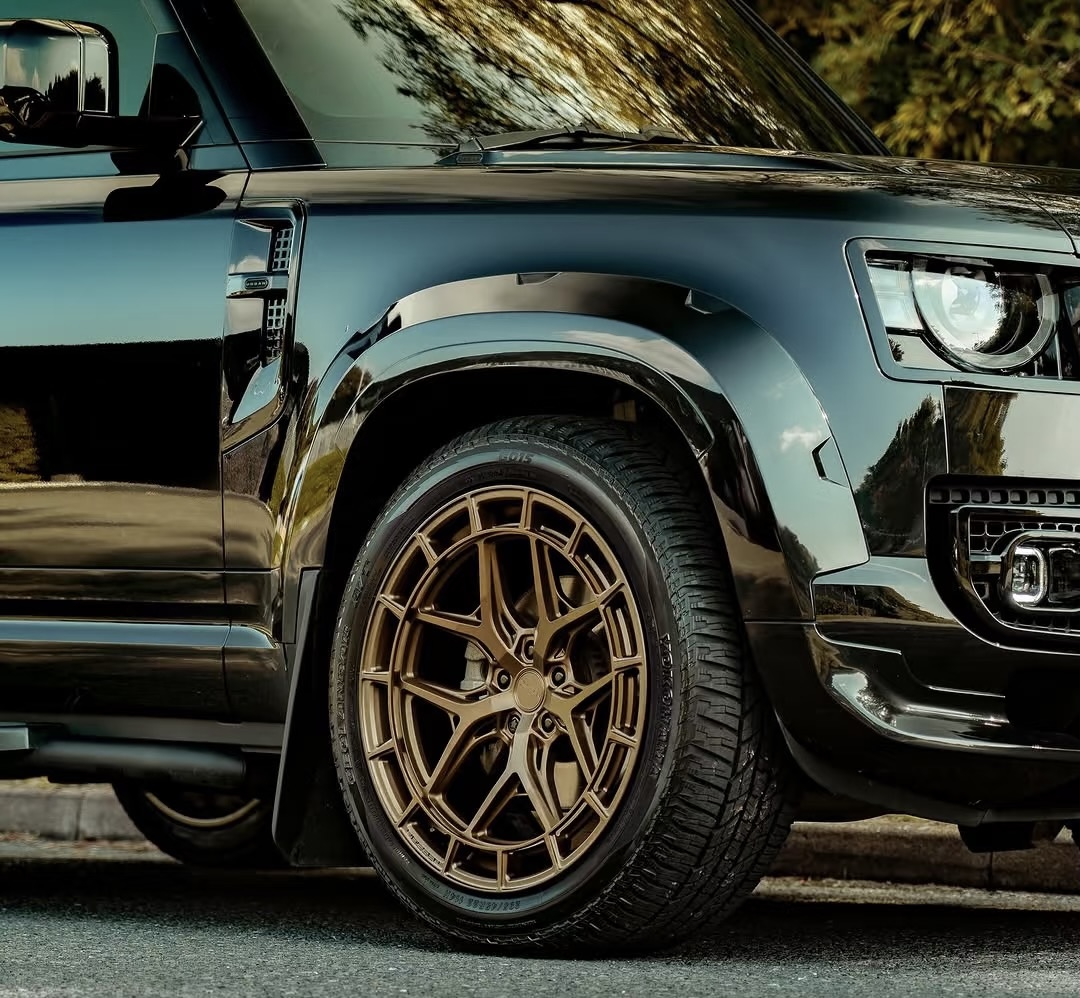
Auto Alloy Wheels: The Complete Guide for Car Enthusiasts
Auto Alloy Wheels: The Complete Guide for Car Enthusiasts
If you’re looking to upgrade your vehicle’s performance and appearance, auto alloy wheels are one of the most effective modifications you can make. Lightweight, durable, and stylish, these wheels not only improve your car’s handling but also enhance fuel efficiency. In this guide, we’ll explore everything you need to know about auto alloy wheels, their types, benefits, how to choose them, and more.
What is an Auto Alloy Wheel?
To understand why they are so popular, we first need to look at what they are made of.
Understanding the Materials
In the automotive industry, auto alloy wheels are rims made from a mixture (an alloy) of aluminum or magnesium combined with other metallic elements.
Pure metals like raw aluminum are surprisingly soft and ductile, making them poorly suited for the daily abuse of American roads. By blending aluminum with elements like silicon, nickel, or manganese, manufacturers create a material that is significantly stronger, stiffer, and lighter than pure metal.
Why Weight Matters: Unsprung Mass
The primary engineering benefit of an auto alloy wheel is its weight. Alloys are substantially lighter than traditional steel wheels. In the automotive world, reducing unsprung mass—the weight of the components not supported by the car’s suspension (like wheels, tires, and brakes)—directly translates to:
-
Quicker acceleration because the engine has less rotational mass to spin.
-
Sharper handling as the suspension can react faster to bumps and road imperfections.
-
Better fuel economy due to reduced overall vehicle weight.
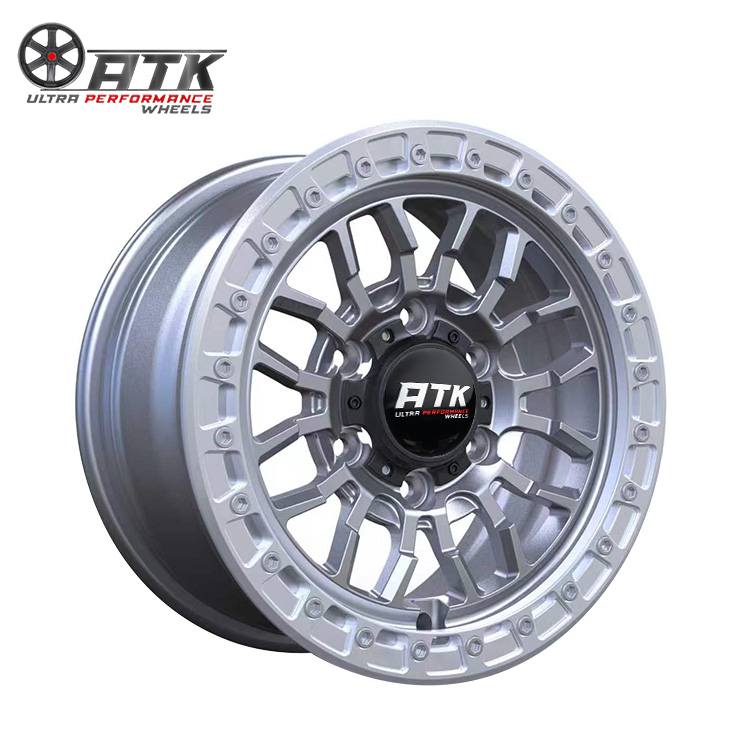
Alloy Wheels vs. Steel Wheels vs. Other Rim Types
When shopping for new rims, you will generally run into four primary categories. Understanding how they stack up against each other is crucial for making the right investment.
The 4 Main Types of Rims
-
Steel Wheels: The traditional choice. They are heavy, incredibly durable, cheap to manufacture, and usually covered with plastic hubcaps.
-
Aluminum Alloy Wheels: The industry sweet spot. They offer the perfect balance of lightweight performance, structural strength, and design flexibility.
-
Chrome Wheels: These are actually alloy or steel wheels with a polished chrome plating. They offer a mirror-like shine but require high maintenance to prevent peeling.
-
Magnesium Wheels (“Mag Wheels”): Extremely light and strong, but highly expensive and prone to corrosion. They are typically reserved for professional track racing.
Side-by-Side Comparison
To help you visualize the differences, let’s look at how these materials compare across key performance metrics:
Feature Aluminum Alloy Wheels Steel Wheels Chrome Wheels Magnesium Wheels
Weight Lightweight Heavy Medium-Heavy Ultra-lightweight
Cost Moderate to High Low / Budget-friendly High Extremely High
Styling Options Virtually limitless Very limited (Basic) High-shine aesthetic Sport/Race styles
Durability High (can crack under extreme impact) Extremely High (bends rather than cracks) Subject to pitting/peeling Brittle under daily road stress
Best Used For Daily driving, styling, performance Winter driving, work trucks Custom show cars Professional track racing
Are Alloy Wheels Good or Bad? The Pros and Cons
Like any automotive component, choosing an auto alloy wheel involves a few trade-offs. Let’s look at the honest pros and cons to help you decide if they fit your driving habits.
The Advantages (The Good)
-
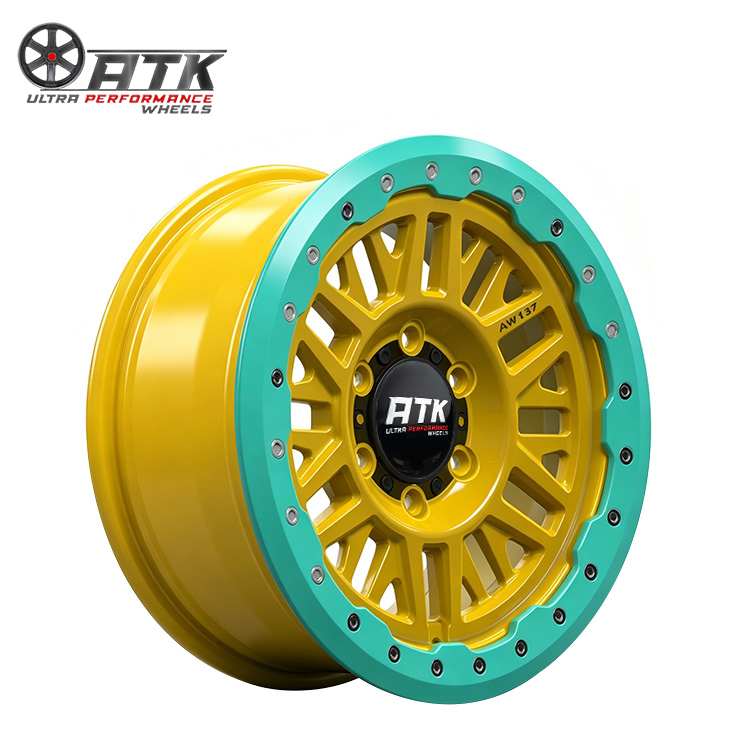
Stunning Aesthetics: Because molten alloy can be cast or forged into complex shapes, alloy wheels come in thousands of striking designs, finishes (machined, matte black, gunmetal), and spoke configurations.
-
Improved Heat Dissipation: Aluminum conducts heat much better than steel. Alloy rims help pull heat away from your brake calipers and rotors, reducing the risk of brake fade during steep descents or spirited driving.
-
Enhanced Driving Dynamics: Safer cornering, shorter stopping distances, and a more responsive steering feel.
-
Rust Resistance: Unlike steel, aluminum alloys do not rust into ugly brown flakes when exposed to rain, road salt, or moisture.
The Disadvantages (The Bad)
-
Vulnerability to Cracking: While steel bends under massive impacts (like hitting a deep pothole at 60 mph), aluminum alloy is more rigid and can crack or fracture under extreme force.
-
Higher Repair Costs: Fixing a curb-rashed or bent alloy wheel requires specialized cosmetic or structural repair, which costs more than replacing a basic steel rim.
How Auto Alloy Wheels Are Made: Cast vs. Flow-Formed vs. Forged
Not all alloy wheels are created equal. The manufacturing process deeply influences both the price tag and the structural integrity of the wheel.
1. Cast Alloy Wheels
This is the most common and affordable method. Liquid aluminum is poured into a mold, cooled, and finished. While incredibly cost-effective, cast wheels can sometimes contain tiny microscopic air bubbles, making them slightly heavier and weaker than other types.
2. Flow-Formed Wheels
A hybrid process where a cast wheel is placed on a specialized machine that spins and heats the rim while hydraulic rollers stretch the barrel. This aligns the molecular structure of the aluminum, creating a wheel that is significantly lighter and stronger than a standard cast wheel, at a fraction of the cost of a forged wheel.
3. Forged Alloy Wheels
The pinnacle of wheel technology. A solid block of aerospace-grade aluminum is subjected to immense pressure and heat, crushing out any imperfections. Forged wheels are incredibly dense, exceptionally strong, and ultra-lightweight. However, because the process requires massive industrial machinery, they are the most expensive options on the market.
How to Choose the Perfect Auto Alloy Wheels for Your Car
Buying new wheels isn’t quite as simple as picking a design you like. You need to ensure perfect mechanical compatibility with your vehicle. An improper fit can cause your tires to rub against the fenders, damage your suspension, or even cause a catastrophic failure while driving.
Before making a purchase from a reputable vendor like ATK Wheels, keep these crucial technical steps in mind:
1. Check the Bolt Pattern
Your car’s hub has a specific number of wheel studs arranged in a precise circle. A bolt pattern looks like 5×114.3 or 5×4.5, meaning 5 bolts arranged in a circle with a diameter of 114.3 millimeters. The new wheel must match this exactly.
2. Get the Right Wheel Size (Diameter and Width)
If you are upgrading from 16-inch factory wheels, you might want to step up to 17 or 18 inches for a sportier look. Keep in mind that increasing wheel size usually means buying new, lower-profile tires to maintain the correct overall tire diameter.
3. Understand Offset and Backspacing
-
Offset: The distance from the wheel’s mounting surface to its true centerline. It dictates whether the wheel sits tucked inside the fender or pushes outward for a flush, aggressive stance.
-
Backspacing: The distance from the mounting surface to the back edge of the rim. Proper backspacing ensures the wheel won’t hit your brake calipers or suspension struts.
4. Determine Your Driving Needs
Do you drive a commuter sedan in a city prone to potholes? A durable cast or flow-formed wheel with a bit more tire sidewall is ideal. Driving an autocross track car? Prioritize ultra-lightweight forged alloys.
5. Check Weight and Load Ratings
Ensure the wheels you select are rated to carry the weight of your vehicle, especially if you drive a heavy electric vehicle (EV) or a mid-size SUV. EVs require high load-rated wheels due to their heavy battery packs.
How to Maintain and Protect Your Alloy Wheels
To keep your new investment looking pristine, you need to care for them properly. Brake dust is highly corrosive; if left on an alloy wheel for too long, it can permanently pit and destroy the clear coat finish.
-
Avoid Automatic Car Wash Brushes: The stiff nylon brushes used in mechanical car washes can leave micro-scratches all over your alloy finish. Stick to hand washing or touchless washes.
-
Use pH-Balanced Cleaners: Avoid harsh, acid-based cleaners that can strip away the wheel’s protective clear coat. Use a dedicated, color-changing wheel cleaner that targets iron brake dust safely.
-
Apply a Ceramic Coating: To make cleanup a breeze, apply a high-quality DIY ceramic coating to your wheels. This creates a hydrophobic barrier that prevents brake dust from baking onto the surface.
Frequently Asked Questions (FAQs)
What is the average lifespan of an auto alloy wheel?
With proper care and normal driving conditions, alloy wheels can easily last the entire lifespan of the vehicle. They do not degrade naturally over time, though severe curb damage or structural cracks from potholes can compromise their safety.
Can I use alloy wheels during winter?
Yes, you can. However, road salt and liquid de-icers used during American winters can dull or corrode polished or machined finishes over time. If you use alloys in the winter, ensure they have a durable painted or clear-coated finish, and wash them regularly. Many drivers prefer switching to basic steel wheels for winter and saving their nice alloys for spring.
How do I know if my alloy wheel is cracked or just scratched?
A scratch is purely cosmetic and only affects the paint or clear coat. A crack will look like a fracture line, often extending from the edge of the rim inward or across a spoke. If you notice your tire is consistently losing air pressure without an obvious nail in the tread, you may have a hairline crack in the wheel barrel. Have it inspected by a professional immediately.
Does upgrading to alloy wheels increase resale value?
Yes, high-quality, tasteful alloy wheels can increase the curb appeal and resale value of a used car. Buyers generally prefer the modern look of alloys over basic steel wheels with hubcaps. Always keep your original factory wheels if you plan on trading the vehicle in later.
Conclusion: Ready to Transform Your Drive?
Investing in a quality set of auto alloy wheels is one of the smartest upgrades you can make for your vehicle. By dropping unsprung weight and adding structural rigidity, you unlock an immediate improvement in how your car steers, stops, and accelerates—all while completely elevating its visual presence on the road.
Before you buy, make sure to verify your vehicle’s bolt pattern, offset, and size constraints.
Upgrade Today
Ready to find the perfect fitment for your vehicle? Explore a massive selection of premium designs tailored to your car’s exact specifications. Visit ATK Wheels today to browse industry-leading alloy wheels built for performance, durability, and style!