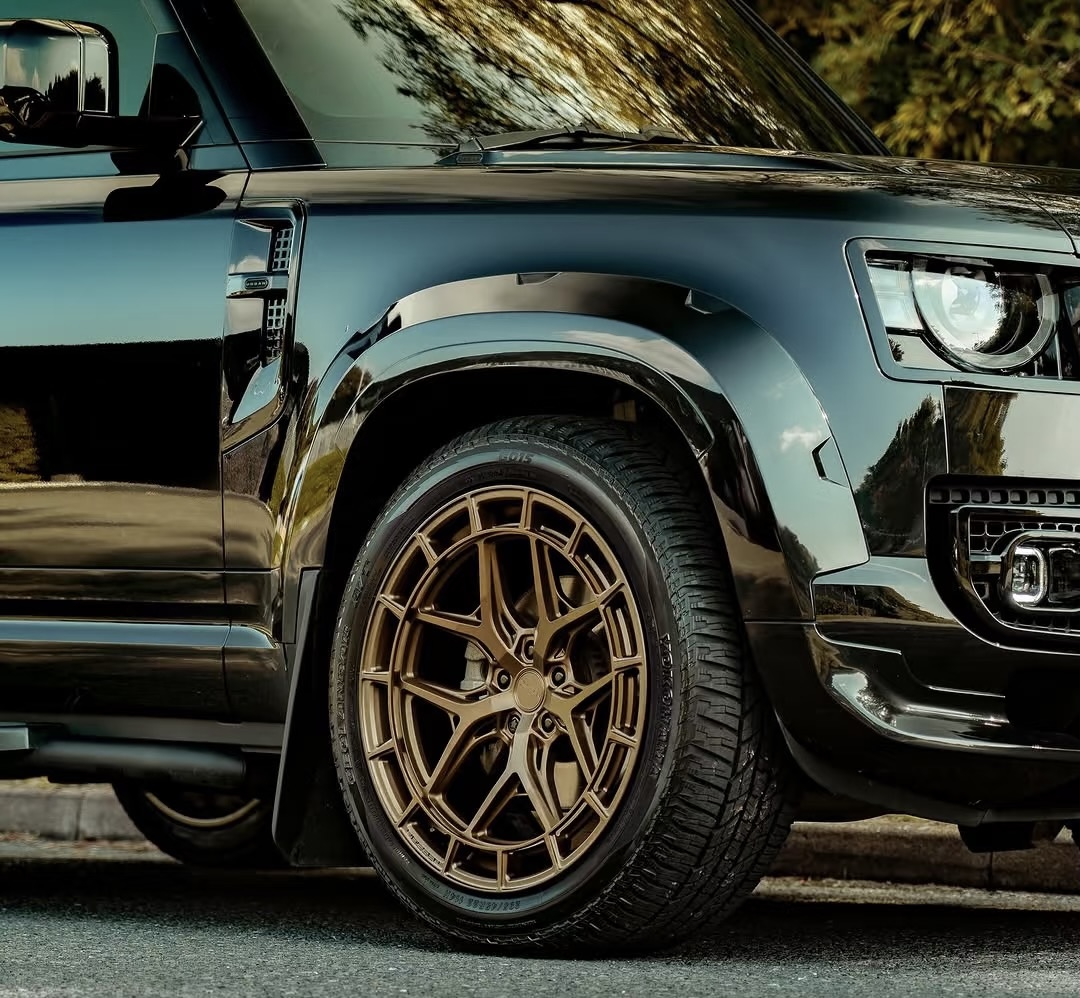
Alloy Rim Wheels: What Drivers Should Know Before Buying
Alloy Rim Wheels: What Drivers Should Know Before Buying
Whether you are restoring a classic muscle car, setting up a track-day build, or upgrading your daily commuter, choosing the right alloy rim wheels is one of the most effective modifications you can make to your vehicle. Beyond the obvious aesthetic upgrade, the right set of wheels reshapes how your vehicle accelerates, handles, and stops.
However, navigating technical specifications—from bolt patterns and offsets to manufacturing metallurgy—can feel overwhelming. This walkthrough breaks down everything you need to know about alloy rim wheels, helping you choose the exact setup for your driving needs, budget, and style.
1. What Are Alloy Rim Wheels? (Materials and Metallurgy)
An alloy rim wheel is a wheel forged or cast from a composite mixture of non-ferrous metals—primarily aluminum combined with smaller percentages of nickel, magnesium, or silicon.
Unlike traditional stamped steel wheels, which rely on heavy iron compositions, alloy rims leverage the unique properties of lighter non-ferrous materials.
Direct Definition (Featured Snippet Target)
Alloy rim wheels are automotive wheels constructed from a blend of aluminum and other metals like magnesium or nickel. This non-ferrous composite creates a wheel that is significantly lighter, stronger, and more heat-conductive than standard steel alternatives, improving vehicle handling, braking performance, and fuel efficiency.
Metallurgy Breakdown
-
Aluminum Base: Provides low density, high strength-to-weight ratios, and natural corrosion resistance.
-
Magnesium Additives: Often used in high-performance or racing applications to drop weight even further while maintaining structural rigidity.
-
Silicon & Nickel Alloys: Enhance structural integrity, making the rim less brittle and better able to absorb road vibrations and minor impacts.
By dropping unsprung weight (the mass not supported by your vehicle’s suspension), aluminum alloy wheels allow your shocks and struts to respond faster to bumps and dips in the road.
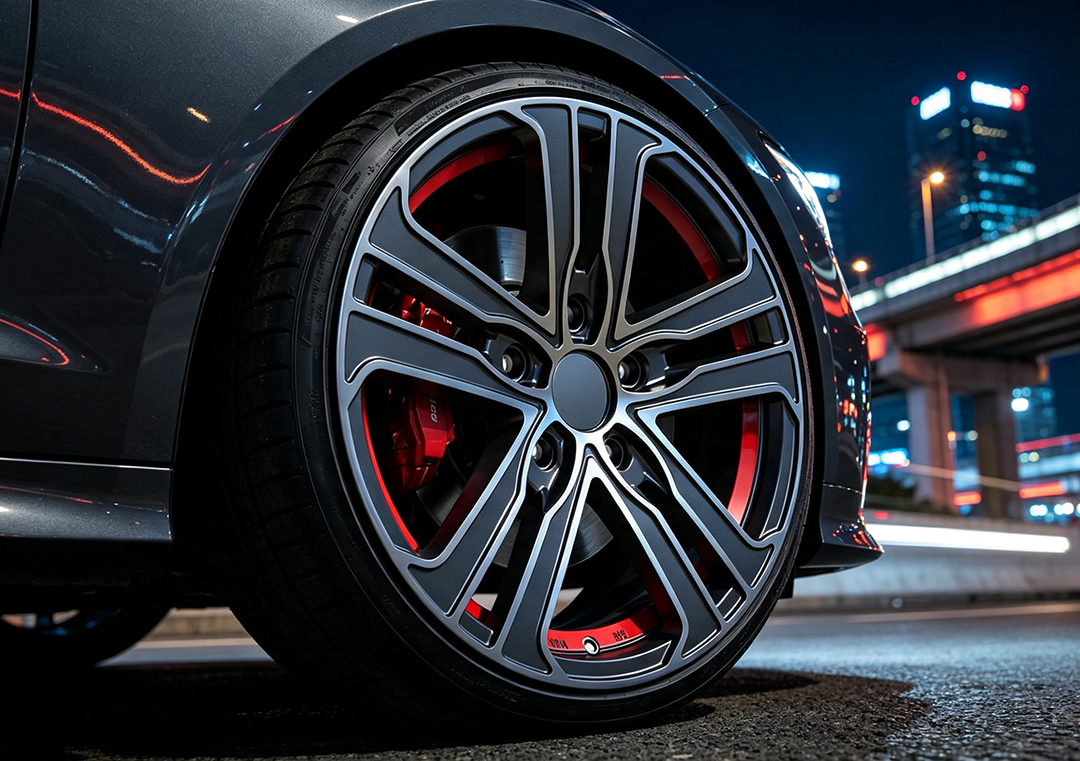
2. Alloy vs. Steel Wheels: Key Differences
When selecting wheels, drivers usually compare custom alloy setups against factory-standard steel rims. While steel remains a cost-effective option for winter tires or heavy-duty utility trucks, alloy wheels dominate the consumer market for distinct performance reasons.
| Feature / Metric | Alloy Rim Wheels | Traditional Steel Wheels |
|---|---|---|
| Material Composition | Aluminum blend (with Mg/Ni/Si) | Stamped carbon steel |
| Average Weight | Light (15 - 25 lbs per wheel) | Heavy (25 - 35+ lbs per wheel) |
| Heat Dissipation | Excellent (reduces brake fade) | Poor (retains friction heat) |
| Handling Response | Sharp, agile steering feedback | Heavy, stiffer steering feel |
| Design Variety | Unlimited spoke styles & finishes | Basic black/silver with hubcaps |
| Impact Resistance | Absorbs stress, may crack under extreme load | Bends easily, rarely cracks |
| Cost | Moderate to High | Low / Budget-Friendly |
Performance Advantages of Alloy Rims
-
Lower Unsprung Mass: Reducing weight at the wheel hub allows your engine to turn the wheels with less effort, sharpening initial acceleration and reducing rotating inertia.
-
Superior Heat Dissipation: Aluminum conducts heat away from your brake calipers and rotors far quicker than steel. This prevents brake fluid overheating and minimizes brake fade during spirited driving or downhill towing.
-
Fuel Economy: Lower overall mass means less energy required to keep the vehicle in motion, contributing to measurable improvements in MPG.
3. How Alloy Wheels Are Made: Cast vs. Forged vs. Flow-Formed
Not all alloy rims are manufactured the same way. The construction method dictates the wheel’s grain structure, weight, overall structural integrity, and price point.
Cast Alloy Wheels (Low-Pressure vs. Gravity Casting)
Casting is the most common and budget-friendly manufacturing technique. Molten aluminum is poured into a pre-shaped mold to form the wheel structure.
-
Gravity Casting: Liquid aluminum is poured directly into the mold using basic gravity. It is economical but can leave microscopic air pockets inside the metal.
-
Low-Pressure Casting: Molten alloy is pumped into the mold from underneath under light pneumatic pressure. This reduces internal voids, creating a denser, stronger rim than gravity casting.
Forged Alloy Wheels
Forging is the gold standard for high-performance and luxury applications. A solid billet of high-grade aluminum is subjected to extreme heat and thousands of tons of hydraulic pressure.
-
Grain Structure: The intense pressure aligns the internal grain flow of the aluminum along the contours of the wheel shape.
-
Strength & Weight: Forged wheels are up to 30% stronger and substantially lighter than cast wheels of the same diameter, allowing for thinner spoke designs without sacrificing load capacity.
Flow-Formed Wheels (The Hybrid Approach)
Flow-forming (also called rotary forging) starts with a specialized low-pressure cast blank. The outer barrel is then spun at high speeds while hydraulic rollers apply intense heat and force to stretch and shape the rim wall. This process aligns the aluminum grains in the barrel, giving it structural strength near that of a fully forged wheel at a fraction of the cost.
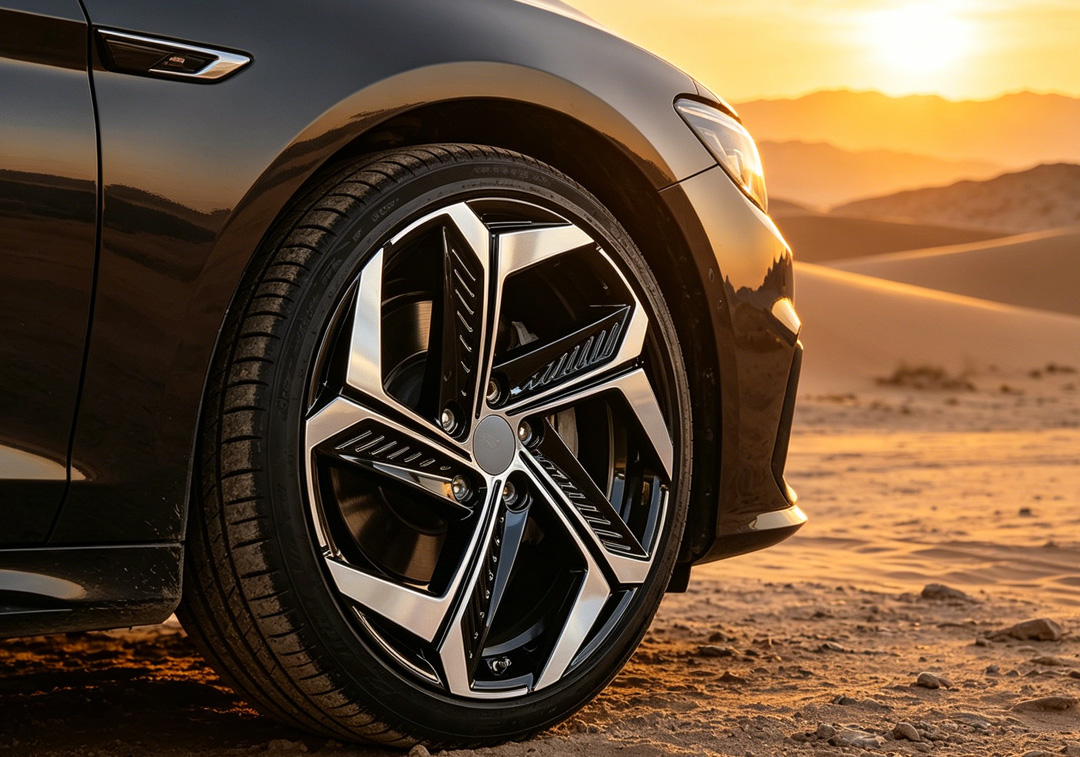
4. Key Specifications You Must Check Before Buying
Choosing a wheel design is only half the battle; ensuring proper mechanical fitment is critical to driving safety. Installing incorrect wheel specs can cause clearance issues with brake calipers, suspension struts, and fender walls.
       +------------------------------------+
       |   CRITICAL FITMENT CHECKLIST       |
       +------------------------------------+
       |  [1] Bolt Pattern (PCD)            |
       |  [2] Wheel Diameter & Width        |
       |  [3] Wheel Offset (ET)             |
       |  [4] Center Bore & Hub-Centric Ring|
       |  [5] Load Rating Capacity          |
       +------------------------------------+
1. Bolt Pattern (Pitch Circle Diameter – PCD)
The bolt pattern indicates how many lug holes the wheel has and the diameter of the imaginary circle they form. For example, a 5×114.3 spec means 5 lug nuts positioned on a 114.3mm circle. Always match your car’s exact factory PCD unless you plan to run specialized adapter plates.
2. Wheel Offset (ET)
Wheel offset is the distance (measured in millimeters) from the wheel’s mounting hub surface to its true centerline.
-
Positive Offset (+ET): The mounting surface is closer to the front face. Common on modern front-wheel-drive vehicles.
-
Zero Offset (ET0): The mounting surface lines up directly with the wheel’s geometric center.
-
Negative Offset (-ET): The mounting surface sits deep toward the back of the wheel, pushing the rim outward for a wider, aggressive stance.
3. Center Bore & Hub-Centric Rings
The center bore is the machined opening on the back of the wheel that slips over your car’s axle hub. To prevent high-speed wheel vibration, your alloy rims should be hub-centric (matching your vehicle’s exact hub diameter). If buying aftermarket wheels with a larger bore, always install aluminum or polyurethane hub-centric rings to bridge the gap.
4. Load Rating
Verify that the aftermarket wheel’s maximum load capacity rating exceeds half of your vehicle’s total axle weight rating (GAWR). Installing under-rated passenger car wheels on a heavy SUV or truck can lead to premature wheel fatigue or structural failure over deep potholes.
5. Maintenance, Corrosion Control, and Repairs
Alloy wheels require dedicated care to preserve their protective clear coats and structural strength over years of exposure to road debris and weather.
Do Alloy Rim Wheels Rust?
Alloy wheels do not produce traditional iron rust (ferric oxide) because they contain virtually zero iron. However, they are susceptible to aluminum oxidation, chemical pitting, and galvanic corrosion.
When protective clear coats are scratched by curb rash or harsh chemicals, raw aluminum reacts with oxygen and road salts, forming a powdery white oxidation layer beneath the clear coat.
     Clear Coat Scratched / Chipped
                   │
                   ▼
  Exposure to Moisture & Debris / Salt
                   │
                   ▼
  Raw Aluminum Oxidizes (White Powdering)
                   │
                   ▼
  Finish Flaking & Air Bead Leakage
Professional Care & Cleaning Protocol
-
Avoid Acid-Based Cleaners: Never use harsh industrial degreasers or acid-heavy cleaners. Stick to pH-balanced wheel shampoos and micro-fiber wash mitts.
-
Clean When Cool: Never spray cold water or wheel cleaners onto hot rims directly after driving; sudden thermal shock can warp thin clear coats or hot brake rotors.
-
Apply Synthetic Sealants: Apply a high-quality ceramic coating or dedicated wheel wax twice a year. This creates a hydrophobic layer that repels stubborn metallic brake dust and road grime.
Repairability: Minor Damage vs. Total Replacement
-
Cosmetic Scuffs & Curb Rash: Easily repaired by wheel restoration specialists through sanding, filling, and re-spraying clear coats.
-
Minor Bends: Slight bends along the inner lip can often be straightened using specialized hydraulic wheel rollers.
-
Structural Cracks: Severe fractures across spoke faces or deep barrel cracks compromise structural safety. Cracked alloy wheels should always be replaced rather than welded, as welding alters the metal’s heat treatment and structural strength.
Frequently Asked Questions(FAQ)
1.What are alloy rim wheels made of?
Alloy rim wheels are made from a composite blend of aluminum combined with smaller ratios of metals such as magnesium, nickel, or silicon. This metallic mixture delivers higher structural strength, lower total weight, and superior heat dissipation compared to traditional steel wheels.
2.What is the main difference between alloy wheels and steel wheels?
The primary differences lie in weight, performance, and manufacturing flexibility. Alloy wheels are significantly lighter and dissipate heat faster, resulting in improved vehicle handling, sharper steering, and better fuel efficiency. Steel wheels are heavier, cheaper, and more resistant to impact bending, but offer limited styling options.
3.What is the difference between cast and forged alloy wheels?
Cast alloy wheels are produced by pouring liquid molten metal into molds, making them affordable but slightly heavier and more brittle. Forged alloy wheels are formed from a solid block of aluminum under intense hydraulic pressure, yielding a much stronger, lighter, and durable rim.
4.Can bent or cracked alloy wheels be repaired safely?
Cosmetic scuffs, minor curb rash, and small inner-lip bends can usually be repaired by professional technicians using hydraulic straighteners. However, wheels with deep structural cracks, severe spoke damage, or major warps should be replaced immediately for driving safety.
5.Do alloy rim wheels rust over time?
Alloy rim wheels do not form traditional reddish-brown iron rust. However, unsealed aluminum can develop white chemical oxidation and surface pitting when exposed to road salt, moisture, and aggressive cleaning chemicals over long periods.
Final Thoughts: Upgrade Your Drive Today
Upgrading to premium alloy rim wheels is one of the most rewarding investments you can make for your vehicle. By selecting the correct sizing parameters, load ratings, and manufacturing methods for your specific application, you unlock sharper handling dynamics, shorter braking distances, and an upgraded exterior profile.
Ready to find the ideal wheel setup engineered for your vehicle’s specific make and model? Explore a wide selection of precision-engineered aftermarket wheels, custom offsets, and performance fitments at ATK Wheels to start building your custom stance today.