Aftermarket Wheels: A Smart Upgrade for Modern Vehicles
Aftermarket Wheels: A Smart Upgrade for Modern Vehicles
For automotive enthusiasts and daily drivers alike, few modifications offer the transformative power of a new set of wheels. While your vehicle left the factory with perfectly functional rims, the world of wheels aftermarket upgrades opens up a completely new realm of personalization, enhanced performance, and striking aesthetics.
Whether you want to give your truck an aggressive stance, reduce unsprung weight on your sports car for track days, or simply replace a damaged factory rim, making the switch to aftermarket options is a proven path. However, navigating the massive sea of brands, materials, sizing metrics, and fitment specifications can feel overwhelming.
This comprehensive deep dive explains everything you need to know about aftermarket options, compares manufacturing methods, and shows you exactly how to select the perfect set for your vehicle.
1.What Are Aftermarket Wheels?
To put it simply, aftermarket wheels are custom-made or replacement wheels produced by independent manufacturers rather than the original equipment manufacturer (OEM) of your vehicle.
[Factory Wheels] -> Built for mass appeal, strict budgets, and standard durability.
[Aftermarket Wheels] -> Engineered for custom aesthetics, weight reduction, and tailored fitment.
When a car rolls off the assembly line, its factory wheels are designed to satisfy the lowest common denominator. They must be cost-effective to mass-produce, durable enough for neglected roads, and styled conservatively to appeal to millions of buyers.
In contrast, the aftermarket industry focuses on choice. By utilizing advanced engineering techniques and diverse materials, aftermarket manufacturers produce rims that cater to specific driving needs—whether that means ultra-lightweight construction for racing, heavy-duty load ratings for off-roading, or deep concave faces for a show-stopping street presence.
2.Are Aftermarket Wheels Better Than Factory Wheels?
A common question among drivers is whether trading out OEM equipment for aftermarket alternatives is truly an upgrade. The short answer is: yes, provided you invest in high-quality brands that prioritize engineering integrity.
To understand why drivers make the switch, let’s look at the core benefits that custom rims provide over factory options.
1. Aesthetic Personalization
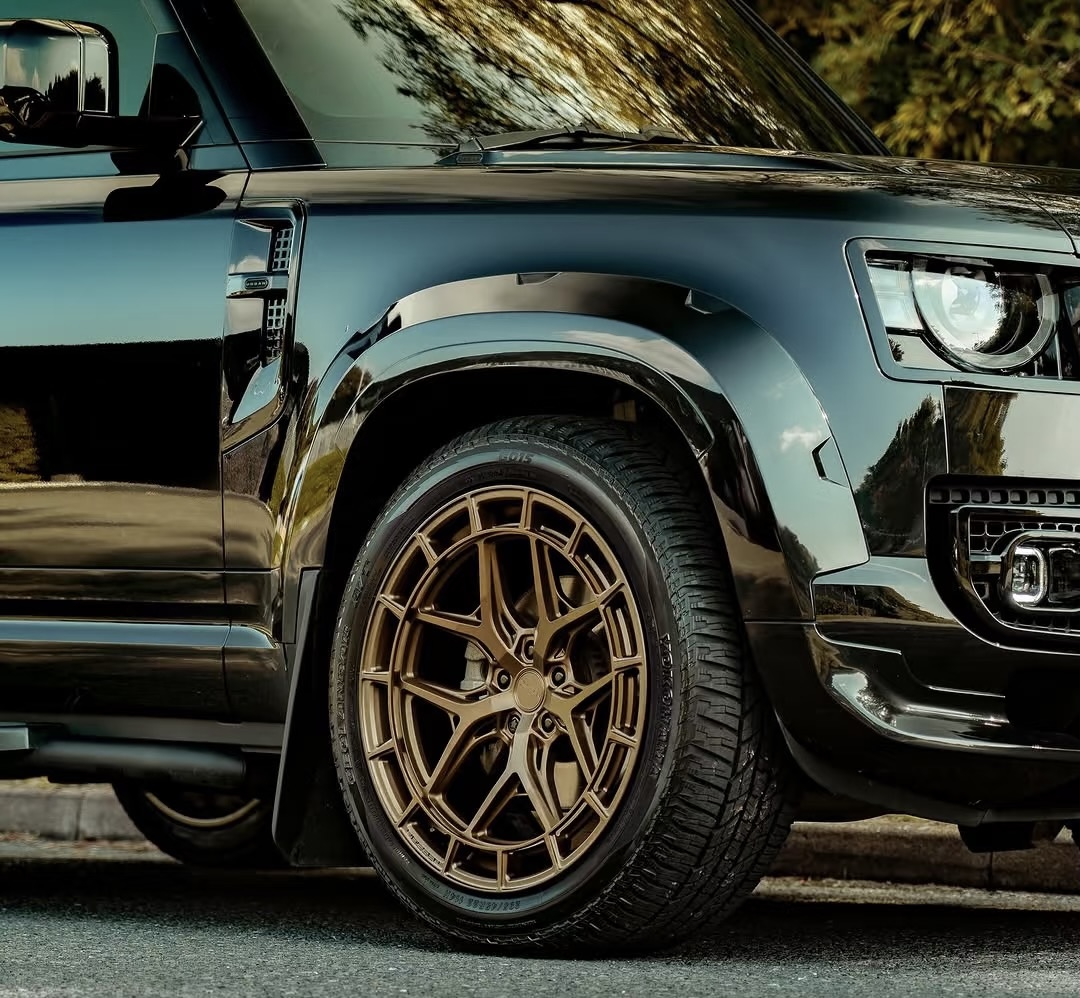
Factory rims often look plain or dated. The aftermarket industry offers thousands of designs, ranging from classic multi-spoke patterns and timeless mesh layouts to modern directional and deep-dish styles. Furthermore, finishes extend far beyond basic silver or black; you can choose from brushed bronze, liquid silver, tinted clear coats, and custom powder colors to match your vehicle’s paint perfectly.
2. Weight Reduction and Handling
Many premium aftermarket options utilize advanced manufacturing techniques like flow-forming or forging. These processes produce wheels that are significantly lighter than cast-aluminum factory rims.
-
Reducing weight at the wheel corners lowers unsprung mass.
-
Lower unsprung mass allows your suspension to react faster to road imperfections.
-
It decreases rotational inertia, resulting in crisper steering response, quicker acceleration, and shorter braking distances.
3. Customized Fitment and Stance
Factory wheels sit tucked deep inside the wheel wells to accommodate snow chains and meet global clearance regulations. Aftermarket options allow you to choose specific widths and offsets. This means you can push the wheels out flush with the fenders, creating a aggressive, muscular stance that instantly elevates the vehicle’s profile.
3.Understanding Manufacturing Methods: Cast vs. Flow-Formed vs. Forged
Not all rims are created equal. The way a wheel is manufactured directly dictates its strength, weight, structural integrity, and price point. When exploring the wheels aftermarket landscape, you will encounter three primary construction types.
Cast Wheels
Gravity or low-pressure casting is the most common and affordable method of making wheels. Molten aluminum is poured into a mold and cooled. While casting allows for intricate designs at an accessible price, the molecular structure of the metal remains porous. To achieve necessary safety strengths, cast rims must use more material, making them heavier than other types.
Flow-Formed Wheels
Flow-forming (also known as rotary forging or flow-forging) bridges the gap between casting and true forging. The process begins with a specialized low-pressure cast preamp. The barrel of the wheel is then heated and spun over a mandrel while high-pressure hydraulic rollers stretch and compress the aluminum. This alters the grain structure of the metal, dramatically increasing tensile strength while reducing weight in the outer barrel where it matters most.
Forged Wheels
Forged wheels represent the absolute pinnacle of wheel technology. Instead of melting metal, a solid block of aerospace-grade 6061-T6 aluminum is subjected to immense pressure (often 10,000 tons or more) to forge a wheel blank. The final design is then CNC-machined out of this incredibly dense structure. Forged wheels are exceptionally strong, structural rigid, and remarkably lightweight, though they command a premium price.
Manufacturing Comparison Table
| Feature | Cast Wheels | Flow-Formed Wheels | Forged Wheels |
|---|---|---|---|
| Production Process | Molten aluminum poured into a mold | Cast face with a hydraulically rolled barrel | Solid aluminum billet compressed under extreme pressure |
| Weight | Heavy | Moderate to Light | Ultra-Lightweight |
| Structural Strength | Baseline standard | High structural integrity | Exceptionally strong |
| Impact Resistance | Average | Very Good | Superior |
| Price Range | Budget-friendly | Mid-tier value | Premium investment |
| Best Used For | Daily driving, winter setups | Performance street, autocross | Track racing, high-end luxury |
4.How to Choose the Right Aftermarket Wheels for Your Car
Selecting a new set of rims involves much more than just picking a design that catches your eye. To ensure a smooth ride and prevent mechanical damage, you must understand critical structural specifications.
Key Fitment Specifications Explained
-
Wheel Size (Diameter and Width): Measured in inches, this determines the physical footprint of the rim. Increasing wheel diameter (e.g., upgrading from 17-inch to 19-inch rims) alters ride dynamics and tire sidewall availability.
-
Bolt Pattern: This indicates the number of lug hole counterbores and the diameter of the imaginary circle they form. For example, a “5×114.3” pattern means there are 5 lug holes arranged on a circle with a 114.3mm diameter. It must match your vehicle’s hub perfectly.
-
Offset: Measured in millimeters, offset defines the distance from the wheel’s mounting surface to its true centerline. A positive offset pushes the wheel inward toward the suspension, while a negative offset pushes the wheel outward toward the fender.
-
Center Bore: This is the machined circular opening at the middle of the wheel that slips over the vehicle’s hub assembly. High-quality aftermarket options often use hub-centric rings to eliminate tiny clearances and prevent steering wheel vibrations at highway speeds.
-
Load Rating: Each wheel model is rated to carry a maximum weight load. Trucks, SUVs, and heavy electric vehicles require much higher load-rated wheels than lightweight compact cars to ensure structural safety under load or impact.
5.Do Aftermarket Wheels Affect Vehicle Performance?
Yes, changing your factory rims can alter your driving dynamics. However, whether that change is positive or negative depends entirely on the quality and specifications of your new setup.
+-------------------------------------------------------------------------+
|                         PERFORMANCE IMPACTS                             |
+-------------------------------------------------------------------------+
| POSITIVE (Correct Setup)                | NEGATIVE (Incorrect Setup)    |
|-----------------------------------------|-------------------------------|
| • Sharper steering response             | • Heavy steering feel         |
| • Improved braking efficiency           | • Rubbing inside fender walls |
| • Increased cornering grip              | • Premature suspension wear   |
| • Better heat dissipation               | • Uncomfortable, harsh ride   |
+-------------------------------------------------------------------------+
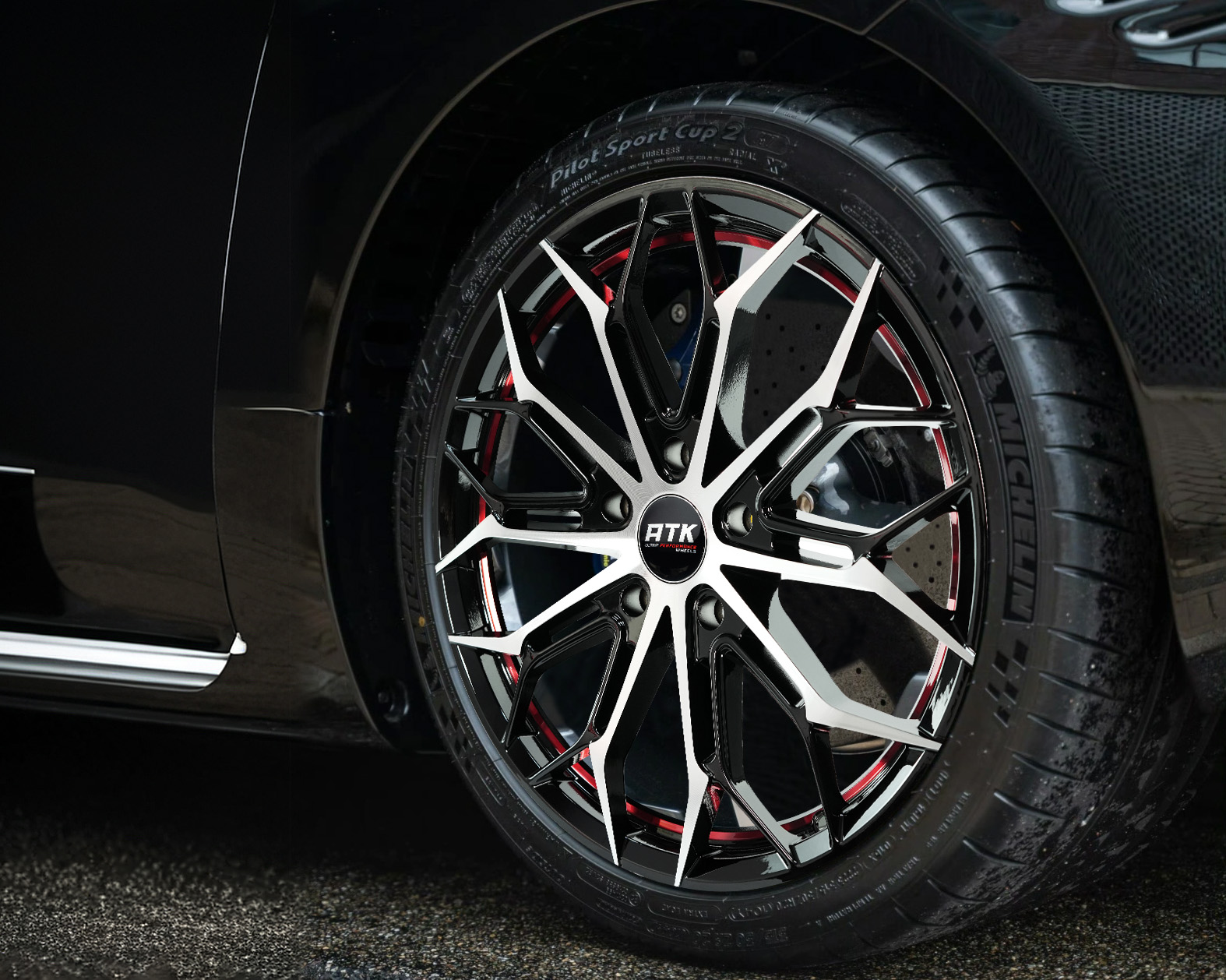
When you choose a lighter, slightly wider aftermarket setup paired with high-performance tires, you expand your vehicle’s contact patch with the road. This improves cornering stability and increases traction during acceleration. Furthermore, open-spoke aftermarket designs allow greater airflow over your brake calipers and rotors, accelerating heat dissipation and reducing brake fade during spirited driving.
Conversely, installing excessively heavy or improperly offset rims can stress your wheel bearings, cause your tires to rub against the inner fender linings during tight turns, and decrease your fuel economy due to increased rolling resistance.
6.Safety and Daily Driving Considerations
Are custom rims safe for daily commuting? Absolutely. High-quality options from reputable manufacturers are engineered to withstand potholes, highway speeds, and changing weather conditions.
To guarantee safety on your daily drives, keep the following best practices in mind:
-
Verify Industry Certifications: Look for wheels that pass rigorous testing certifications such as JWL (Japan Light Wheel Alloy), VIA (Vehicle Inspection Association), or TUV compliance. These stamps guarantee the design has undergone fatigue and impact testing.
-
Use Proper Hardware: Factory lug nuts or bolts rarely fit aftermarket wheel seats. Ensure you purchase the correct seat type (conical, ball, or flat) and thread pitch recommended by the manufacturer.
-
Maintain Regular Torque Checks: After installing new rims, re-torque your lug hardware after the first 50 to 100 miles of driving to account for seating settling.
Frequently Asked Questions (FAQ)
1.What are aftermarket wheels?
Aftermarket wheels are custom-made or replacement wheels produced by manufacturers other than the original vehicle brand. They offer more choices in design, size, material, and performance compared with factory wheels.
2.Are aftermarket wheels better than factory wheels?
Aftermarket wheels can provide better style, lighter weight, improved handling, and more customization options. However, quality depends on the wheel material, manufacturing process, and proper fitment.
3.How do I choose the right aftermarket wheels for my car?
Choose wheels based on key specifications such as wheel size, bolt pattern, offset, center bore, load rating, and compatibility with your vehicle.
4.Do aftermarket wheels affect vehicle performance?
Yes. The right aftermarket wheels can improve handling, braking response, and driving stability. Incorrect sizes or poor-quality wheels may reduce performance and safety.
5.Are aftermarket wheels safe for daily driving?
High-quality aftermarket wheels are safe for daily use when they meet industry standards and match the vehicle’s specifications. Proper installation and maintenance are also important.
6.Do I need hub-centric rings for custom rims?
Yes, in most cases. Because aftermarket rims are designed with larger center bores to fit various vehicle models, hub-centric rings fill the tiny gap between the vehicle’s hub and the wheel bore, ensuring perfect alignment and preventing high-speed vibrations.
Upgrade Your Journey Today
Investing in premium wheels aftermarket upgrades is the ultimate way to inject personality, efficiency, and sharp handling into your driving experience. By understanding manufacturing methods and choosing precise fitment metrics, you can completely redefine your vehicle’s aesthetics while enjoying a safer, more responsive ride.
Ready to find the perfect fitment for your vehicle? Explore the engineering excellence and curated designs at ATK Wheels to discover custom setups built to elevate your ride’s performance and style.