Aftermarket Wheels: A Complete Breakdown for Performance, Style, and Fitment
Aftermarket Wheels: A Complete Breakdown for Performance, Style, and Fitment
Upgrading what rolls beneath your vehicle is one of the most impactful decisions an automotive enthusiast can make. Standard factory wheels get the job done, but they rarely spark excitement or maximize your driving dynamics. That is where aftermarket wheels enter the picture.
Whether you want to turn heads at a local meet, shave seconds off your track time, or conquer rugged off-road trails, the right set of custom rims completely alters your driving experience. However, stepping into the world of custom wheels can feel overwhelming given the massive sea of brands, manufacturing methods, and technical specifications.
This comprehensive deep dive explains what custom rims bring to the table, how they stack up against factory equipment, and how to select the absolute perfect set for your specific ride.
1.Understanding Aftermarket Wheels and Their Benefits
To put it simply, aftermarket wheels are rims manufactured by independent third-party companies rather than your vehicle’s Original Equipment Manufacturer (OEM). While factory wheels are designed to satisfy the average driver by balancing low production costs with basic durability, custom builders design products for specific, elevated purposes.
When you invest in a premium set, you are generally paying for upgrades in three core areas:
-
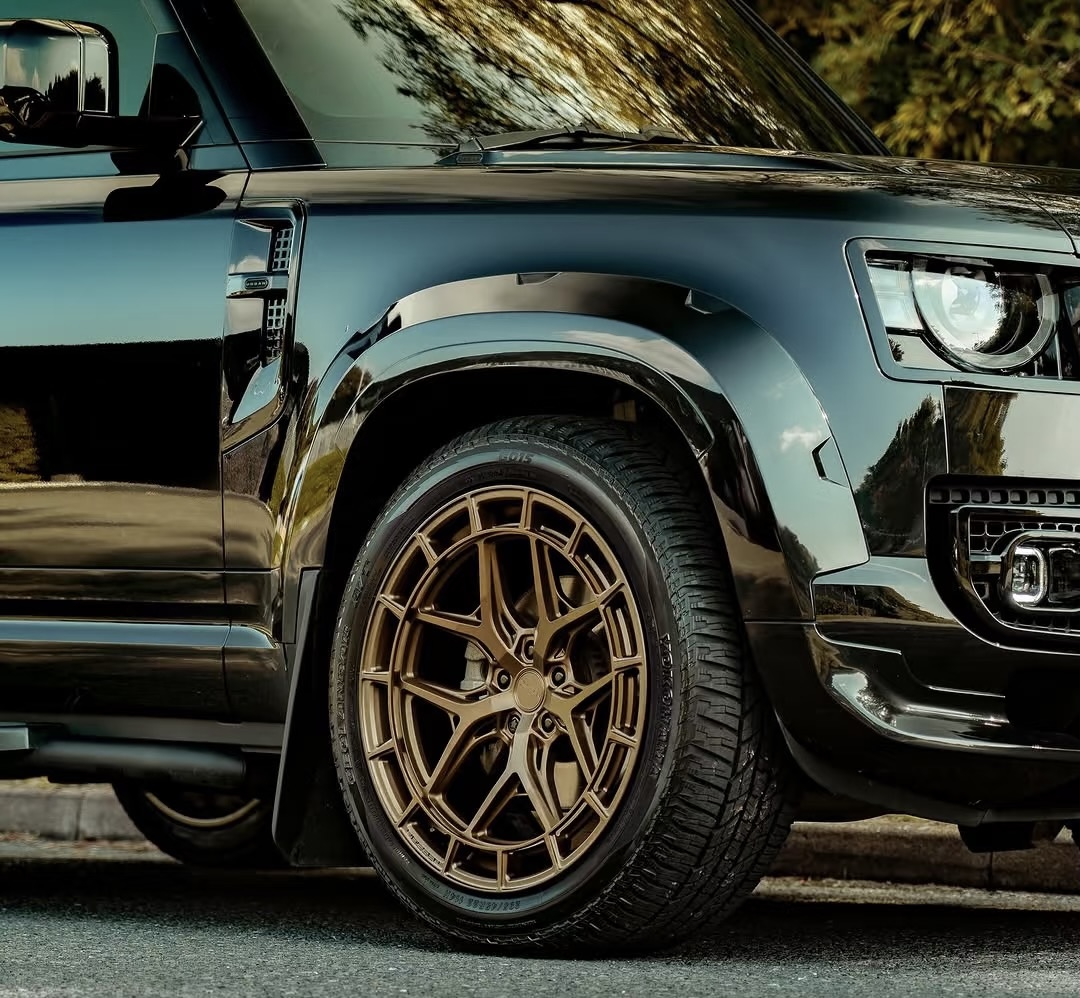
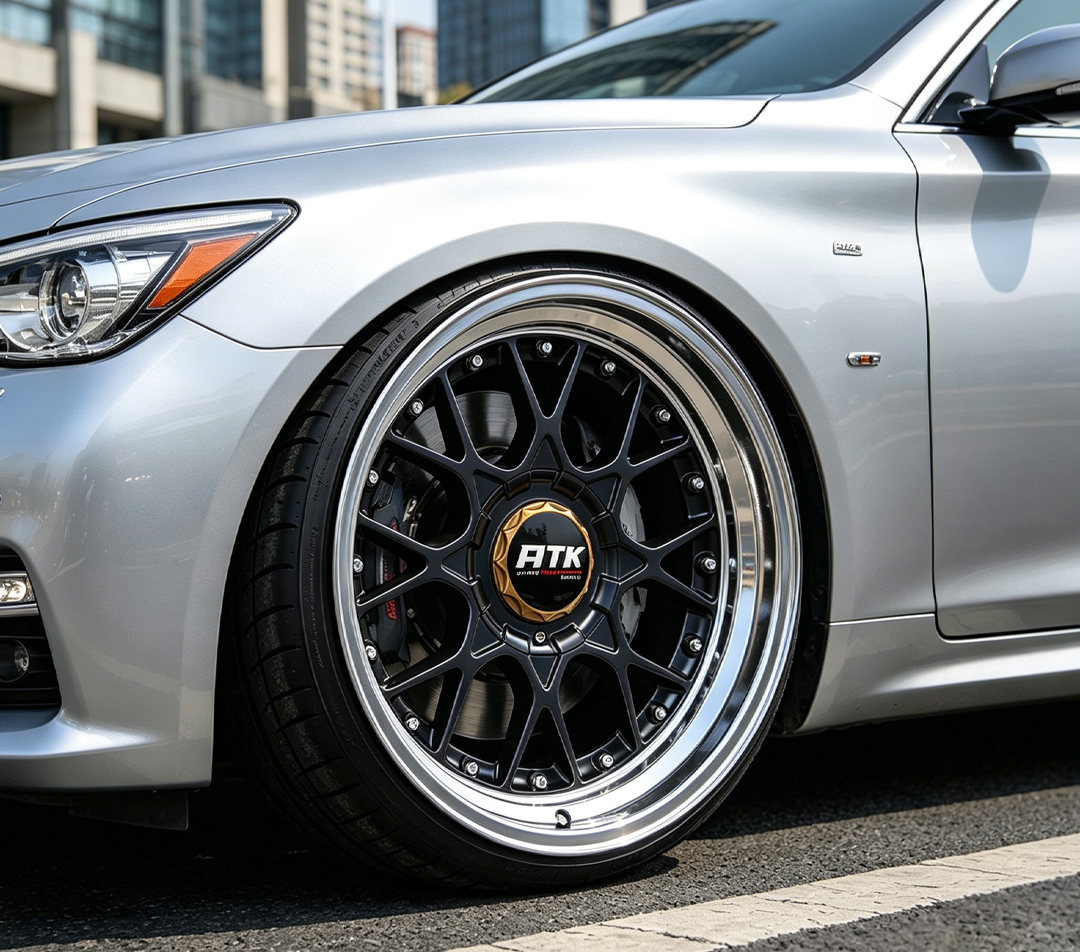
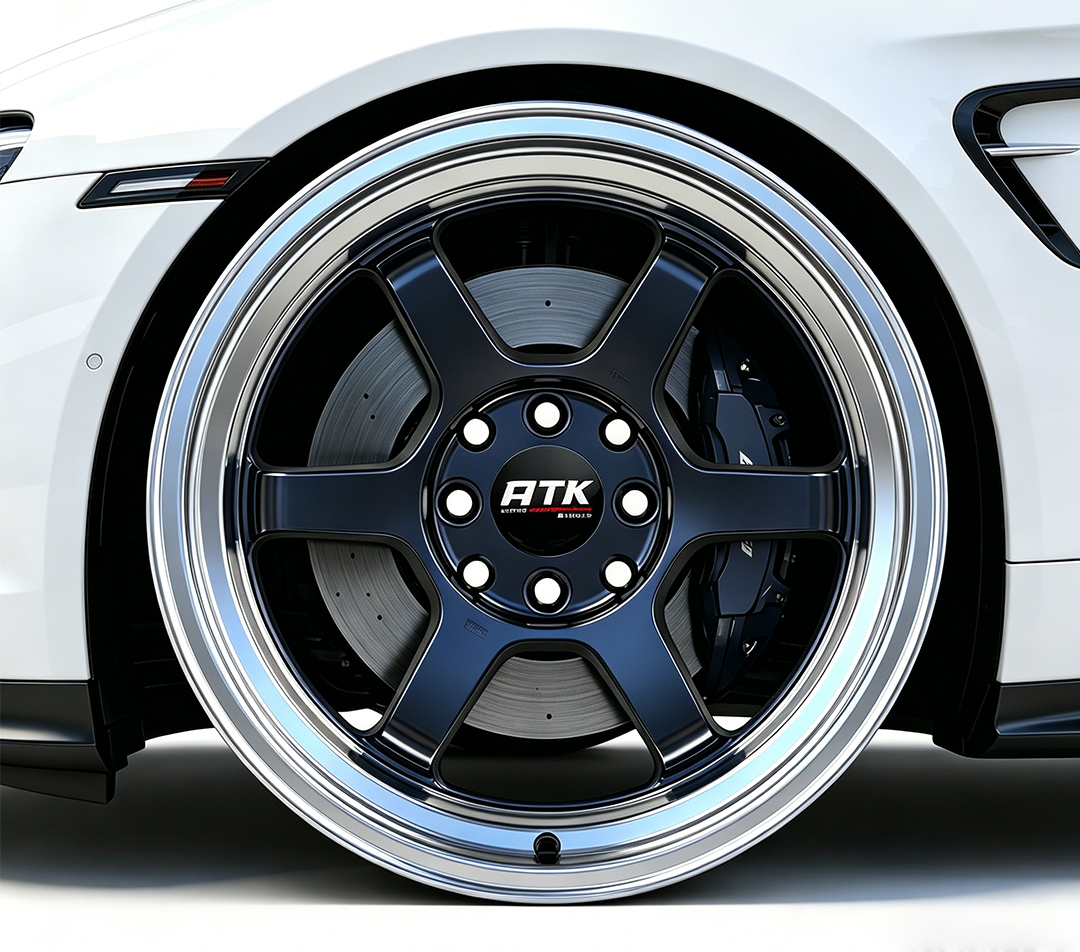
Aesthetic Personalization: Factory rims tend to be conservative and mass-produced. Custom options unlock thousands of design combinations—ranging from deep-dish mesh styles and clean multi-spoke patterns to aggressive concave faces—finished in striking gloss, matte, brushed, or chrome textures.
-
Performance Optimization: Premium custom wheels are engineered to reduce unsprung weight. Lowering this mass allows your suspension to react faster to road imperfections, while reducing rotational inertia leads to crisper acceleration and sharper braking response.
-
Custom Fitment and Stance: Factory setups often feature tucked-in wheels with conservative widths. Upgrading allows you to alter the width and offset, pushing the wheels flush with the fenders for a muscular, aggressive stance that accommodates wider, high-performance tires.
2.Aftermarket Wheels vs. OEM Wheels: The Core Differences
A frequent question among drivers is whether custom rims genuinely outperform factory units. The reality depends heavily on the specific manufacturing processes and materials involved.
OEM components are engineered for maximum reliability under normal commuting conditions, but they are often heavy and visually uninspiring because they are built using budget-friendly, high-volume casting methods. On the flip side, premium custom wheel manufacturers utilize advanced engineering to maximize strength while shedding unnecessary weight.
Manufacturing Methods Explored
To truly understand the difference in quality, you must look at how these products are made:
-
Gravity Casting: The most affordable method, where molten aluminum is poured into a mold. It relies solely on gravity to fill the cavity. This results in a less dense molecular structure, requiring more material (and creating a heavier wheel) to achieve structural safety.
-
Flow Forming (Rotary Forging): A hybrid process where a cast wheel layout is placed on a specialized machine that spins the barrel while applying high-pressure hydraulic rollers. This stretches and compresses the aluminum, drastically increasing tensile strength and lowering weight in the outer barrel—simulating the properties of a true forged product at a fraction of the cost.
-
Monoblock Forging: The pinnacle of wheel manufacturing. A solid block of aerospace-grade 6061-T6 aluminum is subjected to immense pressure and heat, forcing the metal into the wheel shape. This aligns the grain structure perfectly, resulting in an incredibly dense, immensely strong, and feather-light structural masterpiece.
| Feature | OEM Wheels | Cast Aftermarket | Flow-Formed Aftermarket | Forged Aftermarket |
|---|---|---|---|---|
| Primary Focus | Cost efficiency & standard safety | Budget-friendly style upgrades | Balanced price, weight, & strength | Ultimate performance & custom build |
| Weight | Heavy | Moderate to Heavy | Lightweight | Extremely Lightweight |
| Structural Strength | Reliable/Standard | Standard | High | Exceptionally High |
| Design Flexibility | Highly Limited | Diverse | Moderate | Fully Customized |
| Price Point | High (from dealerships) | Budget-friendly | Mid-tier | Premium |
3.Critical Fitment Technicalities: How to Choose the Right Setup
Selecting custom components involves much more than just picking a design you like. Installing an incorrect size can result in severe tire rubbing against suspension links, bodywork damage, or compromised vehicle handling.
To ensure a seamless, vibration-free installation, you must confirm five primary technical dimensions.
1. Bolt Pattern (PCD)
The bolt pattern, or Pitch Circle Diameter, dictates how many lug holes the wheel has and the exact distance between them. For example, a 5×114.3 pattern means the wheel features 5 lug holes arranged around a circle with a diameter of 114.3mm. This must match your vehicle’s hub precisely; a mismatch cannot be safely bolted onto the car.
2. Wheel Offset
Offset measures the distance (in millimeters) from the wheel’s true centerline to its mounting pad surface.
-
Positive Offset: The mounting pad sits closer to the street side of the wheel, pulling the entire setup inward toward the suspension.
-
Negative Offset: The mounting pad sits deep inside toward the brakes, pushing the wheel outward past the fenders for a wide, deep-dish appearance.
-
Zero Offset: The mounting pad aligns exactly with the wheel’s centerline.
3. Backspacing
Closely tied to offset, backspacing measures the total distance from the innermost edge of the wheel rim to the mounting pad surface. This measurement is critical for ensuring that wide setups do not strike your brake calipers, struts, or inner wheel wells.
4. Center Bore and Hub-Centric Design
The center bore is the machined circular opening on the back of the wheel that sits over the vehicle’s hub lip. Most OEM wheels are hub-centric, meaning this opening perfectly matches the hub to center the wheel and handle load stresses.
Many custom rims are designed with larger center bores to fit a wide array of cars. In these scenarios, you must use high-quality hub-centric rings to bridge the gap, preventing high-speed steering wheel vibrations.
5. Load Rating
Every wheel is rated to support a maximum amount of weight. Trucks, large SUVs, and electric vehicles require much higher load ratings than lightweight sports compacts. Always verify that your new wheels are structural certified to handle your vehicle’s Gross Axle Weight Rating (GAWR).
4.Evaluating Performance Impact and Safety
Modifying your unsprung weight directly influences how your vehicle behaves on the tarmac or dirt. Understanding these changes ensures you achieve your exact driving goals.
Accelerating and Stopping Dynamics
When you install lightweight flow-formed or forged setups, you lessen the amount of energy required to spin the wheels up to speed and slow them down. Drivers immediately notice crisper throttle response and a more predictable, communicative brake pedal feel.
Handling and Ride Comfort
Wider rims support wider tire footprints, increasing overall lateral grip through tight corners. However, if you opt to drastically upsizing your wheel diameter (e.g., jumping from 17-inch to 20-inch wheels), you will need to run lower-profile tires with shorter sidewalls. While this sharpens steering response, it reduces the tire’s ability to absorb road shock, leading to a slightly firmer ride.
Structural Safety Standards
Are aftermarket options safe? Absolutely—provided you stay clear of unbranded, suspiciously cheap knock-offs. Reliable custom wheel brands subject their products to rigorous stress simulations and independent testing standards, such as JWL (Japan Light Alloy Wheel standard), VIA (Vehicle Inspection Association of Japan), or TUV certification in Europe.
Always look for these stamps embedded on the face or back of the wheel structure to ensure peace of mind.
5.Step-by-Step Upgrading Roadmap
Ready to refresh your ride? Follow this practical sequence to make sure your transition goes off without a hitch:
-
Establish Your Primary Objective: Determine whether your goal is purely aesthetic stance, rugged off-road trail endurance, or maximizing track performance.
-
Audit Your Factory Constraints: Look up your vehicle’s factory bolt pattern, factory hub bore size, and baseline offset range.
-
Reference Specialized Platforms: Check out real-world community fitment galleries and trusted custom platforms like ATK Wheels to see exactly how specific wheel widths and offsets sit on your exact year, make, and model.
-
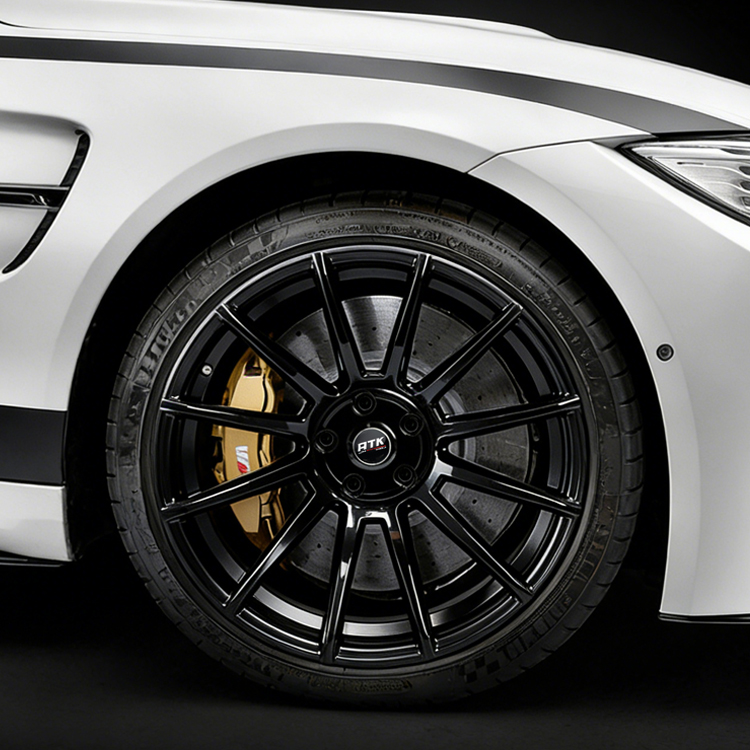
Verify Brake Clearance: If your vehicle features upgraded factory Brembo or aftermarket big-brake kits, ensure the inner spoke profile clears the face of the calipers.
-
Source Correct Hardware: Factory lug nuts often feature different seating profiles (conical/tapered vs. ball/radius seats) compared to aftermarket variants. Always order a fresh set of matching performance lug nuts or bolts to guarantee a secure, safe torque seat.
Frequently Asked Questions(FAQ)
1.What are aftermarket wheels?
Aftermarket wheels are rims manufactured by independent third-party entities rather than your vehicle’s original factory builder. They are offered in a diverse range of sizes, materials, construction techniques, and visual configurations to enhance performance, change aesthetics, or support specialized tire fitments.
2.Are aftermarket wheels better than OEM wheels?
It depends entirely on construction quality and your specific driving goals. Premium flow-formed or forged custom wheels outperform basic OEM cast wheels by providing superior structural strength, lower weight, and fully tailored dimensions. Conversely, low-end unbranded replicas may lack proper quality control and fail to deliver factory-level durability.
3.How do I choose the right aftermarket wheels for my car?
To find the perfect fit, you must match the wheel’s dimensions to your specific vehicle specs. This requires validating five core elements: the exact bolt pattern, a compatible offset range, the appropriate center bore size (using hub-centric rings if needed), a structural load rating that matches your vehicle’s weight, and a diameter that clears your brake calipers.
4.Do aftermarket wheels affect vehicle performance?
Yes, they alter performance characteristics noticeably. Upgrading to lightweight wheels minimizes rotational mass, which boosts acceleration, sharpens cornering response, and shortens braking distances. On the flip side, fitting oversized, heavy wheels can reduce fuel economy and create a stiffer ride.
5.Are aftermarket wheels safe to use?
Yes, certified custom wheels are completely safe for daily commuting, track racing, and off-roading. Safety requires that they are sourced from reputable manufacturers meeting JWL/VIA criteria, correctly aligned to your vehicle’s physical specs, and secured using proper matching lug hardware torqued to factory specifications.
Summary and Next Steps
Upgrading your vehicle with a premium set of custom wheels is the perfect intersection of personalized styling and functional performance engineering. By moving away from factory compromises, you unlock a tailored driving experience that looks, handles, and responds exactly the way you want it to.
Prioritize verified build quality, triple-check your fitment measurements, and use high-grade hardware for the installation. If you are ready to find the ultimate setup engineered precisely for your machine, explore the specialized catalog at ATK Wheels to find your next perfect fit.