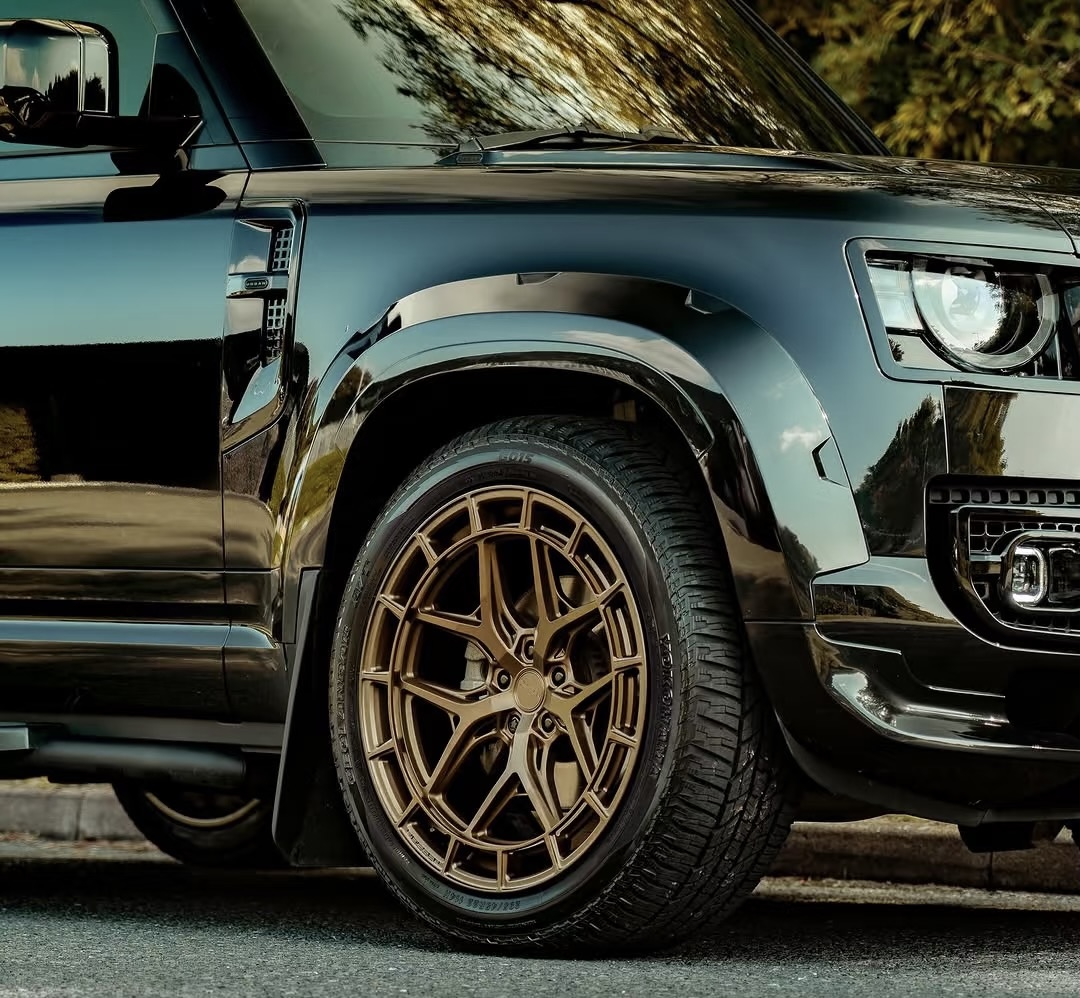
Everything You Need to Know About Automobile Rims
Everything You Need to Know About Automobile Rims
When it comes to upgrading your vehicle, few modifications offer the same immediate impact as a new set of automobile rims. Beyond the obvious visual transformation, your rims play a massive role in how your car handles, brakes, rides, and even consumes fuel.
However, stepping into the world of aftermarket rims can quickly feel overwhelming. With endless technical terminology like bolt patterns, offsets, and hub bores, it is easy to make an expensive mistake.
This comprehensive resource breaks down everything you need to know about automobile rims. We will cover materials, fitment specifications, performance impacts, and how to choose the perfect set for your ride.
1. Demystifying the Basics: Rims vs. Wheels
Before we dive into the technical details, we must clear up an incredibly common point of confusion. Many drivers use the terms “rim” and “wheel” interchangeably, but from an engineering standpoint, they refer to different parts of the assembly.
What is an Automobile Rim?
Strictly speaking, the rim is only the outer circular edge of the assembly. Its primary job is to hold, support, and seal the tire, creating an airtight chamber that maintains tire pressure.
What is a Wheel?
The wheel refers to the entire rotating unit. It is the complete metal piece that bolts to your car’s axle, consisting of three main parts:
-
The Rim: The outer barrel where the tire sits.
-
The Spokes: The structural ribs connecting the rim to the center.
-
The Hub: The central section containing the bolt holes that mount directly to the vehicle’s suspension.
2. Alloy vs. Steel: Choosing the Right Material
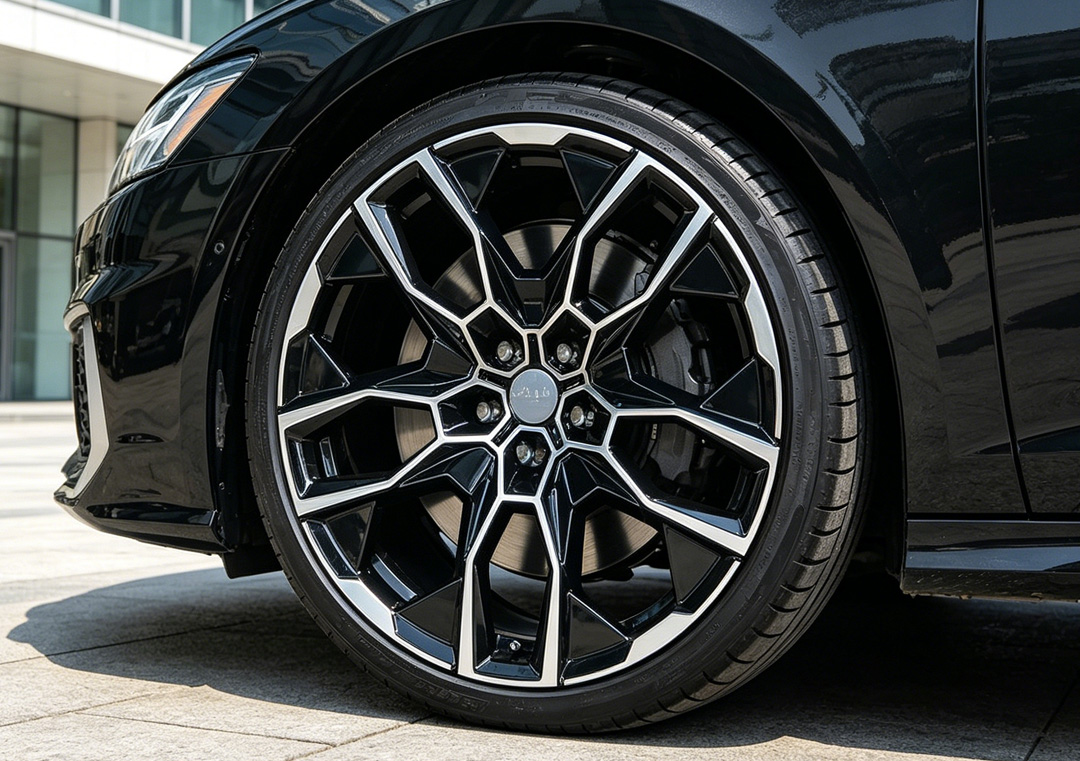
The material of your automobile rims dictates their weight, durability, price, and aesthetic appeal. Most passenger vehicles on American roads today use either cast/forged aluminum alloy or stamped steel.
| Feature | Alloy Rims | Steel Rims |
|---|---|---|
| Primary Material | Aluminum or Magnesium | Stamped Carbon Steel |
| Weight | Lightweight | Heavy |
| Fuel Efficiency | Excellent (Reduces MPG drag) | Lower (Adds rolling drag) |
| Styling & Finish | Highly customizable, sleek | Basic, utility-focused |
| Durability | Can crack under extreme hit | Bends rather than cracking |
| Best Use Case | Daily driving, performance | Winter driving, heavy trucks |
| Average Cost | Moderate to High | Low |
Alloy Rims: The Performance and Style Leader
Alloy rims are made from a blend of aluminum and other light metals (like magnesium). They dominate the aftermarket industry and modern OEM packages for several reasons:
-
Weight Reduction: Because they are lightweight, alloy wheels reduce your vehicle’s unsprung weight. This translates directly to sharper steering response, faster acceleration, and shorter braking distances.
-
Better Heat Dissipation: Aluminum conducts and dissipates heat much better than steel. This reduces the risk of brake fade during spirited driving or heavy downhill braking.
-
Endless Design Options: Aluminum can be cast, flow-formed, or forged into highly complex, beautiful spoke patterns.
Steel Rims: The Rugged, Budget-Friendly Workhorse
Steel rims are made by stamping carbon steel into shape and welding the pieces together. While they lack visual flair, they are incredibly practical:
-
Extreme Durability: Steel is highly malleable compared to aluminum. Under a massive impact (like hitting a deep pothole), a steel rim is more likely to bend rather than crack. A bent steel rim can often be hammered back into shape, whereas a cracked alloy rim is usually ruined.
-
Cost-Effective: They are significantly cheaper to manufacture and buy.
-
Ideal for Winter & Utility: Many vehicle owners in cold-weather states swap their expensive alloy wheels for basic steel rims paired with winter tires during the snowy season to protect their premium wheels from road salt.
3. How to Find the Perfect Fitment
You cannot simply buy any beautiful set of rims and expect them to bolt onto your car. Precision fitment is non-negotiable for vehicle safety and performance. To determine what size automobile rims fit your vehicle, you must match three critical specifications.
I. The Bolt Pattern (Pitch Circle Diameter)
The bolt pattern refers to the number of lug nut holes on the wheel and the diameter of the imaginary circle they form.
-
How it looks: It is written as
[Number of Bolts] x [Circle Diameter]. -
Example: A
5x114.3bolt pattern means the rim has 5 bolt holes, and the distance across the circle of bolts is 114.3 millimeters (a very common size for Japanese vehicles like Toyota and Honda).
II. Offset and Backspacing
Offset determines how far inside or outside the vehicle’s fender your wheel will sit. It is measured in millimeters and categorized in three ways:
-
Positive Offset: The mounting pad is closer to the outer face of the wheel. This pulls the wheel inward toward the suspension. (Common in modern front-wheel-drive vehicles).
-
Zero Offset: The mounting pad is perfectly aligned with the centerline of the wheel.
-
Negative Offset: The mounting pad is pushed deep inside toward the rear of the wheel. This pushes the wheel outward, creating a deep-dish look. (Common on lifted trucks and classic muscle cars).
Incorrect offset can cause your tires to rub against the inner suspension components or the outer fender arches.
III. Hub Bore
The hub bore is the circular opening at the very center of the back of the wheel. It must fit snugly over the vehicle’s axle hub.
-
Hub-Centric Wheels: The center bore matches your car’s axle perfectly. The weight of the vehicle rests on the hub, which is the safest design.
-
Lug-Centric Wheels: The center bore is larger than the axle hub, meaning the vehicle’s weight rests entirely on the lug studs. If you install these aftermarket wheels, you should use hub-centric rings to fill the gap and eliminate wheel vibrations at highway speeds.
Where to find these specs: You can find your vehicle’s factory specifications in your owner’s manual, printed on a placard inside the driver’s door jamb, or stamped on the back of your original wheels.
4. How Rims Directly Impact Vehicle Performance
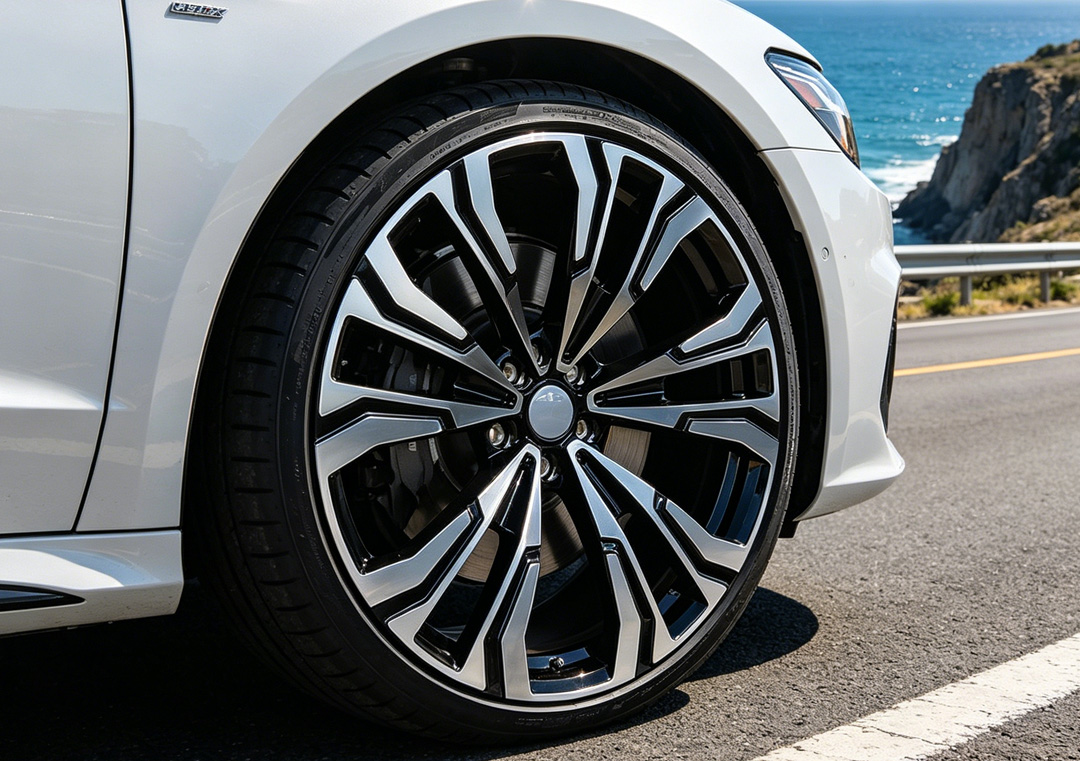
Upgrading your automobile rims is not just a cosmetic modification—it alters the physics of how your vehicle moves.
The Power of Reducing Unsprung Weight
In automotive engineering, “unsprung weight” refers to any component not supported by the vehicle’s suspension (such as wheels, tires, brakes, and hubs).
Replacing heavy factory wheels with lightweight forged or flow-formed alloy rims reduces this unsprung mass.
With less weight for your suspension to manage:
-
The shock absorbers can react faster to road imperfections, keeping your tires planted for better grip.
-
The engine has less rotational inertia to overcome, resulting in crisper, more immediate throttle response.
-
Your brakes require less effort to stop the lighter spinning mass, shortening stopping distances.
The Trade-off of Oversizing Your Rims
Many drivers opt for “plus-sizing”—putting larger rims with lower-profile tires on their vehicle for a sleeker look. While this can sharpen cornering feel by reducing tire sidewall flex, it comes with distinct trade-offs:
-
Stiffer Ride Quality: Less tire rubber means less cushioning against potholes and bumps.
-
Increased Risk of Damage: Lower-profile tires offer less protection for your rims, making them highly susceptible to curb rash and bending.
-
Reduced Fuel Efficiency: Larger wheels are often heavier than their smaller counterparts. This added rotational weight forces your engine to work harder, reducing your MPG (Miles Per Gallon).
5. Maintenance and Safety: Detecting Rim Damage
Because your rims are constantly exposed to road debris, moisture, brake dust, and temperature extremes, keeping them clean and inspecting them for damage is critical to highway safety.
Is It Safe to Drive on a Bent or Cracked Rim?
Absolutely not. Driving on a damaged rim is extremely dangerous. A minor bend can cause slow tire pressure leaks and annoying highway vibrations. However, a cracked rim is structurally compromised. Under the stress of highway speeds or sharp cornering, a cracked rim can fail completely, leading to a sudden, catastrophic tire blowout.
If you experience any of the following symptoms, pull over and inspect your wheels immediately:
-
A persistent vibration through your steering wheel or seat.
-
Unexplained, gradual loss of tire pressure.
-
Uneven wear patterns on your tire tread.
-
Visible scuffs, flat spots, or hairline fractures along the lip of the rim.
Caring for Your Rims
To prolong the lifespan and finish of your automobile rims, establish a consistent cleaning routine:
-
Avoid Automatic Car Wash Brushes: The stiff plastic bristles can severely scratch clear-coated alloy finishes.
-
Use pH-Neutral Cleaners: Acidic wheel cleaners can etch into polished aluminum or damage powder coatings. Use dedicated, non-acidic wheel cleaners and microfiber wash mitts.
-
Apply a Ceramic Coating: Coating your new rims makes them highly hydrophobic, preventing hot brake dust from baking into the finish and making future cleanings incredibly easy.
Frequently Asked Questions
Q1: What is the difference between automobile rims and wheels?
-
Answer: While used interchangeably, the rim is strictly the outer circular edge of the assembly that holds and seals the tire. The wheel refers to the entire rotating unit, which includes the rim, spokes, and the center hub.
Q2: How do I determine what size automobile rims fit my vehicle?
-
Answer: You must match three critical specifications:
-
Bolt Pattern: The number of bolt holes and the diameter of the circle they form.
-
Offset & Backspacing: How far the wheel sits inside or outside the fender.
-
Hub Bore: The center hole diameter that fits over the car’s axle hub.
These details can be found in your owner’s manual or on the tire placard inside the driver’s door jamb.
-
Q3: Alloy vs. steel: Which material is better for automobile rims?
-
Answer:
-
Alloy Rims: Made of aluminum or magnesium, they are lightweight, improve fuel economy, dissipate heat better, and offer premium styling.
-
Steel Rims: Heavier and less aesthetic, but highly durable, cost-effective, and resistant to cracking—making them ideal for heavy-duty trucks or winter driving.
-
Q4: Is it safe to drive on a bent or cracked automobile rim?
-
Answer: No. Driving on a damaged rim can lead to rapid tire pressure loss, severe steering wheel vibrations, uneven tire wear, and risk of a high-speed tire blowout. Bent or cracked rims must be repaired or replaced immediately.
Q5: How do aftermarket rims affect vehicle performance and fuel economy?
-
Answer:
-
Lighter Rims: Reduce unsprung weight, which sharpens steering response, shortens braking distance, and increases MPG.
-
Oversized/Heavier Rims: Increase rotational inertia, which dulls acceleration, worsens ride comfort, and reduces fuel efficiency.
-
Ready to Elevate Your Ride?
Upgrading your automobile rims is one of the most rewarding investments you can make for your vehicle. Whether you are looking to shed weight for quicker lap times, ruggedize your vehicle for harsh winter commutes, or simply turn heads on your daily drive, choosing the right setup makes all the difference.
Explore our massive selection of premium alloy, flow-formed, and forged wheels designed to fit your vehicle perfectly at ATK Wheels. If you are unsure about bolt patterns, offsets, or tire pairings, our team of wheel experts is ready to help you map out the perfect fitment.