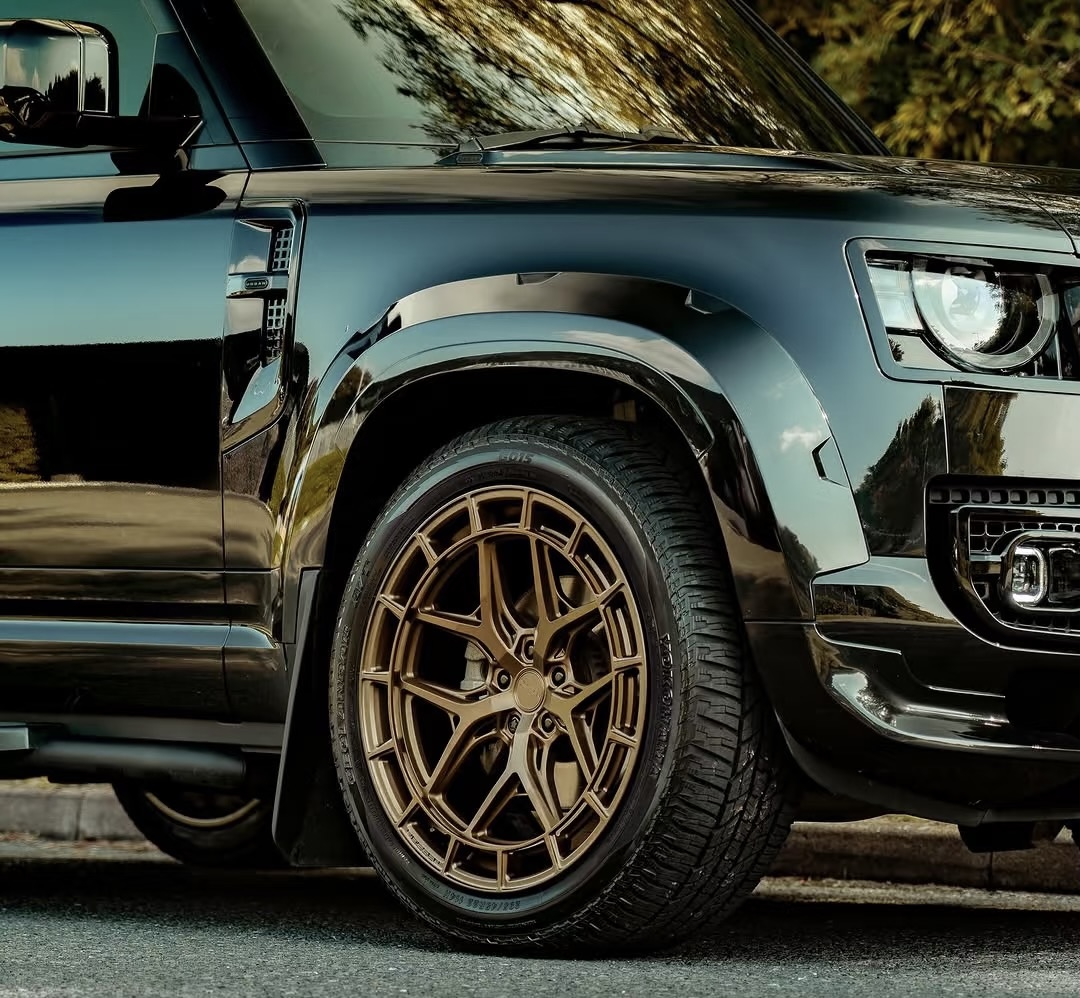
Heritage Wheel Designs: Why Classic Wheels Continue to Define Modern Performance
Heritage Wheel Designs: Why Classic Wheels Continue to Define Modern Performance
For automotive enthusiasts searching for a quick, definitive answer, here is the industry standard:
A heritage wheel is an aftermarket wheel inspired by classic, vintage, or retro automotive designs while incorporating modern materials and manufacturing technology for improved performance, safety, and durability.
By merging the nostalgic aesthetics of legendary golden-era designs with modern structural engineering, these wheels allow builders to achieve a timeless retro look without compromising structural integrity, weight, or modern brake clearance.
Classic Design Language           Modern Engineering
 (Mesh, 5-Spoke, Dish)    +    (Forged 6061-T6, CNC Milling)
           \                          /
            \                        /
             ▼                      ▼
               THE MODERN HERITAGE WHEEL
1.The Rise of Retro-Modern Wheel Culture
Automotive styling trends come and go, but the appreciation for golden-era car design is stronger than ever. From the pristine lines of 1980s German sports cars to the aggressive geometry of 1990s Japanese domestic market (JDM) legends and the raw power of classic American muscle, wheels have always been the defining element of a car’s character.
However, running original vintage wheels on a project car or a modern performance vehicle presents severe challenges:
-
Sizing Limitations: Original wheels from thirty or forty years ago were typically small, often ranging from 13 to 15 inches. These diameters are simply too small to clear the massive brake calipers found on modern vehicles.
-
Structural Fatigue: Decades of road use, exposure to the elements, and metal fatigue make original vintage alloy wheels prone to cracking, bending, and leaking air.
-
Outdated Metallurgy: Older casting techniques left structural voids in the metal, making vintage wheels heavier and significantly weaker than modern options.
This is where the heritage wheel bridges the gap. It captures the soul of historic wheel designs—such as deep-dish steps, intricate mesh patterns, and bold five-spoke faces—and rebuilds them from the ground up using state-of-the-art manufacturing processes and modern sizing configurations.
2.The Anatomy of Heritage Wheels: Monoblock vs. Multi-Piece
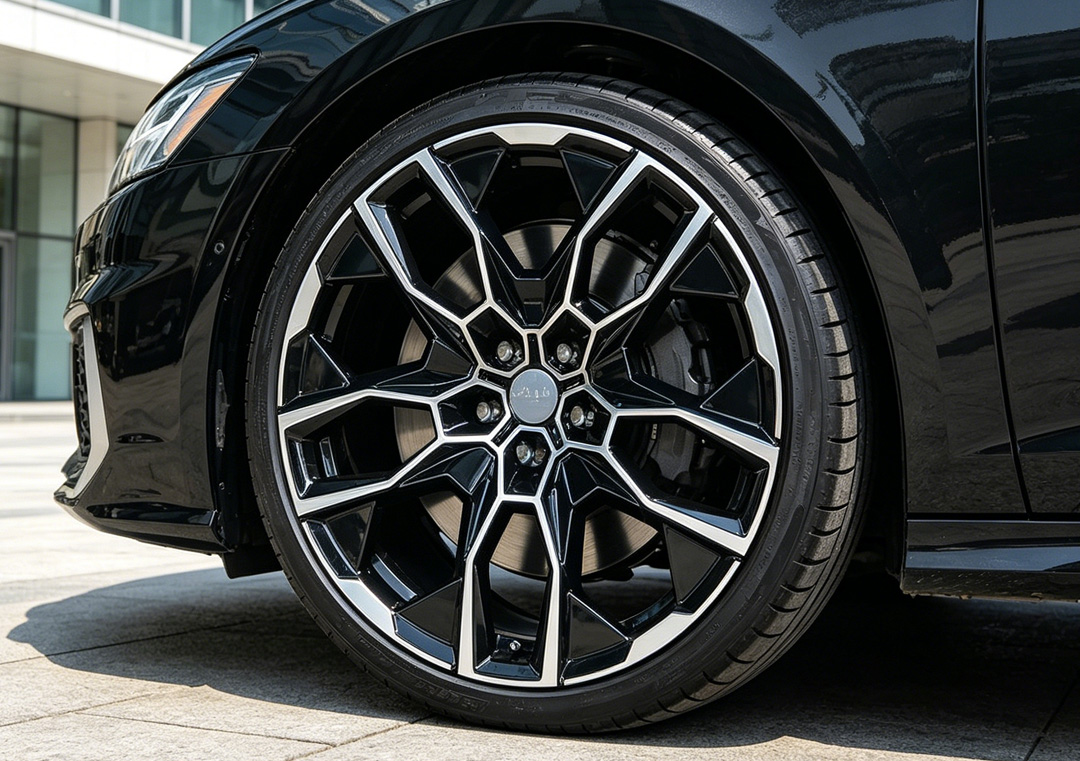
When selecting a heritage wheel, you must understand how its physical structure is assembled. Modern manufacturers build these retro-inspired designs in three distinct configurations, each offering unique benefits for aesthetics, weight, and customization.
Monoblock (One-Piece) Wheels
Monoblock heritage wheels are engineered from a single piece of metal (either cast, flow-formed, or forged).
-
Pros: Outstanding structural rigidity, lightweight, and highly cost-effective.
-
Cons: Fixed offsets and widths. You cannot customize the lip depth or change individual components if damaged.
-
Best For: Daily driving, track days, and clean, low-maintenance builds.
Two-Piece Wheels
Two-piece construction splits the wheel into two main components: the center face and the outer barrel. These two parts are either welded permanently together or bolted with specialized assembly hardware.
-
Pros: Allows the manufacturer to combine a custom-finished center face with a pre-fabricated barrel, offering a wider range of custom offsets and widths.
-
Cons: Slightly heavier than monoblock forged wheels due to the assembly joints.
-
Best For: Moderate custom fitments where specific offsets are required to clear suspension components.
Three-Piece Wheels
Three-piece wheels represent the pinnacle of custom wheel craftsmanship. They consist of three distinct parts:
-
The Center Face: The stylistic heart of the wheel, containing the bolt pattern and spokes.
-
The Outer Lip: The front portion of the wheel barrel that creates the deep “dish” look.
-
The Inner Barrel: The rear half of the barrel that sits inside the wheel well.
These three components are bolted together using high-strength hardware (often titanium or stainless steel) and sealed with an industrial-grade silicone bead to prevent air leaks.
-
Pros: Unmatched customization. You can choose the exact width of the inner barrel and outer lip down to the half-inch, creating wild, aggressive clearances and massive lips. If you damage a portion of the wheel against a curb, you can simply replace that single lip or barrel instead of buying a whole new wheel.
-
Cons: Highest price point, requires periodic inspection of the silicone seal, and is more labor-intensive to clean.
-
Best For: High-end show cars, wide-body builds, and premium restomods.
3.Materials and Manufacturing Technology
The styling of a heritage wheel might look vintage, but its internal grain structure is pure state-of-the-art physics. To help you understand what you are paying for, let’s break down the three primary manufacturing techniques.
1. Gravity and Low-Pressure Casting
This is the traditional method where molten aluminum is poured (or injected under low pressure) into a pre-shaped mold. Once cooled, the wheel is trimmed and finished. While casting is highly economical, the molecular structure of the aluminum remains porous and random, requiring thicker walls—and therefore more weight—to achieve safe load ratings.
2. Flow-Forming (Rotary Forging)
Flow-forming is a hybrid process. It begins as a specialized cast wheel preform. The preform is placed on a high-speed mandrel while heavy hydraulic rollers heat, stretch, and compress the aluminum barrel. This process aligns the metal’s grain structure, dramatically increasing tensile strength and reducing weight in the barrel where it matters most.
3. Forged 6061-T6 Aluminum
Forged wheels are the ultimate choice for high-performance builds. The process starts with a solid cylinder of aerospace-grade 6061-T6 aluminum. This billet is subjected to thousands of tons of pressure, forcing the metal into a highly dense, aligned grain structure. A CNC machine then precision-mills the classic heritage design directly out of this ultra-strong block.
Because forged metal is incredibly strong, engineers can use much thinner spokes and lighter backpads, resulting in a wheel that is incredibly strong, highly customizable, and featherlight.
Manufacturing Comparison Table
| Feature | Cast Wheels | Flow-Formed Wheels | Forged 6061-T6 Wheels |
|---|---|---|---|
| Manufacturing Process | Molten aluminum poured into a mold | Cast face with a hydraulically stretched barrel | Solid aluminum billet compressed under immense pressure |
| Material Grain Structure | Random and porous | Aligned in the barrel, random in the face | Exceptionally dense and aligned throughout |
| Weight | Heavy | Moderate (15–20% lighter than cast) | Extremely lightweight (up to 30% lighter than cast) |
| Structural Integrity | Standard (Prone to cracking under heavy impacts) | High (Excellent resistance to bends and cracks) | Maximum (Unmatched yield and tensile strength) |
| Offset/Width Customization | Extremely limited (Off-the-shelf sizes only) | Moderate | Unlimited (Tailored to your exact vehicle down to the millimeter) |
| Ideal Vehicle Types | Daily commuters, budget-conscious builds | Track-day cars, spirited street builds | Premium sports cars, bespoke restomods, high-horsepower builds |
4.Technical Fitment Essentials: Getting the Perfect Stance
Installing aftermarket wheels requires careful planning. If you ignore the mathematics of fitment, you risk ruining your tires, damaging your fenders, or compromising your car’s handling. When ordering your heritage wheels, pay close attention to these five key metrics.
1. Pitch Circle Diameter (PCD)
The bolt pattern consists of the number of lug holes and the diameter of the circle they form. For example, a 5×114.3 pattern means the wheel has 5 lug holes spaced along a 114.3mm circle.
Pro Tip: Always double-check your vehicle’s specific hub pattern. While some patterns look nearly identical (such as 5×120 and 5×120.65), mixing them up will damage your wheel studs and can lead to wheel failure.
2. Offset (ET) and Backspacing
Offset determines how far inside or outside the wheel sits relative to your car’s hub mounting surface. It is measured in millimeters and is typically stamped on the back of the wheel as “ET.”
-
Positive Offset: The mounting pad is closer to the face of the wheel. This pulls the wheel assembly further inside the fender well (common on modern front-wheel-drive and all-wheel-drive sports cars).
-
Zero Offset: The mounting pad is perfectly aligned with the centerline of the wheel.
-
Negative Offset: The mounting pad is pushed deep toward the back of the wheel. This pushes the wheel outward, creating a deep lip or concave face (the classic look for rear-wheel-drive muscle cars and wide-body drift cars).
        OUTSIDE OF WHEEL (FENDER SIDE) <---> INSIDE OF VEHICLE

            Positive Offset             Zero Offset             Negative Offset
             [  |      ]               [   |   ]               [      |  ]
                ▲                          ▲                          ▲
          Mounting Face              Mounting Face              Mounting Face
3. Center Bore and Hub-Centric Design
The center bore is the circular opening in the back of the wheel that slips over your car’s wheel hub. For a safe, vibration-free ride, your wheel should be hub-centric, meaning the center bore matches your vehicle’s hub diameter perfectly, distributing the vehicle’s weight onto the hub rather than relying solely on the lug bolts.
If your aftermarket wheel has a larger center bore than your hub, always install high-quality hub-centric rings to eliminate high-speed steering wheel vibrations.
4. Brake Caliper Clearance (X-Factor)
Many heritage designs feature deep-dish lips or flat, retro disc faces. While this looks incredible, it reduces the space behind the spokes for your brakes. If your car is equipped with a big brake kit (BBK), you must select a wheel face with a high-disk profile. This provides curved or deeper spoke clearance to span across massive multi-piston calipers without requiring spacers.
5.Finishing Styles: Customizing the Retro Look
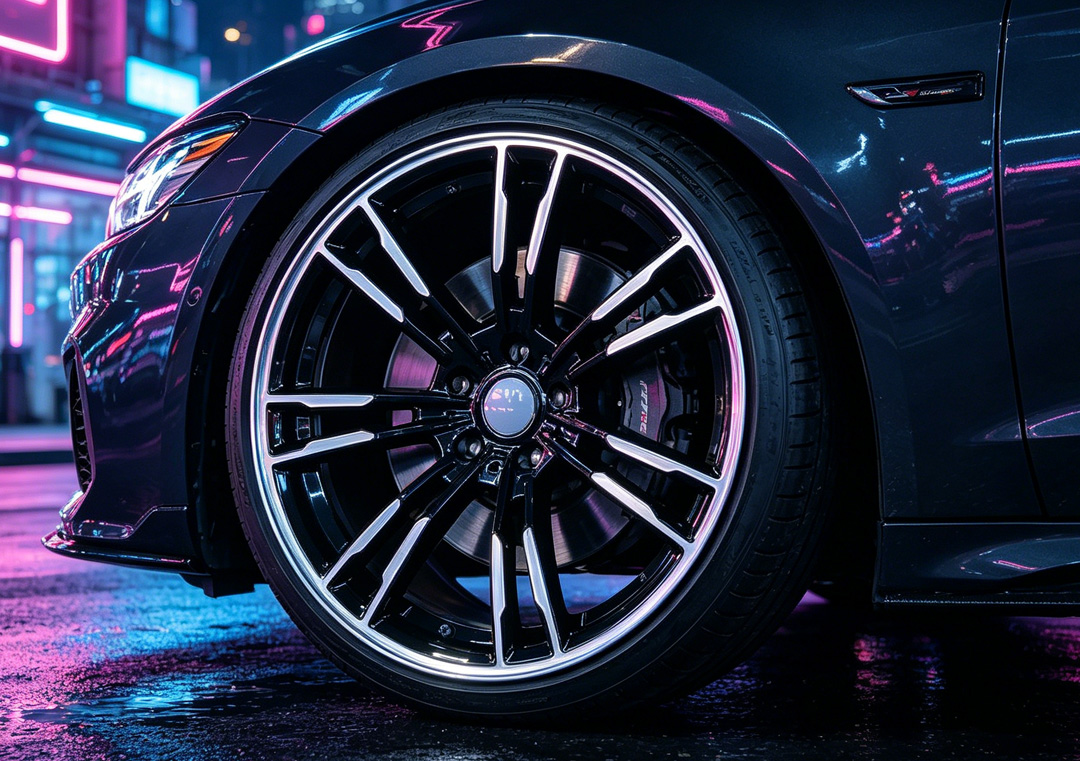
A heritage wheel’s finish is what brings the design to life. Modern finishing technologies allow for highly durable, stunning aesthetic combinations that were impossible decades ago.
-
Fully Polished: A timeless, mirror-like finish achieved by buffing the raw aluminum to a high shine. While gorgeous, fully polished wheels require regular polishing to prevent oxidation unless they are sealed with a clear powder coat.
-
Brushed with Clear Coat: A highly modern, industrial look where the metal is brushed with fine abrasive pads to show structural grain, then sealed with a transparent gloss or matte powder coat.
-
Anodized Lips: An electrochemical process that dyes the surface of the aluminum, creating a rich, metallic color depth (popular in classic gold, bronze, or black) that won’t chip or peel off like traditional paint.
-
Period-Correct Centers: Painting or powder-coating the center face in classic colors like BBS Gold, Silver, Satin Black, or Gunmetal Grey, while leaving the lip highly polished. This dual-tone contrast is the signature hallmark of vintage wheel design.
6.Maintenance and Care: Preserving Your Investment
Because premium heritage wheels feature intricate designs and highly polished surfaces, they require dedicated upkeep to remain free of corrosion and brake dust etching.
Wash Regularly and Safely
-
Never wash your wheels while they are hot from driving. Sudden temperature changes can warp brake rotors or damage delicate wheel finishes.
-
Avoid automatic drive-through car washes. Their heavy nylon brushes can scratch polished lips, and their acidic pre-soak chemicals can permanently stain anodized or bare aluminum finishes.
-
Use a dedicated wash bucket, microfiber mitt, and soft-bristled brush solely for your wheels to prevent transferring abrasive brake dust to your car’s paintwork.
Use pH-Neutral Cleaners
Avoid wheel cleaners containing heavy acids or strong alkalis. Stick to pH-balanced wheel cleaners that safely dissolve iron deposits and road grime without attacking the clear coat, anodized layers, or bare aluminum.
Apply a Protective Coating
To make your weekly washing routine infinitely easier, apply a high-temperature ceramic coating to your wheels before mounting them. Ceramic coatings create a highly slick, hydrophobic barrier that prevents hot brake dust, road salt, and tar from bonding to the wheel surfaces, allowing you to rinse away most dirt with a simple pressure washer.
Frequently Asked Questions
1. What is a heritage wheel?
A heritage wheel is an aftermarket wheel inspired by classic automotive designs while incorporating modern materials and manufacturing technology for improved performance and durability. This blend gives you the look of a vintage wheel with the strength, safety, and modern fitment options of a modern wheel.
2. Are heritage wheels suitable for daily driving?
Yes. High-quality heritage wheels are designed for everyday use when they match the correct vehicle specifications, including bolt pattern, offset, and load rating. Opting for flow-formed or forged options provides additional durability against potholes and road hazards.
3. What materials are heritage wheels made from?
Heritage wheels are commonly made from cast aluminum or forged 6061-T6 aluminum. Forged wheels offer greater strength, lighter weight, and better performance than cast wheels, making them the preferred choice for performance and high-end show applications.
4. How do you choose the right heritage wheel?
Select a wheel based on your vehicle’s bolt pattern, offset, diameter, width, load capacity, and intended use to ensure proper fitment and safe performance. Consulting with a professional fitment specialist can help prevent clearance issues with suspension components and fenders.
5. Are heritage wheels customizable?
Yes. Many heritage wheel manufacturers offer custom sizes, finishes, offsets, and other personalization options to match different vehicle styles and performance needs. This includes choosing your own barrel widths, hardware materials, center cap styles, and custom powder-coated finishes.
Elevate Your Ride with ATK Wheels
Finding the perfect wheel is about finding the balance between form and function. You don’t have to choose between a classic, head-turning look and modern high-performance capability.
At ATK Wheels, we specialize in providing premium, high-quality wheel options engineered to take your build to the next level. Whether you are aiming for a flush stance on a vintage restomod or want to give your modern sports car a distinctive retro edge, our curated selection has the fitments, finishes, and designs you need.
Ready to find your perfect fitment?
Explore the Collection at ATK Wheels to discover our premium inventory, or contact our team of wheel specialists today to get expert advice tailored to your vehicle’s exact setup!