Car Alloy Rims: The Perfect Balance of Performance, Style, and Durability
Car Alloy Rims: The Perfect Balance of Performance, Style, and Durability
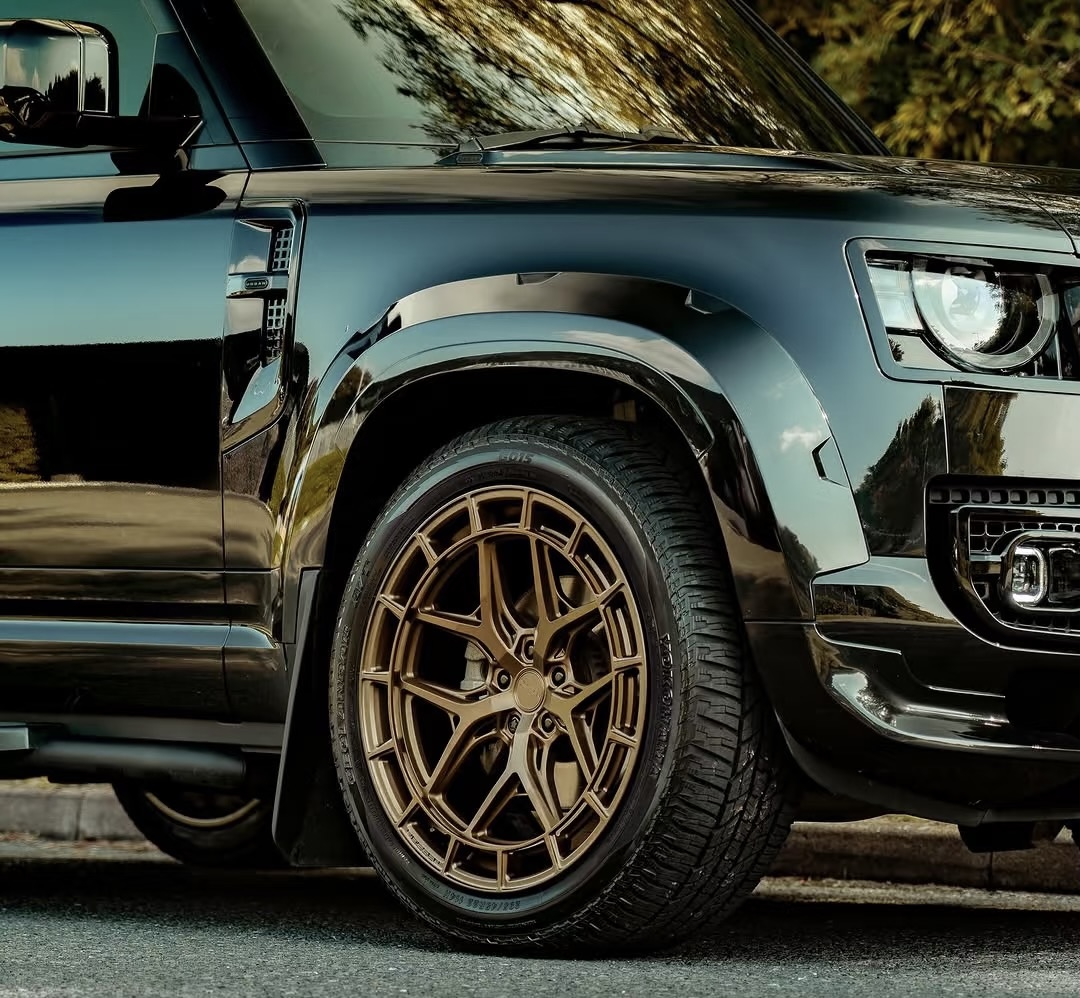
When you look at a car, what is the first modification or feature that catches your eye? For most automotive enthusiasts and daily drivers alike, it is the wheels. Upgrading to a premium set of car alloy rims is one of the most impactful decisions you can make for your vehicle. It is not just about turning heads at a local meetup or adding a touch of personal flair; it is a fundamental upgrade that alters how your vehicle handles, brakes, and burns fuel.
However, entering the aftermarket wheel space can feel overwhelming. With endless designs, technical jargon like “offsets” and “bolt patterns,” and competing manufacturing methods, how do you make the right choice?
This comprehensive deep dive breaks down everything you need to know about car alloy rims, combining technical expertise with practical, real-world advice to help you make an informed investment.
1.What Exactly Are Car Alloy Rims?
To appreciate why alloy rims dominate the modern automotive market, we first need to understand what they are made of. Unlike traditional wheels fabricated from pure sheet steel, alloy rims are engineered from a blend of lightweight metals—primarily aluminum or magnesium—mixed with other elements like silicon, copper, and manganese.
This metallurgical cocktail is not accidental. By combining these metals, manufacturers create a material that leverages the best properties of each: the lightweight nature of aluminum, the structural strength of specialized alloys, and an incredible resistance to environmental degradation.
The Evolution of the Wheel
Decades ago, alloy wheels were a luxury reserved exclusively for high-end race cars and exotic supercars. The manufacturing costs were astronomical. Most everyday vehicles rolled off the assembly line on heavy, utilitarian steel wheels hidden behind plastic hubcaps.
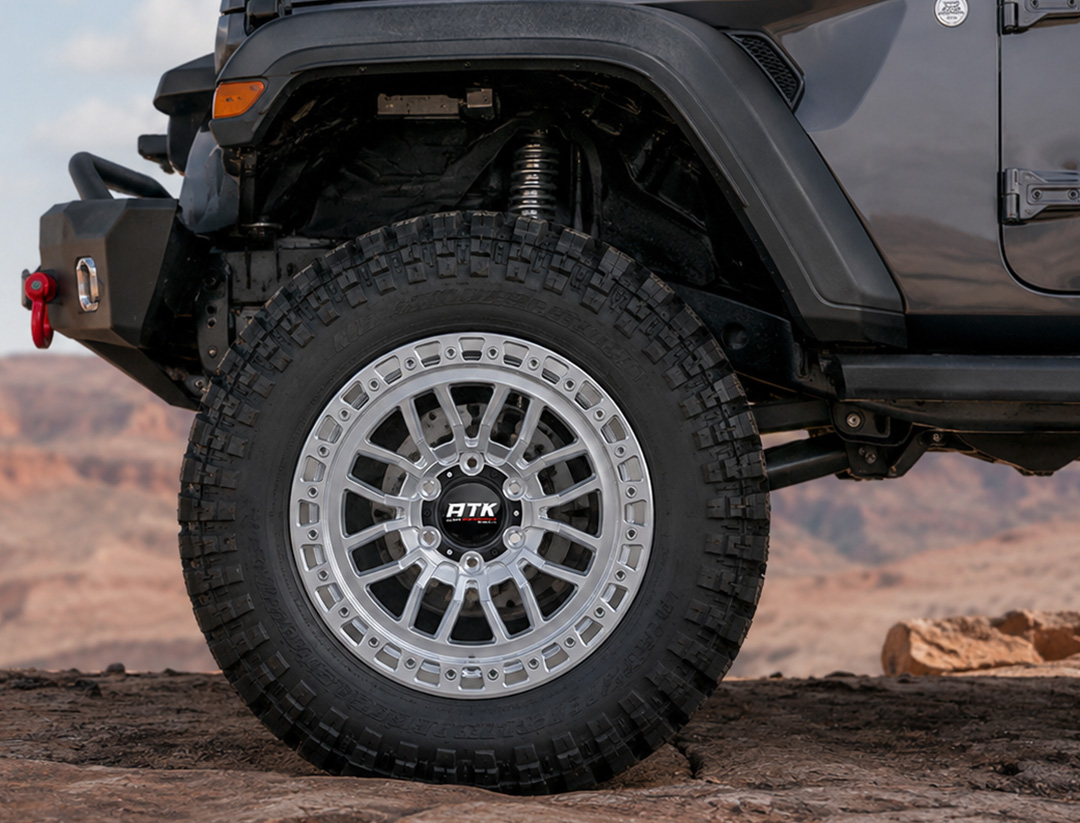
Today, advanced casting and forging technologies have democratized the industry. Brands like ATK Wheels have made high-performance, stunningly designed alloy rims accessible to every driver, whether you are commuting in a fuel-efficient sedan, hauling in a rugged pickup truck, or hitting the track in a sports coupe.
2.Car Alloy Rims vs. Steel Wheels: The Definitive Breakdown
If you are debating whether to stick with standard steel wheels or upgrade to alloy rims, you are looking at two entirely different manufacturing philosophies. Let’s look at how they stack up across the metrics that matter most to American drivers.
Weight and Rotational Mass
The most significant scientific advantage of car alloy rims is weight reduction. Because aluminum is vastly less dense than iron, an alloy rim is significantly lighter than a steel wheel of the exact same dimensions. In the automotive world, this weight is known as unsprung mass and rotational mass. Because the engine doesn’t have to fight as much weight just to spin the wheels, your car feels instantly more responsive.
Aesthetics and Style Varieties
Steel wheels are structurally limited. They are stamped out of heavy machinery, resulting in a solid, blocky appearance with zero room for intricate spoke designs or aggressive concave profiles. Alloy rims, on the other hand, can be cast into almost any shape imaginable. From classic multi-spoke patterns and split-five designs to modern directional styles, alloys allow you to completely redefine your vehicle’s stance.
Thermal Conductivity
When you hit the brakes, a massive amount of kinetic energy is converted into heat. Steel acts like an insulator, trapping that heat around your brake rotors and calipers. Aluminum alloys are exceptional conductors of heat. They draw thermal energy away from your braking system and dissipate it into the passing airflow, drastically reducing the risk of brake fade during spirited driving or long mountain descents.
Durability Under Heavy Loads
Where steel does hold an advantage is pure, brute resilience. Steel is malleable; under massive impacts (like hitting a deep pothole at highway speeds), a steel wheel will typically bend rather than crack. It can often be hammered back into shape. Alloy rims are much stiffer. While they handle everyday road stress with ease, an extreme impact can cause a low-quality alloy to crack rather than bend.
Head-to-Head Comparison Table
| Performance Metric | Car Alloy Rims | Steel Wheels |
|---|---|---|
| Primary Materials | Aluminum or Magnesium blends | Stamped Carbon Steel |
| Weight Profile | Lightweight (Low unsprung mass) | Heavy (High unsprung mass) |
| Handling & Steering | Sharp, agile, highly responsive | Heavy, sluggish steering feel |
| Fuel Efficiency | Improved (Less engine strain) | Lower (More mass to rotate) |
| Brake Cooling | Excellent (High heat dissipation) | Poor (Retains heat easily) |
| Visual Appeal | Infinite custom designs & finishes | Basic, utilitarian (Needs hubcaps) |
| Impact Resistance | Structural rigidity; may crack on extreme impact | Malleable; bends rather than breaking |
| Average Cost | Mid-tier to Premium investment | Budget-friendly |
3.Do Alloy Rims Improve Car Performance and Fuel Efficiency?
Featured Snippet Answer:
Yes, car alloy rims directly improve vehicle performance and fuel efficiency. Because alloy rims are significantly lighter than standard steel wheels, they reduce the vehicle’s unsprung weight and rotational mass. This reduction allows the engine to rotate the wheels with less effort, resulting in faster acceleration, sharper steering response, shorter braking distances, and a modest improvement in overall fuel economy (MPG).
To truly appreciate the performance jump, we have to look closely at the physics of your car’s suspension system.
[Engine Power] ---> [Less Rotational Mass (Alloy)] ---> Faster Acceleration
[Road Bump]     ---> [Lighter Wheel Assembly]      ---> Shorter Suspension Recovery ---> Better Grip
Acceleration and Braking Performance
Think of rotational mass like swinging a heavy hammer versus a light stick. It takes more energy to start swinging the heavy hammer, and it takes significantly more effort to stop it once it is moving.
When you replace heavy steel wheels with lightweight car alloy rims, your engine doesn’t have to work as hard to overcome inertia from a dead stop. Your 0-60 mph times improve, and your throttle response feels crisper. Conversely, when you step on the brakes, there is less kinetic energy to fight, resulting in shorter, safer stopping distances.
Handling, Cornering, and Ride Quality
Unsprung weight refers to every component of the vehicle that sits below the suspension springs—the wheels, tires, brakes, and wheel bearings. When your car hits a bump, the suspension has to push the wheel down back onto the asphalt to maintain traction.
-
A heavy steel wheel crashes into bumps and takes longer for the spring to control.
-
A light alloy wheel dances over road imperfections, allowing the tire to maintain a consistent, firm contact patch with the road.
This translates to drastically improved cornering grip, reduced body roll, and a smoother, more refined cabin experience over rough highway expansions.
Real-World Fuel Economy (MPG)
While upgrading your rims won’t instantly turn a V8 muscle car into a hybrid, the reduction in weight does pay dividends at the gas pump. In stop-and-go city driving—where your engine constantly battles inertia to move the vehicle’s mass—lighter wheels reduce the total workload. Over a year of commuting, this reduced rolling and rotational resistance yields measurable savings in your fuel budget.
4.The Reality of Corrosion: Do Alloy Rims Rust?
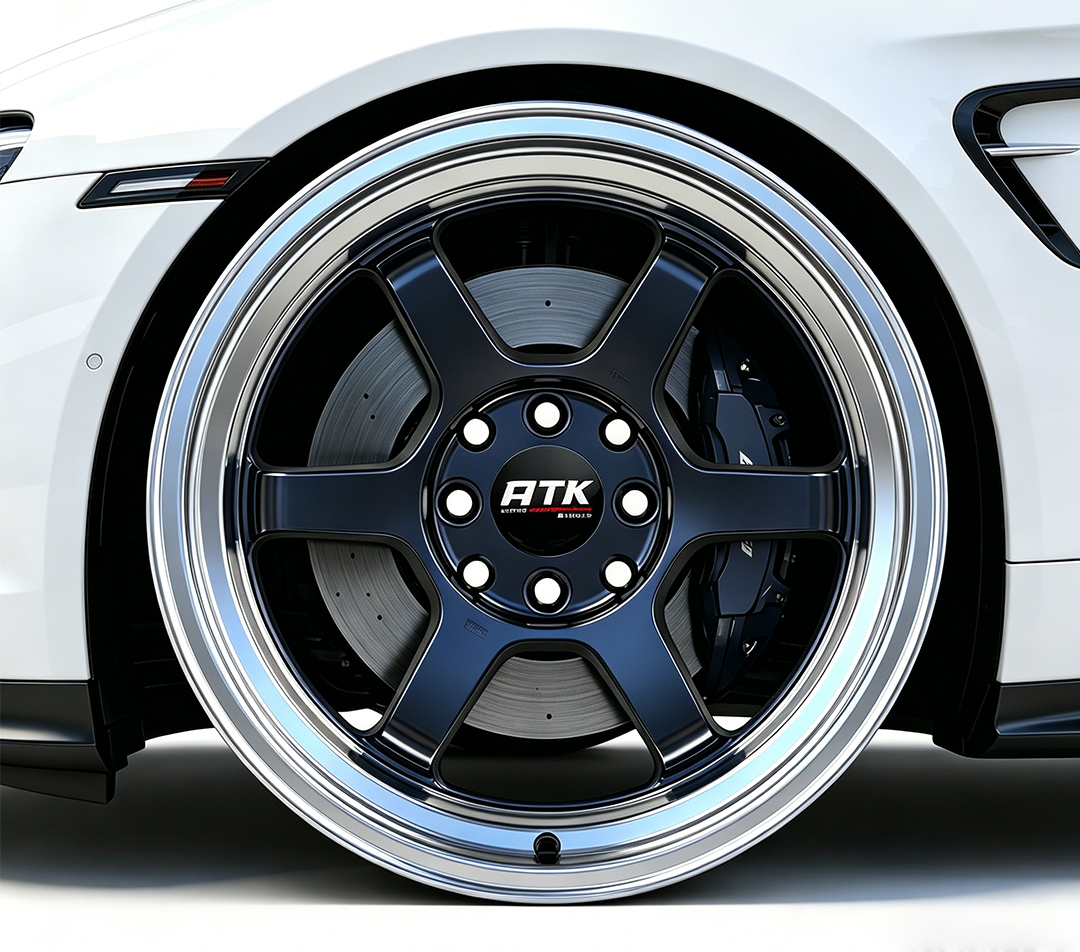
A common misconception among drivers is that because aluminum doesn’t rust, alloy rims are completely immune to environmental damage. While it is true that aluminum alloys do not form iron oxide (red rust), they are absolutely susceptible to a different chemical enemy: chemical corrosion and oxidation.
The Causes of Wheel Degradation
Left unprotected, aluminum reacts with oxygen to form a thin layer of aluminum oxide. While this layer can actually protect the metal underneath, real-world road conditions introduce destructive elements that ruin both the look and structural integrity of the wheel:
-
Road Salt and De-Icing Fluids: In cold US climates, winter road treatments are highly corrosive. They aggressively eat through the clear coat finish of your rims.
-
Brake Dust: Every time you brake, microscopic, red-hot metallic shards from your brake pads shoot onto your wheels. If left to sit, these particles burn into the clear coat and create deep pitting.
-
Moisture and Acid Rain: Constant exposure to moisture, combined with environmental pollutants, accelerates the breakdown of protective coatings.
Recognizing the Signs of Corrosion
How do you know if your alloy rims are corroding? Keep an eye out for these subtle warning signs during your car washes:
-
White Powder/Spots: A dull, chalky white residue forming in the nooks of the spokes or around the center cap.
-
Clear Coat Bubbling: Spiderweb-like cracks or bubbling beneath the shiny clear surface, indicating that moisture has penetrated the protective barrier.
-
Bead Leaks: If your tires are mysteriously losing air pressure every week despite having no punctures, corrosion may be building up along the inner rim bead, breaking the airtight seal between the rubber and the metal.
Proactive Protection Framework
To keep your investment looking pristine for years, implement a simple, consistent maintenance routine:
-
Weekly Cleaning: Wash your wheels using a dedicated, pH-balanced wheel cleaner and a soft microfiber wash mitt. Avoid harsh acid-based cleaners that can strip clear coats.
-
Brake Dust Removal: Use a dedicated iron-remover spray once a month to safely dissolve embedded brake dust particles before they cause pitting.
-
Apply a Wheel Sealant or Ceramic Coating: Just like your car’s paint, your alloy rims benefit immensely from a protective layer. Applying a high-temperature wheel wax or a professional ceramic coating creates a hydrophobic shield that repels brake dust, road grime, and moisture.
5.Repair vs. Replace: Can Damaged Alloy Rims Be Fixed Safely?
We have all experienced that sickening, grinding sound: scraping your beautiful rim against a concrete curb while parallel parking, or hitting an unavoidable pothole on a dark highway. When disaster strikes, you face a critical question: Can this alloy rim be repaired, or is it time to replace it?
Safety must always be your North Star here. Your wheels support the entire weight of your vehicle at highway speeds; a structural failure can be catastrophic.
Minor Cosmetic Damage: Safe to Repair
If the damage is purely superficial, you are in luck. Professional wheel cosmetic repair shops can work wonders on the following issues:
-
Curb Rash: Scrapes, scratches, and gouges along the outermost edge of the rim flange. Technicians can sand down the rough metal, apply specialized fillers, and perfectly paint-match the original finish.
-
Clear Coat Peeling: If sun exposure or harsh chemicals have caused the clear coat to peel, the wheel can be chemically stripped, media-blasted, and completely re-powder-coated to a factory finish.
Structural Bends: Proceed with Expert Caution
If your wheel hits a pothole and develops a flat spot or a slight lateral wobble, it can often be straightened using specialized hydraulic wheel-straightening machines. However, this should only be done by certified professionals. Aluminum becomes brittle when cold-worked; an amateur attempting to hammer a bend out can easily induce micro-fractures inside the metal structure.
Severe Structural Damage: Non-Negotiable Replacement
Under no circumstances should you attempt to repair or drive on a severely structurally compromised wheel. You must replace the rim immediately if you notice:
-
Cracks in the Spokes: The spokes bear the dynamic load of cornering. A crack here means the structural integrity is completely gone.
-
Cracks in the Barrel/Wheel Well: While some minor hairline cracks on the very inner lip can technically be welded, most reputable safety organizations advise against it, as the heat from welding alters the heat treatment of the aluminum alloy.
-
Deep Structural Gauges: Massive gouges that remove significant chunks of metal near the lug nut holes or center bore.
6.Step-by-Step Selection: How to Choose the Correct Fitment
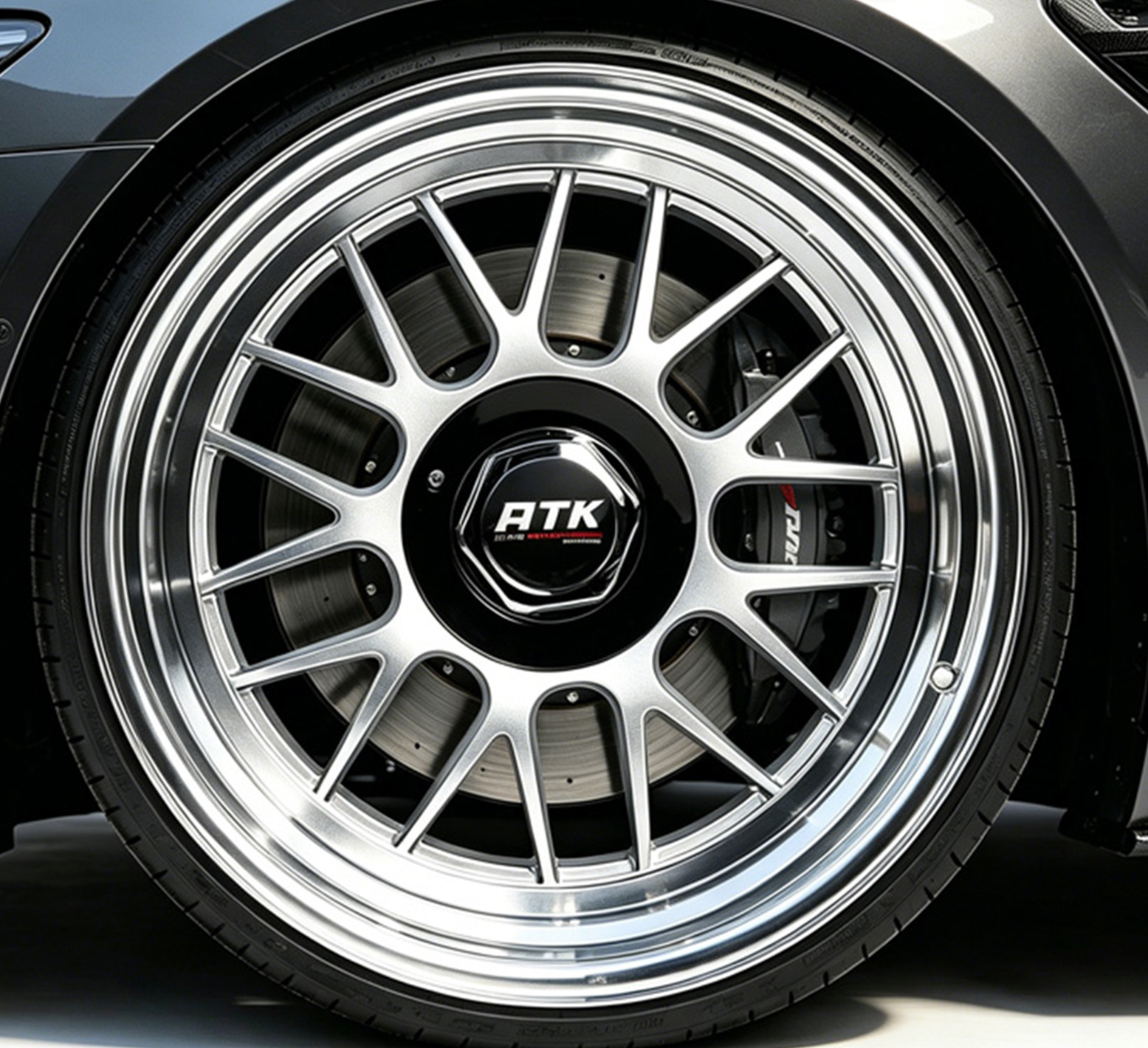
Upgrading your vehicle with a fresh set of wheels from a reputable source like ATK Wheels is incredibly exciting, but you cannot simply pick a design based on looks alone. Wheels are highly precise geometric components. If you choose the wrong dimensions, you risk ruining your tires, damaging your suspension components, or creating a severe safety hazard.
When upgrading, you must match five critical technical dimensions:
1. Wheel Diameter and the “Plus-One” Rule
The diameter is the overall size of the wheel face (e.g., 17-inch, 18-inch, 19-inch). If you want to increase your rim size for a sportier look, the industry standard is to follow the Plus-One or Plus-Two rule.
When you increase the size of the metal rim by 1 inch, you must decrease the aspect ratio (sidewall height) of the tire by a corresponding amount. This ensures that the overall rolling diameter of your wheel-and-tire setup remains identical to the factory specifications. Why does this matter? If the overall diameter changes, your speedometer will read inaccurately, and your vehicle’s anti-lock braking (ABS) and traction control systems can malfunction.
2. Bolt Pattern (PCD)
The bolt pattern indicates how many lug nut holes the wheel has and how far apart they are spaced. It is expressed as Number of Bolts x Distance Across the Circle (in millimeters).
For example, a 5×114.3 bolt pattern (incredibly common on many Japanese and domestic vehicles) means the wheel has 5 lug holes arranged in a circle with a diameter of 114.3mm. A wheel with a 5×112 pattern will absolutely not fit on a 5×114.3 hub, even though they look identical to the naked eye. Never force a wheel onto a hub.
3. Wheel Width
Wheel width is measured inside the retaining flanges where the tire bead sits. If you choose a wheel that is too wide for your car, the inner lip may rub against your suspension struts, or the outer tire edge might hit your fender during sharp turns.
4. Offset (ET)
Offset determines how deep the wheel sits inside the wheel well, measured in millimeters and stamped as an ET value (e.g., ET45).
-
Positive Offset: The mounting surface is closer to the street side of the wheel, pulling the wheel deep inside the fender (common on modern front-wheel-drive cars).
-
Negative Offset: The mounting surface is deep inside the wheel, pushing the rim outward for a wide, aggressive stance (common on lifted trucks and classic muscle cars).
-
Incorrect Offset Impact: An incorrect offset shifts the vehicle’s scrub radius, which can accelerate wheel bearing wear, ruin your wheel alignment, and make steering unpredictable.
5. Center Bore and Hub-Centric Design
The center bore is the circular opening at the very back middle of the wheel that slips over the vehicle’s axle hub. Most OEM wheels are hub-centric, meaning the weight of the vehicle is supported entirely by the machined center hub, not by the lug nuts.
Many aftermarket wheels are designed with a larger center bore to fit a wide array of cars. If you install these, you must use high-quality hub-centric rings (polycarbonate or aluminum spacers) to fill the gap. Without them, the wheel becomes lug-centric, leading to severe steering wheel vibrations at highway speeds.
FAQs: Frequently Asked Questions
1.Can I use my factory tires if I buy new car alloy rims?
Yes, but only if the diameter and width of your new alloy rims perfectly match your original wheels. If your current tires are designed for a 17×7-inch wheel, you cannot safely mount them onto a new 18×8-inch alloy rim. Always check your tire sidewall specifications before ordering new wheels.
2.Why is brake dust so aggressive on alloy wheels?
Brake dust is a mixture of carbon fibers and microscopic iron particles sheared off your brake rotors under intense friction and heat. Because aluminum alloy wheels conduct heat beautifully, these scorching hot metallic particles easily melt their way into the clear coat of the rim, bonding to the surface. Regular washing and applying a quality wheel sealant are the best lines of defense.
3.What is the difference between cast and forged alloy rims?
Cast alloy rims are made by pouring molten aluminum into a pre-shaped mold; this is highly cost-effective and perfect for daily street driving. Forged alloy rims begin as a solid block of aluminum alloy that is subjected to intense heat and millions of pounds of hydraulic pressure. This process re-aligns the grain structure of the metal, creating a wheel that is significantly stronger and lighter than a cast wheel, though at a much higher price point.
4.Do aftermarket alloy rims void my vehicle warranty?
No. In the United States, under the Magnuson-Moss Warranty Act, an aftermarket modification like upgrading your wheels cannot automatically void your entire vehicle warranty. The dealership must explicitly prove that the aftermarket wheels directly caused a specific component failure (such as a premature wheel bearing failure due to an extreme, incorrect offset) to deny a warranty claim on that specific part.
Upgrading Your Ride
Ready to completely transform your vehicle’s performance, handling, and aesthetic appeal? Investing in a premium set of car alloy rims is the ultimate way to inject new life into your drive. Whether you are searching for track-ready lightweight performance or a clean, elegant street look, matching the right design with precision engineering ensures you get the absolute best out of your car.
Explore the diverse lineup of meticulously engineered, high-durability wheel options available at ATK Wheels today, and find the perfect set tailored to your exact make, model, and driving style!