
Aftermarket Rims for Cars: Fitment, Materials, Sizes, and Buying Tips
Aftermarket Rims for Cars: Fitment, Materials, Sizes, and Buying Tips
Upgrading your vehicle with aftermarket rims for cars represents one of the most transformative modifications you can make. Beyond changing the visual silhouette of your vehicle, the right set of wheels reshapes how your car handles, accelerates, brakes, and connects with the road.
Whether you aim to enhance track performance, improve daily driving dynamics, or simply stand out on the street, selecting custom wheels requires balancing aesthetics with precise mechanical fitment.
┌─────────────────────────────┐
│              AFTERMARKET RIMS ADVANTAGES                 │
├─────────────┬───────────────┤
│ Visual Customization     │ Unlimited styles & finishes  │
│ Unsprung Weight Reduction│ Faster throttle response     │
│ Enhanced Heat Dissipation│ Extended brake durability    │
│ Broader Stance           │ Superior cornering grip      │
└─────────────┴───────────────┘
1.What Are Aftermarket Rims for Cars?
Aftermarket rims are custom-engineered wheels manufactured by independent automotive specialty brands rather than the original vehicle manufacturer (OEM). While original factory wheels prioritize broad consumer appeal, ease of mass production, and baseline cost control, aftermarket alternatives target specific performance benchmarks, distinct visual themes, and tailored fitments.
                                 ┌───────────┐
                                 │ Wheel Rim Terminology│
                                 └─────┬─────┘
                                             │
         ┌─────────────────┴─────────────────┐
         ▼                                                                      ▼
┌───────────┐                                            ┌─────────┐
│     The Rim          │                                            │  The Entire Wheel│
├───────────┤                                            ├─────────┤
│ Outer edge mechanism │                                            │ Complete assembly│
│ holding tire bead    │                                            │ including hub    │
└───────────┘                                            └─────────┘
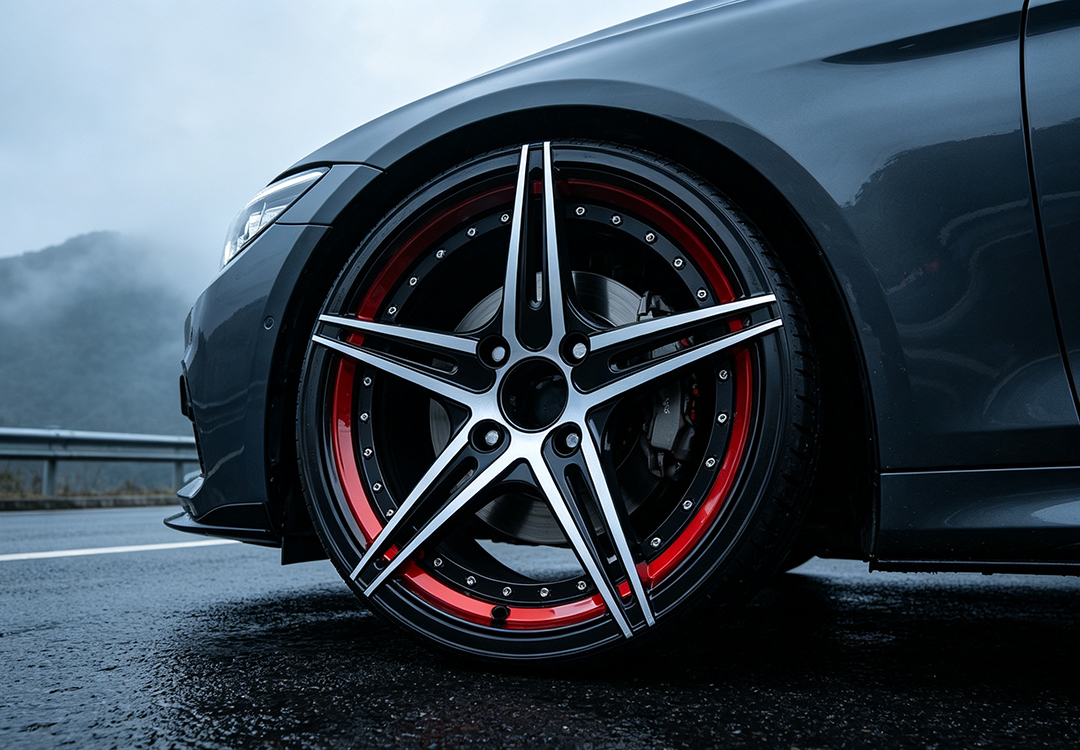
Technically speaking, the term rim refers specifically to the outer circular edge that holds the tire bead in place. However, in automotive culture and everyday conversation, “rims” and “wheels” are used interchangeably to describe the entire structural metal assembly mounted to your wheel hub.
2.Why Upgrade from OEM to Custom Aftermarket Wheels?
Switching from factory-installed wheels to specialized aftermarket models provides immediate, tangible benefits for daily commuting and enthusiastic performance driving alike.
+-------------------------------------------------------------------+
|               OEM WHEELS vs. AFTERMARKET RIMS                     |
+-------------------------------------------------------------------+
|  OEM WHEELS                                                       |
|  * Standard Cast Heavy Alloy                                      |
|  * Universal Styling & High Offsets                               |
|  * Moderate Brake Clearance                                       |
+-------------------------------------------------------------------+
|  AFTERMARKET RIMS                                                 |
|  * Flow-Formed & Forged Lightweight Options                       |
|  * Aggressive Stances & Tailored Finishes                         |
|  * Maximum Brake Caliper & Big Brake Clearance                    |
+-------------------------------------------------------------------+
1. Significant Unsprung Weight Reduction
Your vehicle’s suspension system manages two distinct categories of mass: sprung mass (everything supported by the springs, such as the chassis, engine, and passengers) and unsprung mass (components directly connected to the road, including wheels, tires, brakes, and hub assemblies).
                 UNSPRUNG MASS IMPACT
      Reduced Rotational Weight at the Wheel
                         │
         ┌───────┴────────┐
         ▼                                 ▼
 Faster Acceleration                  Quicker Braking
     Response                            Distance
        │                                  │
        └───────┬─────────┘
                        ▼
            Improved Suspension Tracking
When you reduce unsprung weight using lightweight custom rims, your suspension components react far more rapidly to road irregularities. A reduction of just 5 pounds per wheel translates into noticeable improvements in steering response, rotational momentum, and overall chassis stability.
2. Enhanced Braking and Thermal Management
High-performance aftermarket designs feature open-spoke configurations engineered to maximize air movement. These optimized airflow channels pull heat away from the brake rotors and calipers during aggressive driving, preventing thermal brake fade and maintaining consistent stopping power.
3. Personalization and Stance Optimization
Factory wheels typically feature conservative widths and inward-tucked offsets to accommodate tire chains and universal clearance standards. Aftermarket rims allow you to achieve flush fitment relative to the fender line or aggressive track stances that fill out the wheel wells cleanly.
3.Manufacturing Methods: How Construction Defines Quality
Not all aftermarket rims for cars are constructed using the same metallurgical processes. The manufacturing process directly governs structural integrity, impact resistance, overall weight, and financial investment.
┌────────────────────────────────┐
│               MANUFACTURING METHOD COMPARISON                  │
├────────┬─────────┬──────┬──────┤
│ Method         │ Structural Grain │ Density    │ Weight     │
├────────┼─────────┼──────┼──────┤
│ Gravity Cast   │ Porous / Random  │ Standard   │ Heavy      │
│ Flow-Formed    │ Compressed Radial│ High       │ Lightweight│
│Monoblock Forged│ Continuous Flow  │ Ultra-High │ Ultra-Light│
└────────┴─────────┴──────┴──────┘
Gravity and Low-Pressure Casting
Casting involves pouring molten aluminum alloy into a pre-formed mold.
-
Gravity Casting: Liquid aluminum flows into the mold under its own weight. This process requires thicker walls to ensure structural soundness, resulting in a heavier final wheel.
-
Low-Pressure Casting: Molten alloy is drawn into the mold using positive pressure from below. This reduces internal porosity and air pockets, producing a stronger wheel than basic gravity casting while maintaining an accessible price point.
Flow-Forming (Rotary Forging)
Flow-forming begins as a specialized low-pressure cast preform. The wheel is mounted onto a specialized spinning mandrel while high-pressure hydraulic rollers heat, stretch, and compress the aluminum rim barrel.
This mechanical pressure aligns the internal grain structure of the aluminum radially, yielding tensile strength characteristics that approach fully forged wheels at a fraction of the cost.
Forged Aluminum Construction
Forged rims represent the absolute pinnacle of wheel engineering. A solid block of aerospace-grade 6061-T6 aluminum billet is subjected to thousands of tons of hydraulic pressure, forging an unbroken, highly dense internal grain structure.
CNC machinery then mills the finalized design out of the dense blank. Forged wheels deliver maximum impact resistance and minimal weight, making them the preferred choice for high-horsepower street builds and professional motorsport applications.
4.Detailed Comparison: Materials and Manufacturing Techniques
Evaluating wheel construction methods helps narrow down the optimal selection for your performance expectations and budget.
| Manufacturing Category | Relative Strength | Weight Index | Price Range | Ideal Application |
|---|---|---|---|---|
| Cast Aluminum Alloy | Baseline | Heavy | Entry-Level | Daily commuting, winter wheel setups, budget styling updates |
| Flow-Formed Alloy | High | Mid-to-Light | Mid-Range | Performance street driving, spirited canyon carving, track days |
| Forged 6061-T6 Aluminum | Extreme | Ultra-Light | Premium | High-horsepower builds, dedicated track competition, exotic supercars |
5.Essential Fitment Specifications: Master the 5 Key Parameters
Installing custom wheels requires precise measurement checks. Installing an incorrect wheel size can cause severe tire rubbing against inner shock towers, speed sensor miscalibrations, or structural interference with suspension arm components.
                                       WHEEL SPECIFICATIONS
                    ┌─────────────┴─────────────┐
                    │                                                      │
          ┌────┴────┐                                  ┌────┴────┐
          │   Wheel Diameter │                                  │    Offset (ET)   │
          │   & Rim Width    │                                  │  Pos / Zero / Neg│
          └─────────┘                                  └─────────┘
                    │                                                       │
          ┌────┴────┐                                   ┌────┴────┐
          │  Bolt Pattern    │                                   │   Center Bore    │
          │ (PCD Measurement)│                                   │   & Load Rating  │
          └─────────┘                                   └─────────┘
1. Bolt Pattern (PCD – Pitch Circle Diameter)
The Bolt Pattern or Pitch Circle Diameter indicates the exact number of lug holes and the diameter of the imaginary circle they form.
-
Example:
5x114.3indicates 5 lug holes arranged on a 114.3mm diameter circle (common on Japanese and American platforms). -
Example:
5x112is commonly found on European vehicles like Audi, Volkswagen, and BMW.
Always match the exact PCD specified for your vehicle chassis. Attempting to force incorrect bolt patterns using improper hardware compromises wheel hub integrity.
2. Wheel Diameter and Width
Wheel dimensions are measured directly at the tire bead seat, expressed in inches (e.g.,
18x8.5).-
Diameter (18″): The distance across the outer face of the wheel rim.
-
Width (8.5″): The distance between the inner and outer bead flanges where the tire mounts.
When upsizing diameter (known as “+1” or “+2” sizing), select lower-profile tires to maintain the exact overall rolling circumference of the factory wheel assembly.
                   +1 UPSIZING GEOMETRY

       FACTORY SETUP                      UPSIZED SETUP
   ┌─────────┐            ┌─────────┐
   │   Tire Sidewall  │            │   Tire Sidewall  │
   │  (Taller Profile)│            │ (Shorter Profile)│
   ├─────────┤            ├─────────┤
   │                  │            │                  │
   │    17" Factory   │            │    18" Custom    │
   │     OEM Wheel    │            │  Aftermarket Rim │
   │                  │            │                  │
   └─────────┘            └─────────┘
   ◄── Same Overall Outer Tire Diameter Maintained ──►
3. Wheel Offset (ET)
Offset, designated by the German abbreviation ET (Einpresstiefe), measures the distance in millimeters from the hub mounting surface to the true centerline of the wheel width.
                ZERO OFFSET                  POSITIVE OFFSET                      NEGATIVE OFFSET
                 (ET 0)                         (ET +45)                              (ET -12)
               Centerline                      Centerline                             Centerline
                   │                               │                                    │
           ┌───┼───┐               ┌───┼────┐                ┌────┼───┐
           │      │      │               │      │    █  │                │  █    │      │
           │      █      │               │      │    █  │                │  █    │      │
           │      █      │               │      │    █  │                │  █    │      │
           └───┼───┐               └───┼────┐                └────────┐
                   │                               │                                    │
             Hub Mount Surface              Hub Mount Surface                     Hub Mount Surface
             Direct Center                  Moved Outward                            Moved Inward
                                            (Face Retracted)                      (Deep Lip Stance)
-
Positive Offset (e.g., ET +45): The mounting hub face sits forward toward the front face of the wheel. Typical on modern front-wheel-drive and modern all-wheel-drive sedans.
-
Zero Offset (ET 0): The mounting surface lines up directly with the mechanical centerline of the wheel width.
-
Negative Offset (e.g., ET -12): The hub mounting face sits deep inside toward the inner edge of the wheel, pushing the outer rim face outward away from the vehicle body. Popular on off-road trucks and widebody builds.
4. Center Bore (CB) and Hub-Centric Rings
The center bore is the machined hole located at the structural back of the wheel that slips directly over the vehicle’s axle hub snout.
-
Hub-Centric Fitment: The center bore matches the hub snout diameter precisely. The vehicle’s hub bears the physical weight load, eliminating vibrational movement.
-
Lug-Centric Fitment: The wheel’s center hole is larger than the hub snout, relying solely on lug nuts to center the wheel.
To run universal aftermarket rims safely without experiencing high-speed steering wheel wobbles, fit precision-machined hub-centric rings (aluminum or heavy poly-carbon) to bridge any gap between the wheel center bore and vehicle hub.
                     HUB-CENTRIC RING INSTALLATION
        ┌────────────────────────────┐
        │ Custom Rim Center Bore (e.g., 73.1mm)                  │
        │  ┌────────────────────────┐  │
        │  │ Hub-Centric Adapter Ring                       │  │
        │  │  ┌────────────────────┐  │  │
        │  │  │ Vehicle Axle Hub Snout (e.g., 66.1mm)  │  │  │
        │  │  └────────────────────┘  │  │
        │  └────────────────────────┘  │
        └────────────────────────────┘
5. Load Rating Capacity
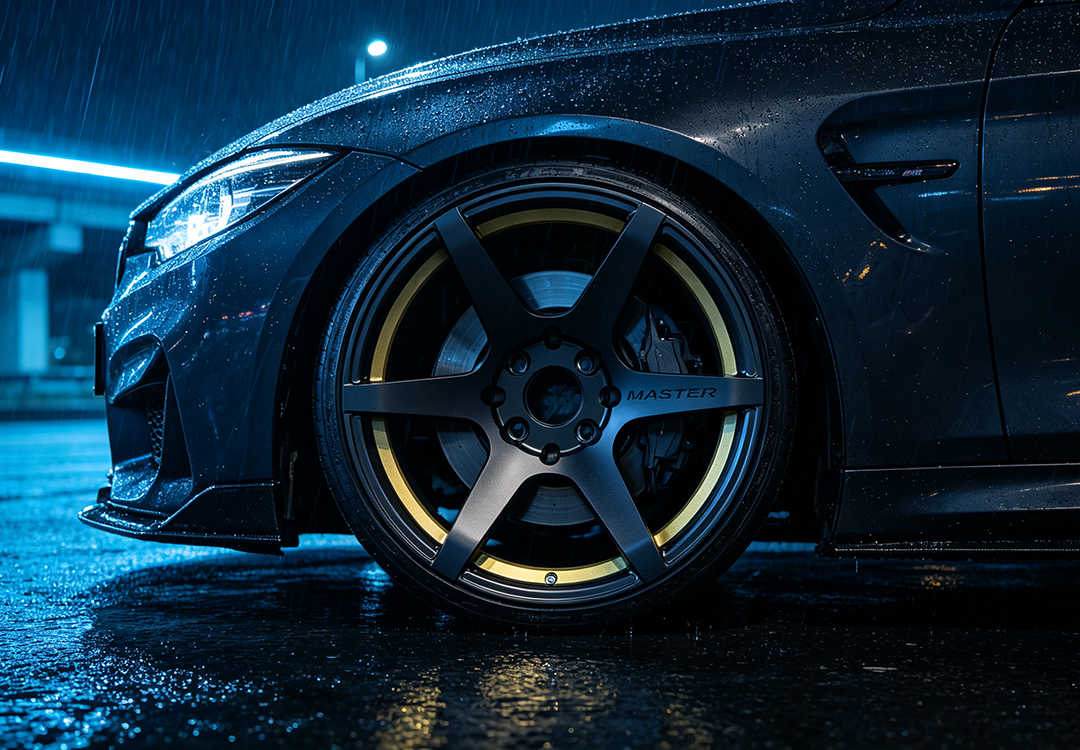
Every aftermarket wheel features an engineered maximum load capacity stamped on the back face (e.g., 690 kg / 1,521 lbs per wheel). Ensure that the total combined load rating of four wheels comfortably exceeds your vehicle’s Gross Axle Weight Rating (GAWR).
6.Step-by-Step Fitment Verification Process
Follow this sequence to verify that your chosen aftermarket rims fit your vehicle perfectly:
7.Performance Impacts: Handling, Braking, and Fuel Efficiency
Installing new wheels affects multiple aspects of vehicle performance and efficiency.
                    VEHICLE PERFORMANCE IMPACTS
          LIGHTWEIGHT FLOW-FORMED          OVERSIZED HEAVY CAST
          AFTERMARKET WHEELS                AFTERMARKET WHEELS
       ┌──────────┐          ┌──────────┐
       │ Rapid Acceleratio  │          │ Sluggish Throttle  │
       │ Precise Steering   │          │ Heavier Steering   │
       │ Shorter Braking    │          │ Increased MPG Draw │
       │ Compliant Ride     │          │ Harsh Highway Ride │
       └──────────┘          └──────────┘
Suspension Dynamics and Steering feel
Reducing unsprung weight allows your tires to track road imperfections smoothly. This improves tire contact patch stability, reducing unwanted hop over bumpy surfaces and sharpening steering turn-in response.
Acceleration and Rotational Inertia
Mass located farther from the center axle hub requires significantly more energy to spin up to speed. Choosing forged or flow-formed rims reduces this rotational drag, unlocking punchier off-the-line throttle response and faster engine revs.
Fuel Economy Considerations
Upgrading to excessively large or heavy cast rims increases rolling resistance and aerodynamic drag.
                        MPG BALANCE EQUATION
      Wide / Heavy Wheel Setup          Lightweight / Sized Setup
     ┌────────────┐        ┌────────────┐
     │+ Greater Air Resistance│        │ - Minimal Inertia Drag │
     │ + Heavy Rotational Mass│        │ + Optimized Tread Width│
     ├────────────┤        ├────────────┤
     │  2% - 5% Efficiency    │        │  Maintains OEM Energy  │
     │        Reduction       │        │       Consumption      │
     └────────────┘        └────────────┘
Selecting flow-formed wheels that weigh less than factory equipment neutralizes efficiency losses—even when increasing total rim width.
8.Essential Accessories and Installation Hardware
Installing custom aftermarket wheels requires specialized hardware designed specifically for aftermarket applications.
┌─────────────────────────────┐
│               HARDWARE SELECTION CHECKLIST               │
├───────────┬─────────────────┤
│ Lug Nut Seat Match   │ Conical vs. Ball Seat            │
│ Thread Pitch & Length│ Matches vehicle stud specs       │
│ Hub-Centric Rings    │ Eliminates high-speed vibrations │
│ Pre-Programmed TPMS  │ Maintains tire monitoring alerts │
└───────────┴─────────────────┘
Lug Nut and Bolt Seat Profiles
Factory wheels often feature flat mag seats or spherical ball seats, whereas the majority of aftermarket wheels utilize 60-degree conical (tapered) lug seats. Never use factory ball-seat lug nuts on conical aftermarket lug seats, as doing so prevents proper torque distribution and can cause hardware failure.
         CONICAL SEAT                    BALL SEAT                      FLAT MAG SEAT
          (60° Taper)                 (Radius Curved)                  (Flat Washer)
             /   \                          (   )                         │      │
            /     \                        (     )                        │      │
           /       \                      (       )                     ┌┴───┴┐
          /_________\                    (_________)                    └─────┘
     Standard Aftermarket             Typical OEM Factory             Classic Truck / Spec
Tire Pressure Monitoring Systems (TPMS)
When assembling a new wheel and tire package, install new pre-programmed TPMS sensors matching your vehicle’s broadcast frequency (typically 315MHz or 433MHz). This keeps your instrument cluster tire warning systems fully operational.
9.Long-Term Maintenance and Protection Strategies
Protecting custom wheel finishes against aggressive metallic brake dust, road salts, and road debris requires dedicated maintenance habits.
               RECOMMENDED CLEANING SCHEDULE
    EVERY 1-2 WEEKS                       EVERY 6 MONTHS
 ┌─────────┐                 ┌─────────┐
 │ Neutral pH Wash  │                 │ Strip Deep Brake │
 │ Microfiber Towel │                 │ Contaminants     │
 │ Cool Wheels Only │                 │ Apply Ceramic    │
 └─────────┘                 │ Coating Armor    │
                                        └─────────┘
Regular Wash Protocol
-
Avoid Harsh Chemicals: Skip automated drive-through car washes that use stiff brushes or acid-based rim cleaners, as these strip clear coat layers and dull polished finishes over time.
-
Use Neutral Cleaners: Clean wheels with a dedicated pH-neutral wheel soap, a soft microfiber wash mitt, and specialized soft-bristle barrel brushes.
-
Cool Down Period: Never spray cold water directly onto hot wheels immediately after driving. Sudden thermal shock can crack painted clear coats or warp heated brake rotors behind the wheel.
Ceramic Coating Sealants
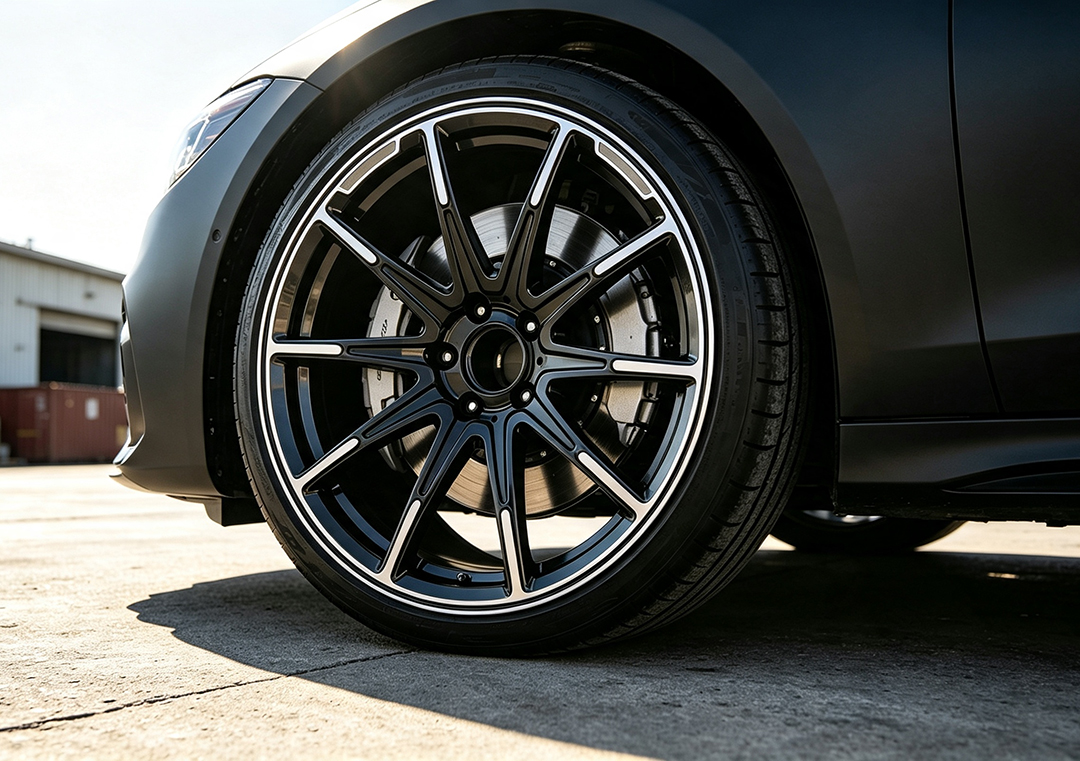
Applying a hydrophobic ceramic coating creates a smooth barrier that prevents hot brake dust particles from embedding directly into the wheel’s clear coat. Sealed wheels shed grime easily, requiring only high-pressure water rinses during routine washes.
Frequently Asked Questions(FAQ)
1. Are aftermarket rims bad for your car?
No, high-quality aftermarket rims from reputable manufacturers are safe and often superior to factory OEM wheels in strength and weight. However, using poorly manufactured cast rims, incorrect bolt patterns (PCD), or incorrect offsets can compromise safety, cause suspension rubbing, and accelerate tire and bearing wear.
2. How do I know if aftermarket rims will fit my car?
To ensure proper fitment, match five key specifications with your vehicle’s factory setup:
-
Bolt Pattern (PCD): The number and spacing of lug holes (e.g., 5×114.3).
-
Wheel Diameter and Width: Measured in inches (e.g., 18×8.5).
-
Offset (ET): The distance from the hub mounting surface to the rim’s centerline.
-
Center Bore (CB): The diameter of the center hole (hub-centric rings may be required).
-
Load Rating: Maximum weight capacity per wheel.
3. What is the difference between OEM wheels and aftermarket rims?
OEM (Original Equipment Manufacturer) wheels are designed by the vehicle manufacturer for standard fitment, durability, and cost-efficiency. Aftermarket rims are produced by third-party manufacturers, offering a broader variety of styles, performance enhancements (such as lightweight forged aluminum), custom sizing, and price range flexibility.
4. Do bigger aftermarket rims lower gas mileage?
Yes, larger aftermarket rims generally increase rolling resistance and overall rotational mass, which requires more engine energy to accelerate. Additionally, upgrading to wider rims often means installing wider tires, increasing aerodynamic drag and surface friction, resulting in reduced fuel economy.
5. What are the best materials for aftermarket car rims?
-
Cast Aluminum Alloy: The most common and affordable option, suitable for daily driving.
-
Flow-Formed Alloy: Stronger and lighter than standard casting, offering a great balance of cost and performance.
-
Forged Aluminum: The strongest, lightest, and most durable material, ideal for track and high-performance applications, though at a premium price.
Upgrade Your Ride with Confidence
Selecting the perfect set of aftermarket rims for cars blends mechanical precision, engineering performance, and personal style. By matching fitment specifications—bolt pattern, offset, center bore, and load capacity—you unlock sharper handling, reduced unsprung weight, and an upgraded stance tailored to your driving goals.
Ready to transform your vehicle’s look and driving dynamics? Browse precision-engineered wheel collections at ATK Wheels to find custom setups designed for your platform.

