
Forged Alloy Rims: Strength, Weight, Performance, and Cost
Forged Alloy Rims: Strength, Weight, Performance, and Cost
Every enthusiast, daily commuter, and vehicle builder eventually faces a critical question during an upgrade: which wheel construction actually delivers real-world performance improvements without compromising safety?
Among the options available in the automotive aftermarket, forged alloy rims stand out as the premium benchmark. Designed using extreme thermal and mechanical pressure, these wheels deliver a level of structural integrity, weight reduction, and customization that traditional cast alternatives simply cannot mirror.
Whether you are looking to trim split seconds off track times, protect your suspension on pothole-ridden city streets, or outfit a heavy-duty truck for demanding payloads, understanding the engineering behind custom forged wheels is key to making an informed investment.
1.What Are Forged Alloy Rims?
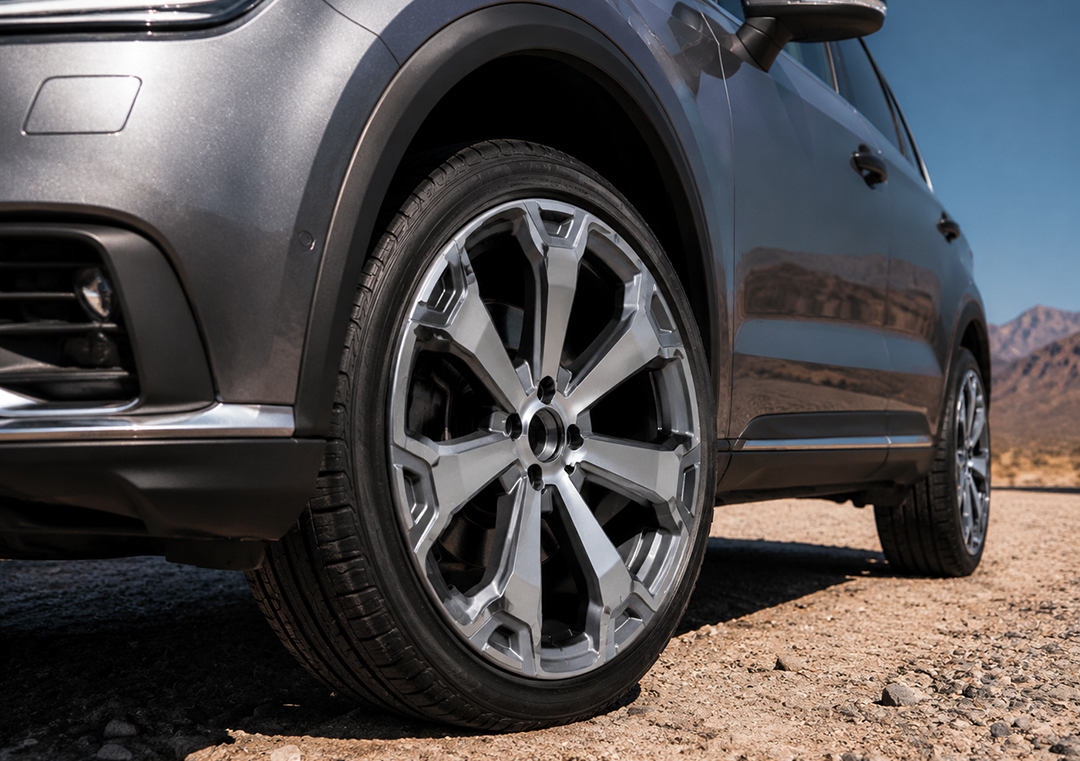
A forged alloy rim is a high-strength wheel manufactured by taking a solid billet of aerospace-grade aluminum alloy (most commonly 6061-T6 aluminum) and subjecting it to thousands of tons of hydraulic pressure.
Unlike casting, where liquid aluminum is poured into a mold, forging mechanically crushes the aluminum block into a dense wheel blank. This extreme pressure aligns the internal grain structure of the alloy along the natural contours of the wheel design. The raw forged blank is then precision-machined using advanced computer numerical control (CNC) mills to create intricate spoke patterns and exact offset specs.
Because the metal grain remains continuous and tight, manufacturers can remove excess material from areas with low stress without sacrificing structural rigidity. The result is an exceptionally lightweight wheel that possesses remarkable tensile strength and impact resistance.
2.How Forging Compares to Other Manufacturing Methods
To appreciate why forged aluminum wheels dominate high-end motorsports and luxury builds, it helps to examine how alternative manufacturing methods operate.
Cast Wheels vs. Forged Wheels
Gravity casting and low-pressure casting involve melting aluminum and pouring or pumping it into a pre-shaped mold. As the molten metal cools, tiny air pockets, micro-porosities, and grain discontinuities form naturally throughout the structure.
To offset these inherent material weaknesses, cast wheel manufacturers must make the spokes and barrel significantly thicker and heavier. Even with extra material, cast wheels remain prone to sudden cracking or shattering under severe road impacts.
Flow-Formed Wheels: The Middle Ground
Flow forming (sometimes called rotary forging or rim rolling) starts with a specialized low-pressure cast wheel blank. The outer barrel is heated and stretched using high-speed rollers, aligned under heat and mechanical force.
This process elongates the grain structure in the outer barrel, giving it strength characteristics closer to a forged rim. However, the center face and spokes retain their original cast grain structure. While flow-formed wheels offer an excellent mid-tier upgrade over basic cast options, they do not match the end-to-end structural density of a true 100% monoblock forged alloy rim.
3.Detailed Comparison: Construction, Performance, and Durability
The following comparison table highlights the core engineering differences across the three main manufacturing standards:
| Feature / Metric | Standard Cast Alloy Rims | Flow-Formed Alloy Rims | Forged Alloy Rims |
|---|---|---|---|
| Manufacturing Process | Liquid metal poured into molds | Cast center with heat-rolled barrel | Solid billet compressed under extreme pressure |
| Structural Grain Alignment | Random / Discontinuous | Aligned in barrel only | Fully continuous throughout face and barrel |
| Material Density | Lower (contains micro-porosity) | Moderate | Extremely high (porosity-free) |
| Weight Savings | Standard / Heavy | ~15% lighter than cast | ~25% to 35% lighter than cast |
| Tensile Strength | Standard (~150–200 MPa) | Moderate (~250–300 MPa) | Superior (~310–380+ MPa) |
| Impact Reaction | Higher risk of cracking/shattering | Bends in barrel, cracks on face | Tends to deform/bend under extreme force |
| Customization Flexibility | Fixed mold specs | Limited offset options | Fully customizable offset, width, and bolt pattern |
| Price Point | Budget-friendly | Mid-range | Premium investment |
4.How Forged Alloy Rims Enhance Vehicle Dynamics
Reducing overall vehicle weight is always beneficial, but reducing unsprung mass and rotational inertia yields immediate, noticeable improvements in driving feel and telemetry.
+-----------------------------------------------------------------------+
|                       UNSPRUNG WEIGHT REDUCTION                       |
+-----------------------------------------------------------------------+
                                    |
                                    v
       +----------------------------+----------------------------+
       |                                                         |
       v                                                         v
+-------------------------------+               +-------------------------------+
|     DYNAMIC PERFORMANCE       |               |     SUSPENSION EFFICIENCY     |
+-------------------------------+               +-------------------------------+
| • Faster Throttle Response    |               | • Quicker Shock Rebound       |
| • Shorter Braking Distances   |               | • Reduced Chassis Oscillations|
| • Crisp Steering Feedback     |               | • Better Tire-to-Road Contact |
+-------------------------------+               +-------------------------------+
1. Sharper Steering and Faster Acceleration
Unsprung mass includes every component not supported by the vehicle’s suspension springs—such as the wheels, tires, brake rotors, and hubs. Because forged rims are significantly lighter than cast alternatives, the engine requires less effort to spin the assembly up to speed. Drivers notice snappier throttle acceleration, reduced rotational effort, and crisp, immediate turn-in during aggressive cornering.
2. Reduced Braking Distance and Heat Dissipation
Less rotational inertia means the braking system requires less kinetic energy absorption to bring the vehicle to a halt. Furthermore, the high thermal conductivity of dense 6061-T6 forged aluminum allows heat generated by intense brake pad contact to dissipate rapidly through the spokes, protecting against brake fade during spirited driving or track sessions.
3. Superior Suspension Compliance and Ride Quality
When a lighter wheel travels over bumps or uneven asphalt, the damper and spring can react much faster to keep the tire tread pressed firmly against the road surface. This quick shock rebound reduces uncomfortable cabin vibration, improves tire tracking, and enhances highway stability.
5.Types of Forged Rim Constructions
When selecting custom forged alloy rims, you will encounter three primary structural formats:
-
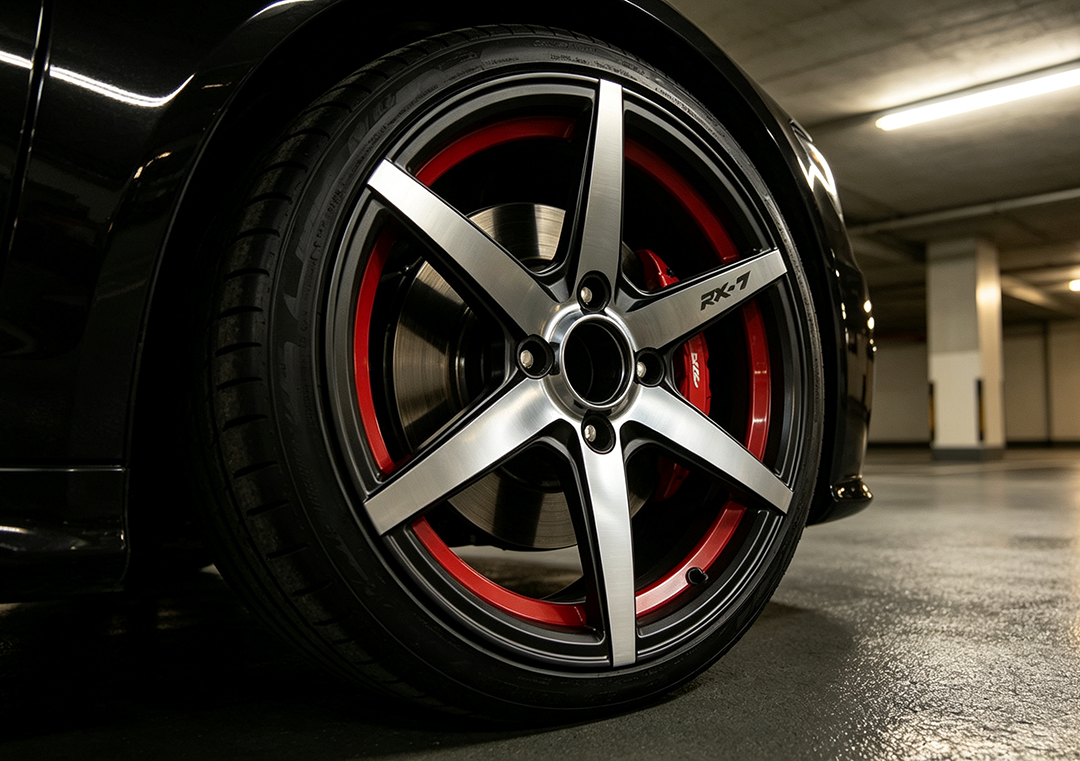
Monoblock (1-Piece) Forged Rims: Machined out of a single forged aluminum billet. Monoblock wheels are the lightest, stiffest, and most structural options available. They are ideal for high-performance track cars, sport sedans, and daily drivers seeking maximum durability and low weight.
-
2-Piece Modular Forged Rims: Feature a separate forged face bolted or welded into a forged barrel assembly. This modular approach allows owners to mix finishes (such as a polished lip paired with a satin face) and replace individual components if outer curb damage occurs.
-
3-Piece Modular Forged Rims: Consist of an inner barrel, an outer lip, and a center forged face held together by high-strength assembly perimeter bolts and sealed with silicone elastomer. 3-piece wheels offer maximum flexibility in extreme wheel widths, negative offsets, and deep-lip stance setups.
6.Are Forged Rims Suitable for Daily Driving?
A common misconception among automotive enthusiasts is that forged alloy rims are delicate components reserved exclusively for showroom displays or smooth track asphalt. In reality, the engineering properties of forged metal make them far more resilient for daily commutes than standard factory cast wheels.
Pothole Resistance and Deformation Characteristics
American roads subject wheels to constant impact stress from expansion joints, construction debris, and potholes. When a cast wheel strikes a deep pothole at speed, its brittle crystalline structure frequently snaps, leading to severe rim cracks, instant tire pressure loss, and expensive roadside towing.
In contrast, a forged alloy rim exhibits high ductility alongside its strength. Under severe impact forces that would shatter a cast wheel, a forged aluminum wheel absorbs the energy by slightly deforming or bending at the lip rather than cracking apart. In many cases, a bent forged lip maintains the tire bead seal long enough for the driver to reach safety without experiencing a catastrophic blowout.
Longevity and Corrosion Resistance
High-grade forged 6061-T6 aluminum alloys resist surface oxidation and fatigue better than lower-grade cast alloys. When sealed with high-durability powder coats or anodized finishes, forged rims maintain their mechanical integrity and luster through harsh winters, salt spray, and extreme temperature shifts.
7.Understanding the True Cost: Why Are Forged Alloy Rims More Expensive?
While the performance advantages of forged alloy wheels are clear, their price tag remains higher than mass-produced cast wheels. This cost difference stems from three core manufacturing factors:
-
Raw Material Overhead: Solid billets of aerospace-grade 6061-T6 aluminum cost substantially more than the raw recycled scrap and ingot blends used in basic gravity casting setups.
-
Heavy Machinery and Energy Usage: Industrial forging presses operating at 8,000 to 10,000 tons require immense capital investment, specialized tooling, and significant energy to operate.
-
Precision Machining Hours: Every forged monoblock or face requires extensive multi-axis CNC lathe and mill run-times to carve out custom spoke profiles, lighten pocketing, and establish exact bolt pattern tolerances down to the millimeter.
Are They Worth the Investment?
For drivers who prioritize vehicle safety, customized brake clearance, unsprung weight optimization, and long-term durability, forged wheels provide exceptional value. Rather than replacing cracked cast wheels repeatedly over years of driving, investing in a high-grade set of custom forged alloy wheels ensures structural peace of mind for the life of the vehicle.
8.Key Considerations When Customizing Forged Rims
Upgrading to a tailored set of forged alloy wheels requires careful attention to key fitment parameters:
-
PCD (Pitch Circle Diameter): The exact measurement of the wheel lug pattern (e.g., 5×112, 5×120, 6×139.7).
-
Center Bore Size: Ensures hub-centric mounting to eliminate high-speed steering wheel vibrations.
-
Wheel Offset (ET) and Width: Dictates how flush the outer wheel lip sits relative to the fender line while ensuring inner strut clearance.
-
Brake Caliper Clearance: Custom forged CNC profiles allow spoke geometry to arc outward, clearing massive multi-piston aftermarket brake kits without requiring slip-on wheel spacers.
-
Load Rating: Heavy SUVs, electric vehicles (EVs), and trucks demand higher wheel load capacities (often 900 kg to 1500+ kg per corner) due to battery weight or towing demands. Custom forging allows engineers to adjust internal wall thickness specifically to hit these high load ratings.

Frequently Asked Questions(FAQ)
1.What is the main difference between forged alloy rims and cast alloy rims?
Cast rims are made by pouring molten aluminum into molds, while forged rims are compressed from solid aluminum under extreme pressure. This process gives forged rims a denser grain structure, making them significantly lighter and 2 to 3 times stronger than cast options.
2.Do forged alloy rims improve vehicle performance?
Yes. Forged rims reduce unsprung mass and rotational weight, which directly improves steering response, acceleration, and braking efficiency. Their higher structural rigidity also enhances overall cornering stability.
3.Are forged alloy rims suitable for daily driving?
Absolutely. Their exceptional strength and high fatigue resistance allow them to easily handle harsh daily conditions, such as rough roads and potholes, making them more durable than standard cast rims over the long term.
4.Do forged alloy rims crack or bend upon high impact?
Forged rims are far more likely to bend rather than crack or shatter when hit severely. Because of their dense, continuous metal structure, they absorb high energy by deforming, which helps prevent sudden tire air loss.
5.Why are forged alloy rims so expensive, and are they worth it?
They are expensive due to premium raw materials (like 6061-T6 aluminum), heavy forging machinery, and precise CNC machining. They are worth the investment for performance enthusiasts, track drivers, and heavy vehicles seeking maximum safety, durability, and custom fitments.
Upgrade Your Ride with Custom Precision Engineering
Upgrading your vehicle’s wheels is one of the most effective modifications you can make to transform handling, safety, and visual presence. By reducing unsprung weight and maximizing impact resistance, high-performance forged alloy wheels deliver benefits you can feel every time you step on the gas or take a sharp curve.
Ready to explore custom offsets, tailor-made fitments, and premium finishes built specifically for your vehicle?
Explore the Complete Custom Forged Wheel Collection at ATK Wheels and work with experienced wheel fitment specialists to engineer your ideal set today.

